Elena Gorfinkel - Böcker
Visar alla böcker från författaren Elena Gorfinkel. Handla med fri frakt och snabb leverans.
7 produkter
7 produkter
428 kr
Skickas inom 7-10 vardagar
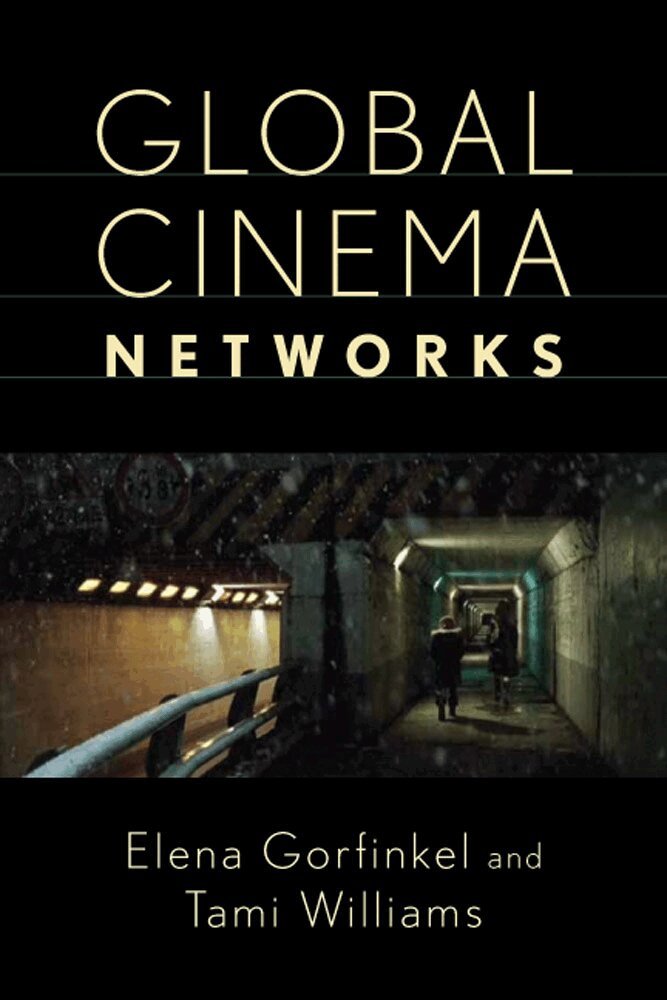
Global Cinema Networks investigates the evolving aesthetic forms, technological and industrial conditions, and social impacts of cinema in the twenty-first century. The collection’s esteemed contributors excavate sites of global filmmaking in an era of digital reproduction and amidst new modes of circulation and aesthetic convergence, focusing primarily on recent films made across Europe, Africa, Latin America, Asia, and the Middle East. Moving beyond the digital as a harbinger of transformation, the volume offers new ways of thinking about cinema networks in a historical continuum, from “international” to “world” to “transnational” to “global” frames.
1 570 kr
Skickas inom 7-10 vardagar
Global Cinema Networks investigates the evolving aesthetic forms, technological and industrial conditions, and social impacts of cinema in the twenty-first century. The collection’s esteemed contributors excavate sites of global filmmaking in an era of digital reproduction and amidst new modes of circulation and aesthetic convergence, focusing primarily on recent films made across Europe, Africa, Latin America, Asia, and the Middle East. Moving beyond the digital as a harbinger of transformation, the volume offers new ways of thinking about cinema networks in a historical continuum, from “international” to “world” to “transnational” to “global” frames.
296 kr
Skickas inom 10-15 vardagar
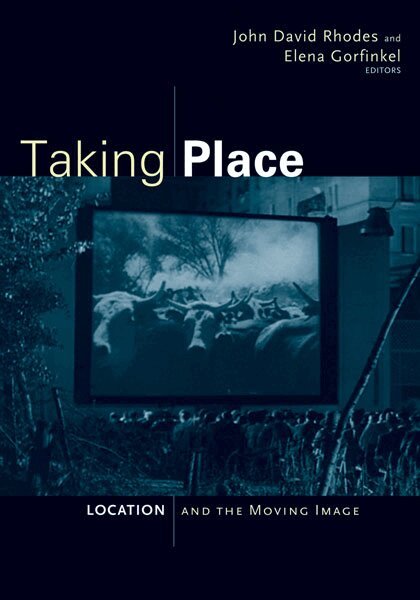
Taking Place argues that the relation between geographical location and the moving image is fundamental and that place grounds our experience of film and media. Its original essays analyze film, television, video, and installation art from diverse national and transnational contexts to rethink both the study of moving images and the theorization of place. Through its unprecedented-and at times even obsessive- attention to actual places, this volume traces the tensions between the global and the local, the universal and the particular, that inhere in contemporary debates on global cinema, television, art, and media.Contributors: Rosalind Galt, U of Sussex; Frances Guerin, U of Kent; Ji-hoon Kim; Hugh S. Manon, Clark U; Ara Osterweil, McGill U; Brian Price, U of Toronto; Linda Robinson, U of Wisconsin–Whitewater; Michael Siegel; Noa Steimatsky, U of Chicago; Meghan Sutherland, U of Toronto; Mark W. Turner, Kings College London; Aurora Wallace, New York U; Charles Wolfe, U of California, Santa Barbara.
1 157 kr
Skickas inom 7-10 vardagar
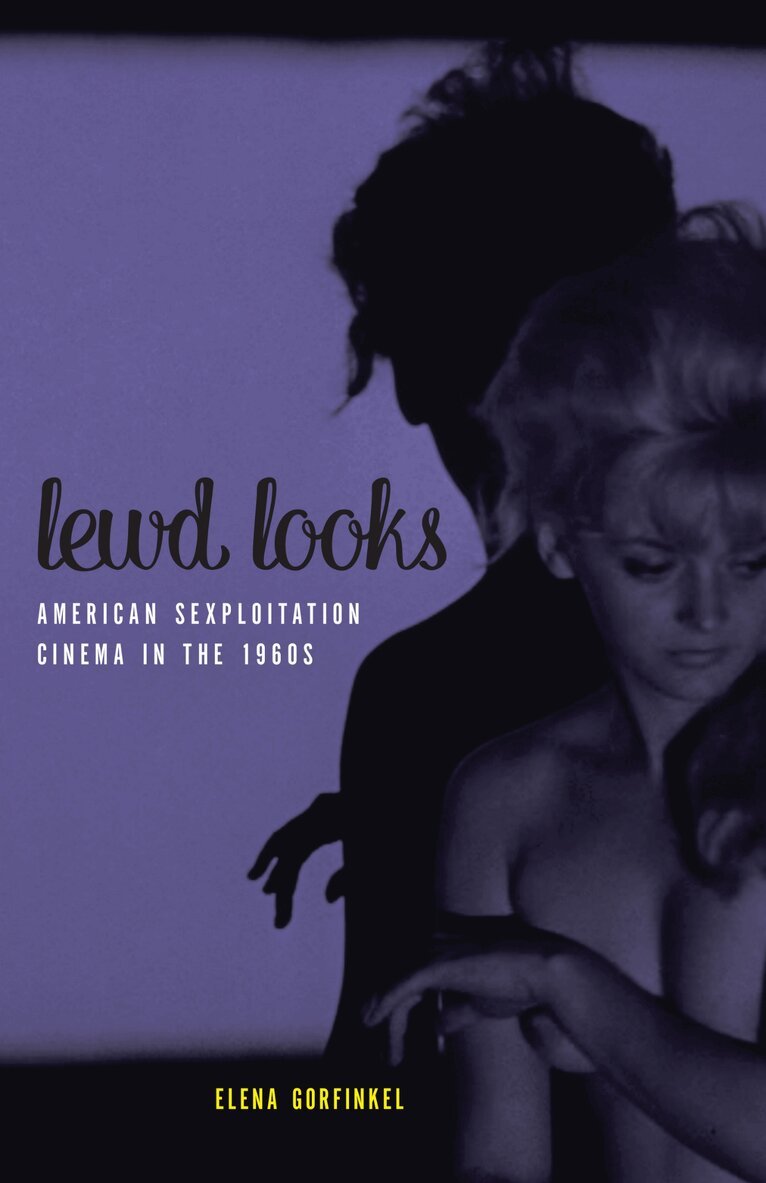
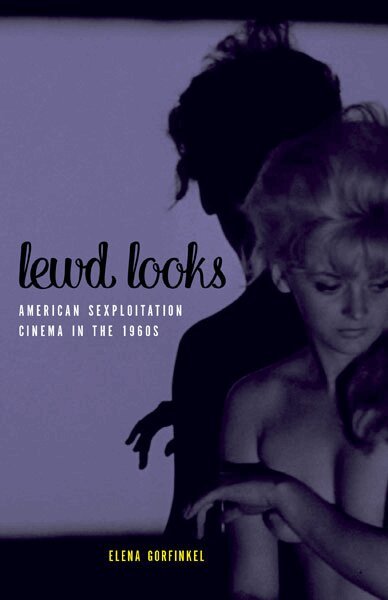
One of the most fascinating phenomena of 1960s film culture is the emergence of American sexploitation films-salacious indies made on the margins of Hollywood. Hundreds of such films were produced and shown on both urban and small-town screens over the course of the decade. Yet despite their vital importance to the film scene, and though they are now understood as a gateway to the emergence of publicly exhibited hardcore pornography in the early 1970s, these films have been largely overlooked by scholars. Defined by low budgets, quick production times, unknown actors, strategic uses of nudity, and a sensationalist obsession with unbridled female sexuality, sexploitation films provide a unique window into a tumultuous period in American culture and sexual politics. In Lewd Looks, Elena Gorfinkel examines the social and legal developments that made sexploitation films possible: their aesthetics, their regulation, and their audiences. Gorfinkel explores the ways sexploitation films changed how spectators encountered and made sense of the sexualized body and set the stage for the adult film industry of today. Lewd Looks recovers a lost chapter in the history of independent cinema and American culture-a subject that will engross readers interested in media, sexuality, gender, and the 1960s. Gorfinkel investigates the films and their contexts with scholarly depth and vivid storytelling, producing a new account of the obscene image, screen sex, and adult film and media.
744 kr
Skickas inom 7-10 vardagar
What are film props? What do they do? This book answers these questions by a close attention to those material objects that are used to construct cinematic worlds. The term "prop" is short for property. This truncated term's etymology belies the expansiveness of the concept and indicates the micro and macro scales at which the prop operates. Props are the material—often literal—furniture of cinema's diegetic reality. Props are also narrative agents: think of the animacy of objects in Jean Epstein's account of photogénie, the crystal egg in Risky Business, or the domestic bric-à-brac of Sirk's melodramas. The prop is central to production design and the construction of mise-en-scène. And yet, the prop has rarely—almost never—been taken as an object of analysis and theorization in its own right. This book begins by tracing the prop's curious but unacknowledged role in film theory, before proceeding to a series of theoretical speculations and close readings that bring the prop into focus. Analyses of scenes of "prop mastery" demonstrate the labor that props perform and enable, as well as the interpretive work they make possible. Across a variety of genres, modes, and historical contexts—studio filmmaking, art cinema, adult and avant-garde films—The Prop introduces readers to the notion of "prop value," a quality that puts the prop in proximity to the capitalist commodity, but also provides an ironic distance from the commodity's subjection to exchange value. Gorfinkel and Rhodes argue that the prop is nothing less than a condensation of how labor, subjection, value, and instrumentality underwrite the very conditions of cinema.
207 kr
Skickas inom 10-15 vardagar
What are film props? What do they do? This book answers these questions by a close attention to those material objects that are used to construct cinematic worlds. The term "prop" is short for property. This truncated term's etymology belies the expansiveness of the concept and indicates the micro and macro scales at which the prop operates. Props are the material—often literal—furniture of cinema's diegetic reality. Props are also narrative agents: think of the animacy of objects in Jean Epstein's account of photogénie, the crystal egg in Risky Business, or the domestic bric-à-brac of Sirk's melodramas. The prop is central to production design and the construction of mise-en-scène. And yet, the prop has rarely—almost never—been taken as an object of analysis and theorization in its own right. This book begins by tracing the prop's curious but unacknowledged role in film theory, before proceeding to a series of theoretical speculations and close readings that bring the prop into focus. Analyses of scenes of "prop mastery" demonstrate the labor that props perform and enable, as well as the interpretive work they make possible. Across a variety of genres, modes, and historical contexts—studio filmmaking, art cinema, adult and avant-garde films—The Prop introduces readers to the notion of "prop value," a quality that puts the prop in proximity to the capitalist commodity, but also provides an ironic distance from the commodity's subjection to exchange value. Gorfinkel and Rhodes argue that the prop is nothing less than a condensation of how labor, subjection, value, and instrumentality underwrite the very conditions of cinema.
181 kr
Skickas
Actor-turned-writer/director Barbara Loden's only feature film, Wanda (1970), tells the story of an alienated working-class woman, Wanda Goronski (played by Loden), who abandons her life as a coal miner’s wife and mother, electing instead to drift. Bracing in its realist texture and proto-feminist in its sensibility, it received critical acclaim upon release, winning the Critics’ Prize at the Venice Film Festival in 1970. Today, Wanda is considered one of the most notable films made by a woman director and a core work of American independent cinema.Elena Gorfinkel's study of this singular film traces Loden's creative process and unconventional approach to filmmaking. Drawing on archival sources, including scripts, interviews, production records, oral history, and previously unseen ephemera, she examines the film’s de-dramatised aesthetic, one that rebukes the artifice and “slickness” of Hollywood. Gorfinkel considers Loden’s craft in her framing of cinematic time, manipulation of gesture, voice, and posture, narrative ellipsis, and in her use of location and non-professional actors. Providing an account of Wanda's exhibition and reception in the 1970s and after, she traces the film's feminist legacies, and its lasting influence on contemporary filmmakers, artists and writers.