Eleni Manolaraki - Böcker
Visar alla böcker från författaren Eleni Manolaraki. Handla med fri frakt och snabb leverans.
2 produkter
2 produkter
427 kr
Skickas inom 7-10 vardagar
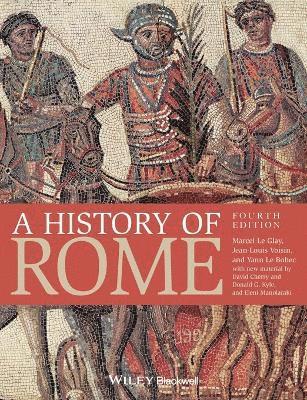
Spanning 1,300 years, this popular history of Rome has been thoroughly revised and updated, reinforcing its stature as an indispensable resource on the history and enduring influence of one of the world's greatest empires. New format: two-color text throughout; new pedagogical features, such as glossary terms in margins; chronological tables and genealogies are made clearer for student useIncludes revised text throughout, updated guides to further reading, and new sources for Roman historyExpands coverage of the late Republic periodRetains its emphasis on the importance of multi-disciplinary interpretations of literary sources and new archaeological evidence
Del 18 - Trends in Classics - Supplementary Volumes
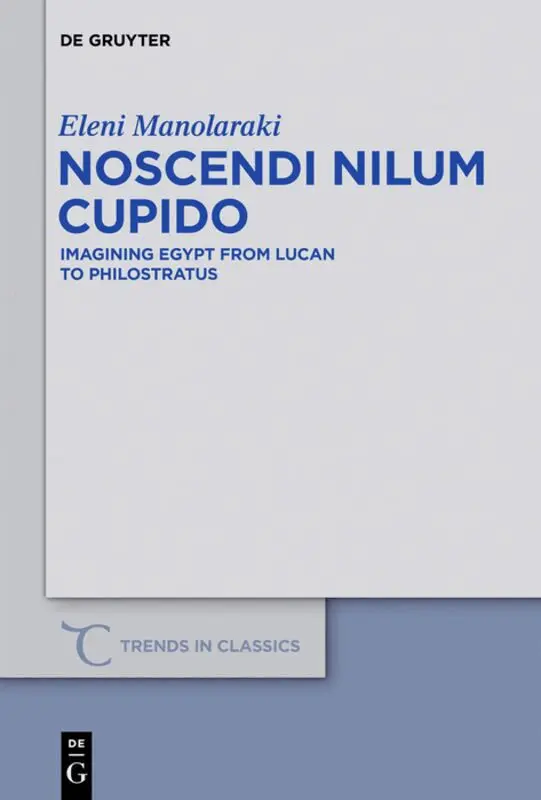
Noscendi Nilum Cupido
Imagining Egypt from Lucan to Philostratus
Inbunden, Engelska, 2012
2 272 kr
Skickas inom 5-8 vardagar
What significations did Egypt have for the Romans a century after Actium and afterwards? How did Greek imperial authors respond to the Roman fascination with the Nile? This book explores Egypt's aftermath beyond the hostility of Augustan rhetoric, and Greek and Roman topoi of Egyptian "barbarism." Set against history and material culture, Julio-Claudian, Flavian, Antonine, and Severan authors reveal a multivalent Egypt that defines Rome's increasingly diffuse identity while remaining a tertium quid between Roman Selfhood and foreign Otherness. Vespasian's Alexandrian uprising, his recognition of Egypt as his power basis, and his patronage of Isis re-conceptualize Egypt past the ideology of Augustan conquest. The imperialistic exhilaration and moral angst attending Rome's Flavian cosmopolitanism find an expressive means in the geographically and semantically nebulous Nile. The rapprochement with Egypt continues in the second and early third centuries. The "Hellenic" Antonines and the African-Syrian Severans expand perceptions of geography and identity within an increasingly decentralized and diverse empire. In the political and cultural discourses of this period, the capacious symbolics of Egypt validate the empire's religious and ethnic pluralism.