Eleni Tounta – författare
Visar alla böcker från författaren Eleni Tounta. Handla med fri frakt och snabb leverans.
9 produkter
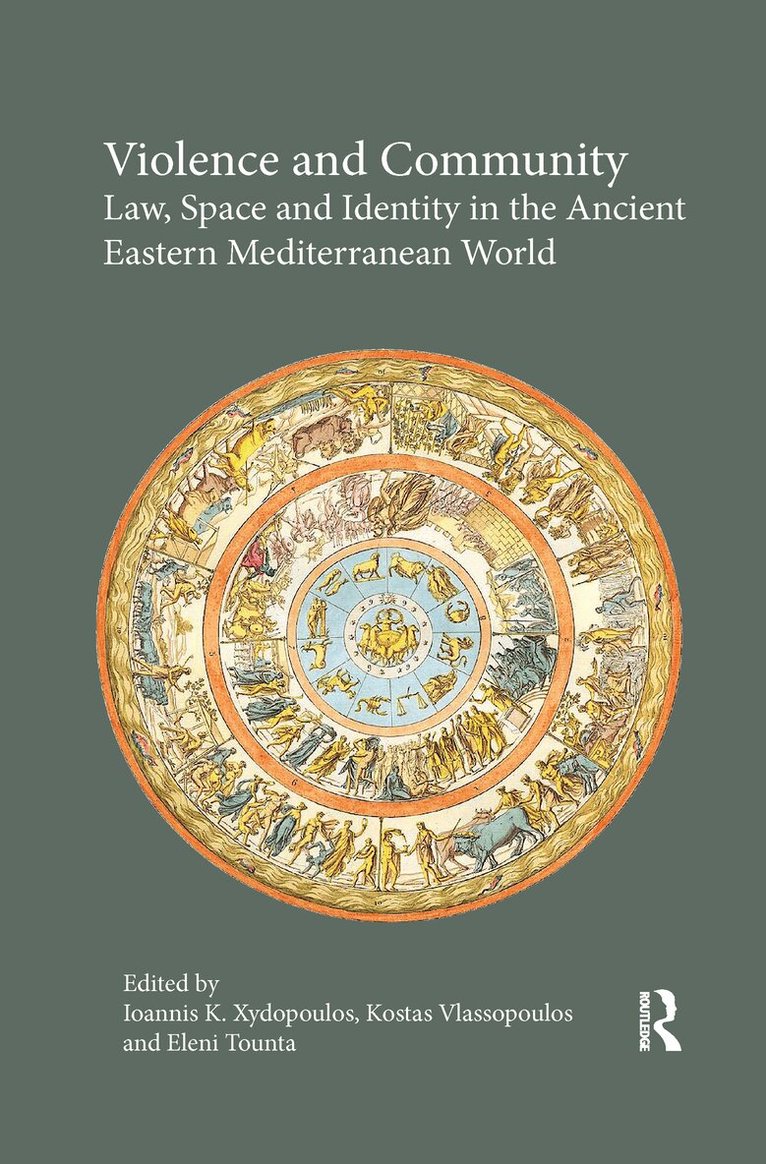
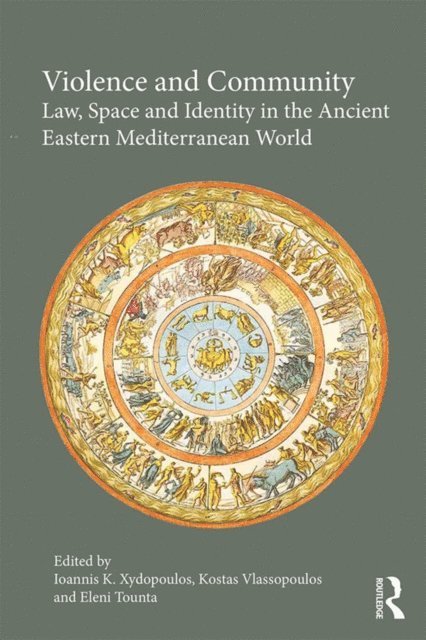
Violence and Community
Law, Space and Identity in the Ancient Eastern Mediterranean World
Av Ioannis K. Xydopoulos, Kostas Vlassopoulos m. fl.
Häftad, 2020
727 kr
Lägg i varukorg
Violence and community were intimately linked in the ancient world. While various aspects of violence have been long studied on their own (warfare, revolution, murder, theft, piracy), there has been little effort so far to study violence as a unified field and explore its role in community …
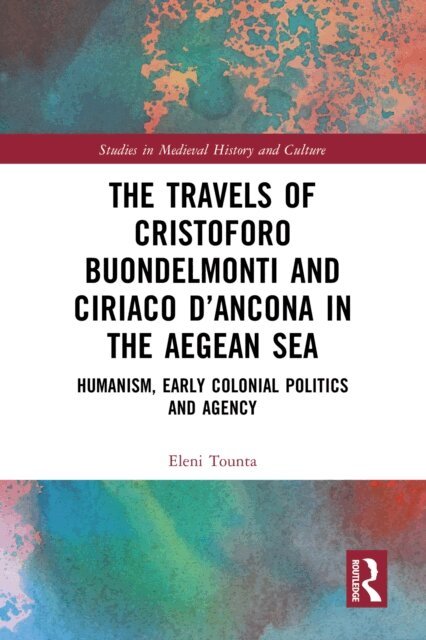
Travels of Cristoforo Buondelmonti and Ciriaco d’Ancona in the Aegean Sea
Humanism, Early Colonial Politics and Agency
Av Eleni Tounta
Inbunden, 2024
2198 kr
Lägg i varukorg
This book explores the travels of Cristoforo Buondelmonti and Ciriaco d’Ancona to the Greek lands in the early fifteenth-century eastern Mediterranean.Drawing on post-colonial studies' frameworks, such as travel writing and imaginative geographies, this volume offers an innovative examination of …
Travels of Cristoforo Buondelmonti and Ciriaco d’Ancona in the Aegean Sea
Humanism, Early Colonial Politics and Agency
Av Eleni Tounta
Häftad, 2026
812 kr
Lägg i varukorg
This book explores the travels of Cristoforo Buondelmonti and Ciriaco d’Ancona to the Greek lands in the early fifteenth-century eastern Mediterranean.Drawing on post-colonial studies' frameworks, such as travel writing and imaginative geographies, this volume offers an innovative examination of …
Travels of Cristoforo Buondelmonti and Ciriaco d'Ancona in the Aegean Sea
Humanism, Early Colonial Politics and Agency
Av Eleni Tounta
E-bok, 2024
935 kr
Lägg i varukorg
This book explores the travels of Cristoforo Buondelmonti and Ciriaco d'Ancona to the Greek lands in the early fifteenth-century eastern Mediterranean.Drawing on post-colonial studies' frameworks, such as travel writing and imaginative geographies, this volume offers an innovative examination of …
Travels of Cristoforo Buondelmonti and Ciriaco d'Ancona in the Aegean Sea
Humanism, Early Colonial Politics and Agency
Av Eleni Tounta
E-bok, 2024
926 kr
Lägg i varukorg
This book explores the travels of Cristoforo Buondelmonti and Ciriaco d'Ancona to the Greek lands in the early fifteenth-century eastern Mediterranean.Drawing on post-colonial studies' frameworks, such as travel writing and imaginative geographies, this volume offers an innovative examination of …
Violence and Community
Law, Space and Identity in the Ancient Eastern Mediterranean World
Av Eleni Tounta, Kostas Vlassopoulos m. fl.
E-bok, 2017
856 kr
Lägg i varukorg
Violence and community were intimately linked in the ancient world. While various aspects of violence have been long studied on their own (warfare, revolution, murder, theft, piracy), there has been little effort so far to study violence as a unified field and explore its role in community …
Violence and Community
Law, Space and Identity in the Ancient Eastern Mediterranean World
Av Eleni Tounta, Kostas Vlassopoulos m. fl.
E-bok, 2017
838 kr
Lägg i varukorg
Violence and community were intimately linked in the ancient world. While various aspects of violence have been long studied on their own (warfare, revolution, murder, theft, piracy), there has been little effort so far to study violence as a unified field and explore its role in community …
Violence and Community
Law, Space and Identity in the Ancient Eastern Mediterranean World
Av Ioannis K. Xydopoulos, Kostas Vlassopoulos m. fl.
Inbunden, 2017
2588 kr
Lägg i varukorg
Violence and community were intimately linked in the ancient world. While various aspects of violence have been long studied on their own (warfare, revolution, murder, theft, piracy), there has been little effort so far to study violence as a unified field and explore its role in community …
Travelling in the Eastern Mediterranean, C. 1300-1500
Politics, Agency, and the Production of Space
Av Eleni Tounta, Nikolaos Chrissis
Inbunden, 2026
1881 kr
Tillfälligt slut