Elías J. Palti – författare
Visar alla böcker från författaren Elías J. Palti. Handla med fri frakt och snabb leverans.
13 produkter
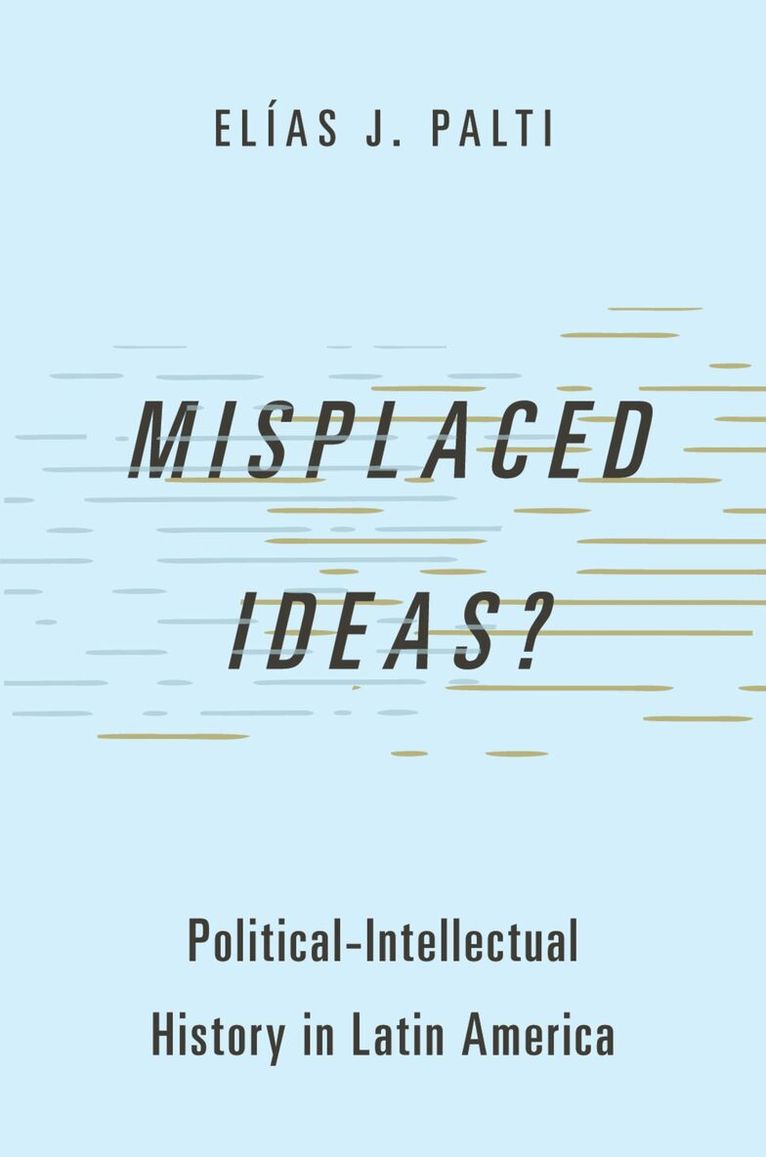
Misplaced Ideas?
Political-Intellectual History in Latin America
Inbunden, 2024
1077 kr
Lägg i varukorg
Is there a Latin American thought? What distinguishes it from the thought of other regions, particularly from European thought? What are its main expressions in political, cultural, and social life? How has it evolved historically? As the Mexican philosopher Leopoldo Zea Aguilar stated: "hardly any …
Misplaced Ideas?
Political-Intellectual History in Latin America
E-bok, 2024
275 kr
Lägg i varukorg
Is there a Latin American thought? What distinguishes it from the thought of other regions, particularly from European thought? What are its main expressions in political, cultural, and social life? How has it evolved historically? As the Mexican philosopher Leopoldo Zea Aguilar stated: "hardly any …
Misplaced Ideas?
Political-Intellectual History in Latin America
E-bok, 2024
269 kr
Lägg i varukorg
Is there a Latin American thought? What distinguishes it from the thought of other regions, particularly from European thought? What are its main expressions in political, cultural, and social life? How has it evolved historically? As the Mexican philosopher Leopoldo Zea Aguilar stated: "hardly any …
Misplaced Ideas?
Political-Intellectual History in Latin America
Häftad, 2024
321 kr
Lägg i varukorg
Is there a Latin American thought? What distinguishes it from the thought of other regions, particularly from European thought? What are its main expressions in political, cultural, and social life? How has it evolved historically? As the Mexican philosopher Leopoldo Zea Aguilar stated: "hardly any …
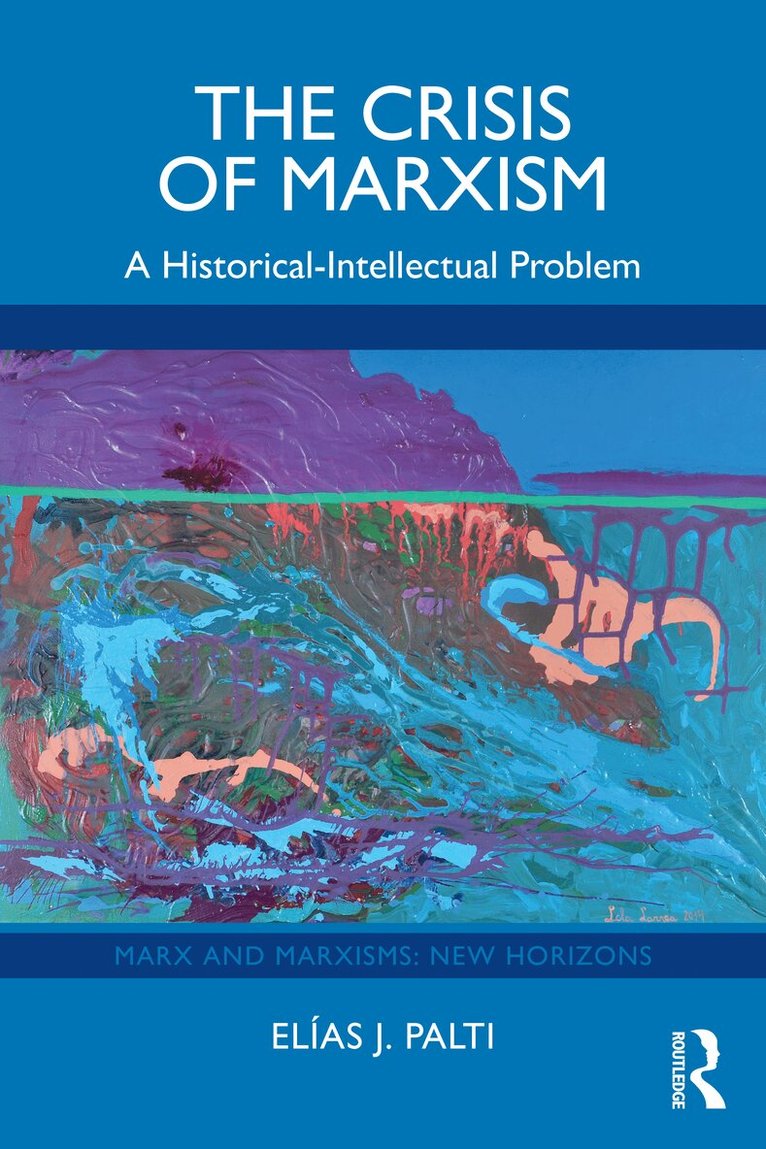
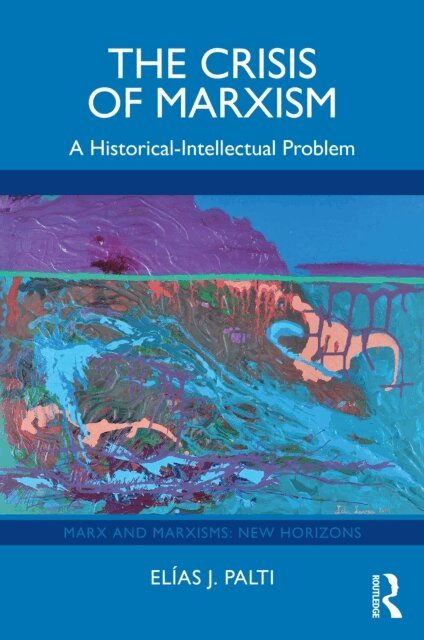
Crisis of Marxism
A Historical-Intellectual Problem
Häftad, 2025
646 kr
Lägg i varukorg
In this book, Elías J. Palti analyzes the writings of key thinkers who have theorized the present situation of Marxism: Perry Anderson, Fredric Jameson, Ernesto Laclau, Slavoj Žižek, Judith Butler, Alain Badiou, and Jacques Derrida. His aim is to interrogate what appears to be the final crisis of …
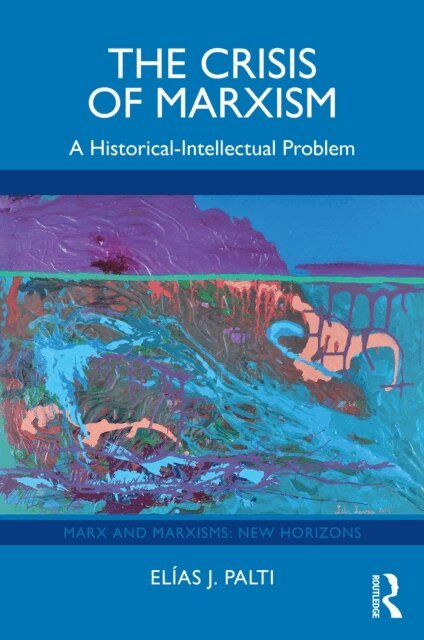
Crisis of Marxism
A Historical-Intellectual Problem
Inbunden, 2025
2504 kr
Lägg i varukorg
In this book, Elías J. Palti analyzes the writings of key thinkers who have theorized the present situation of Marxism: Perry Anderson, Fredric Jameson, Ernesto Laclau, Slavoj Žižek, Judith Butler, Alain Badiou, and Jacques Derrida. His aim is to interrogate what appears to be the final crisis of …
Crisis of Marxism
A Historical-Intellectual Problem
E-bok, 2025
676 kr
Lägg i varukorg
In this book, Elías J. Palti analyzes the writings of key thinkers who have theorized the present situation of Marxism: Perry Anderson, Fredric Jameson, Ernesto Laclau, Slavoj Žižek, Judith Butler, Alain Badiou, and Jacques Derrida. His aim is to interrogate what appears to be the final crisis of …
Crisis of Marxism
A Historical-Intellectual Problem
E-bok, 2025
676 kr
Lägg i varukorg
In this book, Elías J. Palti analyzes the writings of key thinkers who have theorized the present situation of Marxism: Perry Anderson, Fredric Jameson, Ernesto Laclau, Slavoj Žižek, Judith Butler, Alain Badiou, and Jacques Derrida. His aim is to interrogate what appears to be the final crisis of …
Dystopias in Nineteenth-Century Latin American Literature
Häftad, 2026
568 kr
Kommande
How did nineteenth-century Latin American novelists respond to moments when history itself seemed to come undone? Rather than treating dystopia as a futuristic genre, Palti traces its emergence from concrete political crises in Mexico, Argentina, and Brazil, as writers confronted national defeat, …
Dystopias in Nineteenth-Century Latin American Literature
Inbunden, 2026
2062 kr
Kommande
How did nineteenth-century Latin American novelists respond to moments when history itself seemed to come undone? Rather than treating dystopia as a futuristic genre, Palti traces its emergence from concrete political crises in Mexico, Argentina, and Brazil, as writers confronted national defeat, …
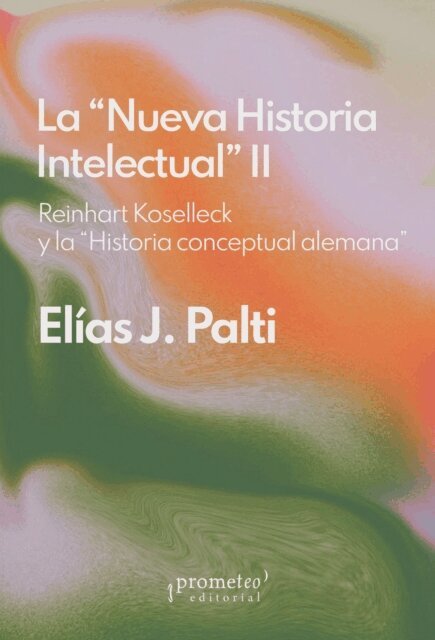
La nueva historia intelectual II
Reinhart Koselleck y la historia conceptual alemana
E-bok, 2026
115 kr
Lägg i varukorg
La serie se basa en clases dictadas en la Universidad de Buenos Aires, la Universidad Nacional de Quilmes y la Universidad de Cambridge, entre 2009 y 2023. Su objetivo es acercar al público no especializado los desarrollos recientes en historia intelectual, presentando teorías y corrientes que han …