Elisabeth Jean Wood - Böcker
Visar alla böcker från författaren Elisabeth Jean Wood. Handla med fri frakt och snabb leverans.
6 produkter
6 produkter
370 kr
Skickas inom 7-10 vardagar
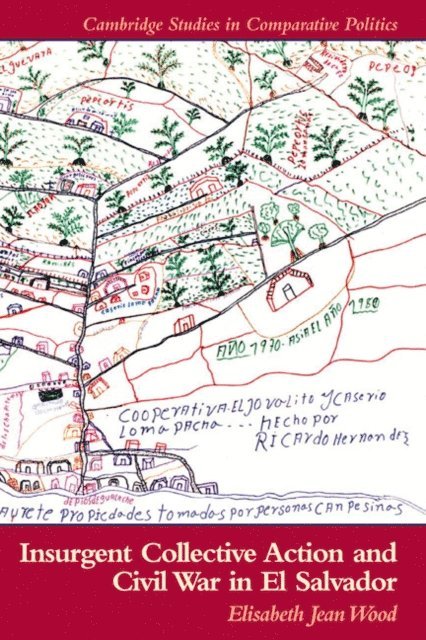
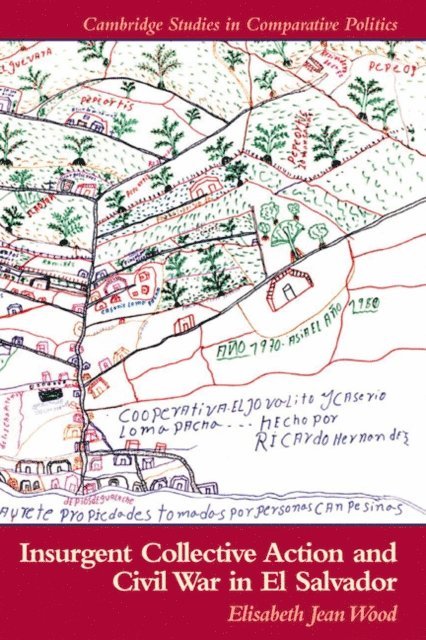
Widespread support among rural people for the leftist insurgency during the civil war in El Salvador challenges conventional interpretations of collective action. Those who supplied tortillas, information, and other aid to guerillas took mortal risks and yet stood to gain no more than those who did not. Wood's rich tapestry of explanation is based on oral histories gathered from peasants who supported the insurgency and those who did not over a period of many years during and immediately following the war, and interviews with military commanders of both sides. Peasants supported the FMLN, Wood found, not for any material gain that was contingent on their participation, but rather for moral and emotional reasons. Wood's alternative model places emotions and morals, as well as conventional interests, at the heart of collective action.
744 kr
Skickas inom 7-10 vardagar
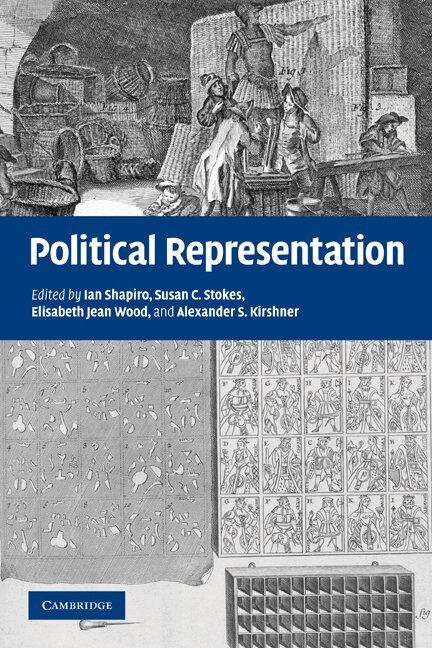
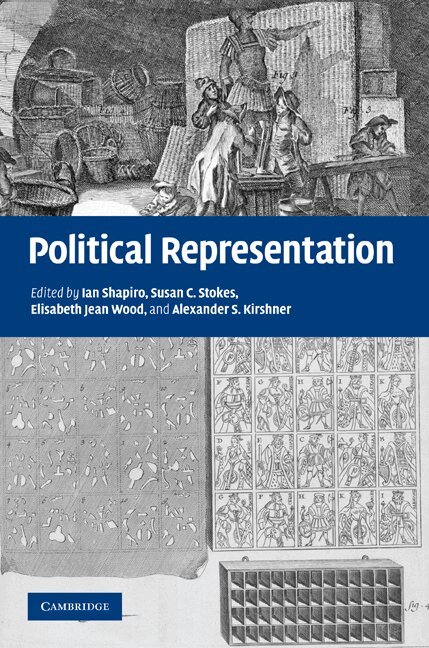
Political representation lies at the core of modern politics. Democracies, with their vast numbers of citizens, could not operate without representative institutions. Yet relations between the democratic ideal and the everyday practice of political representation have never been well defined and remain the subject of vigorous debate among historians, political theorists, lawyers, and citizens. In this volume, an eminent group of scholars move forward the debates about political representation on a number of fronts. Drawing on insights from political science, history, political theory, economics, and anthropology, the authors provide much-needed clarity to some of the most vexing questions about political representation. They also reveal new and enlightening perspectives on this fundamental political practice. Topics discussed include representation before democracy, political parties, minorities, electoral competition, and ideology. This volume is essential reading for anyone interested in the ideal and the reality of political representation.
410 kr
Skickas inom 7-10 vardagar
Political representation lies at the core of modern politics. Democracies, with their vast numbers of citizens, could not operate without representative institutions. Yet relations between the democratic ideal and the everyday practice of political representation have never been well defined and remain the subject of vigorous debate among historians, political theorists, lawyers, and citizens. In this volume, an eminent group of scholars move forward the debates about political representation on a number of fronts. Drawing on insights from political science, history, political theory, economics, and anthropology, the authors provide much-needed clarity to some of the most vexing questions about political representation. They also reveal new and enlightening perspectives on this fundamental political practice. Topics discussed include representation before democracy, political parties, minorities, electoral competition, and ideology. This volume is essential reading for anyone interested in the ideal and the reality of political representation.
Forging Democracy from Below
Insurgent Transitions in South Africa and El Salvador
Inbunden, Engelska, 2000
639 kr
Skickas inom 7-10 vardagar
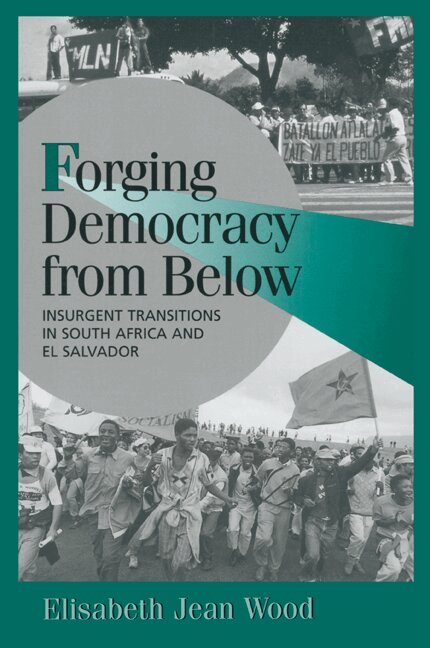
The recent replacement of authoritarian rule by democracy in both South Africa and El Salvador poses a puzzle: why did the powerful and fervently anti-democratic elites of these countries abandon death squads, apartheid, and the other tools of political repression and take a chance on democracy? Forging Democracy from Below, first published in 2000, shows how popular mobilization - in El Salvador an effective guerilla army supported by peasant collaboration and in South Africa a powerful alliance of labor unions and poor urban dwellers - eventually forced the elite to the bargaining table, and why both a durable settlement and democratic government were the result. Using interviews with both insurgent and elite actors as well as statistical analysis of macroeconomic developments, Elisabeth Wood documents an 'insurgent path to democracy' and challenges the view that democracy is the result of compromise among elite factions or the modernizing influence of economic development.
Forging Democracy from Below
Insurgent Transitions in South Africa and El Salvador
Häftad, Engelska, 2000
334 kr
Skickas inom 7-10 vardagar
The recent replacement of authoritarian rule by democracy in both South Africa and El Salvador poses a puzzle: why did the powerful and fervently anti-democratic elites of these countries abandon death squads, apartheid, and the other tools of political repression and take a chance on democracy? Forging Democracy from Below, first published in 2000, shows how popular mobilization - in El Salvador an effective guerilla army supported by peasant collaboration and in South Africa a powerful alliance of labor unions and poor urban dwellers - eventually forced the elite to the bargaining table, and why both a durable settlement and democratic government were the result. Using interviews with both insurgent and elite actors as well as statistical analysis of macroeconomic developments, Elisabeth Wood documents an 'insurgent path to democracy' and challenges the view that democracy is the result of compromise among elite factions or the modernizing influence of economic development.
1 065 kr
Skickas inom 7-10 vardagar
Widespread support among rural people for the leftist insurgency during the civil war in El Salvador challenges conventional interpretations of collective action. Those who supplied tortillas, information, and other aid to guerillas took mortal risks and yet stood to gain no more than those who did not. Wood's rich tapestry of explanation is based on oral histories gathered from peasants who supported the insurgency and those who did not over a period of many years during and immediately following the war, and interviews with military commanders of both sides. Peasants supported the FMLN, Wood found, not for any material gain that was contingent on their participation, but rather for moral and emotional reasons. Wood's alternative model places emotions and morals, as well as conventional interests, at the heart of collective action.