Elisha Renne - Böcker
Visar alla böcker från författaren Elisha Renne. Handla med fri frakt och snabb leverans.
4 produkter
4 produkter
312 kr
Skickas inom 7-10 vardagar
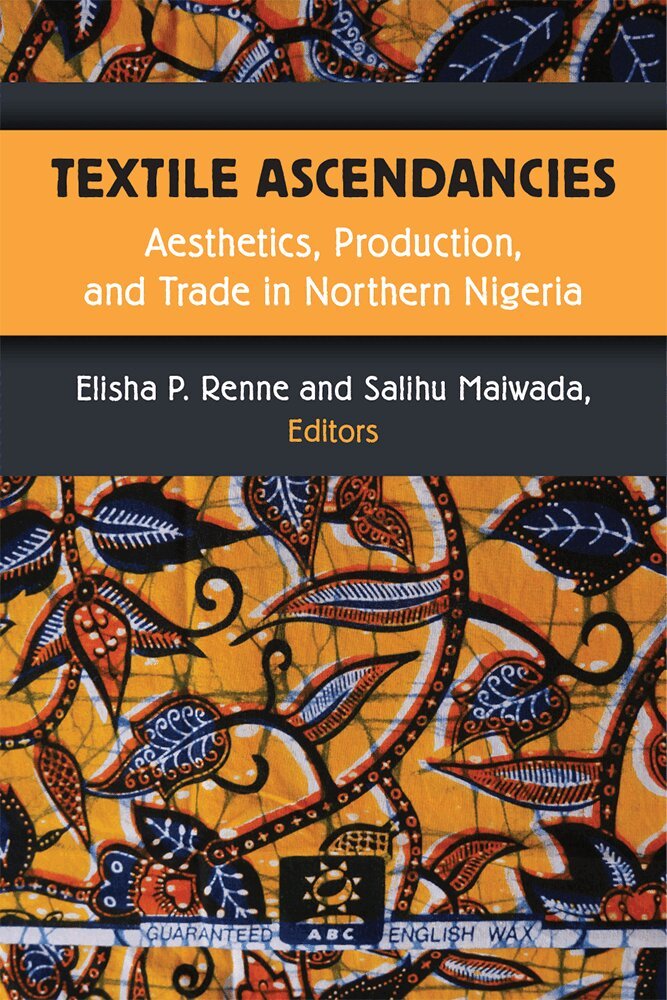
Until this century, Northern Nigeria was a major center of textile production and trade. Textile Ascendancies: Aesthetics, Production, and Trade in Northern Nigeria examines this dramatic change in textile aesthetics, technologies, and social values in order to explain the extraordinary shift in textile demand, production, and trade.Textile Ascendancies provides information for the study of the demise of textile manufacturing outside Nigeria. The book also suggests the conundrum considered by George Orwell concerning the benefits and disadvantages of “mechanical progress,” and digital progress, for human existence. While textile mill workers in northern Nigeria were proud to participate in the mechanization of weaving, the “tendency for the mechanization of the world” represented by more efficient looms and printing equipment in China has contributed to the closing of Nigerian mills and unemployment.Textile Ascendancies will appeal toanthropologists for its analyses of social identity as well as how the ethnic identity of consumers influences continued handwoven textile production. The consideration of aesthetics and fashionable dress will appeal to specialists in textiles and clothing. It will be useful to economic historians for the comparative analysis of textile manufacturing decline in the 21st century. It will also be of interest to those thinking about global futures, about digitalization, and how new ways of making cloth and clothing may provide both employment and environmentally sound production practices.
1 087 kr
Skickas inom 7-10 vardagar
Until this century, Northern Nigeria was a major center of textile production and trade. Textile Ascendancies: Aesthetics, Production, and Trade in Northern Nigeria examines this dramatic change in textile aesthetics, technologies, and social values in order to explain the extraordinary shift in textile demand, production, and trade.Textile Ascendancies provides information for the study of the demise of textile manufacturing outside Nigeria. The book also suggests the conundrum considered by George Orwell concerning the benefits and disadvantages of “mechanical progress,” and digital progress, for human existence. While textile mill workers in northern Nigeria were proud to participate in the mechanization of weaving, the “tendency for the mechanization of the world” represented by more efficient looms and printing equipment in China has contributed to the closing of Nigerian mills and unemployment.Textile Ascendancies will appeal toanthropologists for its analyses of social identity as well as how the ethnic identity of consumers influences continued handwoven textile production. The consideration of aesthetics and fashionable dress will appeal to specialists in textiles and clothing. It will be useful to economic historians for the comparative analysis of textile manufacturing decline in the 21st century. It will also be of interest to those thinking about global futures, about digitalization, and how new ways of making cloth and clothing may provide both employment and environmentally sound production practices.
172 kr
Skickas inom 7-10 vardagar
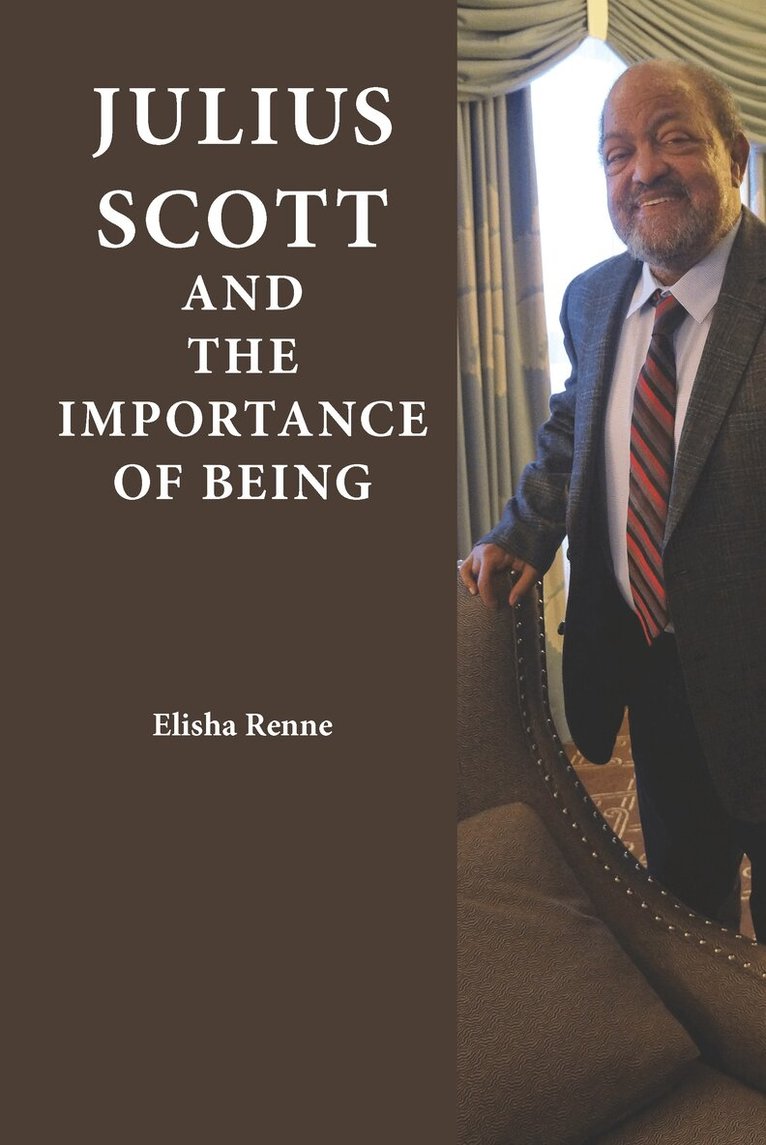
The book, Julius Scott and the Importance of Being, introduces readers to the historian Julius Scott, his own history, personal qualities, and work. Julius is remembered for the book, The Common Wind: Afro-American Currents in the Age of the Haitian Revolution, published in 2018, which was widely regarded as a transformative contribution to Atlantic world history. Admiringly reviewed in many important journals, the book received several awards. These accolades came as a sort of compensation at the time of worsening health, a consequence of type 1 diabetes. The consequences of having type 1 diabetes are documented with a detailed discussion of the relentless effects of this disease. Furthermore, as the first Black student to integrate Southern schools, which included his first-grade class in Houston, Texas, and later, secondary schools, first in Atlanta and then in Alabama, along with Julius’s family background, these experiences enabled him to astutely observe racism in its various forms. Throughout his life, Julius managed, despite his terrible illness, to carry on, with ingenuity, grace, and humor.This biography of Julius Scott is based on primary and secondary sources and focuses on aspects of Julius’s life in order to underscore the personal connection between scholarly achievement, his experiences of living the United States as an African American, and the relentless consequences of having type 1 diabetes. The book, Julius Scott and the Importance of Being, also underscores the importance of documenting the continuing significance of race and religion in political life in the US and the Caribbean.
1 501 kr
Kommande
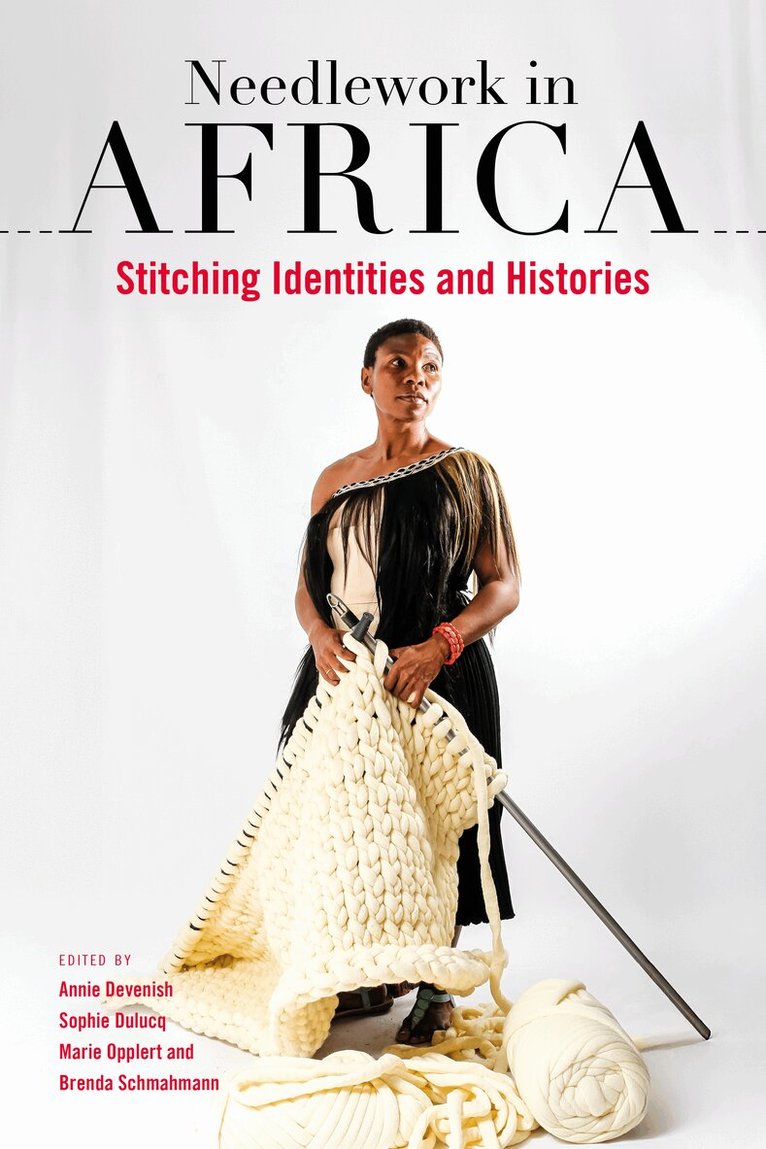
This beautifully crafted book explores needlework; encompassing sewing, embroidery, weaving, quilting, tattooing and more; as a lens for understanding gendered and marginalised histories and identities. Through case studies from across Africa, it highlights the work of fashion designers, weavers, seamstresses, LGBTQI activists, and artists. Their work reveals how needlework shapes and challenges identities, gender roles, and social structures, offering a platform for self-expression and historical storytelling. This collection also shows how embroidery, specifically, has enabled economic agency.Far from trivial, needlework serves as an alternative archive, uncovering voices often sidelined. The book examines how practices like beadwork, tapestry, and crochet reflect complex ideas of gender, identity, and belonging in African contexts. Each chapter illustrates how these crafts empower makers to tell their stories, blending artistry with cultural and historical significance.With striking visuals, this volume invites readers to see needlework anew; not as mere craft, but as a vital tool for documenting and reimagining history. It challenges assumptions about its importance, showing how these everyday acts of creation amplify marginalized perspectives. Needlework in Africa is an engaging read for those interested in how textiles and craftsmanship weave powerful narratives of identity and resilience.