Elizabeth Cumming – författare
Visar alla böcker från författaren Elizabeth Cumming. Handla med fri frakt och snabb leverans.
9 produkter
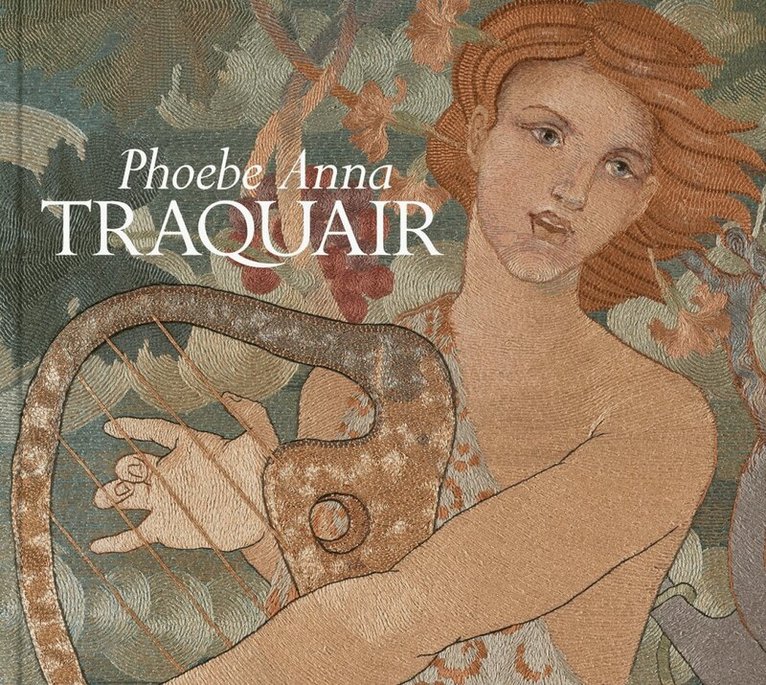
Phoebe Anna Traquair
Häftad, 2022
259 kr
Tillfälligt slut
"The richness of the illustrations in this larger format enables us to better appreciate the intricacy of her illuminated manuscripts, the tonal subtleties of Traquair's tooled leather book bindings and the processional scale of her muraled interiors." — Journal of the Scottish Society for Art …
Scottish Art in the Industrial Age, 1800-1914
Av Frances Fowle, John Morrison m. fl.
2025
8497 kr
Lägg i varukorg
This four-volume collection of primary sources examines art in Scotland during the nineteenth century. During the nineteenth century, Scotland developed as a powerful industrial nation, eventually leading the world in areas such as textiles, shipbuilding and iron and steel production. As a result, …
Scottish Art in the Industrial Age, 1800-1914
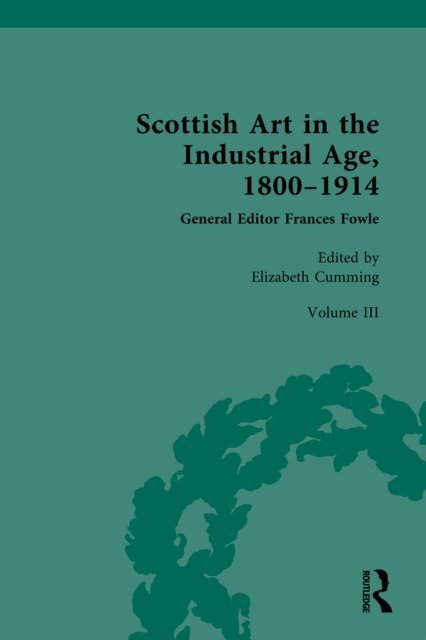
Volume III: Arts, Crafts and the Celtic Revival c.1880-1914
Inbunden, 2025
1882 kr
Lägg i varukorg
This volume focuses on artists and writers associated with the Arts and Crafts movement, Scottish Symbolism and the Celtic Revival. The latter was spearheaded by the biologist and social reformer Patrick Geddes, who encouraged artistic revival in Edinburgh. In 1884 he founded the Edinburgh Social …
Scottish Art in the Industrial Age, 1800-1914
Volume III: Arts, Crafts and the Celtic Revival c.1880-1914
E-bok, 2025
1030 kr
Lägg i varukorg
This volume focuses on artists and writers associated with the Arts and Crafts movement, Scottish Symbolism and the Celtic Revival. The latter was spearheaded by the biologist and social reformer Patrick Geddes, who encouraged artistic revival in Edinburgh. In 1884 he founded the Edinburgh Social …
Scottish Art in the Industrial Age, 1800-1914
Volume III: Arts, Crafts and the Celtic Revival c.1880-1914
E-bok, 2025
1019 kr
Lägg i varukorg
This volume focuses on artists and writers associated with the Arts and Crafts movement, Scottish Symbolism and the Celtic Revival. The latter was spearheaded by the biologist and social reformer Patrick Geddes, who encouraged artistic revival in Edinburgh. In 1884 he founded the Edinburgh Social …
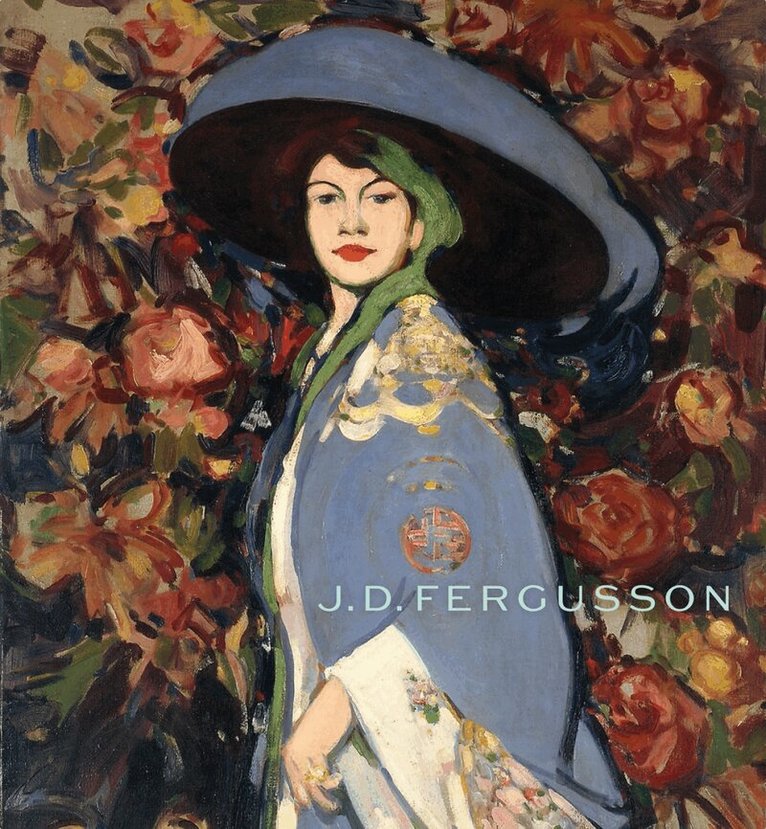
J.D. Fergusson
Av Alice Strang, Elizabeth Cumming m. fl.
Häftad, 2013
190 kr
Lägg i varukorg
J. D. Fergusson (1874-1961) is one of the four artists known as the Scottish Colourists, the others being F. C. B. Cadell, G. L. Hunter and S. J. Peploe. Fergusson was born in Leith, and was essentially a self-taught artist. In Paris 1907 he became involved with the avant-garde scene and exhibited …
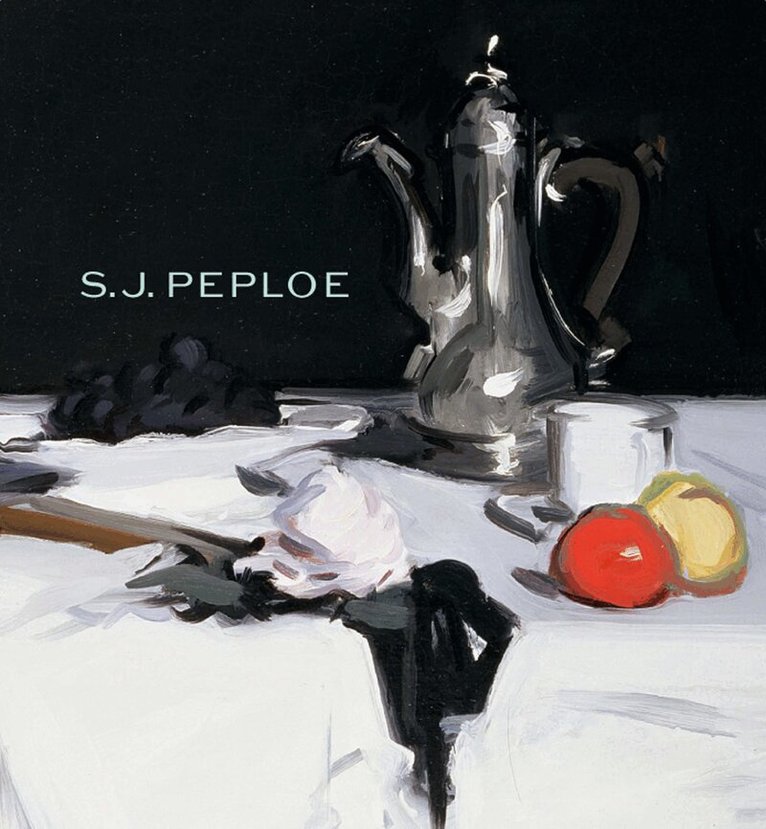
S. J. Peploe
Av Alice Strang, Frances Fowle m. fl.
Inbunden, 2012
429 kr
Tillfälligt slut
Samuel John Peploe (1871-1935) was the eldest of the four artists popularly known as "The Scottish Colourists." Born in Edinburgh, he was drawn to France and returned to paint there frequently, moving in 1910 to Paris, where he moved in artistic avant-garde circles. His painting style gave way to a …
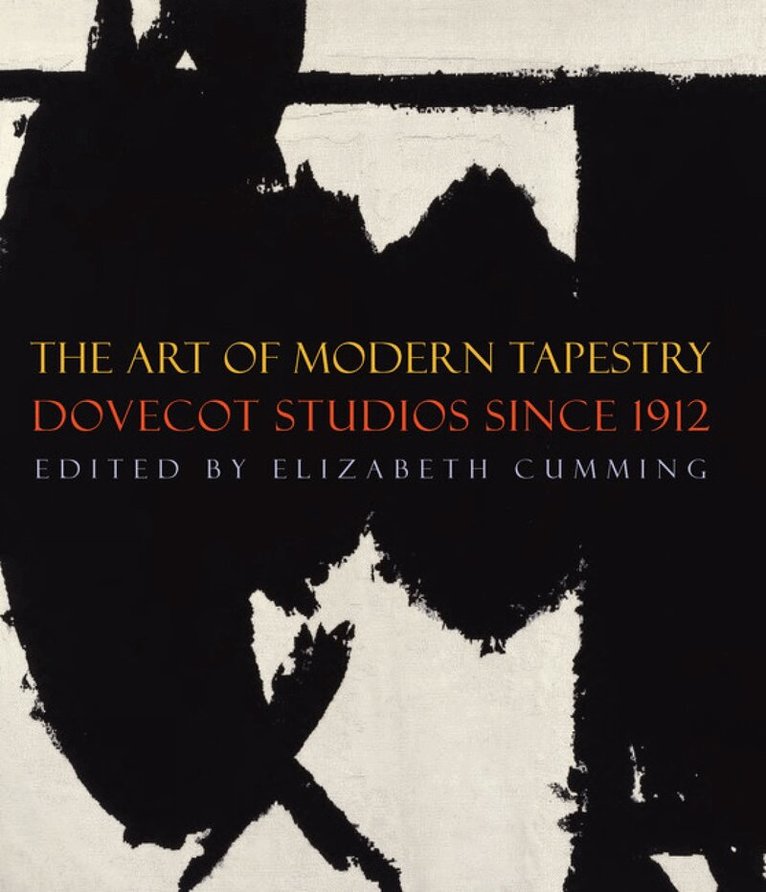
Art of Modern Tapestry
Dovecot Studios Since 1912
Inbunden, 2012
721 kr
Tillfälligt slut
Setting out to celebrate, document and discuss the work and role of an international tapestry workshop, Dovecot Studios, since its foundation in Edinburgh in 1912, this ground-breaking publication uniquely explores the artistic value, nature and identity of modern tapestry through images, essays …