Elizabeth Losh – författare
Visar alla böcker från författaren Elizabeth Losh. Handla med fri frakt och snabb leverans.
14 produkter
MOOCs and Their Afterlives
Experiments in Scale and Access in Higher Education
Häftad, 2017
341 kr
Lägg i varukorg
A trio of headlines in the Chronicle of Higher Education seem to say it all: in 2013, "A Bold Move Toward MOOCs Sends Shock Waves;" in 2014, "Doubts About MOOCs Continue to Rise," and in 2015, "The MOOC Hype Fades." At the beginning of the 2010s, MOOCs, or Massive Open Online Courses, seemed poised …
MOOCs and Their Afterlives
Experiments in Scale and Access in Higher Education
E-bok, 2017
740 kr
Lägg i varukorg
A trio of headlines in the Chronicle of Higher Education seem to say it all: in 2013, “A Bold Move Toward MOOCs Sends Shock Waves;” in 2014, “Doubts About MOOCs Continue to Rise,” and in 2015, “The MOOC Hype Fades.” At the beginning of the 2010s, MOOCs, or Massive Open Online Courses, seemed poised …
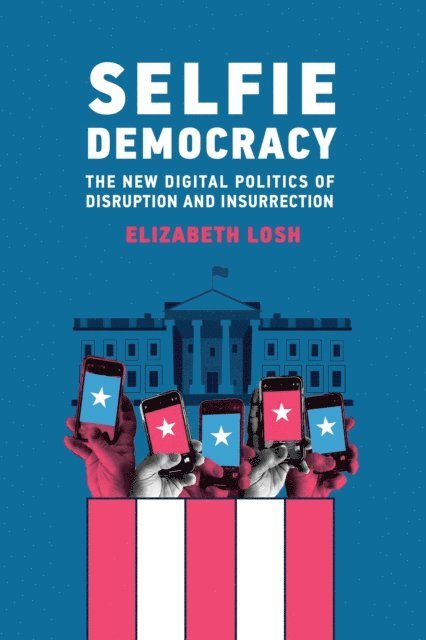
Selfie Democracy
The New Digital Politics of Disruption and Insurrection
Häftad, 2022
271 kr
Lägg i varukorg
How politicians’ digital strategies appeal to the same fantasies of digital connection, access, and participation peddled by Silicon Valley. Smartphones and other digital devices seem to give us a direct line to politicians. But is interacting with presidential tweets really a manifestation of …
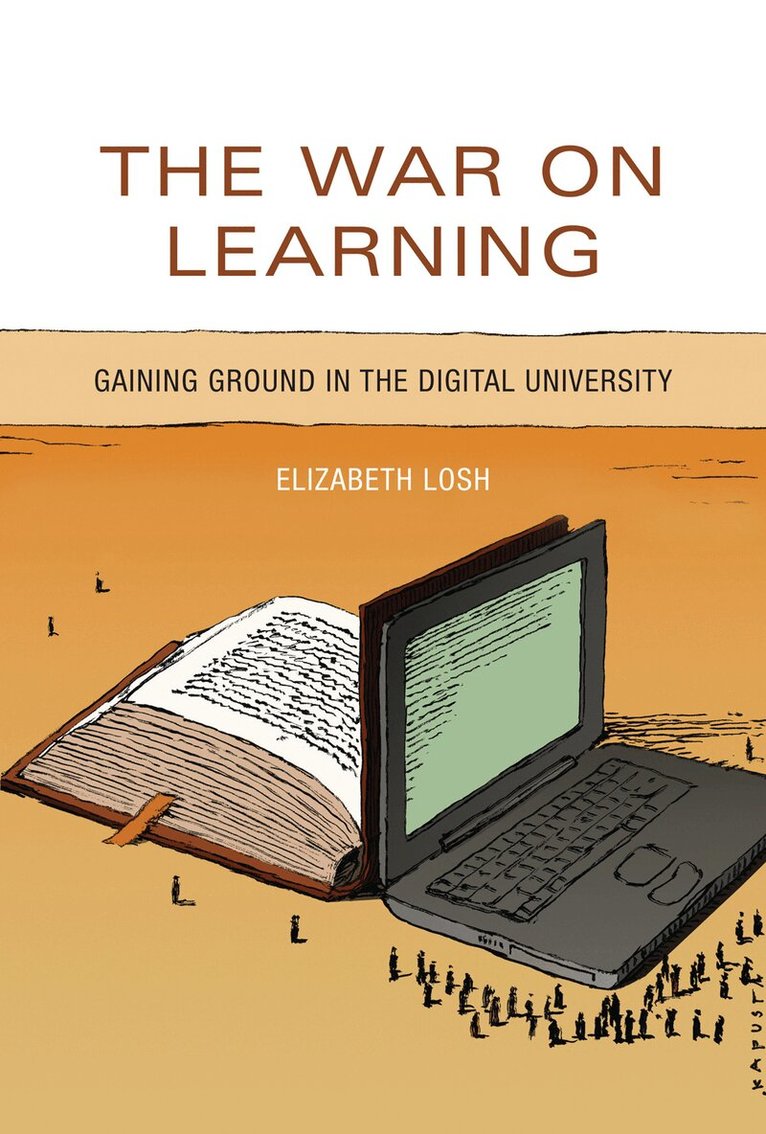
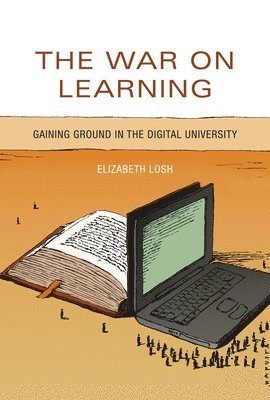
War on Learning
E-bok, 2014
412 kr
Lägg i varukorg
An examination of technology-based education initiatives—from MOOCs to virtual worlds—that argues against treating education as a product rather than a process. Behind the lectern stands the professor, deploying course management systems, online quizzes, wireless clickers, PowerPoint slides, …
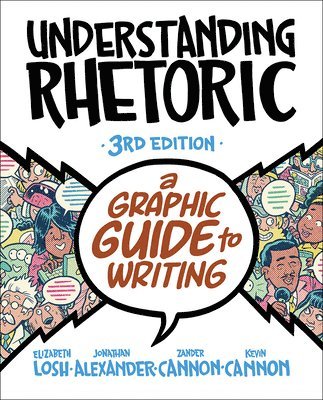
Understanding Rhetoric
A Graphic Guide to Writing
Av Elizabeth Losh, Zander Cannon m. fl.
Häftad, 2020
874 kr
Lägg i varukorg
Understanding Rhetoric is the first of its kind, illustrated guide to writing that delivers expert writing advice through engaging visuals.
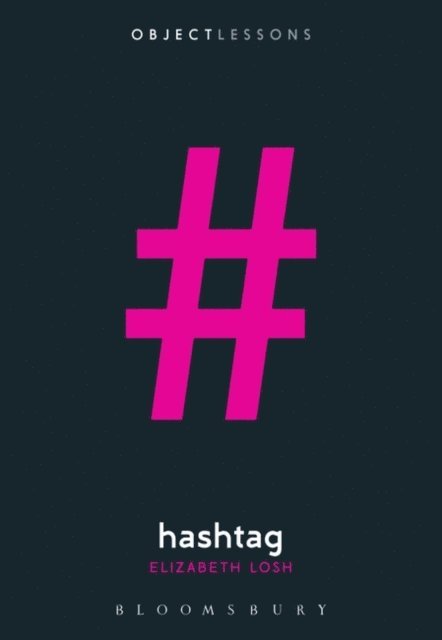
Hashtag
Av Elizabeth Losh, Christopher Schaberg m. fl.
Häftad, 2019
146 kr
Lägg i varukorg
Best Books of 2019—Scholarly KitchenObject Lessons is a series of short, beautifully designed books about the hidden lives of ordinary things.Hashtags can silence as well as shout. They originate in the quiet of the archive and the breathless suspense of the control room, and find voice in the roar …
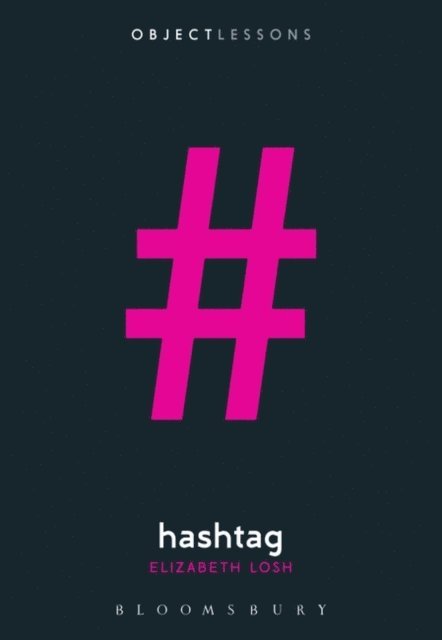
Hashtag
E-bok, 2019
176 kr
Lägg i varukorg
Best Books of 2019-Scholarly KitchenObject Lessons is a series of short, beautifully designed books about the hidden lives of ordinary things.Hashtags can silence as well as shout. They originate in the quiet of the archive and the breathless suspense of the control room, and find voice in the roar …
Hashtag
E-bok, 2019
174 kr
Lägg i varukorg
Best Books of 2019-Scholarly KitchenObject Lessons is a series of short, beautifully designed books about the hidden lives of ordinary things.Hashtags can silence as well as shout. They originate in the quiet of the archive and the breathless suspense of the control room, and find voice in the roar …
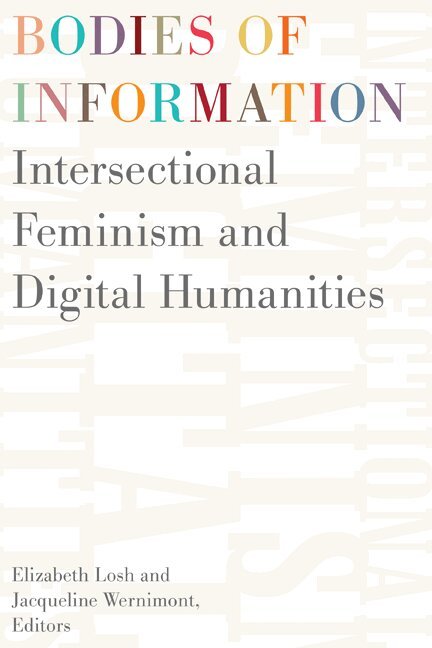
Bodies of Information
Intersectional Feminism and the Digital Humanities
Av Elizabeth Losh, Jacqueline Wernimont
Inbunden, 2019
1594 kr
Lägg i varukorg
A wide-ranging, interconnected anthology presents a diversity of feminist contributions to digital humanitiesIn recent years, the digital humanities has been shaken by important debates about inclusivity and scope—but what change will these conversations ultimately bring about? Can the digital …
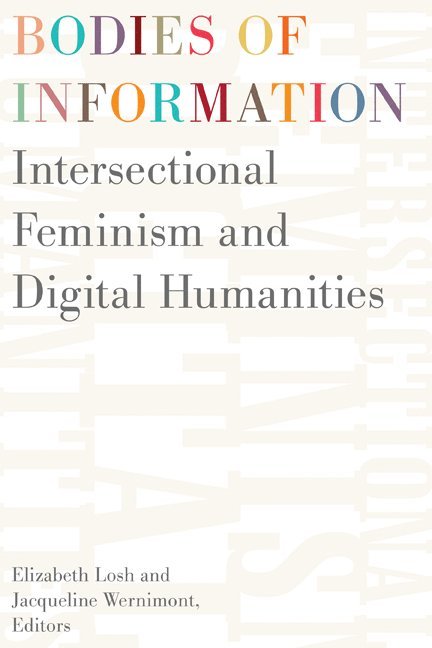
Bodies of Information
Intersectional Feminism and the Digital Humanities
Av Elizabeth Losh, Jacqueline Wernimont
Häftad, 2019
384 kr
Lägg i varukorg
A wide-ranging, interconnected anthology presents a diversity of feminist contributions to digital humanitiesIn recent years, the digital humanities has been shaken by important debates about inclusivity and scope—but what change will these conversations ultimately bring about? Can the digital …
Virtualpolitik
An Electronic History of Government Media-Making in a Time of War, Scandal, Disaster, Miscommunication, and Mistakes
Inbunden, 2009
295 kr
Tillfälligt slut