Elvis Imafidon - Böcker
Visar alla böcker från författaren Elvis Imafidon. Handla med fri frakt och snabb leverans.
10 produkter
10 produkter
649 kr
Skickas inom 10-15 vardagar
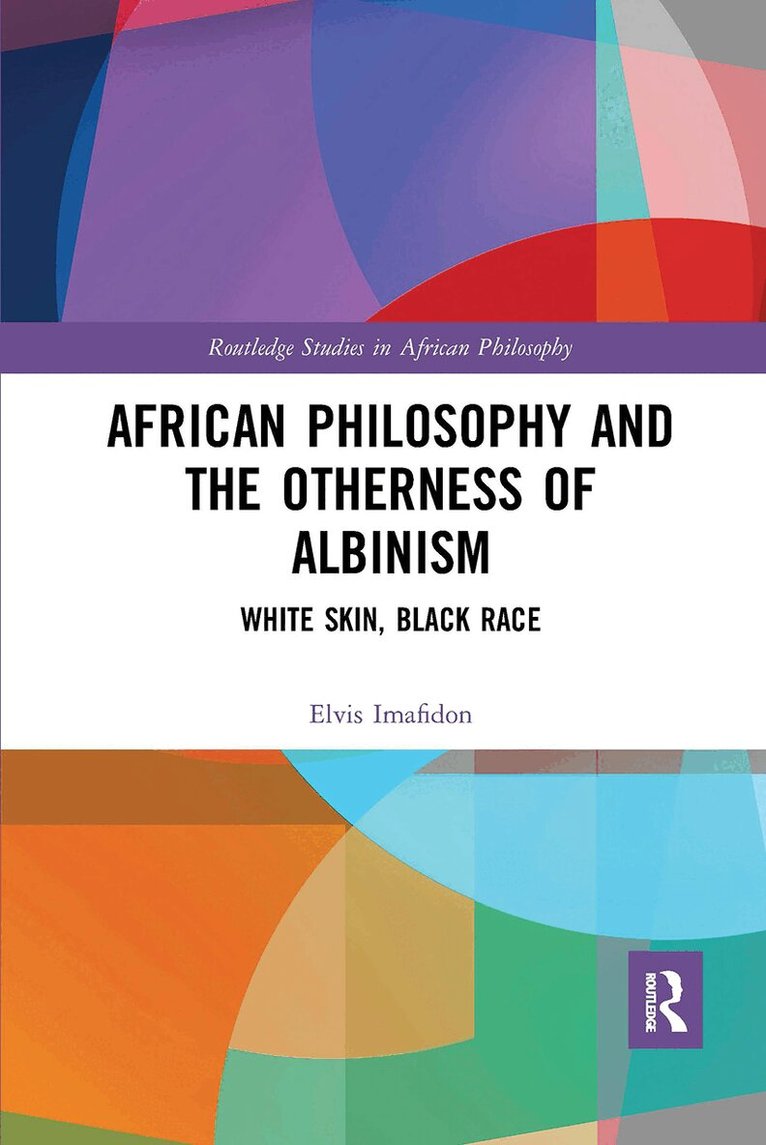
Albinism is one of the foremost disability and public health issues in Africa today. It often makes headlines in local, national and international medias and forms the basis for intense advocacy at all levels. This is primarily due to the harmful representations of persons with albinism deeply entrenched in African traditions. These deeply rooted ideologies about albinism in African thought have largely promoted the continuous discrimination, stigmatization, harming, killing, commodification and violation of the human rights of persons with albinism in African places. How has albinism emerged as a thick concept in African traditions? What are these deeply entrenched ideas about the ontology of albinism in African thought? What epistemic injustice has been done to persons with albinism in Africa places? Why do harmful beliefs about albinism still persist in modern African societies? How does the African communalistic ethic justify the harm done against persons with albinism? What is the duty to, and burden of, care for persons with albinism? What peculiar existential challenges do persons with albinism in general and females with albinism in particular face in African societies and how can they be overcome? What can be learnt from the education philosophy of reconstructionism and genetic engineering in improving the wellbeing of persons with albinism? African Philosophy and the Otherness of Albinism: White Skin, Black Race digs deep into these philosophical questions revealing fascinating but latent aspects of how albinism is understood in African places as a necessary step to take in improving the wellbeing and integrity of persons with albinism in Africa today.This book will be of interest to scholars and students of African philosophy, sociology, African studies and disability studies.
1 476 kr
Skickas inom 10-15 vardagar
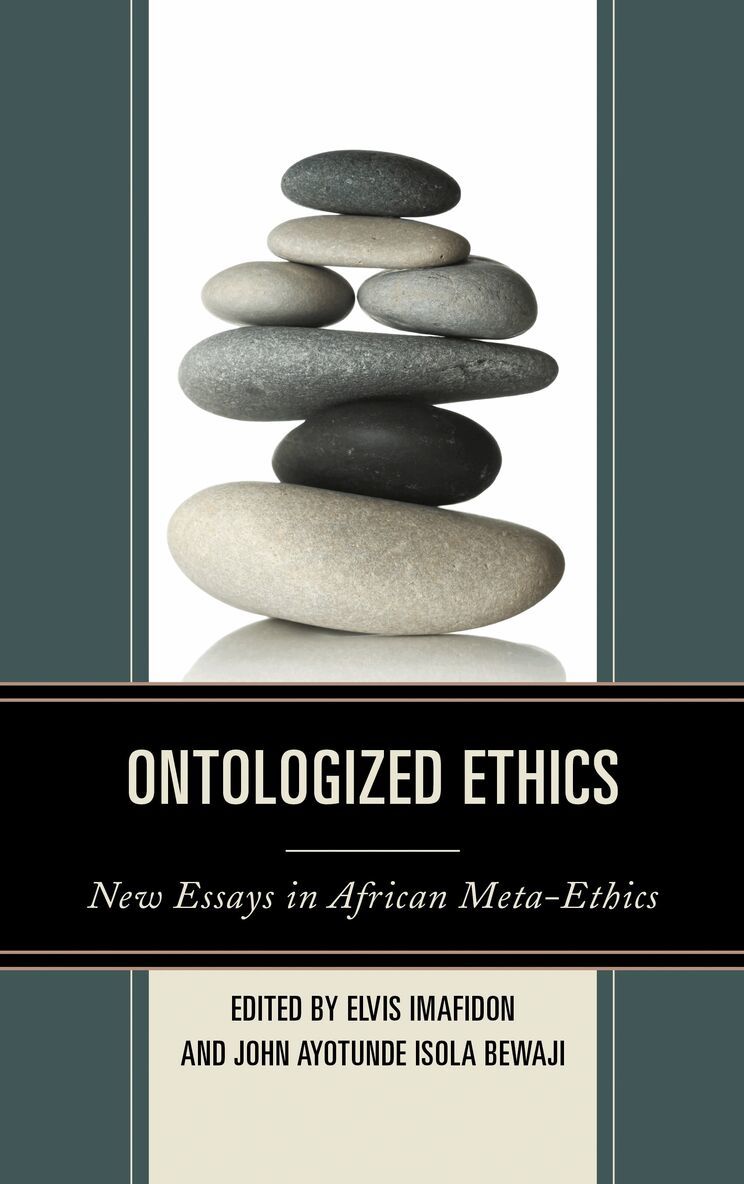
Ontologized Ethics: New Essays in African Meta-Ethics examines an often neglected meta-ethical issue in African philosophical discourse: the extent to which one’s orientation of being, or idea of what-is – as an individual or as a group of persons – does, or should, determine one’s concept of the good. To what extent is ethics, or our idea of what is permissible or impermissible, grounded on ideas of what fundamentally exists or what it means to be? The aim of this collection of essays, with emphasis on an African philosophical context, will be to establish more firmly and vigorously whether there is an intrinsic link between ontology and morality – that is, whether, and, if so, how the proper norms for human actions can be explained and validated once we make lucid ideas about metaphysical topics such as human nature, community, relationality and spirituality. The essays included in this volume focus rigorously on ethical issues such as communalism, adultery, environmental ethics, and bioethics with the primary aim of showing whether the link between such issues and metaphysical beliefs is trivial or intrinsic.
2 166 kr
Skickas inom 10-15 vardagar
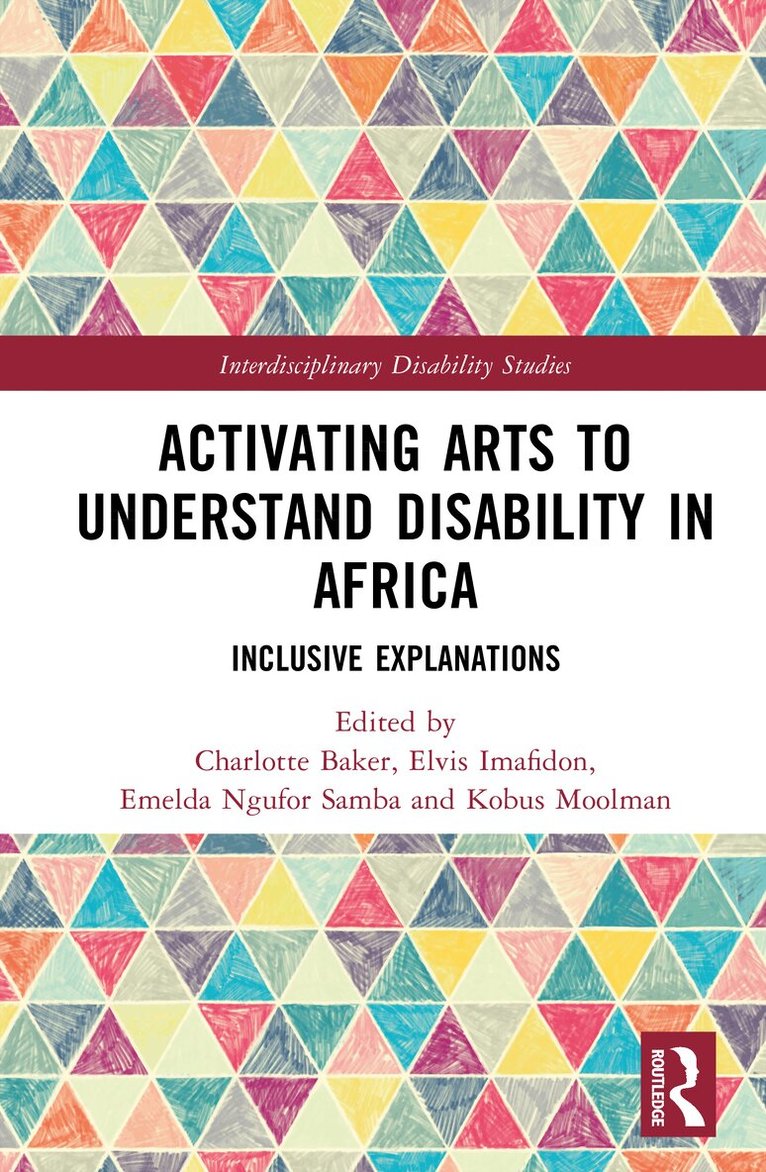
While Disability Studies has become more diversified in recent years, contemporary debates still favour the Northern Hemisphere, ignoring the lived experience of disabled people in much of the global South. Few theoretical studies pay sufficient attention to the range of beliefs and attitudes towards disability in specific African contexts, despite the fact that beliefs and explanations for disability permeate daily existence in sub-Saharan African places, and can have real consequences for persons with disabilities, leading to stigmatisation, marginalisation, and even violence.This volume is a timely intervention that seeks to address some of these imbalances and biases. Through frank life writing, evocative poetry, and critical reflections on African arts and literatures, the contributors highlight the urgent need for more culturally informed understandings of disability, as a means by which to challenge existing explanations. They examine the powerful role of different creative forms, tools, and methodologies in enhancing understandings of disability in African contexts.Demonstrating the power of cultural representation in building sensitivity to the range of issues related to disability, this book is of key relevance not just to scholars and students of disability studies, African studies, and sociology, but to all who seek to advocate for social change.The volume is a key outcome of the Disability and Inclusion Africa Network. It is edited by Charlotte Baker (Lancaster University, UK), Elvis Imafidon (SOAS, University of London, UK), Kobus Moolman (University of the Western Cape, South Africa), and Emelda Ngufor Samba (University of Yaoundé 1, Cameroon).
2 088 kr
Skickas inom 10-15 vardagar
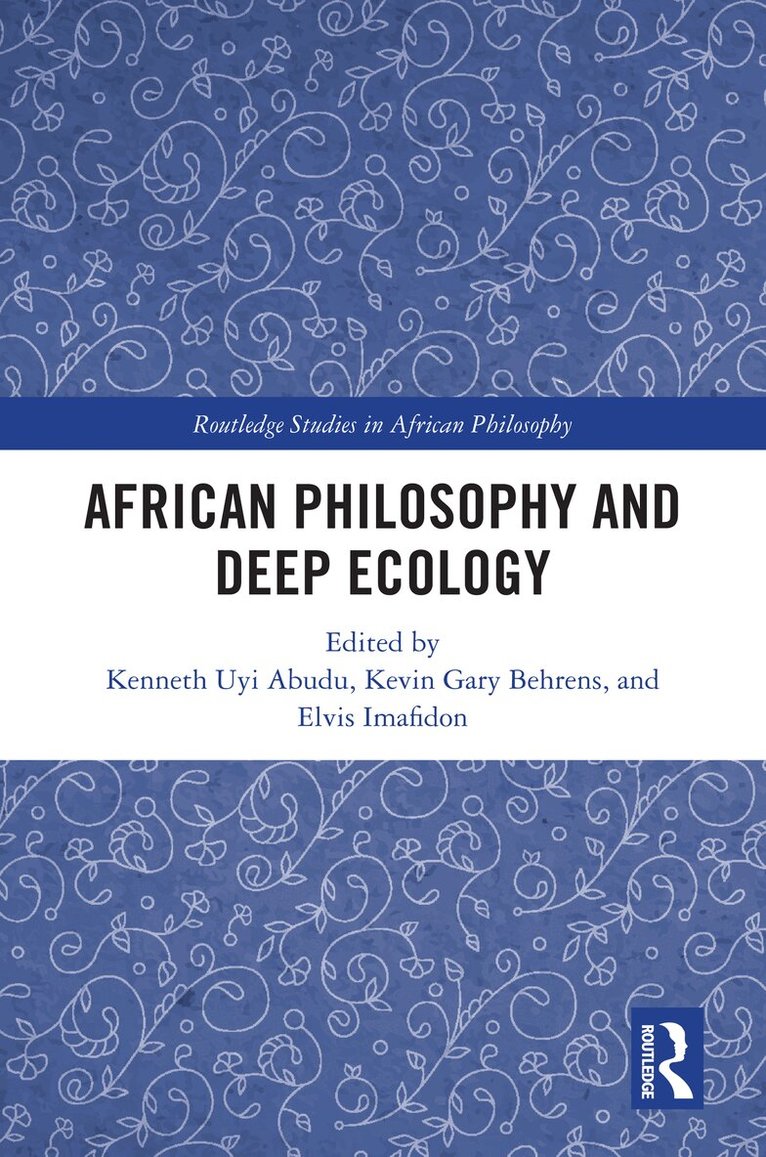
This book investigates African philosophical contributions to the concept of deep ecology, which advocates for rethinking human and non-human relationships within our ecosystems, by promoting the inherent and earned worth of all beings.With ecological crises impacting lives around the world, this book interrogates deep ecology thinking from African philosophical perspectives, highlighting the continent’s important ontological, epistemological, ethical, aesthetic, and broad philosophical contributions. The book investigates issues such as the eco-phenomenology of human / non-human animals’ relations, Ubuntu and the environment, the superiorist fallacy, environmental belongingness, the impact of colonization and modernity on non-human trauma, the politics of ecological narrative about African places, the question of moral status, African socialist perspectives, the question of degrowth, selective subordination, biodiversity loss, land ethics, the ontology of waste, and the concept of personhood in relation to global climate and ecological justice.Providing a significant intervention in our understanding of the ecological crises and our duties toward ecosystems and the non-human other in the twenty-first century, this book is an important read for researchers, advocates and other stakeholders working in the fields of environmental philosophy, climate change, indigenous studies, and African Studies.
2 103 kr
Skickas inom 10-15 vardagar
Albinism is one of the foremost disability and public health issues in Africa today. It often makes headlines in local, national and international medias and forms the basis for intense advocacy at all levels. This is primarily due to the harmful representations of persons with albinism deeply entrenched in African traditions. These deeply rooted ideologies about albinism in African thought have largely promoted the continuous discrimination, stigmatization, harming, killing, commodification and violation of the human rights of persons with albinism in African places. How has albinism emerged as a thick concept in African traditions? What are these deeply entrenched ideas about the ontology of albinism in African thought? What epistemic injustice has been done to persons with albinism in Africa places? Why do harmful beliefs about albinism still persist in modern African societies? How does the African communalistic ethic justify the harm done against persons with albinism? What is the duty to, and burden of, care for persons with albinism? What peculiar existential challenges do persons with albinism in general and females with albinism in particular face in African societies and how can they be overcome? What can be learnt from the education philosophy of reconstructionism and genetic engineering in improving the wellbeing of persons with albinism? African Philosophy and the Otherness of Albinism: White Skin, Black Race digs deep into these philosophical questions revealing fascinating but latent aspects of how albinism is understood in African places as a necessary step to take in improving the wellbeing and integrity of persons with albinism in Africa today.This book will be of interest to scholars and students of African philosophy, sociology, African studies and disability studies.
244 kr
Skickas inom 7-10 vardagar
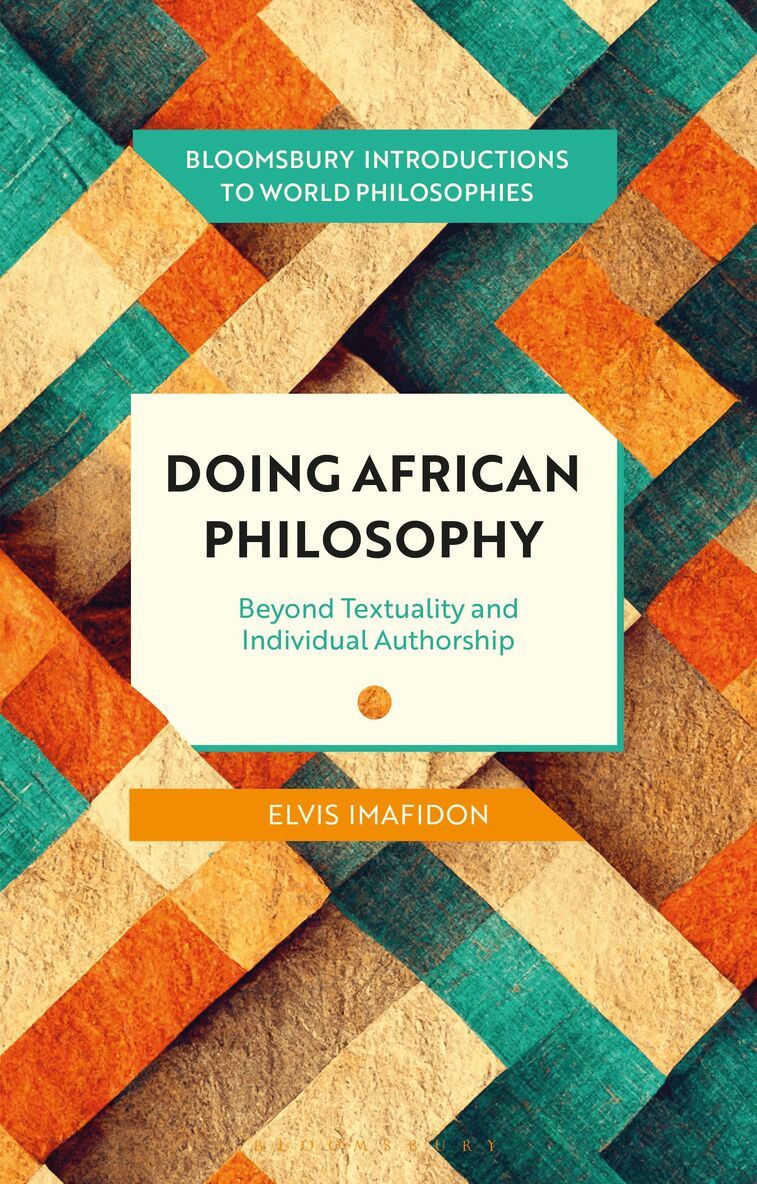
What defines a philosophical tradition? The primacy of the written text and individual authorship are two major defining and interwoven credentials that have been used to deny African philosophical thought prior to the postcolonial phase. In this significant contribution to the search for identity and authenticity of African philosophy, Elvis Imafidon questions the relevance of authorship and textuality in the production, storage and transmission of knowledge. Drawing from the rich and robust philosophical heritages of sub-Saharan African traditions, he showcases the many non-textual and textual ways philosophy is collaboratively and intersubjectively done and critiqued.His focus is on two major repositories of philosophical knowledges: orality and symbolism. Storytelling, adages, names and naming, folklores, proverbs and forms of symbolically encoded knowledges found in artefacts, symbols, textile patterns, motifs and corporeal and performative arts contest dominant narratives. They ask us to rethink the logic of binaries between literacy and illiteracy, text and non-text, and speech and writing.Paying close attention to the Binis and Esans in Southern Nigeria, the Akans and Gas in Ghana, the Shonas in Zimbabwe, and the Zulu people in South Africa, Imafidon affirms the place of orality, symbolic art and different indigenous methods for philosophising. Exploring the concept of street philosophy in Nigeria, we see how oral and symbolic forms of philosophizing persist in modern African societies.This much-needed book reclaims the voices, agency and narratives of African thought across history revealing the deeply embedded intersubjective and ecocentric Intellegence, and enigmatics of African philosophy. It challenges our understanding of the discipline of Philosophy and argues for an inclusive definition of philosophy in our trans-human, trans-textual age.
742 kr
Skickas inom 10-15 vardagar
What defines a philosophical tradition? The primacy of the written text and individual authorship are two major defining and interwoven credentials that have been used to deny African philosophical thought prior to the postcolonial phase. In this significant contribution to the search for identity and authenticity of African philosophy, Elvis Imafidon questions the relevance of authorship and textuality in the production, storage and transmission of knowledge. Drawing from the rich and robust philosophical heritages of sub-Saharan African traditions, he showcases the many non-textual and textual ways philosophy is collaboratively and intersubjectively done and critiqued.His focus is on two major repositories of philosophical knowledges: orality and symbolism. Storytelling, adages, names and naming, folklores, proverbs and forms of symbolically encoded knowledges found in artefacts, symbols, textile patterns, motifs and corporeal and performative arts contest dominant narratives. They ask us to rethink the logic of binaries between literacy and illiteracy, text and non-text, and speech and writing.Paying close attention to the Binis and Esans in Southern Nigeria, the Akans and Gas in Ghana, the Shonas in Zimbabwe, and the Zulu people in South Africa, Imafidon affirms the place of orality, symbolic art and different indigenous methods for philosophising. Exploring the concept of street philosophy in Nigeria, we see how oral and symbolic forms of philosophizing persist in modern African societies.This much-needed book reclaims the voices, agency and narratives of African thought across history revealing the deeply embedded intersubjective and ecocentric Intellegence, and enigmatics of African philosophy. It challenges our understanding of the discipline of Philosophy and argues for an inclusive definition of philosophy in our trans-human, trans-textual age.
Del 2 - Disability, Media, Culture
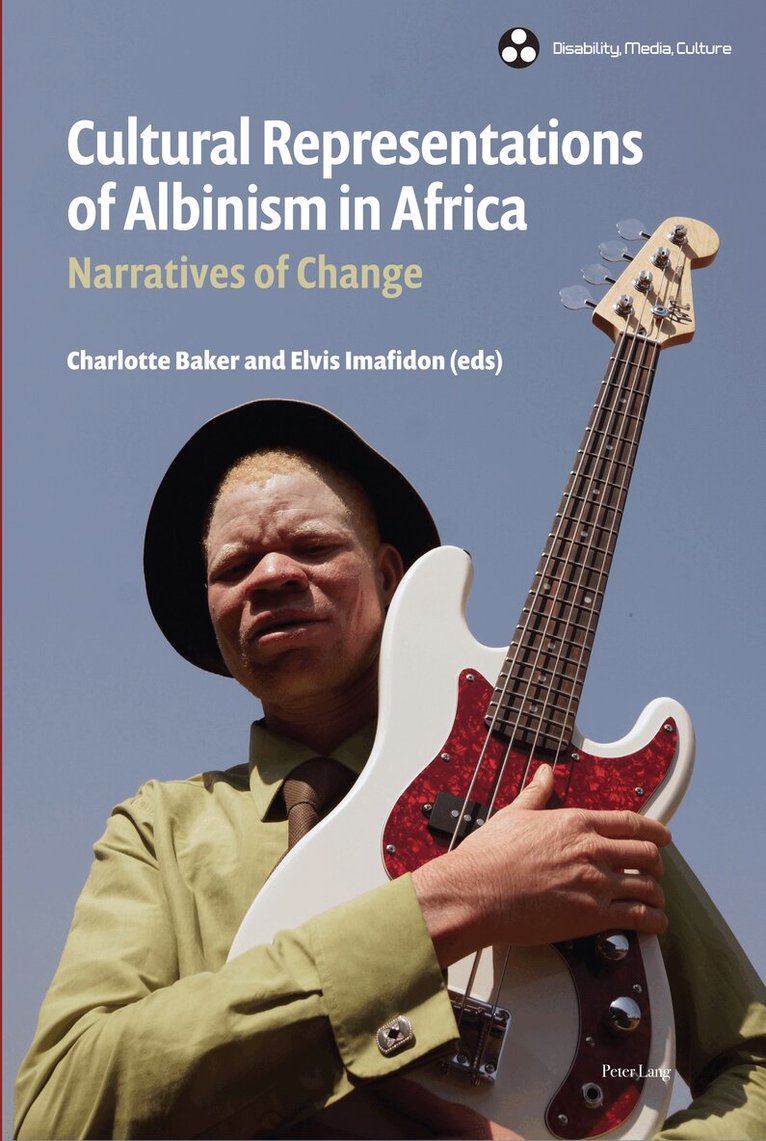
Cultural Representations of Albinism in Africa
Narratives of Change
Inbunden, Engelska, 2022
783 kr
Skickas inom 5-8 vardagar
«The authors in this inspiring volume focus on the socially transformative potential narrative has to shape understandings of albinism in Africa. Scholars and activists, they reflect on how traditional beliefs, literary fiction, radio, music, photography, film and the arts can bring about social change, and also educate publics about albinism.»(Carli Coetzee, Editor, Journal of African Cultural Studies)«Highly intriguing and skillfully nuanced, this book evaluates several methods of advocacy on behalf of people with albinism from Africa, who often face stigma and physical attacks. The result is a rich commentary on what has worked, what didn’t and why. This is recommended reading for anyone engaging in advocacy for any marginalized group in parts of Africa and elsewhere.»(Ikponwosa Ero, Former UN Independent Expert on the enjoyment of human rights by persons with albinism)The challenges currently faced by people with albinism in many African countries are increasingly becoming a focus of African writers, storytellers, artists and filmmakers across the continent. At the same time, a growing number of advocates and activists are taking account of the power of cultural representation and turning to the arts to convey important messages about albinism – and disability more broadly – to audiences locally and internationally. This volume focuses on the power of cultural representations of albinism, taking into account their real-world effects and implications. Contributions from academics and albinism advocates range across traditional beliefs, literature, radio, newsprint, the media, film and the arts for public engagement, contending that all forms of representation have an important role to play in building sensitivity to the issues related to albinism amongst national and international audiences. Contributors draw attention to the implications of different forms of cultural representation, the potential of these different forms to open up new discursive spaces for the expression of identities and the articulation or critique of particularly difficult issues, and their potential to evoke far-reaching social change.
3 147 kr
Skickas inom 10-15 vardagar
This handbook explores essential philosophical questions about the experience of difference and the other in African societies.
3 147 kr
Skickas inom 10-15 vardagar
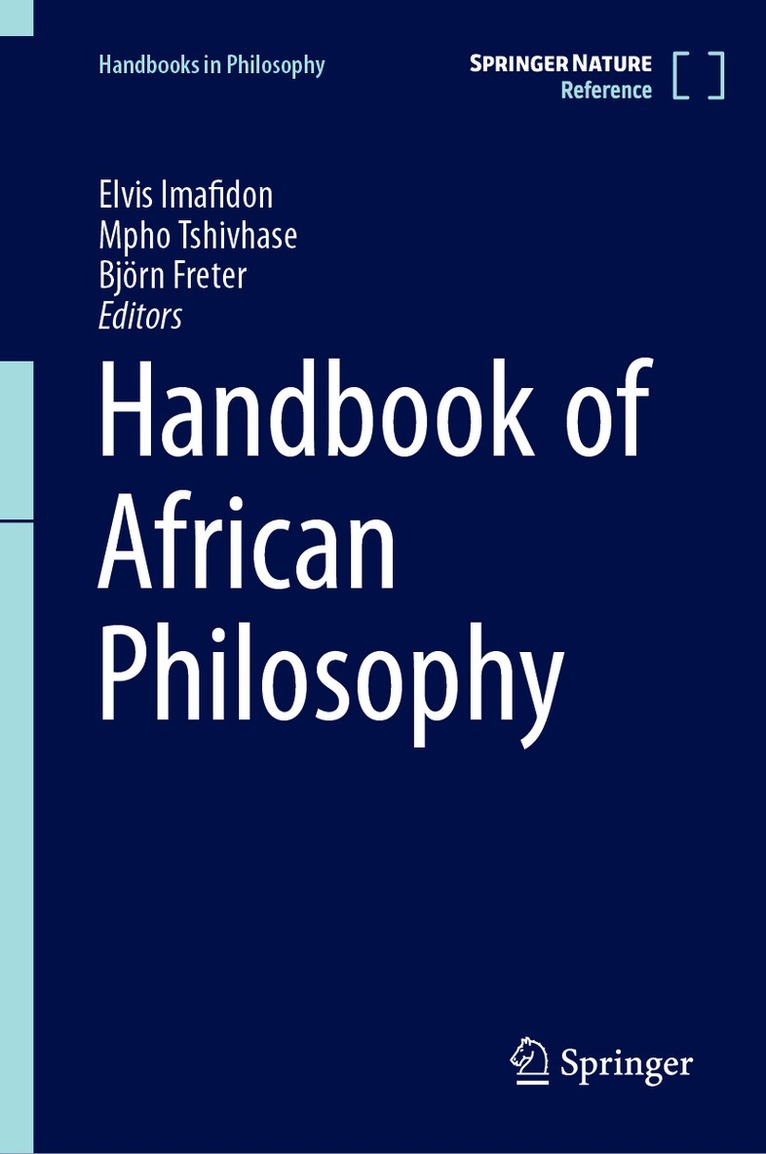
This Handbook provides in one volume rich, comprehensive and rigorous coverage of specific subject areas and thematic concerns in the ever-evolving academic discipline of African philosophy. This Handbook is unique in its focus on central and emerging areas within African philosophy such as Afro-communitarian philosophy, ethics, epistemology, social and political philosophy, existentialism, philosophy of religion, gender philosophy, philosophy of education, phenomenology, transhumanism, African philosophy futures, and philosophy of the non-human. The thirty-two chapters in this Handbook explore the rich textual and non-textual forms of philosophical knowledge in Africa and adequately represent the broad and diverse scope of African philosophy, showing the richness and depth of the philosophical tradition. This reference work is indispensable to students and researchers in African philosophy, comparative philosophy and world philosophies.