Elyse Semerdjian – författare
Visar alla böcker från författaren Elyse Semerdjian. Handla med fri frakt och snabb leverans.
4 produkter
4 produkter
328 kr
Skickas inom 10-15 vardagar
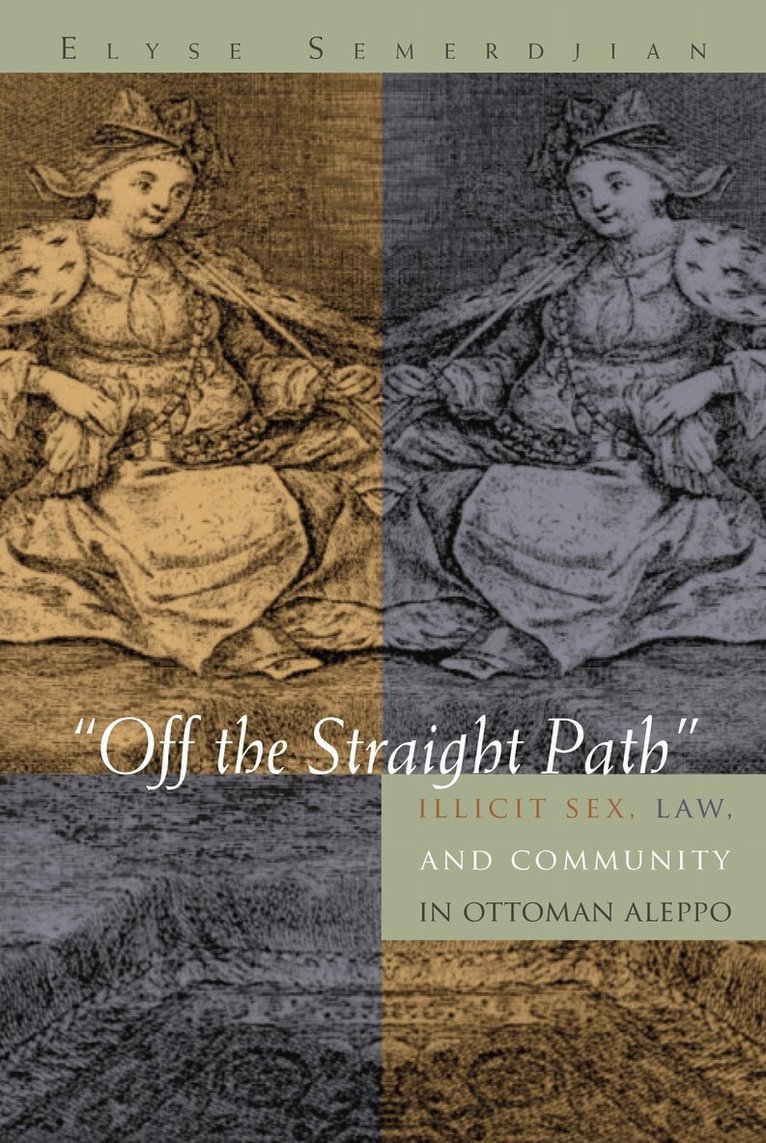
The legal treatment of sexual behavior is a subject that receives little scholarly attention in the field of Middle East women's studies. Important questions about the relationship between sexuality and the law and about the societies enforcing that relationship are rarely addressed in the current literature. Elyse Semerdjian's ""Off the Straight Path"" takes a bold step toward filling that gap, offering a fascinating look at the historical progression of Islamic law's treatment of illicit sex.Semerdjian provides a comprehensive review of the concept of zina, sexual indiscretion, exploring the diverse interpretation of zina crime as presented in a variety of sources from the Qur'an and hadith to legal literature. She then delves into the history of legal responses to zina within the specific community of Aleppo, Syria.Drawing on a wealth of shari 'a court records, Semerdjian brings to life Syrian society during the Ottoman period. With vivid detail, she describes specific women's lives and experiences as their cases are presented before the court. Semerdjian argues that the actual treatment of zina crimes in the courts differs substantially from sentences prescribed by codifed Islamic jurisprudence. In contrast to the violent corporal punishments dictated in the Islamic legal code, the courts often punished crimes of sexual indiscretion with nonviolent sentences, such as removal from the community. Employing exceptional insight, ""Off the Straight Path"" presents a powerful challenge to the traditional view of Islamic law, enabling a richer understanding of Islamic society.
257 kr
Skickas inom 7-10 vardagar
The legal treatment of sexual behavior is a subject that receives little scholarly attention in the field of Middle East women’s studies. Important questions about the relationship between sexuality and the law and about the societies enforcing that relationship are rarely addressed in the current literature. Elyse Semerdjian’s ""Off the Straight Path"" takes a bold step toward filling that gap, offering a fascinating look at the historical progression of Islamic law’s treatment of illicit sex.Semerdjian provides a comprehensive review of the concept of zina, sexual indiscretion, exploring the diverse interpretation of zina crime as presented in a variety of sources from the Qur’an and hadith to legal literature. She then delves into the history of legal responses to zina within the specific community of Aleppo, Syria. Drawing on a wealth of shari ’a court records, Semerdjian brings to life Syrian society during the Ottoman period. With vivid detail, she describes specific women’s lives and experiences as their cases are presented before the court. Semerdjian argues that the actual treatment of zina crimes in the courts differs substantially from sentences prescribed by codifed Islamic jurisprudence. In contrast to the violent corporal punishments dictated in the Islamic legal code, the courts often punished crimes of sexual indiscretion with nonviolent sentences, such as removal from the community. Employing exceptional insight, ""Off the Straight Path"" presents a powerful challenge to the traditional view of Islamic law, enabling a richer understanding of Islamic society.
1 365 kr
Skickas inom 7-10 vardagar
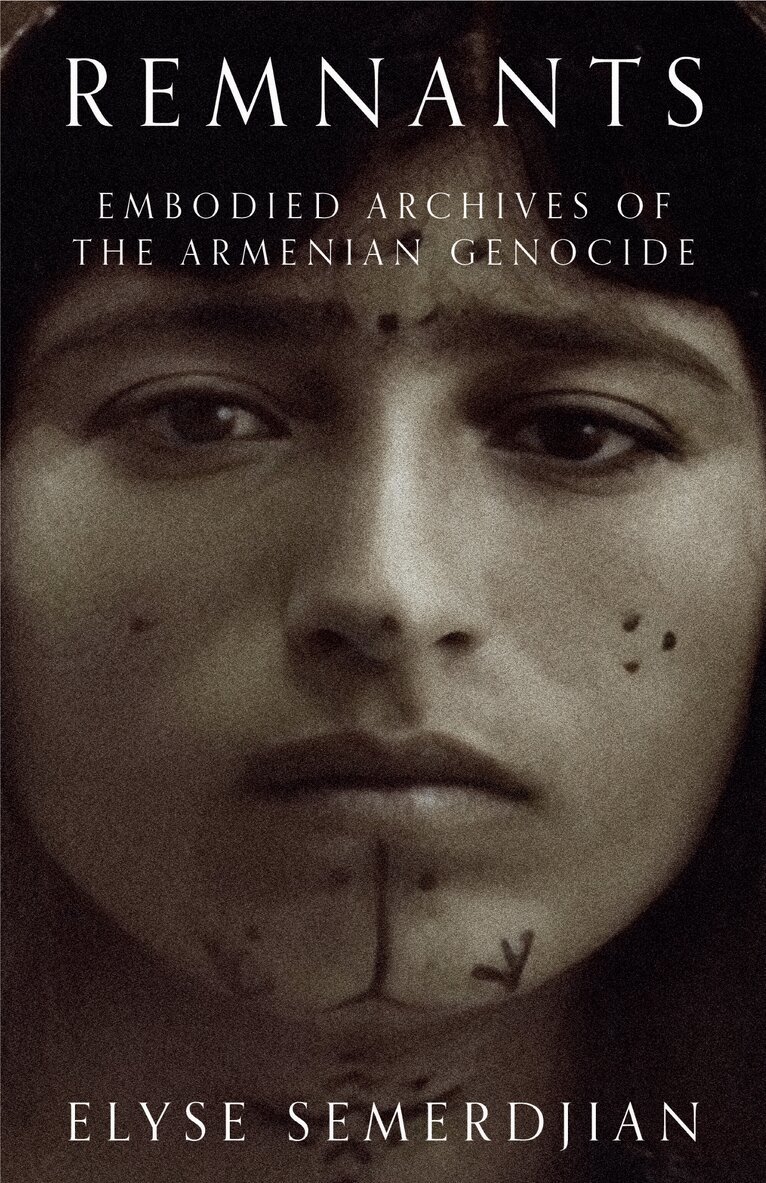
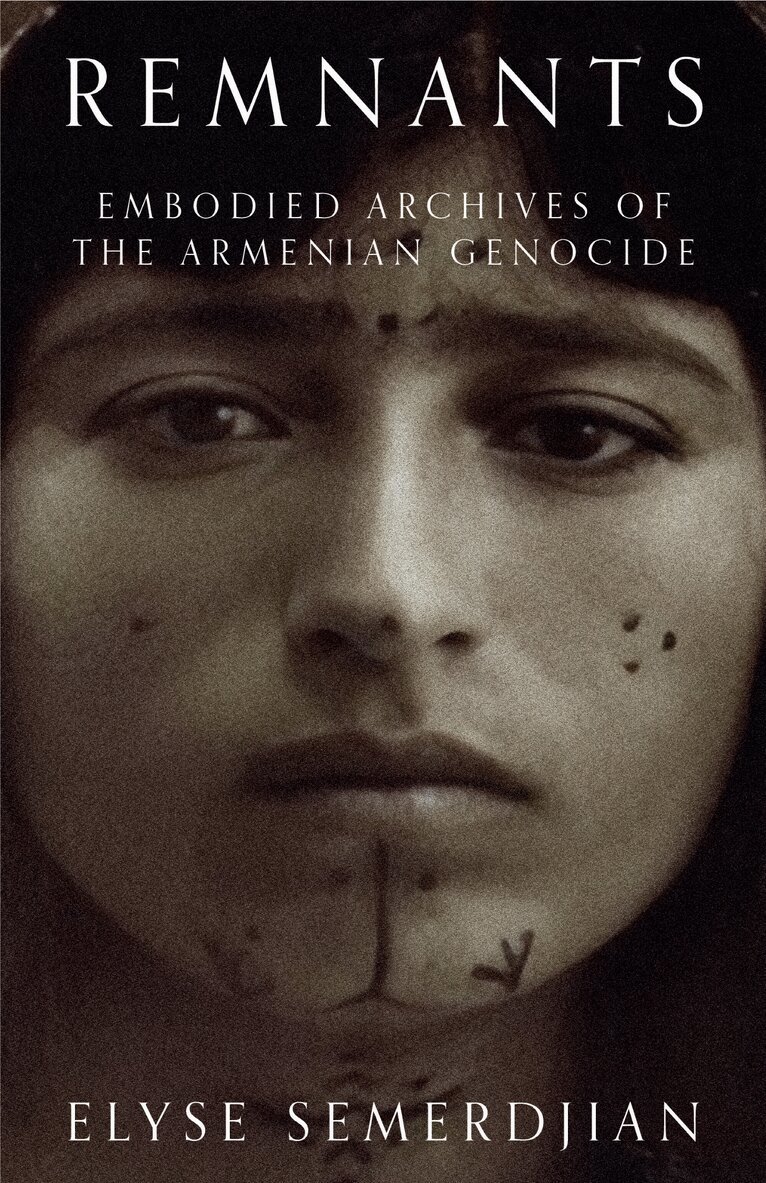
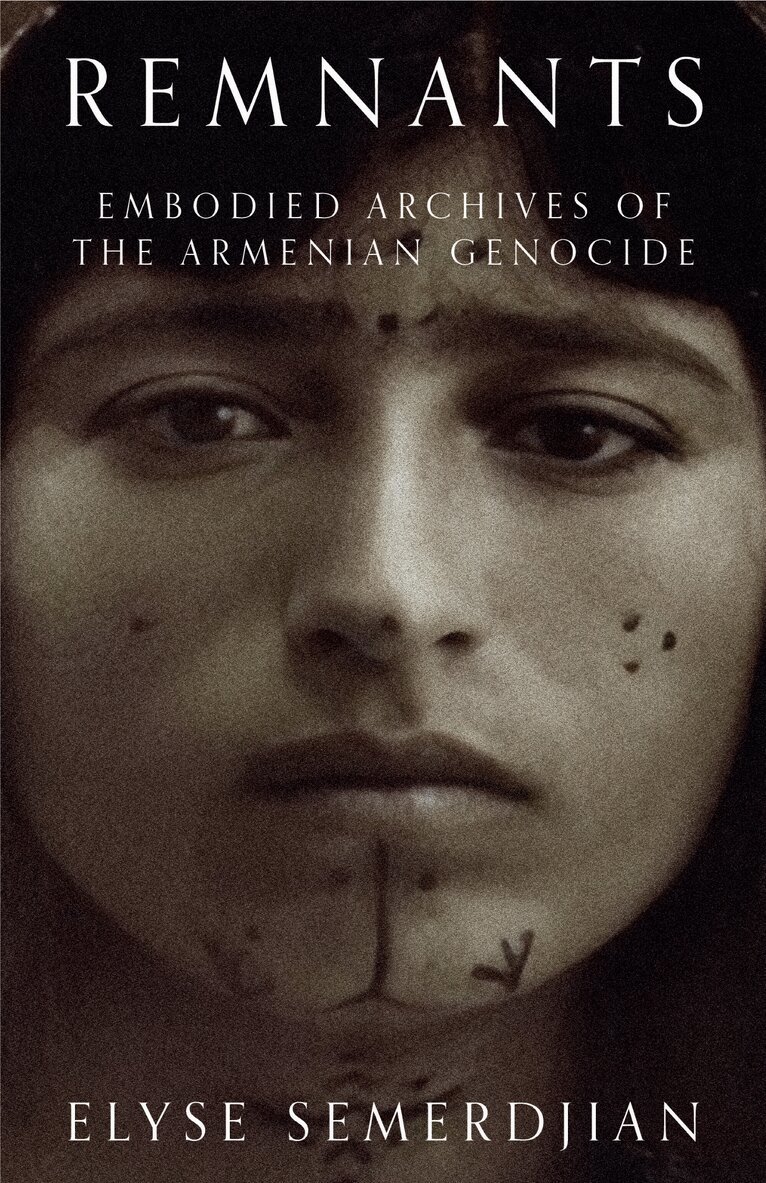
A groundbreaking and profoundly moving exploration of the Armenian genocide, told through the traces left in the memories and on the bodies of its women survivors.Foremost among the images of the Armenian Genocide is the specter of tattooed Islamized Armenian women. Blue tribal tattoos that covered face and body signified assimilation into Muslim Bedouin and Kurdish households. Among Armenians, the tattooed survivor was seen as a living ethnomartyr or, alternatively, a national stain, and the bodies of women and children figured centrally within the Armenian communal memory and humanitarian imaginary. In Remnants, these tattooed and scar-bearing bodies reveal a larger history, as the lived trauma of genocide is understood through bodies, skin, and—in what remains of those lives a century afterward—bones.With this book, Elyse Semerdjian offers a feminist reading of the Armenian Genocide. She explores how the Ottoman Armenian communal body was dis-membered, disfigured, and later re-membered by the survivor community. Gathering individual memories and archival fragments, she writes a deeply personal history, and issues a call to break open the archival record in order to embrace affect and memory. Traces of women and children rescued during and after the war are reconstructed to center the quietest voices in the historical record. This daring work embraces physical and archival remnants, the imprinted negatives of once living bodies, as a space of radical possibility within Armenian prosthetic memory and a necessary way to recognize the absence that remains.
333 kr
Skickas inom 7-10 vardagar
A groundbreaking and profoundly moving exploration of the Armenian genocide, told through the traces left in the memories and on the bodies of its women survivors.Foremost among the images of the Armenian Genocide is the specter of tattooed Islamized Armenian women. Blue tribal tattoos that covered face and body signified assimilation into Muslim Bedouin and Kurdish households. Among Armenians, the tattooed survivor was seen as a living ethnomartyr or, alternatively, a national stain, and the bodies of women and children figured centrally within the Armenian communal memory and humanitarian imaginary. In Remnants, these tattooed and scar-bearing bodies reveal a larger history, as the lived trauma of genocide is understood through bodies, skin, and—in what remains of those lives a century afterward—bones.With this book, Elyse Semerdjian offers a feminist reading of the Armenian Genocide. She explores how the Ottoman Armenian communal body was dis-membered, disfigured, and later re-membered by the survivor community. Gathering individual memories and archival fragments, she writes a deeply personal history, and issues a call to break open the archival record in order to embrace affect and memory. Traces of women and children rescued during and after the war are reconstructed to center the quietest voices in the historical record. This daring work embraces physical and archival remnants, the imprinted negatives of once living bodies, as a space of radical possibility within Armenian prosthetic memory and a necessary way to recognize the absence that remains.