Emiko Ohnuki-Tierney – författare
Visar alla böcker från författaren Emiko Ohnuki-Tierney. Handla med fri frakt och snabb leverans.
18 produkter
Kamikaze Diaries
Reflections of Japanese Student Soldiers
Häftad, 2007
220 kr
Lägg i varukorg
We tried to live with 120 percent intensity, rather than waiting for death. We read and read, trying to understand why we had to die in our early twenties. We felt the clock ticking away towards our death, every sound of the clock shortening our lives." So wrote Irokawa Daikichi, one of the many …
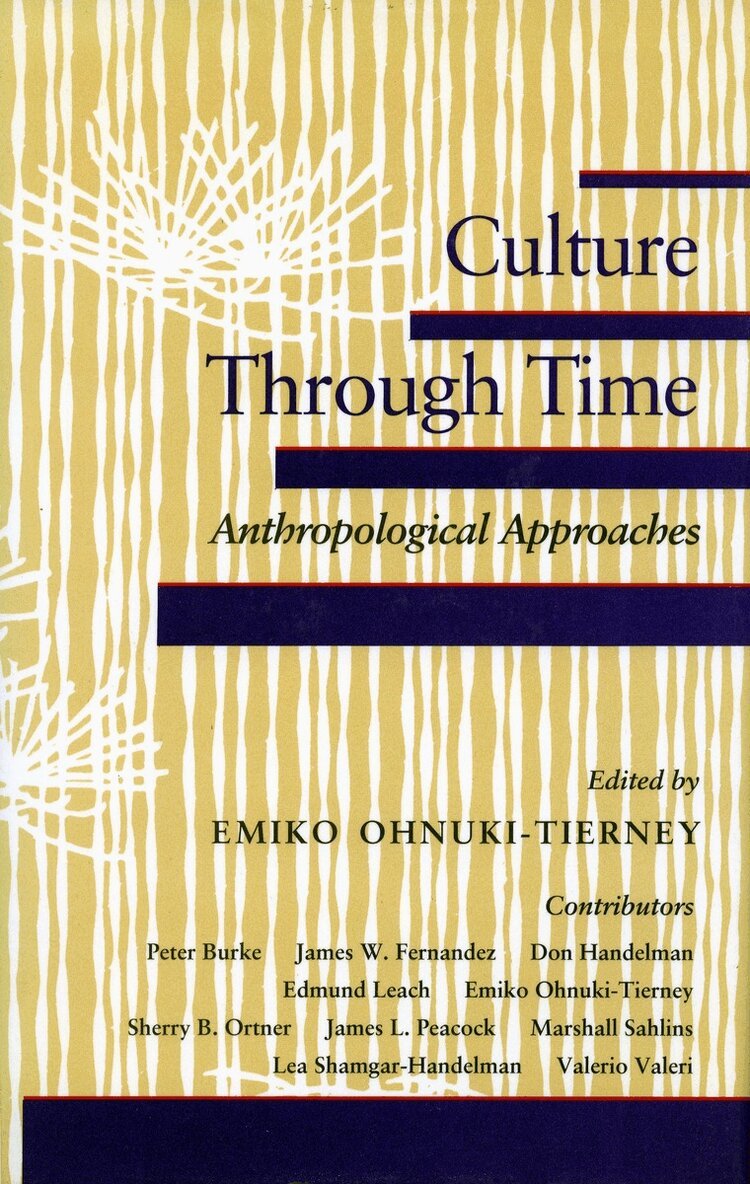
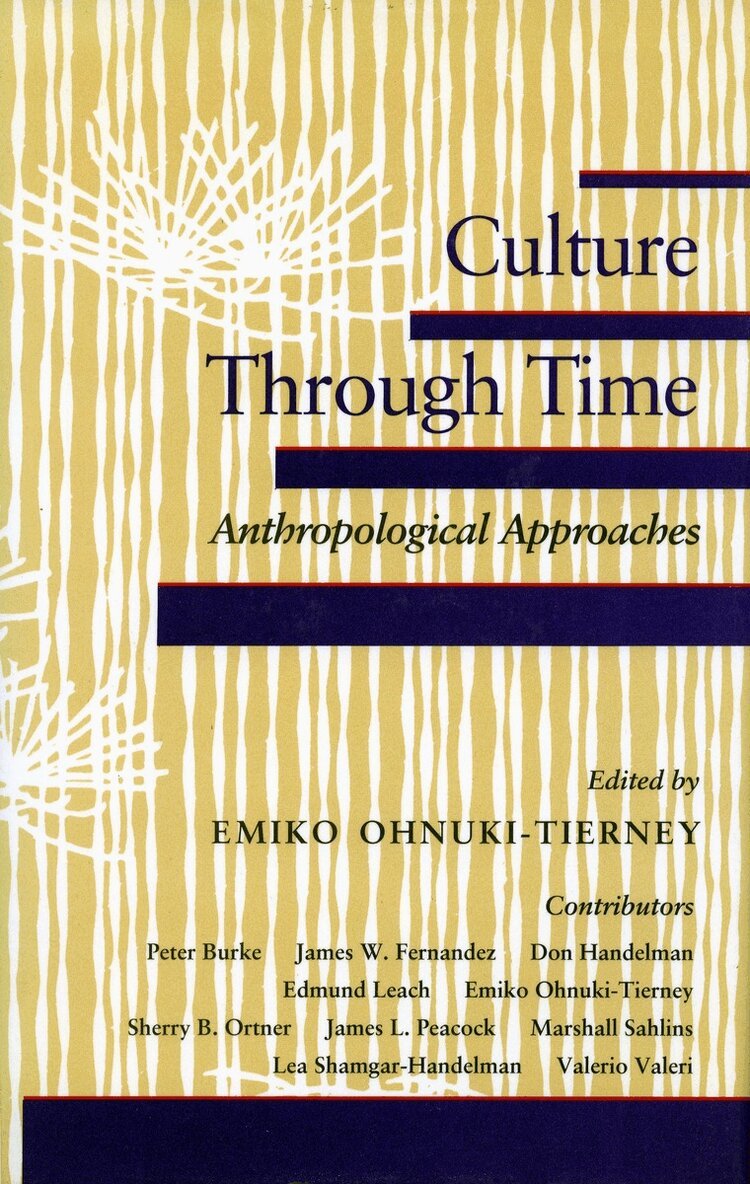
Culture Through Time
Anthropological Approaches
Häftad, 1991
414 kr
Lägg i varukorg
A Stanford University Press classic.
Kamikaze Diaries
Reflections of Japanese Student Soldiers
Inbunden, 2006
483 kr
Lägg i varukorg
We tried to live with 120 percent intensity, rather than waiting for death. We read and read, trying to understand why we had to die in our early twenties. We felt the clock ticking away towards our death, every sound of the clock shortening our lives." So wrote Irokawa Daikichi, one of the many …
Kamikaze, Cherry Blossoms, and Nationalisms
The Militarization of Aesthetics in Japanese History
E-bok, 2010
761 kr
Lägg i varukorg
Why did almost one thousand highly educated "student soldiers" volunteer to serve in Japan''s tokkotai (kamikaze) operations near the end of World War II, even though Japan was losing the war? In this fascinating study of the role of symbolism and aesthetics in totalitarian ideology, Emiko …
Kamikaze, Cherry Blossoms, and Nationalisms
The Militarization of Aesthetics in Japanese History
Häftad, 2002
352 kr
Lägg i varukorg
Why did almost one thousand highly educated "student scholars" volunteer to serve in Japan's "tokkotai" (kamikaze) operations near the end of World War II, even though Japan was losing the war? Did they embody the imperial ideology both in thought and in action? In this study of the role of …
Illness and Culture in Contemporary Japan
An Anthropological View
Häftad, 1984
422 kr
Lägg i varukorg
Health care in contemporary Japan - a modern industrial state with high technology, but a distinctly non-Western cultural tradition - operates on several different levels. In this book Emiko Ohnuki-Tierney provides a detailed and historically informed account of the cultural practices and cultural …
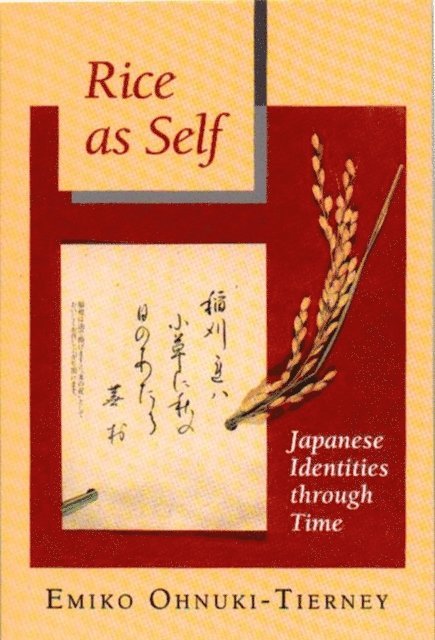
Rice as Self
Japanese Identities through Time
Häftad, 1994
435 kr
Lägg i varukorg
Are we what we eat? What does food reveal about how we live and how we think of ourselves in relation to others? Why do people have a strong attachment to their own cuisine and an aversion to the foodways of others? In this engaging account of the crucial significance rice has for the Japanese, …
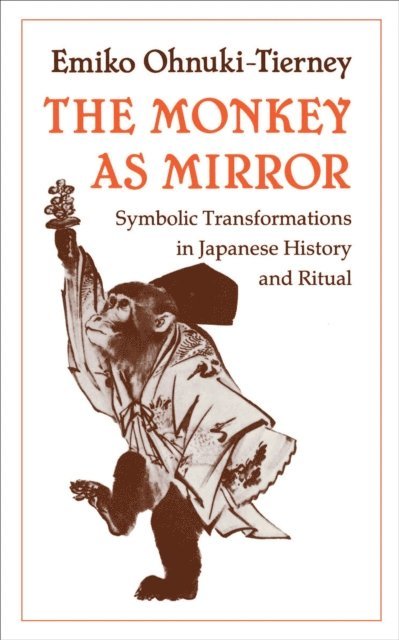
Monkey as Mirror
Symbolic Transformations in Japanese History and Ritual
Häftad, 1989
529 kr
Lägg i varukorg
This tripartite study of the monkey metaphor, the monkey performance, and the 'special status' people traces changes in Japanese culture from the eighth century to the present. During early periods of Japanese history the monkey's nearness to the human-animal boundary made it a revered mediator or …
Monkey as Mirror
Symbolic Transformations in Japanese History and Ritual
E-bok, 2020
713 kr
Lägg i varukorg
This tripartite study of the monkey metaphor, the monkey performance, and the ''special status'' people traces changes in Japanese culture from the eighth century to the present. During early periods of Japanese history the monkey''s nearness to the human-animal boundary made it a revered mediator …
Culture Through Time
Anthropological Approaches
Inbunden, 1991
1701 kr
Lägg i varukorg
A Stanford University Press classic.
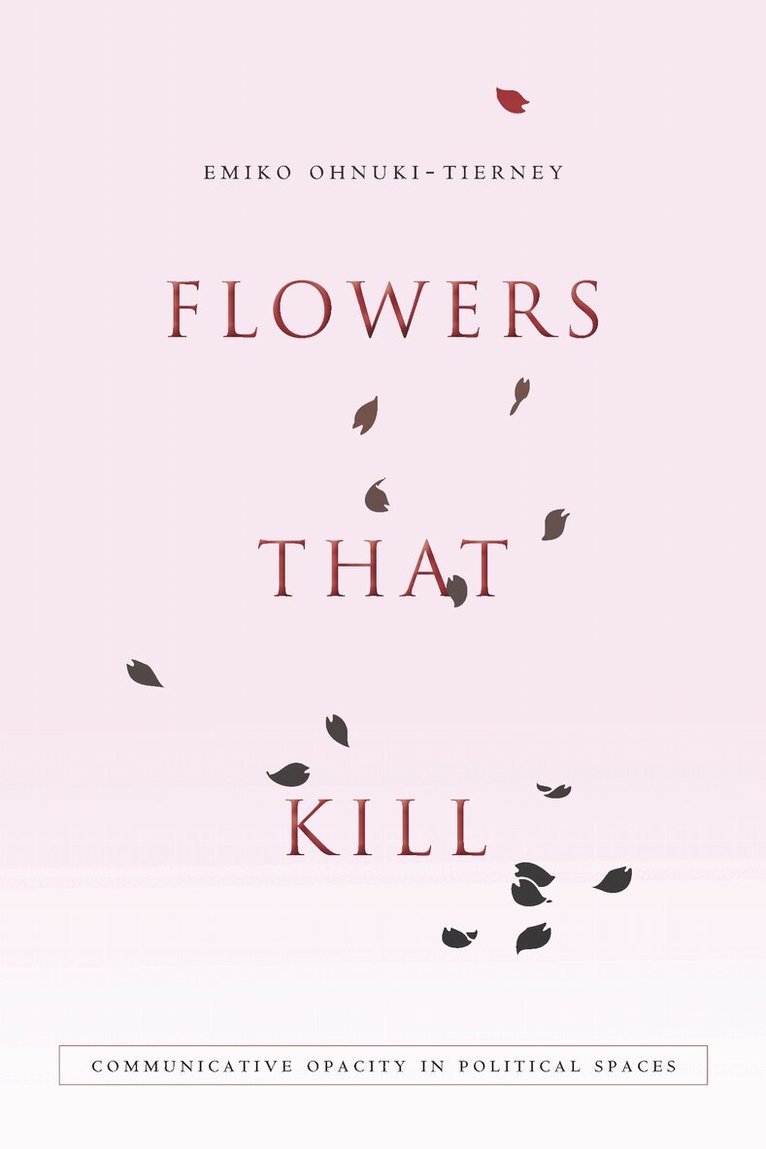
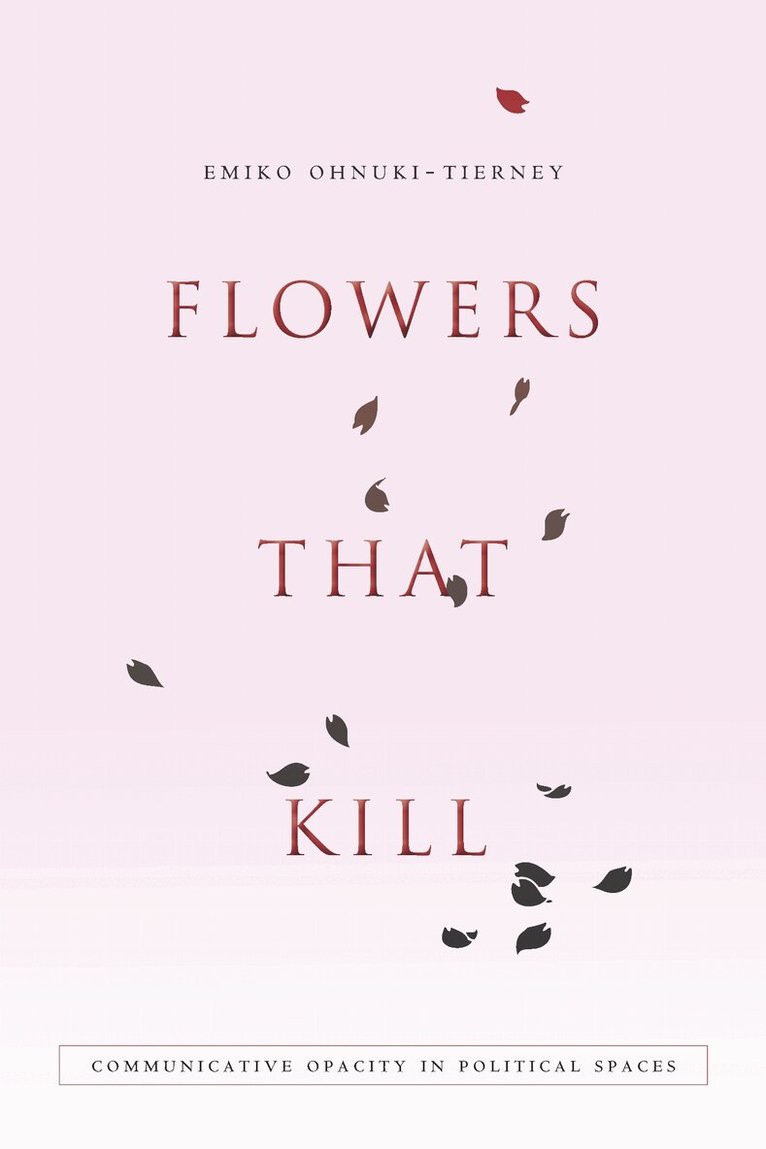
Flowers That Kill
Communicative Opacity in Political Spaces
Häftad, 2015
344 kr
Lägg i varukorg
Flowers are beautiful. People often communicate their love, sorrow, and other feelings to each other by offering flowers, like roses. Flowers can also be symbols of collective identity, as cherry blossoms are for the Japanese. But, are they also deceptive? Do people become aware when their meaning …
Flowers That Kill
Communicative Opacity in Political Spaces
E-bok, 2015
407 kr
Lägg i varukorg
Flowers are beautiful. People often communicate their love, sorrow, and other feelings to each other by offering flowers, like roses. Flowers can also be symbols of collective identity, as cherry blossoms are for the Japanese. But, are they also deceptive? Do people become aware when their meaning …
Illness and Healing among the Sakhalin Ainu
A Symbolic Interpretation
Häftad, 2014
557 kr
Lägg i varukorg
Originally published in 1981, this book explores the issue of how a society understands human illness in the absence of a germ theory. This is done through an interpretation of the illness categories and healing practices of the Sakhalin Ainu, a hunting and gathering people resettled in Japan. The …
Rice as Self
Japanese Identities through Time
E-bok, 1994
599 kr
Lägg i varukorg
Are we what we eat? What does food reveal about how we live and how we think of ourselves in relation to others? Why do people have a strong attachment to their own cuisine and an aversion to the foodways of others? In this engaging account of the crucial significance rice has for the Japanese, …
Representations of “Japanese Nature”
A Historical Overview
Inbunden, 2025
1921 kr
Lägg i varukorg
“Nature” as a concept and word is extremely elusive, yet it is commonly taken for granted that “the pristine nature” is “out there.” This book explores the factors that have naturalized the idea of nature as “pristine” into our psyche, and as something that has a spatial, visual, and temporal …
Representations of “Japanese Nature”
A Historical Overview
Häftad, 2025
454 kr
Lägg i varukorg
“Nature” as a concept and word is extremely elusive, yet it is commonly taken for granted that “the pristine nature” is “out there.” This book explores the factors that have naturalized the idea of nature as “pristine” into our psyche, and as something that has a spatial, visual, and temporal …
Kamikazes, fleurs de cerisiers et nationalisme
E-bok, 2014
542 kr
Lägg i varukorg
La guerre du Pacifique s’est finie tragiquement avec l’opération Tokkotai, sans précédent dans l’histoire, qui a envoyé des milliers de jeunes hommes à la mort. Parmi eux, environ un millier étaient des étudiants provenant des meilleures universités, diplômés précocement afin d’être mobilisés. …
Flowers That Kill
Communicative Opacity in Political Spaces
Inbunden, 2015
1462 kr
Tillfälligt slut
Flowers are beautiful. People often communicate their love, sorrow, and other feelings to each other by offering flowers, like roses. Flowers can also be symbols of collective identity, as cherry blossoms are for the Japanese. But, are they also deceptive? Do people become aware when their meaning …