Emily Baragwanath – författare
Visar alla böcker från författaren Emily Baragwanath. Handla med fri frakt och snabb leverans.
9 produkter
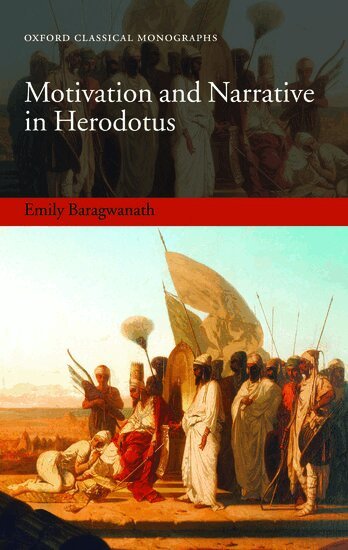
Motivation and Narrative in Herodotus
E-bok, 2008
759 kr
Lägg i varukorg
In his extraordinary story of the defence of Greece against the Persian invasions of 490-480 BC, Herodotus sought to communicate not only what happened, but also the background of thoughts and perceptions that shaped those events and became critical to their interpretation afterwards. Much as the …
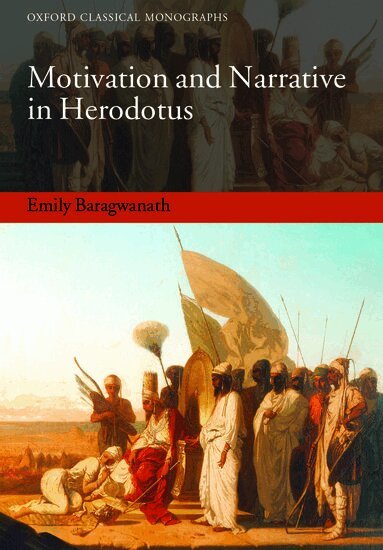
Motivation and Narrative in Herodotus
E-bok, 2008
759 kr
Lägg i varukorg
In his extraordinary story of the defence of Greece against the Persian invasions of 490-480 BC, Herodotus sought to communicate not only what happened, but also the background of thoughts and perceptions that shaped those events and became critical to their interpretation afterwards. Much as the …
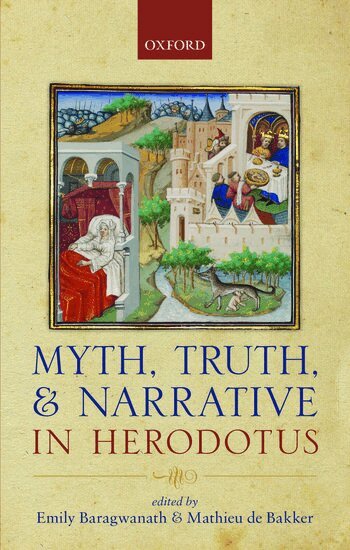
Myth, Truth, and Narrative in Herodotus
Av Mathieu de Bakker, Emily Baragwanath
E-bok, 2012
1539 kr
Lägg i varukorg
Herodotus, the ''Father of History'', is infamously known for having employed elements more akin to mythological tales than to unvarnished ''truth'' in translating his historical research into narrative form. While these narratives provide valuable source material, he could not have surmised the …
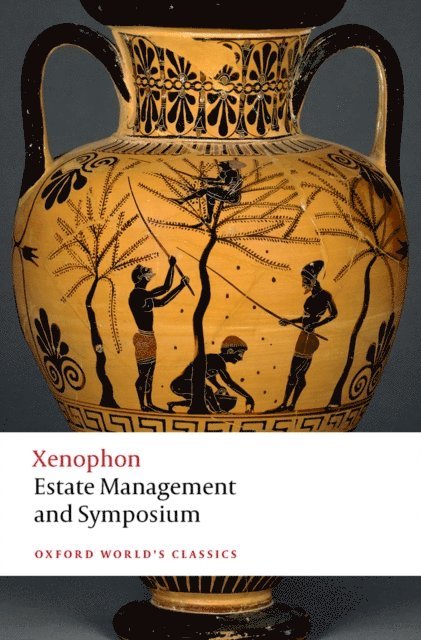
Estate Management and Symposium
Av Xenophon, Emily Baragwanath
E-bok, 2025
95 kr
Lägg i varukorg
Xenophon was acknowledged in Antiquity as a philosopher, a historian (third in the triad of great Classical historians, alongside Herodotus and Thucydides), and a literary artist. His narrative was appreciated for its literary qualities including its charm, wit, vigour, and sweetness (for which he …
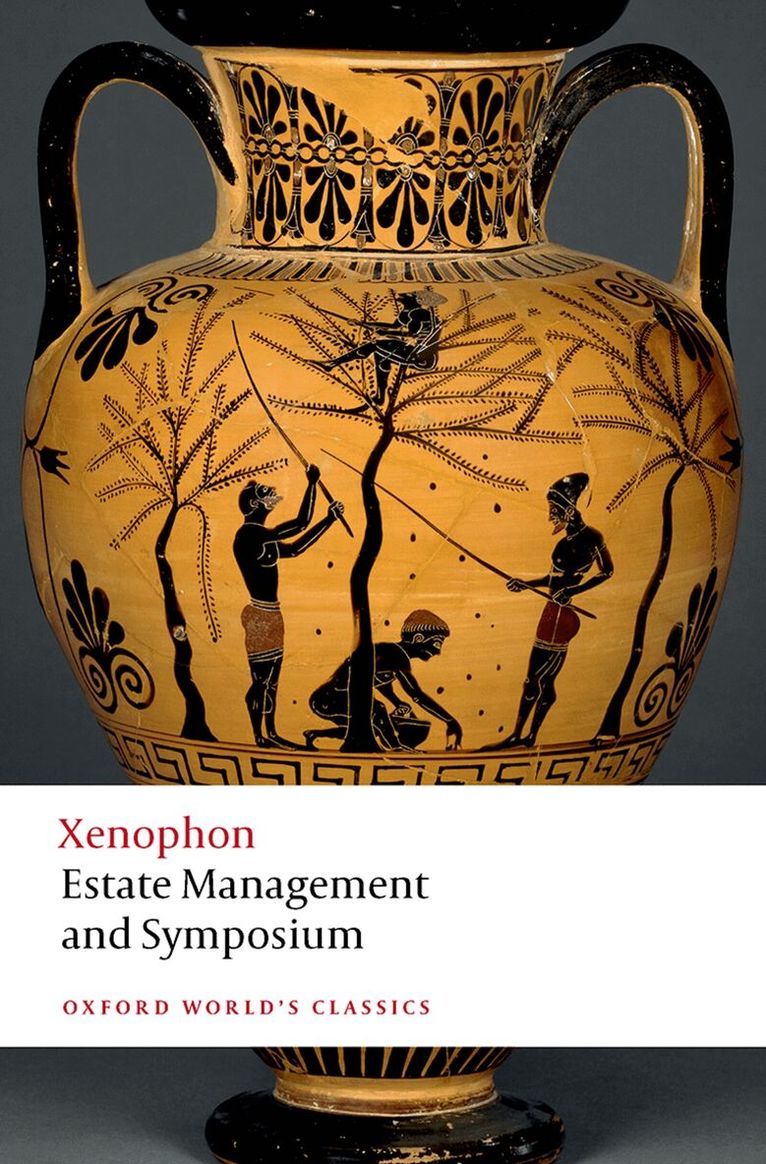
Estate Management and Symposium
Av Xenophon, Emily Baragwanath
E-bok, 2022
95 kr
Lägg i varukorg
Xenophon was acknowledged in Antiquity as a philosopher, a historian (third in the triad of great Classical historians, alongside Herodotus and Thucydides), and a literary artist. His narrative was appreciated for its literary qualities including its charm, wit, vigour, and sweetness (for which he …
Estate Management and Symposium
Av Xenophon, Emily Baragwanath
Häftad, 2022
105 kr
Lägg i varukorg
Xenophon was acknowledged in Antiquity as a philosopher, a historian (third in the triad of great Classical historians, alongside Herodotus and Thucydides), and a literary artist. His narrative was appreciated for its literary qualities including its charm, wit, vigour, and sweetness (for which he …
Motivation and Narrative in Herodotus
Inbunden, 2008
2801 kr
Lägg i varukorg
In his extraordinary story of the defence of Greece against the Persian invasions of 490-480 BC Herodotus sought to communicate not only what happened, but also the background of thoughts and perceptions that shaped those events and became critical to their interpretation afterwards. Much as the …
Motivation and Narrative in Herodotus
Häftad, 2012
1041 kr
Lägg i varukorg
In his extraordinary story of the defence of Greece against the Persian invasions of 490-480 BC, Herodotus sought to communicate not only what happened, but also the background of thoughts and perceptions that shaped those events and became critical to their interpretation afterwards. Much as the …
Myth, Truth, and Narrative in Herodotus
Av BARAGWANATH, Emily Baragwanath m. fl.
Inbunden, 2012
2389 kr
Lägg i varukorg
Herodotus, the 'Father of History', is infamously known for having employed elements more akin to mythological tales than to unvarnished 'truth' in translating his historical research into narrative form. While these narratives provide valuable source material, he could not have surmised the …