Emily Beaulieu - Böcker
Visar alla böcker från författaren Emily Beaulieu. Handla med fri frakt och snabb leverans.
5 produkter
5 produkter
875 kr
Skickas inom 7-10 vardagar
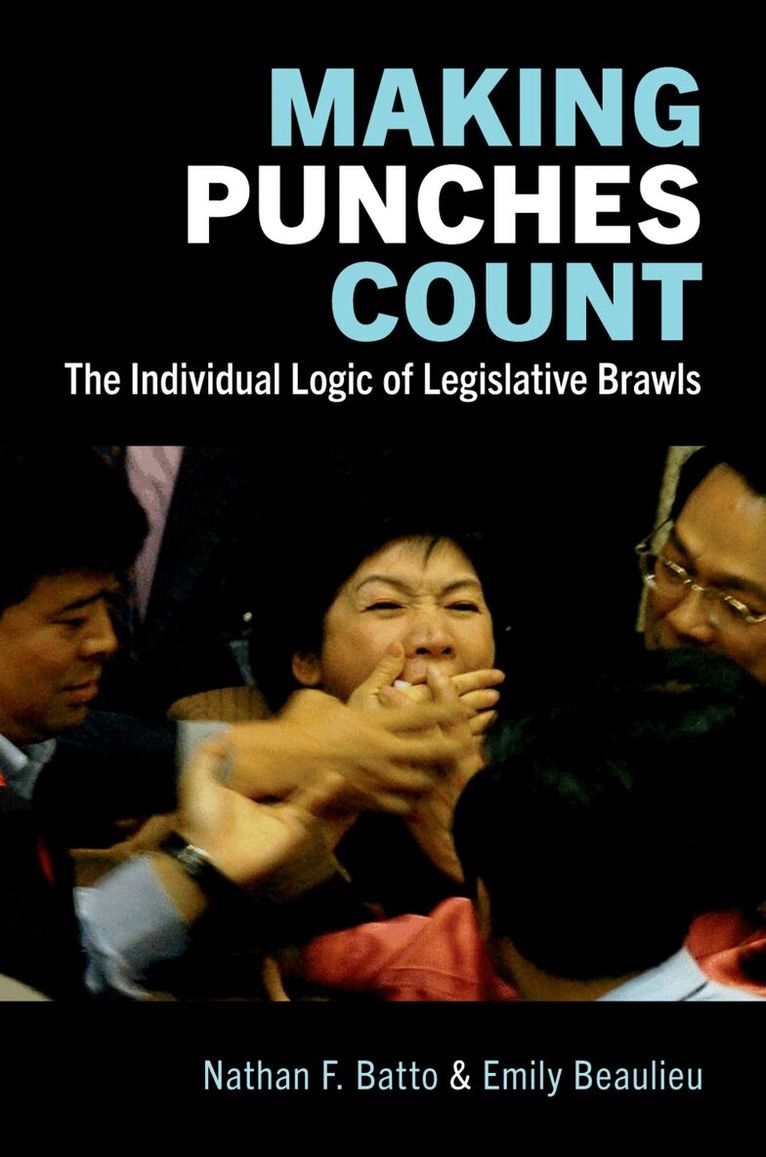
In Making Punches Count, the first comprehensive account of legislative floor violence and its consequences, Nathan Batto and Emily Beaulieu focus on recent episodes from a wide variety of countries, including Turkey, South Korea, Taiwan, Ukraine, Mexico, Uganda, and others. What do cultures of legislative brawling tell us about the health of democracy in a given country? Are the brawls mere fits of passion, or is there a deeper logic at work? Bacchus and Batto argue that legislative brawls are, in fact, calculated acts that serve the interests of the legislators who engage in them. Beginning from the incentives driving lawmakers in different party systems and drawing on both signaling theory and theories of contentious politics, they develop a powerful explanation of why individual legislators choose to brawl. As they show, brawls are more common in younger democracies, particularly ones with high levels of corruption, but sometimes there are contextual factors that make violence an attractive strategy even to legislators in long-established democracies. Ultimately, brawls should be seen as calculated acts of political violence initiated by legislators to advance their careers. Legislators can strategically use brawling to send costly signals to the actors--both opponents and allies--who will have the most influence over their political fortunes. A genuinely novel account of why conflict can reach such extreme levels in democracies, the book also sheds light on the structural mechanisms that drive politicians to violence in settings where we least expect it.
278 kr
Skickas inom 5-8 vardagar
In Making Punches Count, the first comprehensive account of legislative floor violence and its consequences, Nathan Batto and Emily Beaulieu focus on recent episodes from a wide variety of countries, including Turkey, South Korea, Taiwan, Ukraine, Mexico, Uganda, and others. What do cultures of legislative brawling tell us about the health of democracy in a given country? Are the brawls mere fits of passion, or is there a deeper logic at work? Bacchus and Batto argue that legislative brawls are, in fact, calculated acts that serve the interests of the legislators who engage in them. Beginning from the incentives driving lawmakers in different party systems and drawing on both signaling theory and theories of contentious politics, they develop a powerful explanation of why individual legislators choose to brawl. As they show, brawls are more common in younger democracies, particularly ones with high levels of corruption, but sometimes there are contextual factors that make violence an attractive strategy even to legislators in long-established democracies. Ultimately, brawls should be seen as calculated acts of political violence initiated by legislators to advance their careers. Legislators can strategically use brawling to send costly signals to the actors--both opponents and allies--who will have the most influence over their political fortunes. A genuinely novel account of why conflict can reach such extreme levels in democracies, the book also sheds light on the structural mechanisms that drive politicians to violence in settings where we least expect it.
1 034 kr
Skickas inom 7-10 vardagar
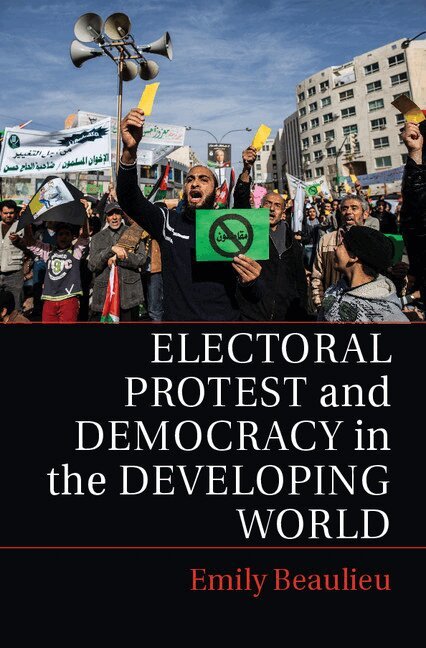
This book shows that the third wave of democracy has been accompanied by a worldwide wave of opposition-initiated, election-related protests. Such electoral protests result from a failure on the part of incumbent and opposition elites in the developing world to negotiate acceptable terms of electoral conduct, and their consequences for democracy depend on the context in which they occur. Where election boycotts receive international support, they increase the probability of democratic reform, but where support is primarily domestic, there is a higher probability of authoritarian backsliding. Based on an extensive new data set covering nearly thirty years of electoral protest and election-related reform in the developing world, this book explores the causes of different types of electoral protest and their consequences for democracy. Statistical analysis and case studies provide readers with a complete picture of the dynamics surrounding developing world elections, protest, and democratization.
322 kr
Skickas inom 7-10 vardagar
This book shows that the third wave of democracy has been accompanied by a worldwide wave of opposition-initiated, election-related protests. Such electoral protests result from a failure on the part of incumbent and opposition elites in the developing world to negotiate acceptable terms of electoral conduct, and their consequences for democracy depend on the context in which they occur. Where election boycotts receive international support, they increase the probability of democratic reform, but where support is primarily domestic, there is a higher probability of authoritarian backsliding. Based on an extensive new data set covering nearly thirty years of electoral protest and election-related reform in the developing world, this book explores the causes of different types of electoral protest and their consequences for democracy. Statistical analysis and case studies provide readers with a complete picture of the dynamics surrounding developing world elections, protest, and democratization.
3 754 kr
Skickas inom 7-10 vardagar
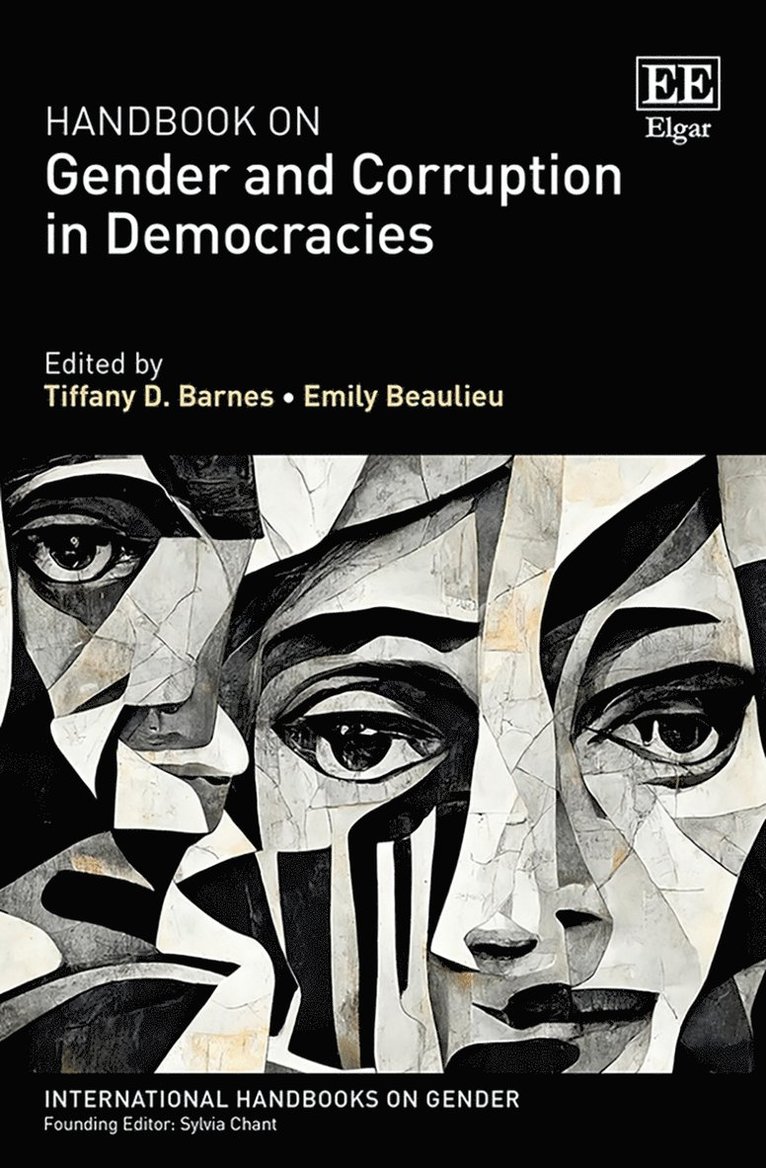
Providing an authoritative global overview of theoretical and empirical research in the field, this Handbook explores the complex relationship between gender and corruption in democracies. Through an analysis of the gendered dynamics of corruption across institutions, it advances understanding of both its causes and consequences.Expert authors examine core concepts in the study of corruption, identifying important areas where gender is often overlooked. They investigate key issues such as anti-corruption efforts, sextortion, clientelism, and the perception of corruption. Chapters detail the relationship between gender and corruption across branches of government and in a wide range of cultural contexts, including those beyond the West. The Handbook also assesses methodological challenges and ethical considerations for researchers and outlines innovative approaches and guidelines for studying corruption.The Handbook on Gender and Corruption in Democracies is a vital read for students and scholars of political science, regulation and governance, public administration and management, and gender politics. It is also an illuminating resource for policy-makers seeking to combat corruption and advance women’s representation and access to public services.