Emily Gowers – författare
Visar alla böcker från författaren Emily Gowers. Handla med fri frakt och snabb leverans.
8 produkter
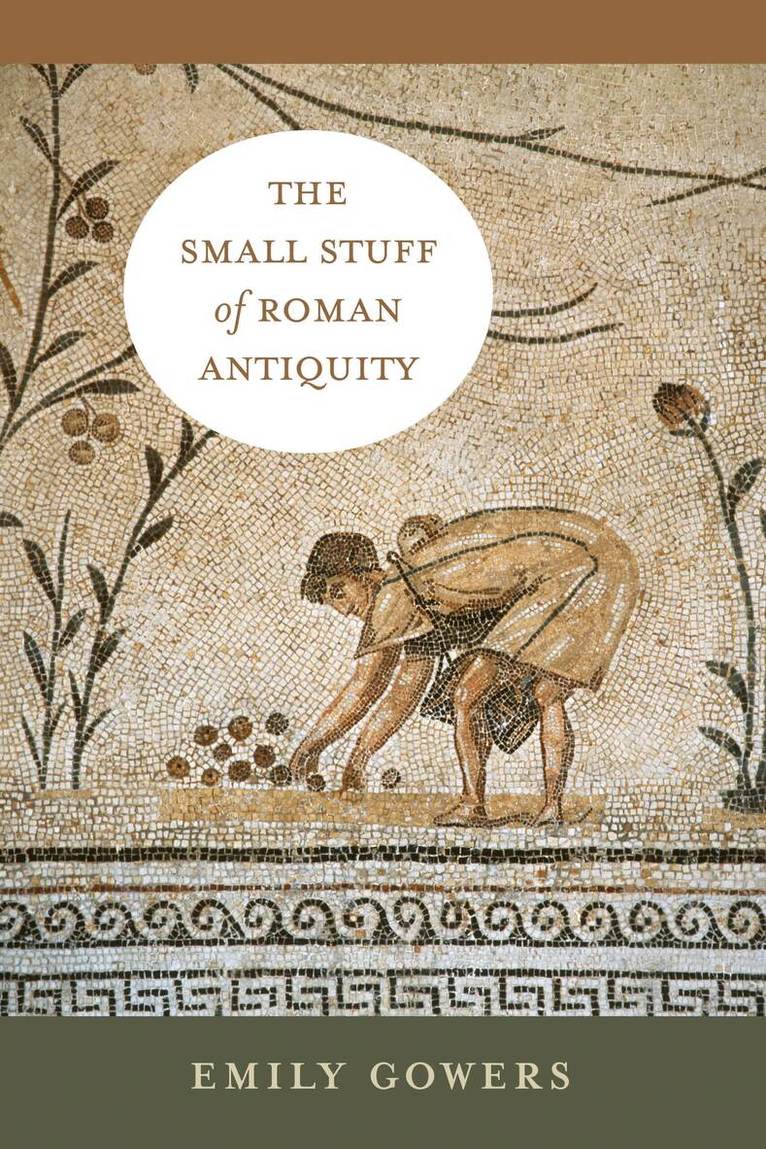
Small Stuff of Roman Antiquity
Av Emily Gowers
Häftad, 2025
352 kr
Lägg i varukorg
A free ebook version of this title is available through Luminos, University of California Press’s Open Access publishing program. Visit www.luminosoa.org to learn more.Why are the small and unimportant relics of Roman antiquity often the most enduring, in material form and in our affections? …
Horace: Satires Book I
Av Horace, Emily Gowers
Inbunden, 2012
1391 kr
Lägg i varukorg
Horace's first book of Satires is his debut work, a document of one man's self-fashioning on the cusp between republic and empire, and a pivotal text in the history of Roman satire. It wrestles with the problem of how to define and assimilate satire and justifies the poet's own position in a …
Horace: Satires Book I
Av Horace, Emily Gowers
Häftad, 2012
519 kr
Lägg i varukorg
Horace's first book of Satires is his debut work, a document of one man's self-fashioning on the cusp between republic and empire, and a pivotal text in the history of Roman satire. It wrestles with the problem of how to define and assimilate satire and justifies the poet's own position in a …
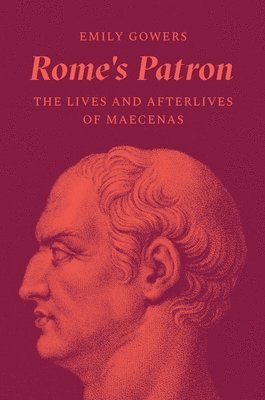
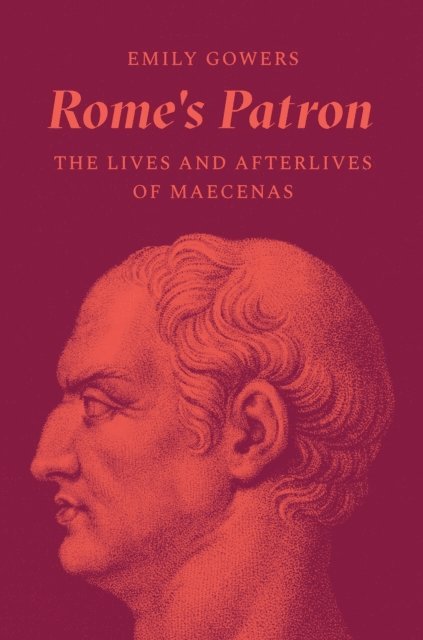
Rome's Patron
The Lives and Afterlives of Maecenas
Av Emily Gowers
Inbunden, 2024
480 kr
Lägg i varukorg
The story of Maecenas and his role in the evolution and continuing legacy of ancient Roman poetry and cultureAn unelected statesman with exceptional powers, a patron of the arts and a luxury-loving friend of the emperor Augustus: Maecenas was one of the most prominent and distinctive personalities …
Rome's Patron
The Lives and Afterlives of Maecenas
Av Emily Gowers
E-bok, 2024
410 kr
Lägg i varukorg
The story of Maecenas and his role in the evolution and continuing legacy of ancient Roman poetry and culture An unelected statesman with exceptional powers, a patron of the arts and a luxury-loving friend of the emperor Augustus: Maecenas was one of the most prominent and distinctive personalities …
Rome's Patron
The Lives and Afterlives of Maecenas
Av Emily Gowers
Häftad, 2026
303 kr
Lägg i varukorg
The story of Maecenas and his role in the evolution and continuing legacy of ancient Roman poetry and cultureAn unelected statesman with exceptional powers, a patron of the arts and a luxury-loving friend of the emperor Augustus: Maecenas was one of the most prominent and distinctive personalities …
Horace: Satires Book I
Av Horace, Emily Gowers
E-bok, 2012
504 kr
Lägg i varukorg
Horace''s first book of Satires is his debut work, a document of one man''s self-fashioning on the cusp between republic and empire, and a pivotal text in the history of Roman satire. It wrestles with the problem of how to define and assimilate satire and justifies the poet''s own position in a …
Horace: Satires Book I
Av Horace, Emily Gowers
E-bok, 2012
493 kr
Lägg i varukorg
Horace''s first book of Satires is his debut work, a document of one man''s self-fashioning on the cusp between republic and empire, and a pivotal text in the history of Roman satire. It wrestles with the problem of how to define and assimilate satire and justifies the poet''s own position in a …