Emily Huddart Kennedy - Böcker
Visar alla böcker från författaren Emily Huddart Kennedy. Handla med fri frakt och snabb leverans.
4 produkter
4 produkter
282 kr
Skickas inom 7-10 vardagar
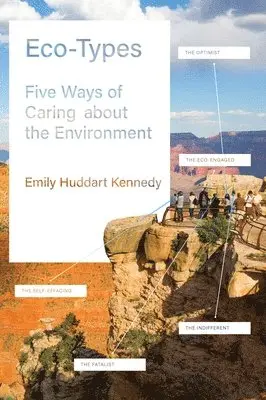
Why acknowledging diverse eco-social relationships can help us overcome the political polarization that undermines our ability to protect the environmentWhen we picture the ideal environmentalist, we likely have in mind someone who dedicates herself to reducing her own environmental footprint through individual choices about consumption—driving a fuel-efficient car, for example, or eating less meat, or refusing plastic straws. This is a benchmark that many aspire to—and many others reject. In Eco-Types, Emily Huddart Kennedy shows that there is more than one way to care about the environment, outlining a spectrum of eco-social relationships that range from engagement to indifference.Drawing on three years of interviews and research, Kennedy describes five archetypal relationships with the environment: the Eco-Engaged, often politically liberal, who have an acute level of concern about the environment, a moral commitment to protect it, and the conviction that an individual can make a difference; the Self-Effacing, who share the Eco-Engaged’s concerns but not the belief in their own efficacy; the Optimists, often politically conservative, who are confident in their relationship with the environment, doubt the severity of environmental problems, and resent insinuations that they don’t care; the Fatalists, who are pessimistic about environmental decline and feel little responsibility to adopt environment-friendly habits; and the Indifferent, who have no affinity for any part of the environmental movement.Kennedy argues that when liberals feel they have a moral monopoly on environmental issues, polarization results. If we are serious about protecting the planet, we must acknowledge that we don’t all need to care about the environment in the same way.
203 kr
Skickas inom 7-10 vardagar
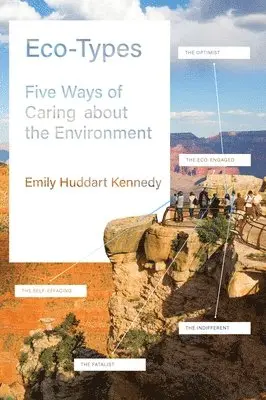
Why acknowledging diverse eco-social relationships can help us overcome the political polarization that undermines our ability to protect the environmentWhen we picture the ideal environmentalist, we likely have in mind someone who dedicates herself to reducing her own environmental footprint through individual choices about consumption—driving a fuel-efficient car, for example, or eating less meat, or refusing plastic straws. This is a benchmark that many aspire to—and many others reject. In Eco-Types, Emily Huddart Kennedy shows that there is more than one way to care about the environment, outlining a spectrum of eco-social relationships that range from engagement to indifference.Drawing on three years of interviews and research, Kennedy describes five archetypal relationships with the environment: the Eco-Engaged, often politically liberal, who have an acute level of concern about the environment, a moral commitment to protect it, and the conviction that an individual can make a difference; the Self-Effacing, who share the Eco-Engaged’s concerns but not the belief in their own efficacy; the Optimists, often politically conservative, who are confident in their relationship with the environment, doubt the severity of environmental problems, and resent insinuations that they don’t care; the Fatalists, who are pessimistic about environmental decline and feel little responsibility to adopt environment-friendly habits; and the Indifferent, who have no affinity for any part of the environmental movement.Kennedy argues that when liberals feel they have a moral monopoly on environmental issues, polarization results. If we are serious about protecting the planet, we must acknowledge that we don’t all need to care about the environment in the same way.
1 333 kr
Skickas inom 7-10 vardagar
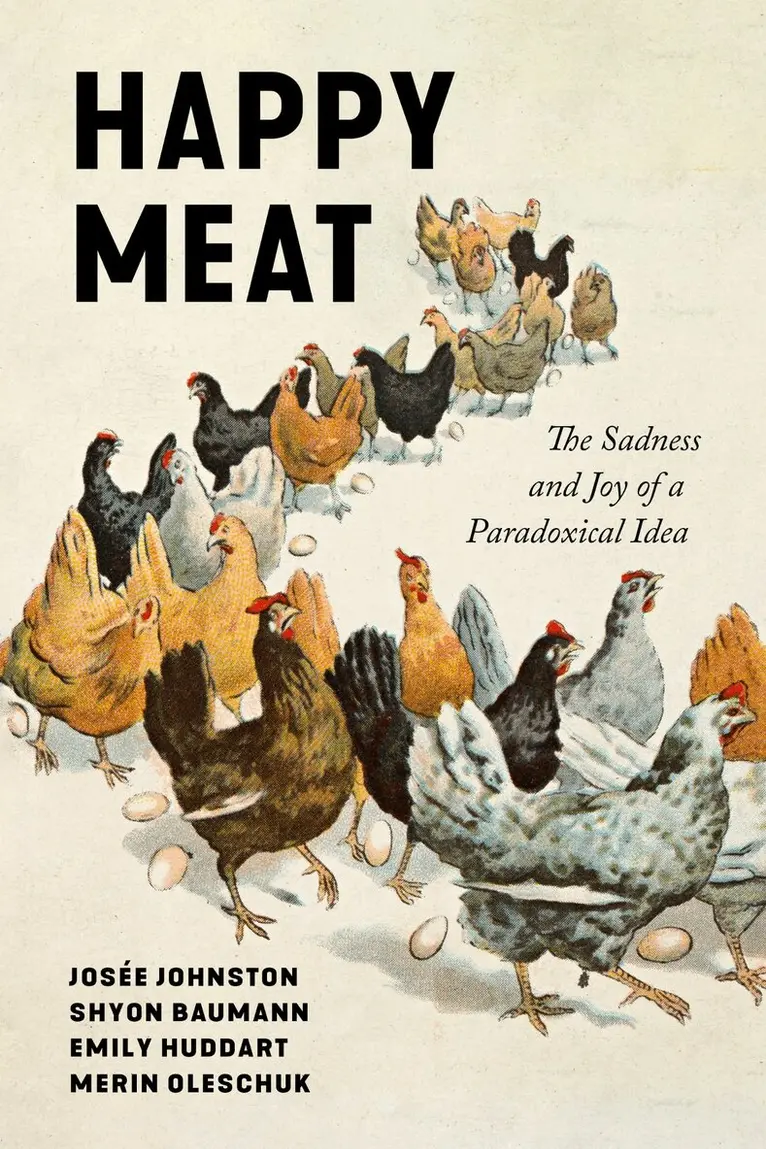
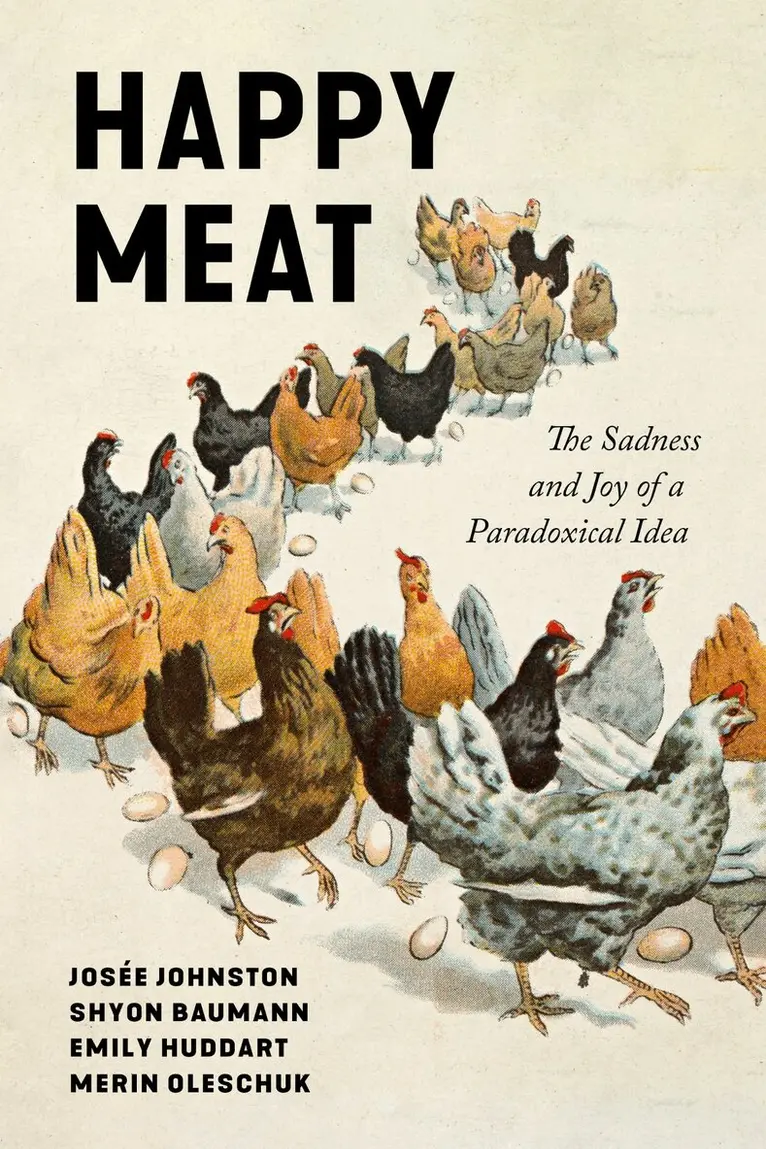
North Americans love eating meat. Despite the increased awareness of the meat industry's harms–violence against animals, health problems, and associations with environmental degradation–the rate of meat eating hasn't changed significantly in recent years. Instead, what has emerged is an uncomfortable paradox: a need to square one's values with the behaviors that contradict those values.Using a large-scale, multidimensional, and original dataset, Happy Meat explores the thoughts and emotions that underpin our moral decision-making in this meat paradox. Conscientious meat-eaters turn to the notion of "happy meat" to make sense of their behaviors by consuming meat they see as more healthy, ethical, and sustainable. Happy meat might be labeled grass fed, free-range, antibiotic free, naturally raised, or humane. The people who produce and consume it, together, make up the complex landscape of conscientious meat-eating in modern Western societies.The discourse of happy meat ultimately may not be a sufficient response to all the critiques of meat eating, rife as it is with contradictions. However, it offers a powerful case for understanding how moral boundaries and notions of the 'good eater' are constructed through negotiations of values, identity, and status.
313 kr
Skickas inom 7-10 vardagar
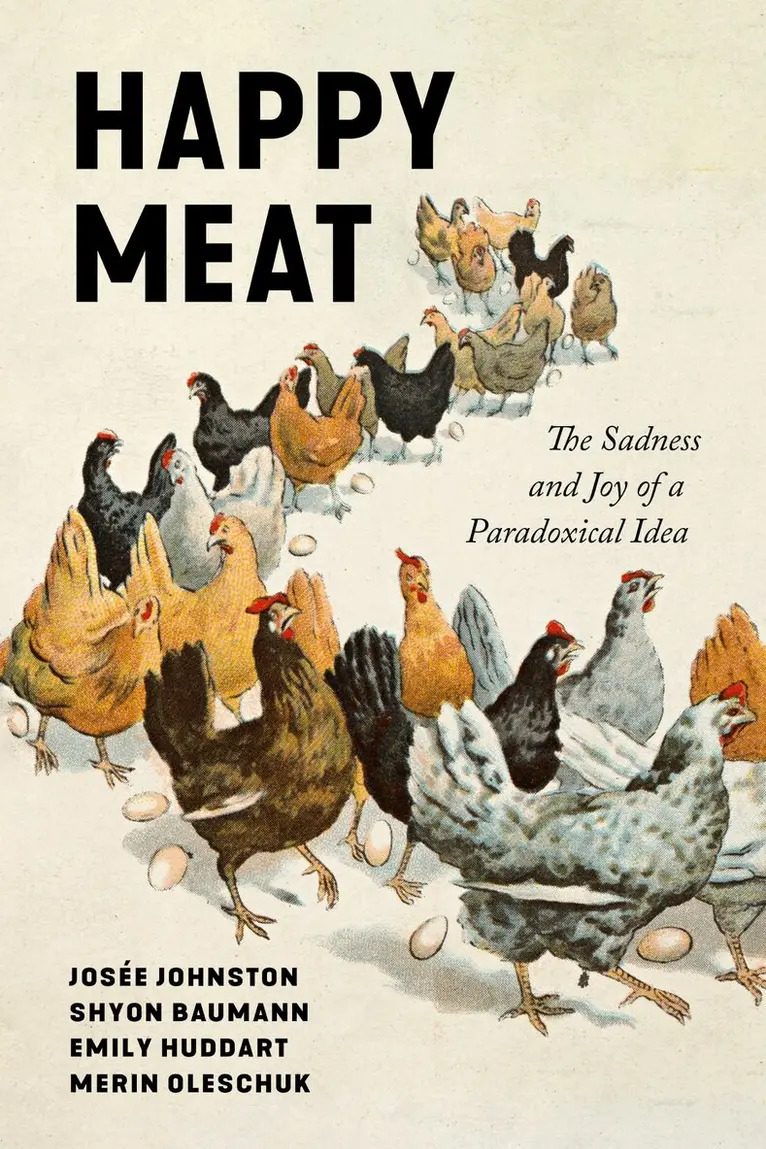
North Americans love eating meat. Despite the increased awareness of the meat industry's harms–violence against animals, health problems, and associations with environmental degradation–the rate of meat eating hasn't changed significantly in recent years. Instead, what has emerged is an uncomfortable paradox: a need to square one's values with the behaviors that contradict those values.Using a large-scale, multidimensional, and original dataset, Happy Meat explores the thoughts and emotions that underpin our moral decision-making in this meat paradox. Conscientious meat-eaters turn to the notion of "happy meat" to make sense of their behaviors by consuming meat they see as more healthy, ethical, and sustainable. Happy meat might be labeled grass fed, free-range, antibiotic free, naturally raised, or humane. The people who produce and consume it, together, make up the complex landscape of conscientious meat-eating in modern Western societies.The discourse of happy meat ultimately may not be a sufficient response to all the critiques of meat eating, rife as it is with contradictions. However, it offers a powerful case for understanding how moral boundaries and notions of the 'good eater' are constructed through negotiations of values, identity, and status.