Emma Herbert-Davies - Böcker
Visar alla böcker från författaren Emma Herbert-Davies. Handla med fri frakt och snabb leverans.
3 produkter
3 produkter
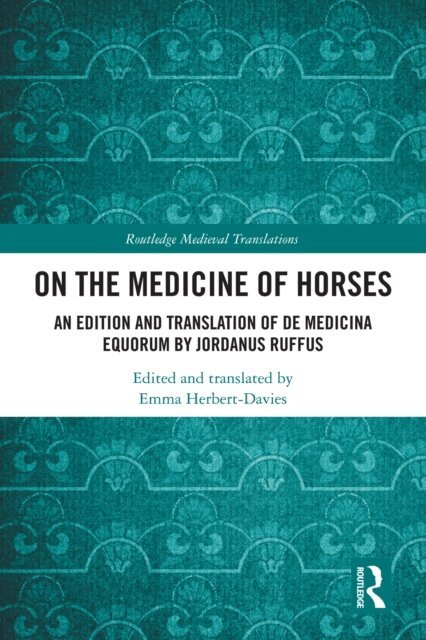
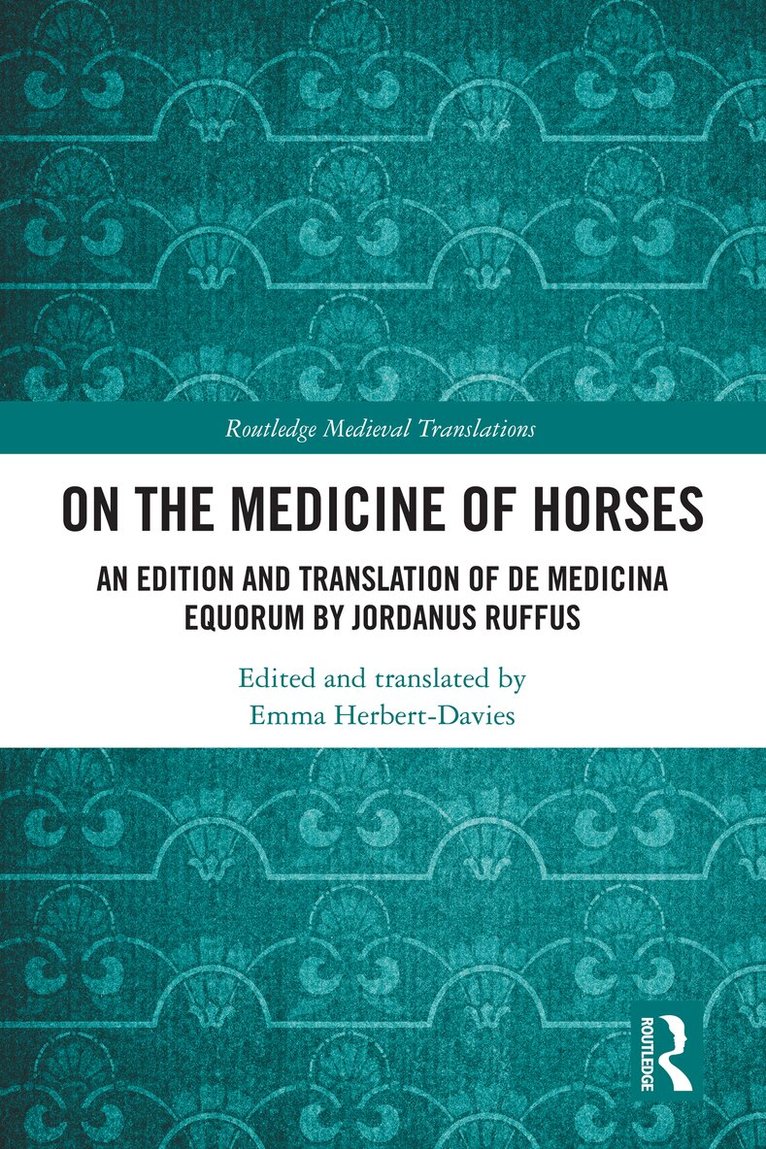
On the Medicine of Horses
An Edition and Translation of De Medicina Equorum by Jordanus Rufus
Inbunden, Engelska, 2026
2 596 kr
Kommande
De Medicina Equorum (On the Medicine of Horses) by Jordanus Ruffus of Calabria is a foundational medieval treatise on horse care and the treatment of equine diseases. Drawing on his experience as a stablemaster at the court of the Holy Roman Emperor Frederick II, Jordanus Ruffus combines practical guidance, clinical observation, and theoretical knowledge to provide a comprehensive account of equine management and health in the thirteenth century. This edition, based on Heironymous Molin’s Latin transcription, presents the treatise in its first complete English translation, making an influential medieval text accessible to modern readers for the first time.This book is divided into three parts, beginning with an introduction to Jordanus Ruffus, his treatise, and its reception by Molin and modern historians. The second, larger part provides a facing-page Latin-English translation of the full text of De Medicina Equorum. The third part of this edition is a glossary, which provides some of the more important Latin terms with English translations and comparisons to modern equine diseases. On the Medicine of Horses is essential reading for students and scholars of historical horsemanship, human-animal relationships, and medieval veterinary studies, as well as practitioners interested in historical approaches to equine care.
1 131 kr
Skickas inom 7-10 vardagar
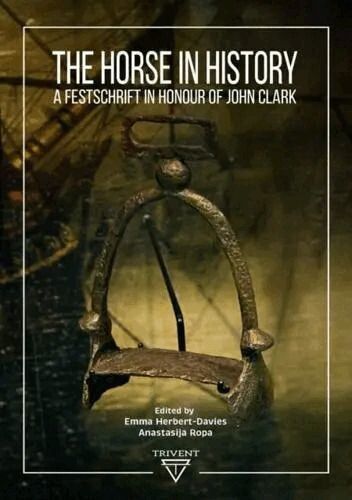
John Clark's groundbreaking work in medieval equestrian history has shaped and inspired generations of scholars, transforming our understanding of horses in the past. A pioneer of archaeological and historical research on the medieval horse, Clark's influential 1995 work, The Medieval Horse and its Equipment, set the stage for much of the academic exploration that followed. In this celebratory volume, international scholars come together to honor his legacy with new perspectives on the history, culture, and significance of horses across the medieval world.Spanning from Roman Britain to the Elizabethan court, this interdisciplinary collection covers a diverse range of topics including equestrian equipment, horse training, folklore, and the symbolic role of horses in literature. Featuring in-depth studies on archaeological finds and providing innovative approaches to equestrian practices and the gendered dynamics of horse-riding, the essays in this book reflect the profound influence of John Clark's work.This Festschrift provides a fitting tribute to a scholar whose pioneering research continues to inspire and shape the field of equestrian history. Each chapter not only reflects John Clark's enduring influence but also showcases the breadth of scholarly engagement with the historical horse, from its practical use to its deeper cultural and symbolic meanings.
874 kr
Skickas inom 7-10 vardagar
The warhorse has long been emblematic of medieval chivalry and power, depicted in art, literature, and the grand narratives of knightly valor. Yet, behind these depictions lies a nuanced history that intertwines the fate of the warhorse with the social, political, and military developments of its time. This book, The Warhorse in England: 1272-1327, seeks to illuminate the warhorse's essential role during the reigns of Edward I and Edward II—an era marked by almost perpetual conflict and the zenith of cavalry use in English warfare. Drawing on an extensive range of primary sources, including previously unpublished army inventories, royal stable records, and medieval veterinary texts, this study goes beyond the warhorse's symbolic representation to examine its practical importance in military campaigns. It considers the full lifecycle of these animals, from breeding and training to deployment, and the toll that warfare exacted on their health. In doing so, it reveals not only the substantial investment of resources required to sustain warhorse populations but also the implications of their care on medieval administrative and logistical practices.This work also engages with a broader context, integrating perspectives from military history and animal studies to reevaluate how warhorses influenced the structure of armies and the experiences of those who relied upon them. By examining equine practices through meticulous analysis of financial records, army lists, and breeding documentation, this book provides fresh insights into medieval England's martial landscape and the interplay between human and animal agency.