Emma Widdis – författare
Visar alla böcker från författaren Emma Widdis. Handla med fri frakt och snabb leverans.
10 produkter
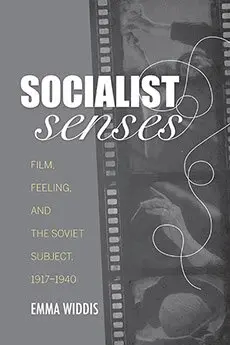
Socialist Senses
Film, Feeling, and the Soviet Subject, 1917–1940
Av Emma Widdis
Inbunden, 2017
956 kr
Lägg i varukorg
This major reimagining of the history of Soviet film and its cultural impact explores the fundamental transformations in how film, through the senses, remade the Soviet self in the 1920s and 1930s. Following the Russian Revolution, there was a shared ambition for a 'sensory revolution' to accompany …
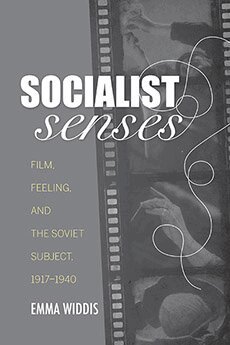
Socialist Senses
Film, Feeling, and the Soviet Subject, 1917–1940
Av Emma Widdis
Häftad, 2017
437 kr
Lägg i varukorg
This major reimagining of the history of Soviet film and its cultural impact explores the fundamental transformations in how film, through the senses, remade the Soviet self in the 1920s and 1930s. Following the Russian Revolution, there was a shared ambition for a 'sensory revolution' to accompany …
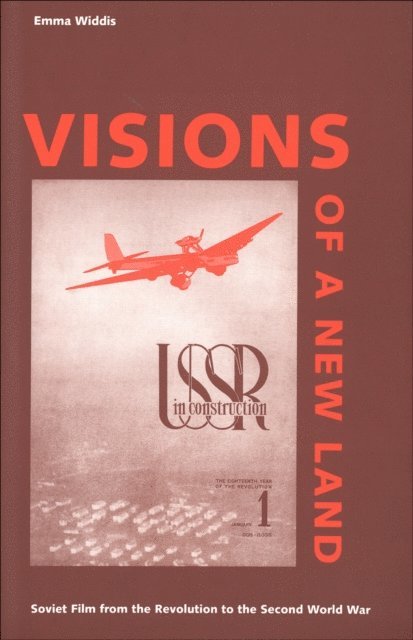
Visions of a New Land
Soviet Film from the Revolution to the Second World War
Av Emma Widdis
E-bok, 2003
727 kr
Lägg i varukorg
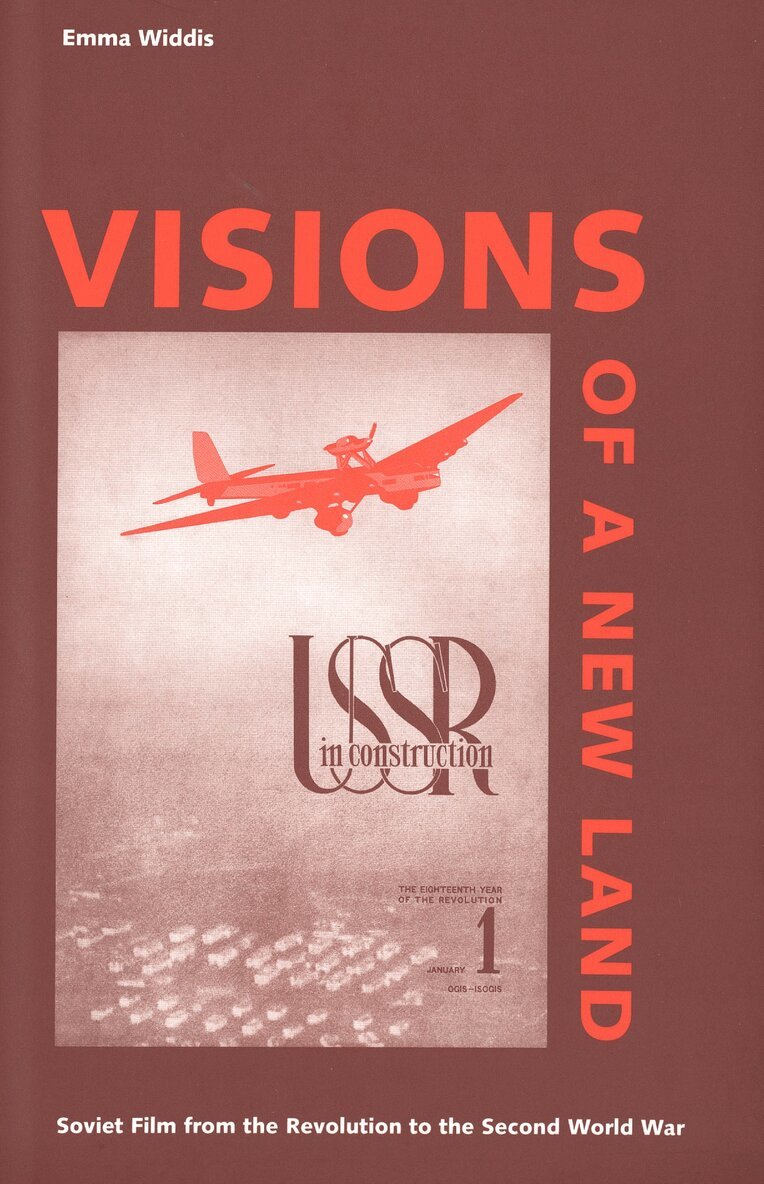
Visions of a New Land
Soviet Film from the Revolution to the Second World War
Av Emma Widdis
Häftad, 2012
502 kr
Lägg i varukorg
In 1917 the Bolsheviks proclaimed a world remade. The task of the new regime, and of the media that served it, was to reshape the old world in revolutionary form, to transform the vast, "ungraspable" space of the Russian Empire into the mapped territory of the Soviet Union. This book shows how …
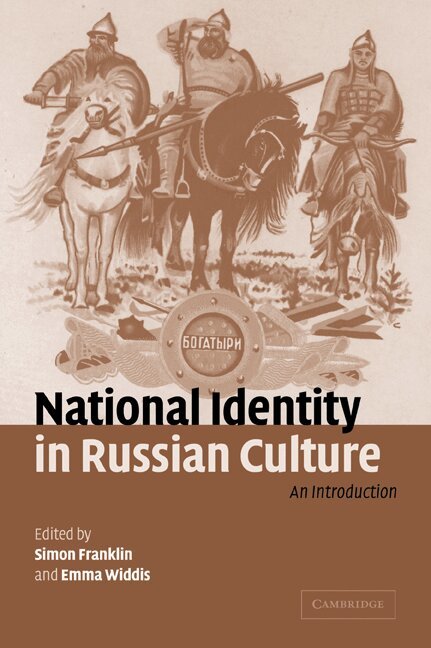
National Identity in Russian Culture
An Introduction
Av Simon Franklin, Emma Widdis
Häftad, 2006
842 kr
Lägg i varukorg
What is Russia? Who are Russians? What is 'Russianness'? The question of national identity has long been a vexed one in Russia, and is particularly pertinent in the post-Soviet period. For a thousand years these questions have been central to the work of Russian writers, artists, musicians, …
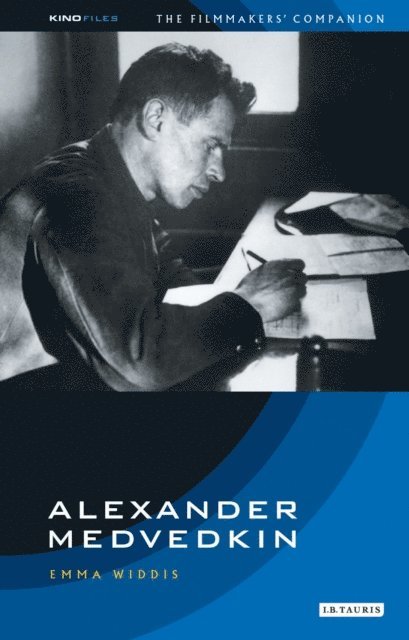
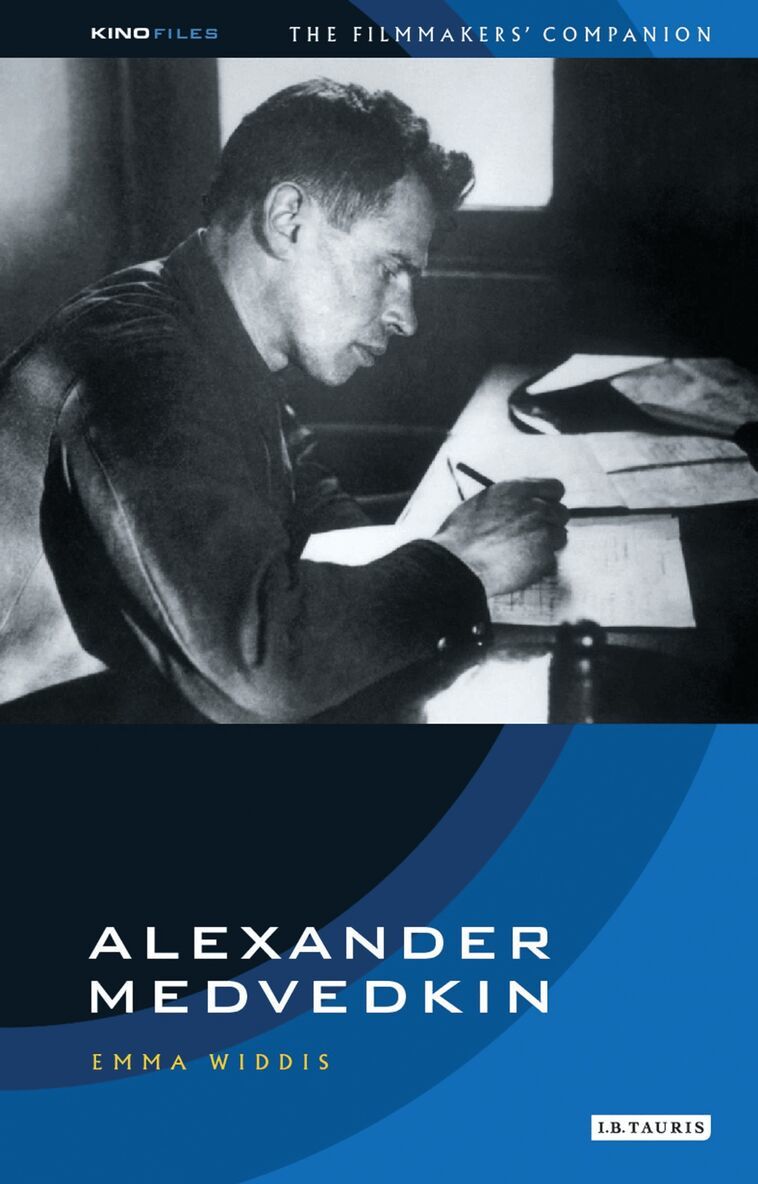
Alexander Medvedkin
Av Emma Widdis
E-bok, 2004
389 kr
Lägg i varukorg
This first introduction to Medvedkin's film-making career traces his process of developing a unique brand of cinematic satire throughout the period of the Soviet revolutionary experiment. Using original archival material and Medvedkin's writings towards his unfinished autobiography, Widdis explores …
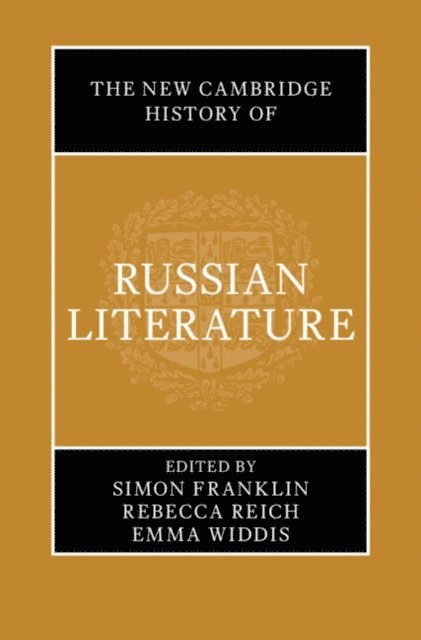
The New Cambridge History of Russian Literature
Av Simon Franklin, Rebecca Reich m. fl.
Inbunden, 2024
2266 kr
Lägg i varukorg
This is the essential new guide to Russian literature, combining authority and innovation in coverage ranging from medieval manuscripts to the internet and social media. With contributions from thirty-four world-leading scholars, it offers a fresh approach to literary history, not as one integral …
New Cambridge History of Russian Literature
Av Emma Widdis, Rebecca Reich m. fl.
E-bok, 2024
2200 kr
Lägg i varukorg
New Cambridge History of Russian Literature
Av Emma Widdis, Rebecca Reich m. fl.
E-bok, 2024
2200 kr
Lägg i varukorg
Alexander Medvedkin
Av Emma Widdis
Häftad, 2004
369 kr
Lägg i varukorg
This first introduction to Medvedkin's film-making career traces his process of developing a unique brand of cinematic satire throughout the period of the Soviet revolutionary experiment. Using original archival material and Medvedkin's writings towards his unfinished autobiography, Widdis explores …