Eran Kaplan - Böcker
Visar alla böcker från författaren Eran Kaplan. Handla med fri frakt och snabb leverans.
6 produkter
6 produkter
350 kr
Skickas inom 10-15 vardagar
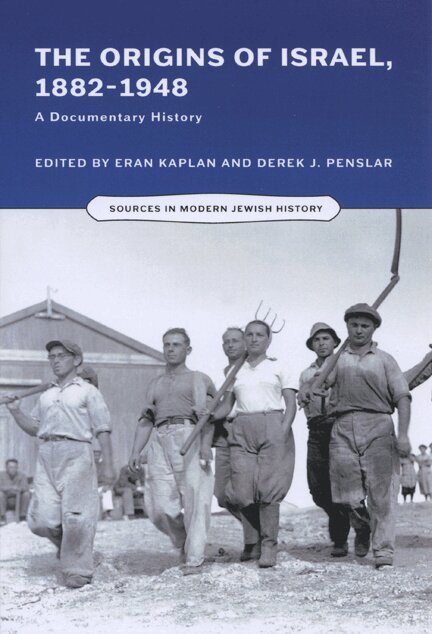
In 1880 the Jewish community in Palestine encompassed some 20,000 Orthodox Jews; within sixty-five years it was transformed into a secular proto-state with well-developed political, military, and economic institutions, a vigorous Hebrew-language culture, and some 600,000 inhabitants. The Origins of Israel, 1882–1948: A Documentary History chronicles the making of modern Israel before statehood, providing in English the texts of original sources (many translated from Hebrew and other languages) accompanied by extensive introductions and commentaries from the volume editors.This sourcebook assembles a diverse array of 62 documents, many of them unabridged, to convey the ferment, dissent, energy, and anxiety that permeated the Zionist project from its inception to the creation of the modern nation of Israel. Focusing primarily on social, economic, and cultural history rather than Zionist thought and diplomacy, the texts are organized in themed chapters. They present the views of Zionists from many political and religious camps, factory workers, farm women, militants, intellectuals promoting the Hebrew language and arts—as well as views of ultra-Orthodox anti-Zionists. The volume includes important unabridged documents from the origins of the Arab-Israeli conflict that are often cited but are rarely read in full. The editors, Eran Kaplan and Derek J. Penslar, provide both primary texts and informative notes and commentary, giving readers the opportunity to encounter voices from history and make judgements for themselves about matters of world-historical significance.
1 088 kr
Tillfälligt slut
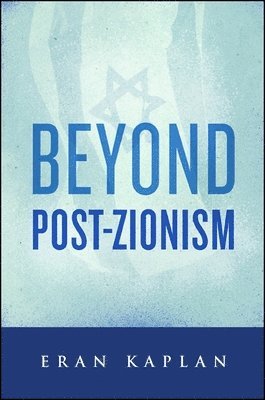
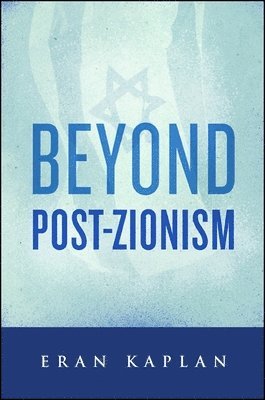
Comprehensive and critical analysis of the post-Zionist debates and their impact on various aspects of Israeli culture.Post-Zionism emerged as an intellectual and cultural movement in the late 1980s when a growing number of people inside and outside academia felt that Zionism, as a political ideology, had outlived its usefulness. The post-Zionist critique attempted to expose the core tenets of Zionist ideology and the way this ideology was used, to justify a series of violent or unjust actions by the Zionist movement, making the ideology of Zionism obsolete. In Beyond Post-Zionism Eran Kaplan explores how this critique emerged from the important social and economic changes Israel had undergone in previous decades, primarily the transition from collectivism to individualism and from socialism to the free market. Kaplan looks critically at some of the key post-Zionist arguments (the orientalist and colonial nature of Zionism) and analyzes the impact of post-Zionist thought on various aspects (literary, cinematic) of Israeli culture. He also explores what might emerge, after the political and social turmoil of the last decade, as an alternative to post-Zionism and as a definition of Israeli and Zionist political thought in the twenty-first century.
394 kr
Tillfälligt slut
Comprehensive and critical analysis of the post-Zionist debates and their impact on various aspects of Israeli culture.Post-Zionism emerged as an intellectual and cultural movement in the late 1980s when a growing number of people inside and outside academia felt that Zionism, as a political ideology, had outlived its usefulness. The post-Zionist critique attempted to expose the core tenets of Zionist ideology and the way this ideology was used, to justify a series of violent or unjust actions by the Zionist movement, making the ideology of Zionism obsolete. In Beyond Post-Zionism Eran Kaplan explores how this critique emerged from the important social and economic changes Israel had undergone in previous decades, primarily the transition from collectivism to individualism and from socialism to the free market. Kaplan looks critically at some of the key post-Zionist arguments (the orientalist and colonial nature of Zionism) and analyzes the impact of post-Zionist thought on various aspects (literary, cinematic) of Israeli culture. He also explores what might emerge, after the political and social turmoil of the last decade, as an alternative to post-Zionism and as a definition of Israeli and Zionist political thought in the twenty-first century.
586 kr
Skickas inom 7-10 vardagar
A comprehensive analysis of the major trends and developments in contemporary Israeli media.In the twenty-first century, Israeli filmmaking has transformed from a localized industry into a globally recognized and diverse national cinema, its filmmakers gaining prominence internationally and introducing new themes, aesthetics, and voices to the scene. At the same time, Israeli television shows have emerged as a dominant force, propelled by the spread of streaming. Through the rise of online content creation and consumption, especially in the 2010s, new voices have revolutionized the creative landscape. With Israel’s position at the cutting edge of technology and virtual platforms, Israeli media has seen a boom, winning prizes at international film festivals and adapting shows like Euphoria, Homeland, and Fauda for wider audiences. In New Directions in Israeli Media, thirteen contributors detail the shifting dynamics of Israeli cinema, television, and online content in the digital age, exploring how globalization, technological advances, and changing audience preferences are reshaping creative industries. Editors Yaron Peleg, Eran Kaplan, and Ido Rosen have assembled a volume that prompts critical reflection on the intersection of art, technology, and culture in a rapidly changing media landscape.
441 kr
Skickas inom 7-10 vardagar
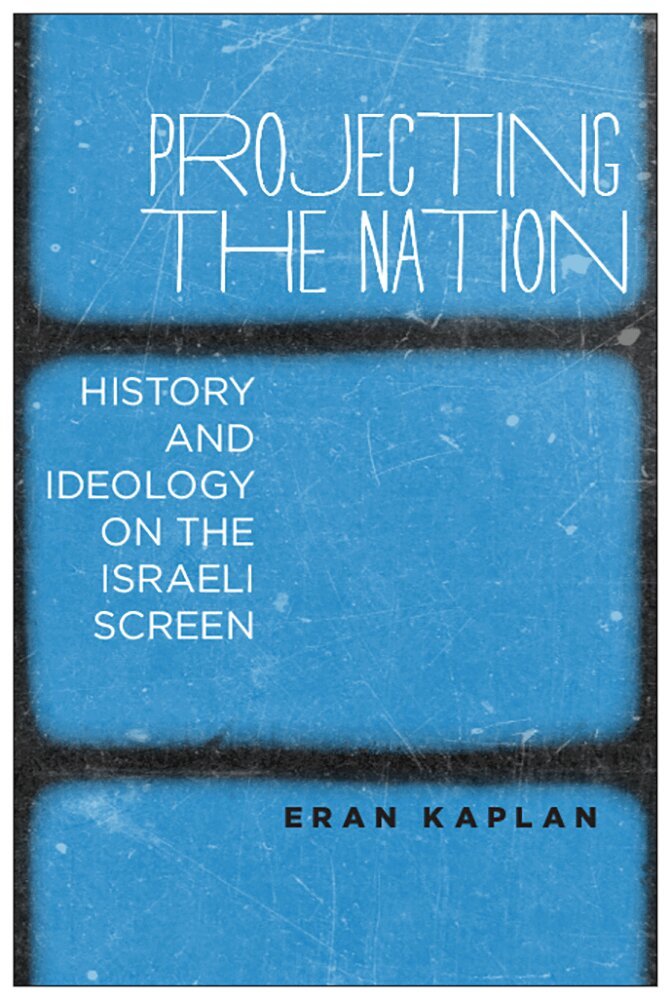
Projecting the Nation: History and Ideology on the Israeli Screen is a wide-ranging history of over seven decades of Israeli cinema. The only book in English to offer this type of historical scope was Ella Shohat's Israeli Cinema: East West and the Politics of Representation from 1989. Since 1989, however, Israeli cinema and Israeli society have undergone some crucial transformations and, moreover, Shohat's book offered a single framework through which to judge Israeli cinema: a critique of orientalism. Projecting the Nation contends that Israeli cinema offers much richer historical and ideological perspectives that expose the complexity of the Israeli project. By analyzing Israeli films which address such issues as the Arab-Israeli conflict, the Ashkenazi-Mizrahi divide, the kibbutz and urban life, the rise of religion in Israeli public life and more, the book explores the way cinema has represented and also shaped our understanding of the history of modern Israel as it evolved from a collectivist society to a society where individualism and adherence to local identities is the dominant ideology.
1 617 kr
Skickas inom 7-10 vardagar
Projecting the Nation: History and Ideology on the Israeli Screen is a wide-ranging history of over seven decades of Israeli cinema. The only book in English to offer this type of historical scope was Ella Shohat's Israeli Cinema: East West and the Politics of Representation from 1989. Since 1989, however, Israeli cinema and Israeli society have undergone some crucial transformations and, moreover, Shohat's book offered a single framework through which to judge Israeli cinema: a critique of orientalism. Projecting the Nation contends that Israeli cinema offers much richer historical and ideological perspectives that expose the complexity of the Israeli project. By analyzing Israeli films which address such issues as the Arab-Israeli conflict, the Ashkenazi-Mizrahi divide, the kibbutz and urban life, the rise of religion in Israeli public life and more, the book explores the way cinema has represented and also shaped our understanding of the history of modern Israel as it evolved from a collectivist society to a society where individualism and adherence to local identities is the dominant ideology.