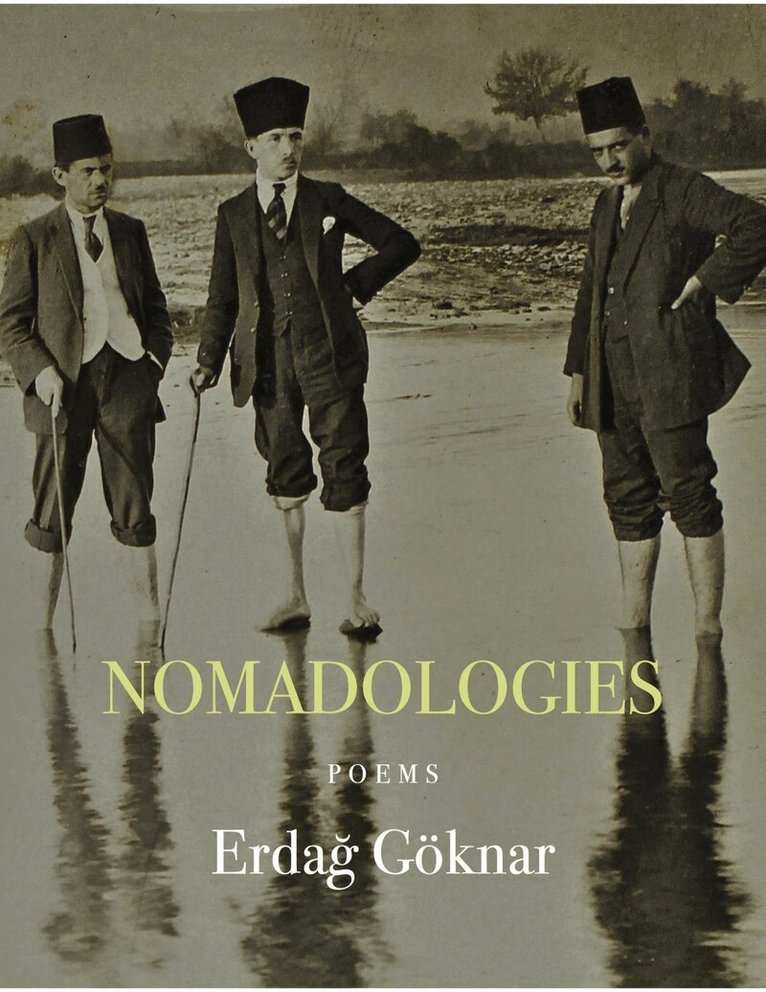
Erdag Göknar – författare
Visar alla böcker från författaren Erdag Göknar. Handla med fri frakt och snabb leverans.
5 produkter
5 produkter
Inbunden, Engelska, 2013
2 510 kr
Skickas inom 10-15 vardagar
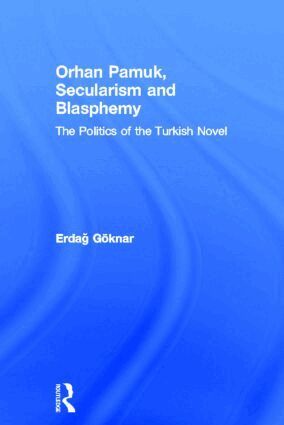
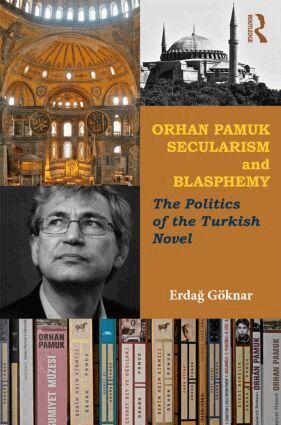
Orhan Pamuk, Secularism and Blasphemy is the first critical study of all of Pamuk’s novels, including the early untranslated work. In 2005 Orhan Pamuk was charged with "insulting Turkishness" under Article 301 of the Turkish penal code. Eighteen months later he was awarded the Nobel Prize. After decades of criticism for wielding a depoliticized pen, Pamuk was cast as a dissident through his trial, an event that underscored his transformation from national literateur to global author. By contextualizing Pamuk’s fiction into the Turkish tradition and by defining the literary and political intersections of his work, Orhan Pamuk, Secularism and Blasphemy rereads Pamuk's dissidence as a factor of the form of his novels.This is not a traditional study of literature, but a book that turns to literature to ask larger questions about recent transformations in Turkish history, identity, modernity, and collective memory. As a corrective to common misreadings of Pamuk’s work in its international reception, Orhan Pamuk, Secularism and Blasphemy applies various analytical lenses to the politics of the Turkish novel, including gender studies, cultural translation, historiography, and Islam. The book argues that modern literature that confronts representations of the nation-state, or devlet, with those of Ottoman, Islamic, and Sufi contexts, or din, constitute "secular blasphemies" that redefine the politics of the Turkish novel.Concluding with a meditation on conditions of "untranslatability" in Turkish literature, this study provides a comprehensive and critical analysis of Pamuk’s novels to date.
Häftad, Engelska, 2013
799 kr
Skickas inom 10-15 vardagar
Orhan Pamuk, Secularism and Blasphemy is the first critical study of all of Pamuk’s novels, including the early untranslated work. In 2005 Orhan Pamuk was charged with "insulting Turkishness" under Article 301 of the Turkish penal code. Eighteen months later he was awarded the Nobel Prize. After decades of criticism for wielding a depoliticized pen, Pamuk was cast as a dissident through his trial, an event that underscored his transformation from national literateur to global author. By contextualizing Pamuk’s fiction into the Turkish tradition and by defining the literary and political intersections of his work, Orhan Pamuk, Secularism and Blasphemy rereads Pamuk's dissidence as a factor of the form of his novels.This is not a traditional study of literature, but a book that turns to literature to ask larger questions about recent transformations in Turkish history, identity, modernity, and collective memory. As a corrective to common misreadings of Pamuk’s work in its international reception, Orhan Pamuk, Secularism and Blasphemy applies various analytical lenses to the politics of the Turkish novel, including gender studies, cultural translation, historiography, and Islam. The book argues that modern literature that confronts representations of the nation-state, or devlet, with those of Ottoman, Islamic, and Sufi contexts, or din, constitute "secular blasphemies" that redefine the politics of the Turkish novel.Concluding with a meditation on conditions of "untranslatability" in Turkish literature, this study provides a comprehensive and critical analysis of Pamuk’s novels to date.
Inbunden, Engelska, 2026
1 363 kr
Kommande
Survivor Archives uncovers the vibrant afterlives of materials, gestures, images, and artistic practices that endure long after episodes of mass political violence. How do objects, bodies and performances remember what history tries to erase? These 'remnants' – from textiles to photographs, bones to plays, and to genocide survivors themselves – speak, resist and reimagine the past. The volume reframes archives not as dusty repositories but as living terrains of grief, desire and radical knowledge.Drawing on the archival, affective and embodied turns in contemporary cultural studies, Survivor Archives brings together a distinguished group of historians, critics, artists and activists to chart a bold cartography of endurance. Focusing on Armenian genocide studies while pushing far beyond its conventional borders, the chapters traverse literary readings of Hagop Oshagan, legal analyses of Ottoman war crimes tribunals, humanitarian photography, museum misattribution, commemorative practices that enhance intercommunal solidarities and postmigrant coexistence, the necropolitics of human remains, the textures of textile memory, and the poetics of diasporic film. Together, the contributions expand historical, cultural and political notions of what constitutes an 'archive'.
Inbunden, Engelska, 2024
1 386 kr
Skickas inom 5-8 vardagar
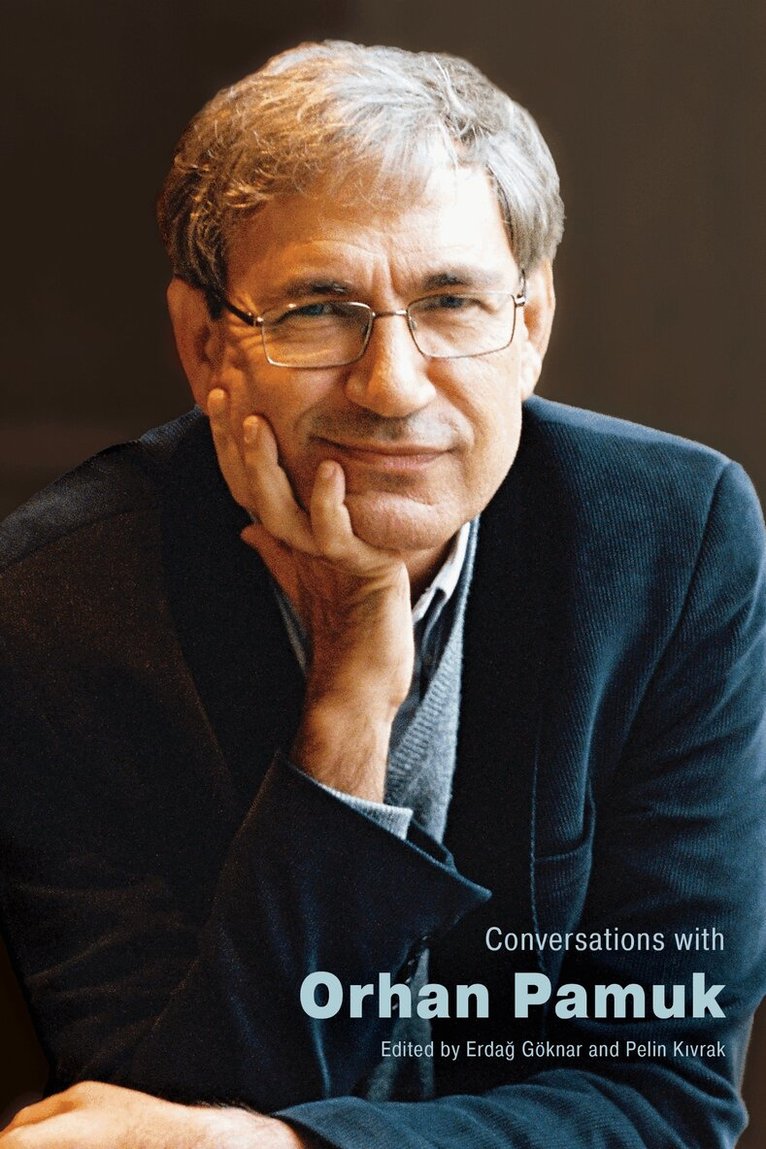
In over thirty interviews ranging from 1982 until 2022, Conversations with Orhan Pamuk reveals a writer of intense literary and political engagement. Nobel Laureate Orhan Pamuk (b. 1952) is a foremost practitioner of the global novel today. His work, informed by Turkish and world literary canons, has been translated into over sixty languages and sold over fifteen million copies globally.This volume presents an alternative literary history that traces the dominant themes of the author’s oeuvre. As the interviews show, Pamuk’s work makes allusions to literary texts from Eastern and Western traditions in a hybrid manner. Furthermore, Pamuk writes on the fault line between historical and literary idioms, playing with genres like a painter does with colors, interweaving romance, detective story, murder mystery, mythology, and autobiography. The interviews establish that a Pamuk novel is predicated on methodical research, at times archival and scholarly, investigative and journalistic, or ethnographic. One could say the Pamuk novel is method. His fictions are constructed through intricate clockwork and delve into, for example, specialized knowledge of an Ottoman historical era, Islamic miniature painting, coups, museums, Istanbul street vendors, conspiracy, and plagues. Pamuk’s interviews, in turn, are necessarily instructive and edifying as much as they are entertaining, opening windows onto the novelist's everyday life, craft, and process.
Häftad, Engelska, 2024
368 kr
Skickas inom 5-8 vardagar
In over thirty interviews ranging from 1982 until 2022, Conversations with Orhan Pamuk reveals a writer of intense literary and political engagement. Nobel Laureate Orhan Pamuk (b. 1952) is a foremost practitioner of the global novel today. His work, informed by Turkish and world literary canons, has been translated into over sixty languages and sold over fifteen million copies globally.This volume presents an alternative literary history that traces the dominant themes of the author’s oeuvre. As the interviews show, Pamuk’s work makes allusions to literary texts from Eastern and Western traditions in a hybrid manner. Furthermore, Pamuk writes on the fault line between historical and literary idioms, playing with genres like a painter does with colors, interweaving romance, detective story, murder mystery, mythology, and autobiography. The interviews establish that a Pamuk novel is predicated on methodical research, at times archival and scholarly, investigative and journalistic, or ethnographic. One could say the Pamuk novel is method. His fictions are constructed through intricate clockwork and delve into, for example, specialized knowledge of an Ottoman historical era, Islamic miniature painting, coups, museums, Istanbul street vendors, conspiracy, and plagues. Pamuk’s interviews, in turn, are necessarily instructive and edifying as much as they are entertaining, opening windows onto the novelist's everyday life, craft, and process.