• Fri frakt över 249 kr
  • •
  • Snabba leveranser
  • •
  • Billiga böcker
Kundservice

Du är på sajten för privatpersoner.

Företag, bibliotek eller offentlig verksamhet?

Du handlar på classic.bokus.com, där alla dina funktioner finns intakta.
Till classic.bokus.com
Bokus logotyp. Gå till startsidan.
  • Erbjudanden
  • Nyheter
  • Student
  • Topplistor
  • Barn & ungdom
  • Bokus Play
  • E-böcker
  • Pocketböcker
  • Spel & pussel

Må bättre, för mindre! Upp till 50% rabatt på hälsoböcker

Sidfot

Mina sidor

    Hjälp

    • Kundservice
    • Vanliga frågor och svar
    • Frakt och leverans
    • Retur vid ångerrätt
    • Reklamera vara
    • Betalning
    • Köpvillkor
    • Allmänna villkor
    • Information om webbplatsens tillgänglighet

    Om Bokus

    • Om oss
    • Pressrum
    • För studenter
    • För företag
    • För bibliotek och offentlig verksamhet
    • För leverantörer
    • Hållbarhet

    Populärt

    • Aktuella erbjudanden
    • Presentkort
    • Studentlitteratur
    • Nya böcker
    • Topplistor
    • Signerade böcker
    • Engelska böcker

    Inspiration

    • Boktips
    • BookTok
    • Populära bokserier
    • Barnbokskaraktärer
    • Populära författare
    Logotyp för Bokus
    Följ oss på Facebook (extern länk)Följ oss på Instagram (extern länk)Följ oss på YouTube (extern länk)Följ oss på TikTok (extern länk)
    bokus @ CookiesAnpassa cookiesIntegritetspolicyKöpvillkor
    Till Citymail hemsida (extern länk)Till Budbee hemsida (extern länk)Till Postnord hemsida (extern länk)Till Schenker hemsida (extern länk)Till Early Bird hemsida (extern länk)Till Walleys hemsida (extern länk)
    1. Historia och arkeologi
    2. Historia
    3. Mellanösterns historia

    Survivor Archives of the Armenian Genocide

    Remnants, Affects and Embodiments

    AvMelanie S. Tanielian,Erdağ Göknar

    Inbunden, Engelska, 2026

    Del i serien Alternative Histories: Narratives from the Middle East and Mediterranean

    1 409 kr

    Kommande

    Beskrivning

    Survivor Archives uncovers the vibrant afterlives of materials, gestures, images, and artistic practices that endure long after episodes of mass political violence. How do objects, bodies and performances remember what history tries to erase? These 'remnants' – from textiles to photographs, bones to plays, and to genocide survivors themselves – speak, resist and reimagine the past. The volume reframes archives not as dusty repositories but as living terrains of grief, desire and radical knowledge.Drawing on the archival, affective and embodied turns in contemporary cultural studies, Survivor Archives brings together a distinguished group of historians, critics, artists and activists to chart a bold cartography of endurance. Focusing on Armenian genocide studies while pushing far beyond its conventional borders, the chapters traverse literary readings of Hagop Oshagan, legal analyses of Ottoman war crimes tribunals, humanitarian photography, museum misattribution, commemorative practices that enhance intercommunal solidarities and postmigrant coexistence, the necropolitics of human remains, the textures of textile memory, and the poetics of diasporic film. Together, the contributions expand historical, cultural and political notions of what constitutes an 'archive'.

    Produktinformation

    • Utgivningsdatum:2026-12-31
    • Mått:156 x 234 x undefined mm
    • Format:Inbunden
    • Språk:Engelska
    • Serie:Alternative Histories: Narratives from the Middle East and Mediterranean
    • Antal sidor:392
    • Förlag:Edinburgh University Press
    • ISBN:9781399572422

    Utforska kategorier

    • Mellanösterns historia inom Historia och arkeologi
    • Folkmord och etnisk rensning inom Historia och arkeologi

    Mer om författaren

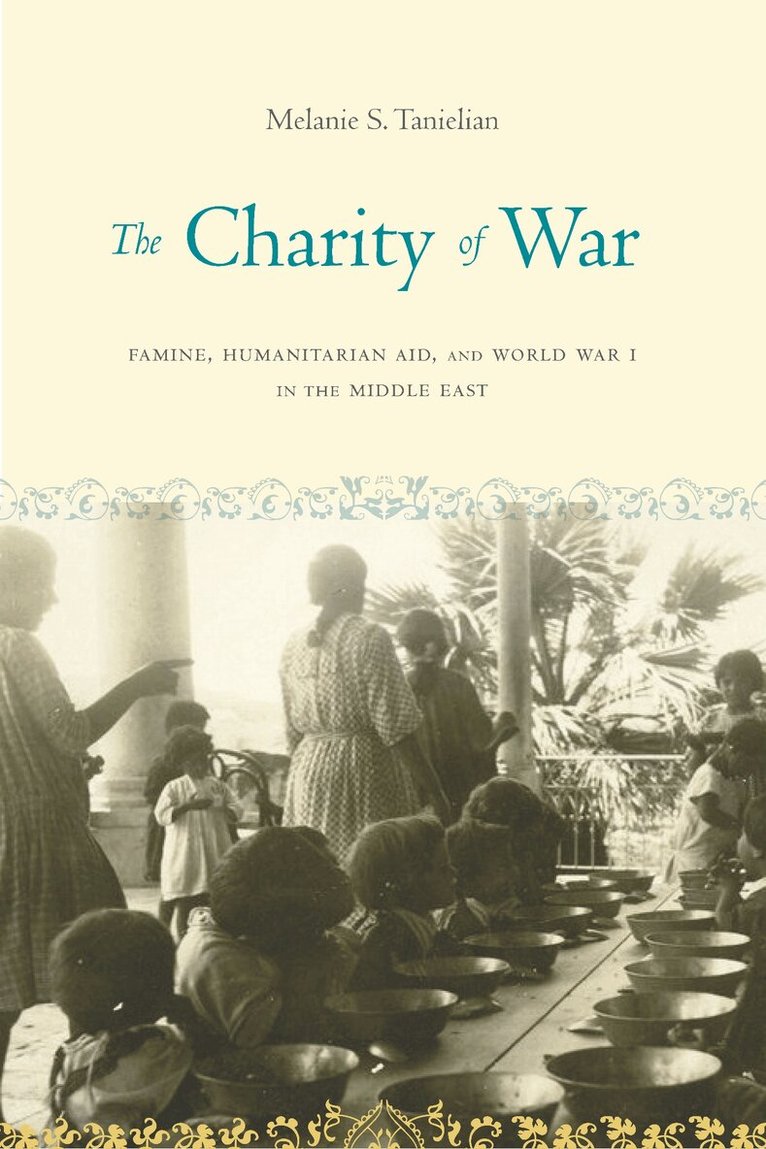
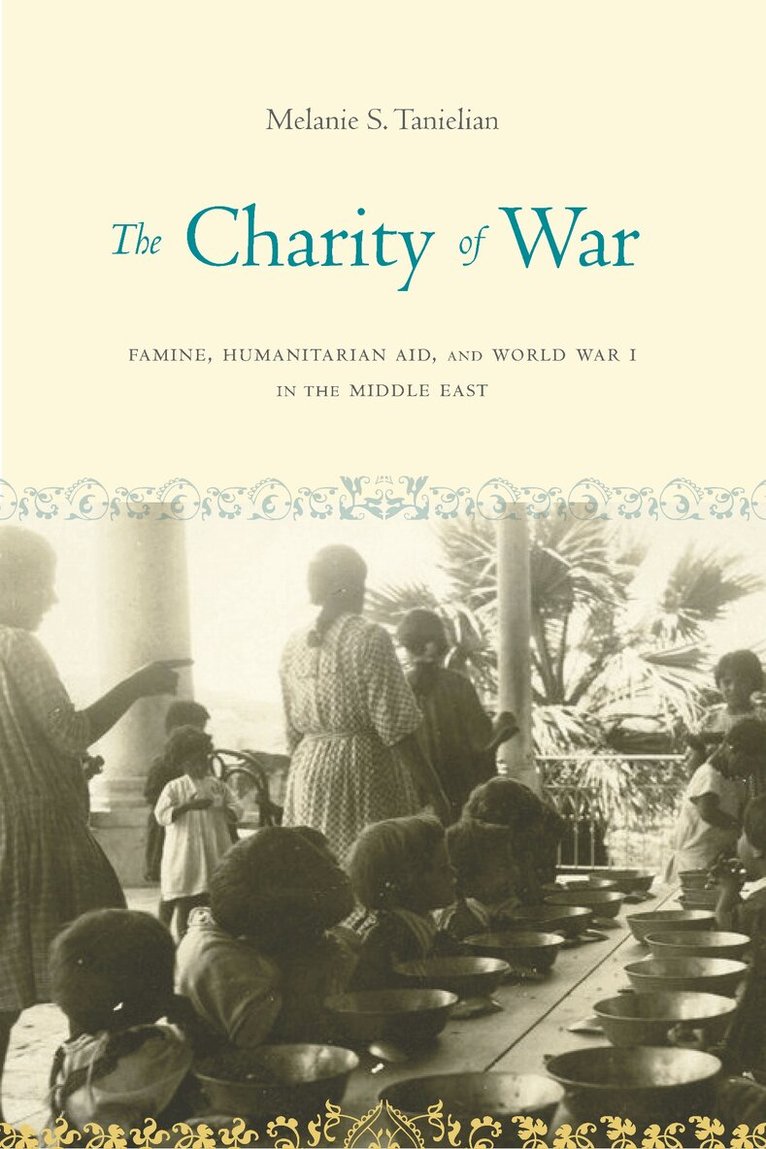
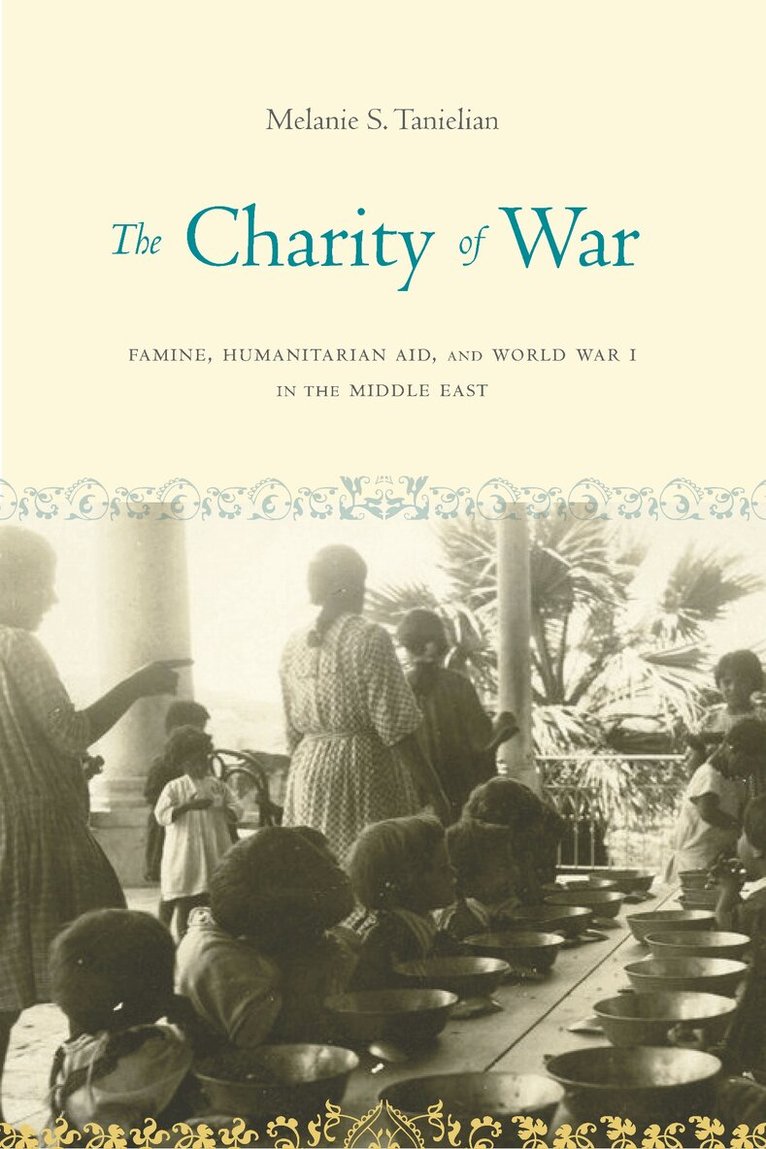
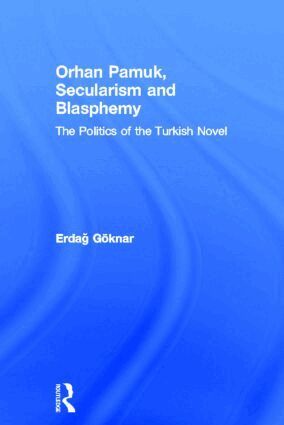
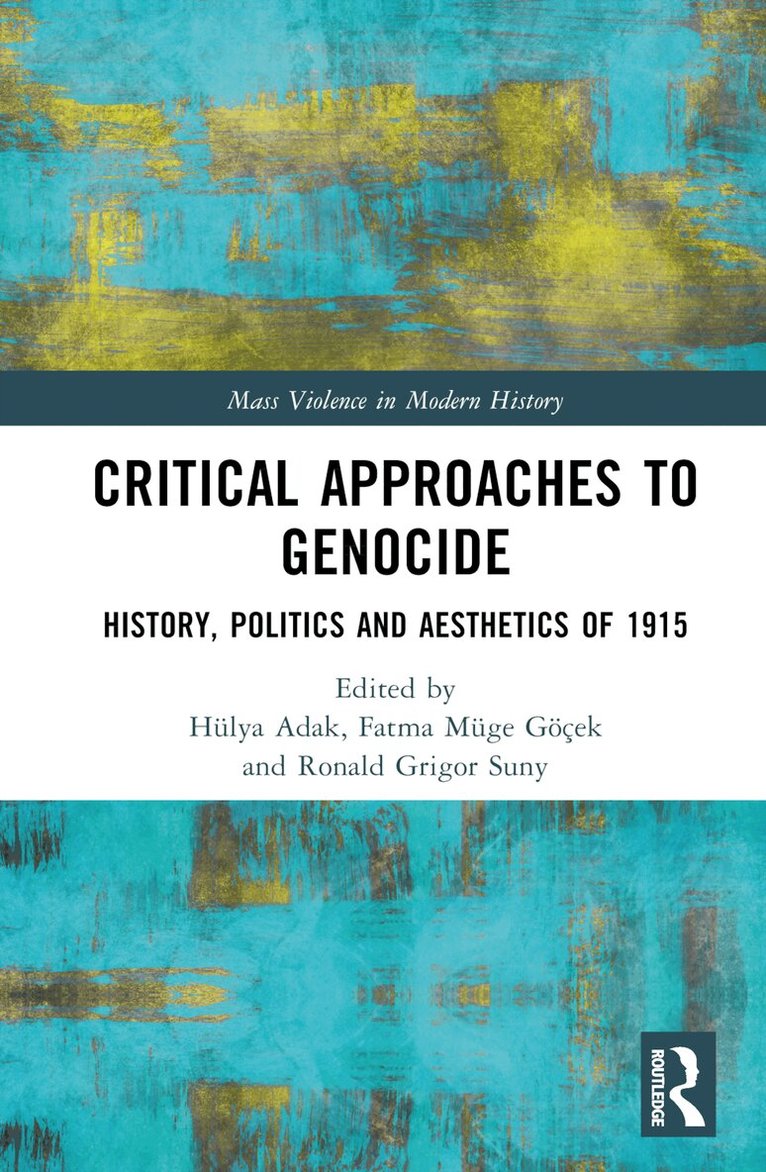
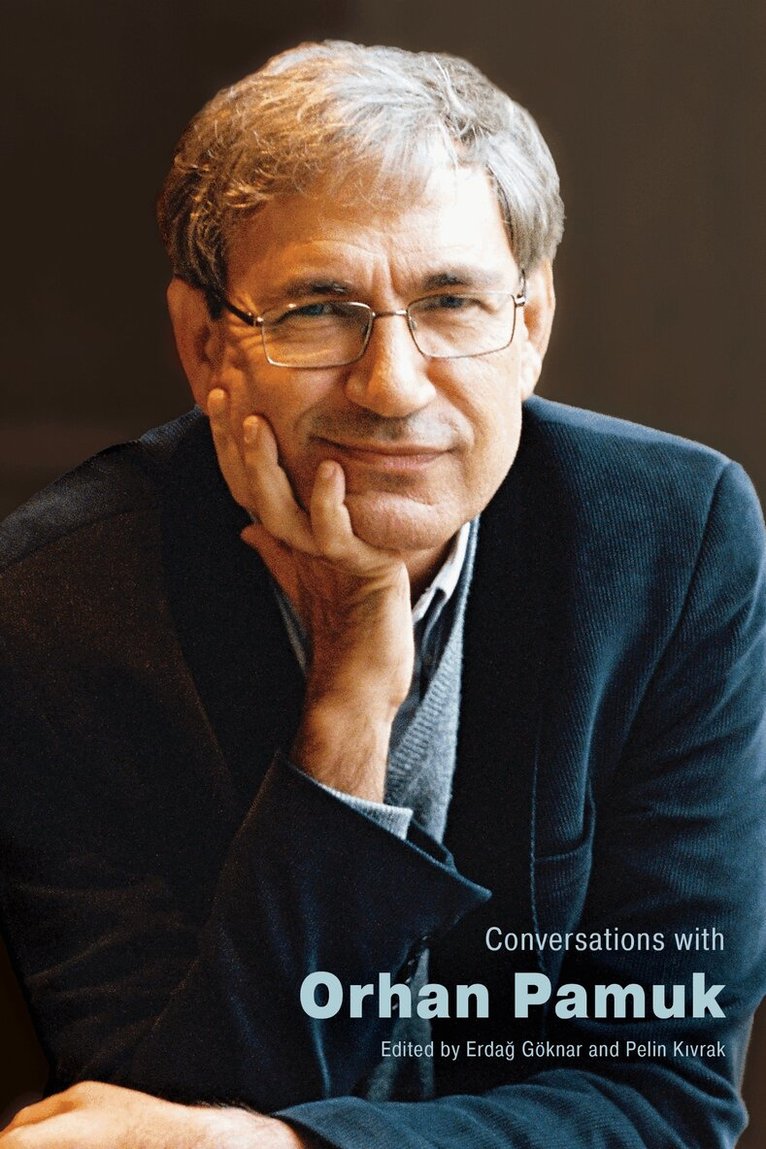
    Melanie S. Tanielian is an Associate Professor of History at the University of Michigan, Ann Arbor, and Director of the Program for International and Comparative Studies. She is a historian of war and society whose work focuses on the emergence of modern humanitarianism. Her first monograph, The Charity of War: Famine, Humanitarian Aid, and World War I in the Middle East, examines how the Ottoman home front confronted total war and mass starvation. Tanielian’s research explores how humanitarian practices take shape in moments of crisis, with particular attention to religious philanthropy, imperial and transnational networks, and the moral languages through which suffering was understood and addressed. Her second monograph, Scandals and Salvation: German Humanitarianism in the Eastern Mediterranean, 1896–1933 (forthcoming, Cambridge University Press), investigates how German Protestant humanitarians navigated moral controversy, religious commitment and geopolitical marginality, revealing scandal as both a crisis and a constitutive method in the development of modern humanitarianism. She has published int the American Historical Review, the Journal for Genocide Research, as well Humanity Journal among others. She is the co-editor of In the Spirit of H. Chandler Davis: Activism and the Struggle for Academic Freedom (Disobedience Press, 2026). Her research has been supported by the American Council of Learned Societies and the National Endowment for the Humanities. Erdağ Göknar is Associate Professor of Turkish and Middle East Studies at Duke University and former director of the Duke Middle East Studies Center. He is a scholar of literary and cultural studies and an award-winning translator whose research focuses on the intersections of literature and politics in Turkey and the Middle East; specifically, on late Ottoman legacies in modern and contemporary Turkish fiction, historiography, and popular culture. His books and translations include Orhan Pamuk, Secularism and Blasphemy: The Politics of the Turkish Novel (Routledge, 2013); a co-edited sourcebook, Mediterranean Passages: Readings from Dido to Derrida (UNC Press, 2008); and English-language translations of Ahmet Hamdi Tanpınar’s A Mind at Peace (Archipelago Books, 2011); Orhan Pamuk’s My Name is Red (Knopf, 2010; 2001) and Atiq Rahimi’s Earth and Ashes (Harcourt, 2002; Other 2010). He has also written a collection of poetry, Nomadologies (Turtle Point, 2017), and co-edited Conversations with Orhan Pamuk (University Press of Mississippi, 2024). His articles and commentaries have appeared in South Atlantic Quarterly, the Journal of Middle East Women’s Studies, NOVEL: A Forum on Fiction, Literature and Theology, and the Los Angeles Review of Books. He is the recipient of two NEA Translation Fellowships, and his current research focuses on intersections of law and literature in the analysis of the Allied occupation of Istanbul (1918-23) and political violence through historical legal cases. Hülya Adak is Senior Fellow at the Orient Institut Istanbul der Max Weber Stiftung and Visiting Professor of Gender Studies at the Margherita von Brentano Zentrum at Freie Universität Berlin. Between 2019-2022, she was the Director of SU Gender (Sabancı University's Gender and Women's Studies Center). She served as Professor of Ottoman and Turkish Studies at Freie Universität Berlin (2018-2020) and Assistant & Associate Professor of Comparative Literature and Gender Studies at Sabancı University (2001-2024). She is the recipient of the Alexander von Humboldt Fellowship for Experienced Researchers and Newton Grant (British Academy, with Murat Akser). Her articles in the fields of gender studies, memory and trauma studies, empire studies and nationalism, history of human rights, literature, theater, and film studies have been published in prominent journals, including the PMLA, New Perspectives on Turkey & South Atlantic Quarterly. Her recent works include Aesthetic Interventions to Gender-Based Violence and Sexual Violence (Special Issue of the European Journal of Women's Studies, 2025, with Julia Garraio); Critical Perspectives on Genocide: History, Politics and Aesthetics of 1915 (Routledge, 2023, with Müge Göçek and Ron Suny), Mapping Gender: What’s New and What’s Ahead in Ottoman and Turkish Studies (Max Weber Stiftung 2022, with Richard Wittmann); Performing Turkishness: Politics of Theater in Turkey and its Diasporas, (Special Issue of Comparative Drama, 2018, with R. Ertuğ Altınay), Halide Edib and Political Violence: The Armenian Atrocities, Dictatorship and Nonviolence (Bilgi UP, 2016, in turkish).


    Innehållsförteckning

    • AcknowledgmentsNote on TransliterationEditor & Contributor BiographiesList of FiguresPreface Introduction: Survivor ArchivesMelanie S. Tanielian, Erdağ Göknar, and Hülya AdakPART I: REMNANT AFTERLIVES1. Archiving Remnants: Literature and Catastrophe Before GenocideNanor Kebranian2. The 'Remnants' of Ottoman War Crimes Tribunals in Allied Occupied IstanbulErdağ Göknar3.Viewing Humanitarian Photographs of Tattooed Armenian Girls with a 'Disobedient Gaze'Elyse Semerdjian4. Save, Destroy: Undoing the Armenian DiasporaDavid KazanjianPART II: AFFECTIVE OBJECTS5. 'They Sold Our Neighbors’ Paintings Here': Dispossession and its Museal AfterlivesBanu Karaca6. The Archive Photograph: Humanitarian Performance and the Foreclosure of SurvivalMelanie Schulze Tanielian7. The Afterlives of Dead Bodies: Necropolitics as DenialEgemen Özbek8. Non-Aligned ArchivesAikaterini GegisianPART III: EMBODIED PERFORMANCE9. Diasporic Solidarities: Armenian Arts & Activism in Postmigrant BerlinVeronika Zablotsky10. The Afterlives of Textile-Objects and the Memory of ClothesMarie-Aude Baronian11. Diasporic Exorcism and Cryptonymic Afterlives of Catastrophe in Gariné Torossian's Stone, Time, Touch (2007)Karen JallatyanEpilogue: The Names and the ArchiveMarc Nichanian (translated by Gil Anidjar)Terminology: Survivor ArchivesBibliography