Melanie S. Tanielian – författare
Visar alla böcker från författaren Melanie S. Tanielian. Handla med fri frakt och snabb leverans.
5 produkter
5 produkter
Inbunden, Engelska, 2026
1 363 kr
Kommande
Survivor Archives uncovers the vibrant afterlives of materials, gestures, images, and artistic practices that endure long after episodes of mass political violence. How do objects, bodies and performances remember what history tries to erase? These 'remnants' – from textiles to photographs, bones to plays, and to genocide survivors themselves – speak, resist and reimagine the past. The volume reframes archives not as dusty repositories but as living terrains of grief, desire and radical knowledge.Drawing on the archival, affective and embodied turns in contemporary cultural studies, Survivor Archives brings together a distinguished group of historians, critics, artists and activists to chart a bold cartography of endurance. Focusing on Armenian genocide studies while pushing far beyond its conventional borders, the chapters traverse literary readings of Hagop Oshagan, legal analyses of Ottoman war crimes tribunals, humanitarian photography, museum misattribution, commemorative practices that enhance intercommunal solidarities and postmigrant coexistence, the necropolitics of human remains, the textures of textile memory, and the poetics of diasporic film. Together, the contributions expand historical, cultural and political notions of what constitutes an 'archive'.
Inbunden, Engelska, 2017
1 354 kr
Skickas inom 5-8 vardagar
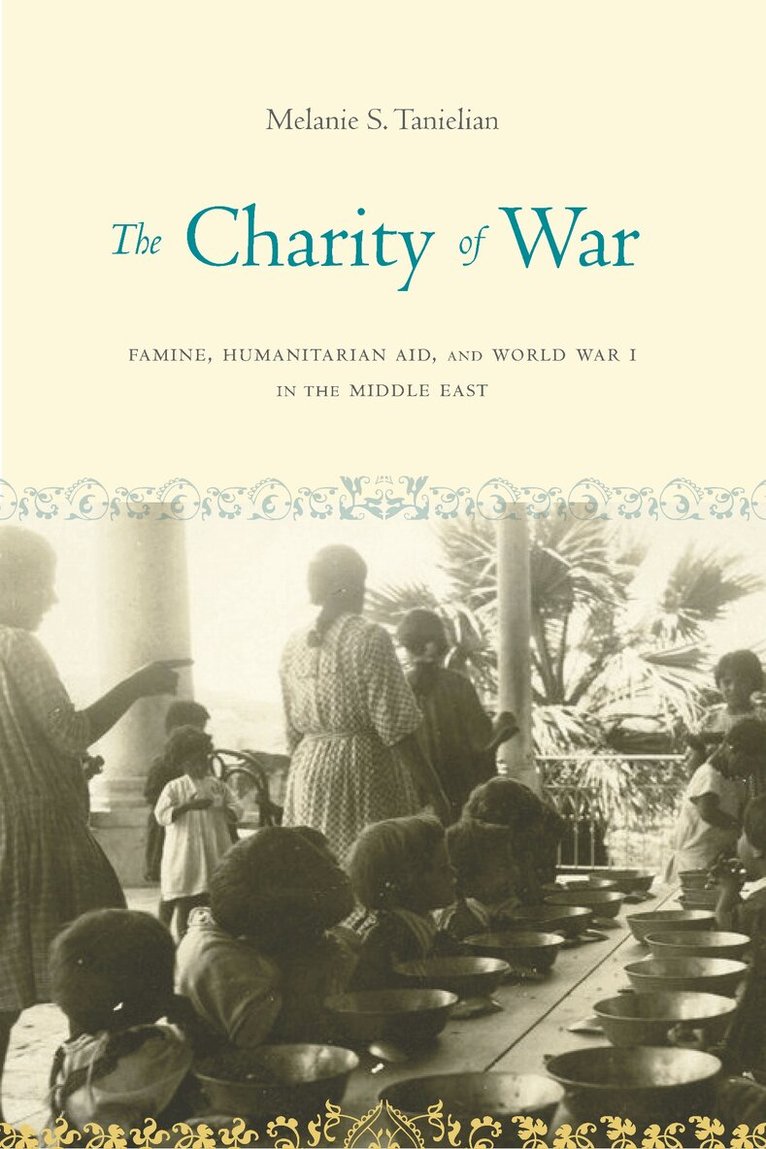
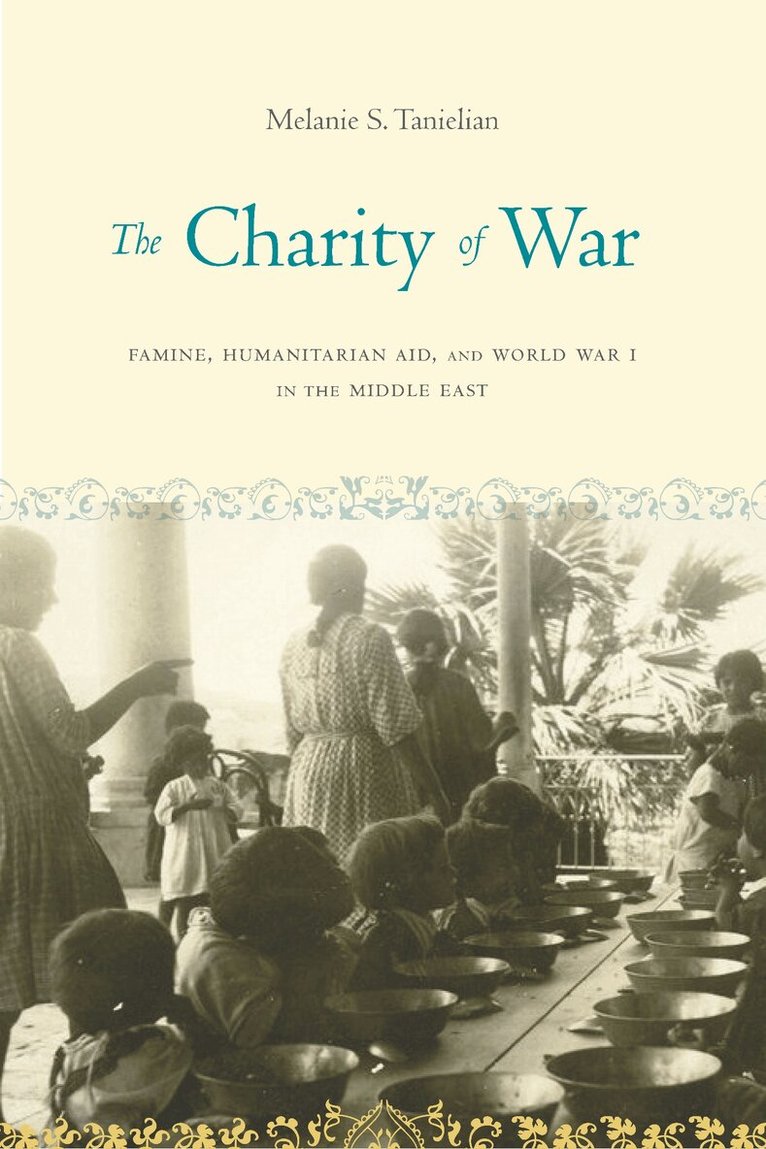
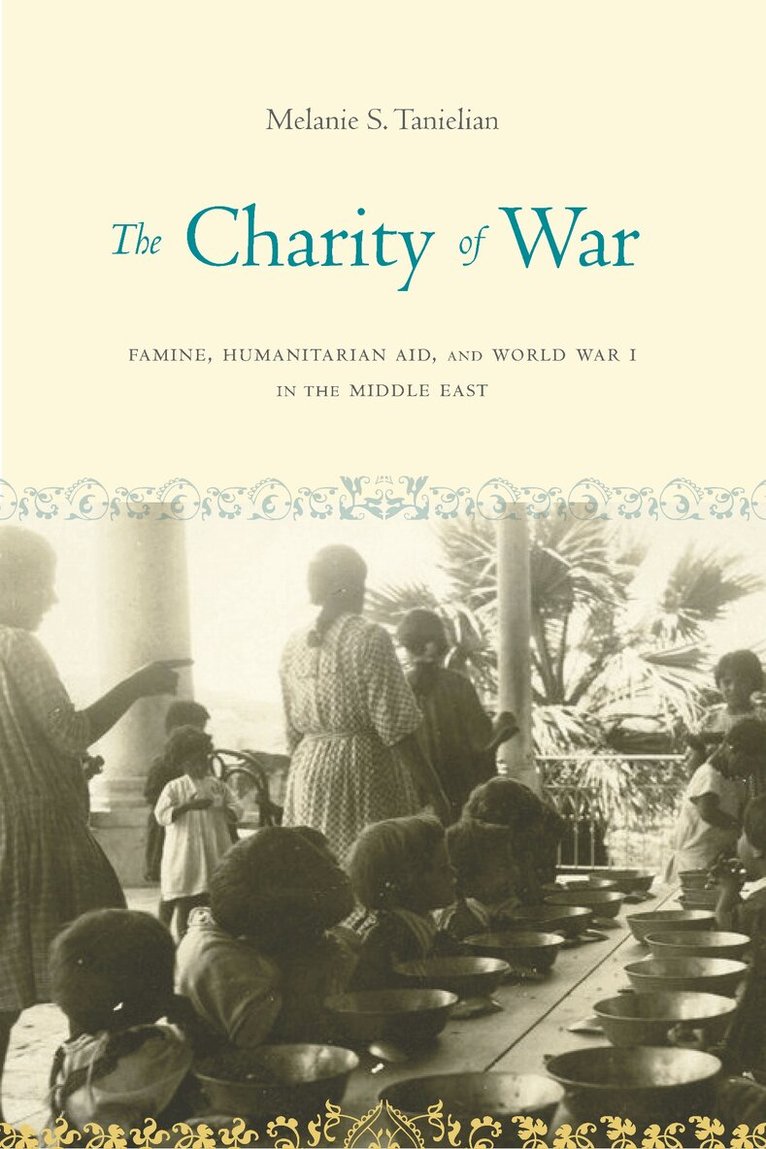
With the exception of a few targeted aerial bombardments of the city's port, Beirut and Mount Lebanon did not see direct combat in World War I. Yet civilian casualties in this part of the Ottoman Empire reached shocking heights, possibly numbering half a million people. No war, in its usual understanding, took place there, but Lebanon was incontestably war-stricken. As a food crisis escalated into famine, it was the bloodless incursion of starvation and the silent assault of fatal disease that defined everyday life.The Charity of War tells how the Ottoman home front grappled with total war and how it sought to mitigate starvation and sickness through relief activities. Melanie S. Tanielian examines the wartime famine's reverberations throughout the community: in Beirut's municipal institutions, in its philanthropic and religious organizations, in international agencies, and in the homes of the city's residents. Her local history reveals a dynamic politics of provisioning that was central to civilian experiences in the war, as well as to the Middle Eastern political landscape that emerged post-war. By tracing these responses to the conflict, she demonstrates World War I's immediacy far from the European trenches, in a place where war was a socio-economic and political process rather than a military event.
Häftad, Engelska, 2017
330 kr
Skickas inom 5-8 vardagar
With the exception of a few targeted aerial bombardments of the city's port, Beirut and Mount Lebanon did not see direct combat in World War I. Yet civilian casualties in this part of the Ottoman Empire reached shocking heights, possibly numbering half a million people. No war, in its usual understanding, took place there, but Lebanon was incontestably war-stricken. As a food crisis escalated into famine, it was the bloodless incursion of starvation and the silent assault of fatal disease that defined everyday life.The Charity of War tells how the Ottoman home front grappled with total war and how it sought to mitigate starvation and sickness through relief activities. Melanie S. Tanielian examines the wartime famine's reverberations throughout the community: in Beirut's municipal institutions, in its philanthropic and religious organizations, in international agencies, and in the homes of the city's residents. Her local history reveals a dynamic politics of provisioning that was central to civilian experiences in the war, as well as to the Middle Eastern political landscape that emerged post-war. By tracing these responses to the conflict, she demonstrates World War I's immediacy far from the European trenches, in a place where war was a socio-economic and political process rather than a military event.
E-bok
Engelska, 2017146 kr
Läs direkt efter köp
With the exception of a few targeted aerial bombardments of the city's port, Beirut and Mount Lebanon did not see direct combat in World War I. Yet civilian casualties in this part of the Ottoman Empire reached shocking heights, possibly numbering half a million people. No war, in its usual understanding, took place there, but Lebanon was incontestably war-stricken. As a food crisis escalated into famine, it was the bloodless incursion of starvation and the silent assault of fatal disease that defined everyday life.The Charity of War tells how the Ottoman home front grappled with total war and how it sought to mitigate starvation and sickness through relief activities. Melanie S. Tanielian examines the wartime famine's reverberations throughout the community: in Beirut's municipal institutions, in its philanthropic and religious organizations, in international agencies, and in the homes of the city's residents. Her local history reveals a dynamic politics of provisioning that was central to civilian experiences in the war, as well as to the Middle Eastern political landscape that emerged post-war. By tracing these responses to the conflict, she demonstrates World War I's immediacy far from the European trenches, in a place where war was a socio-economic and political process rather than a military event.
Häftad, Engelska, 2026
325 kr
Skickas inom 5-8 vardagar
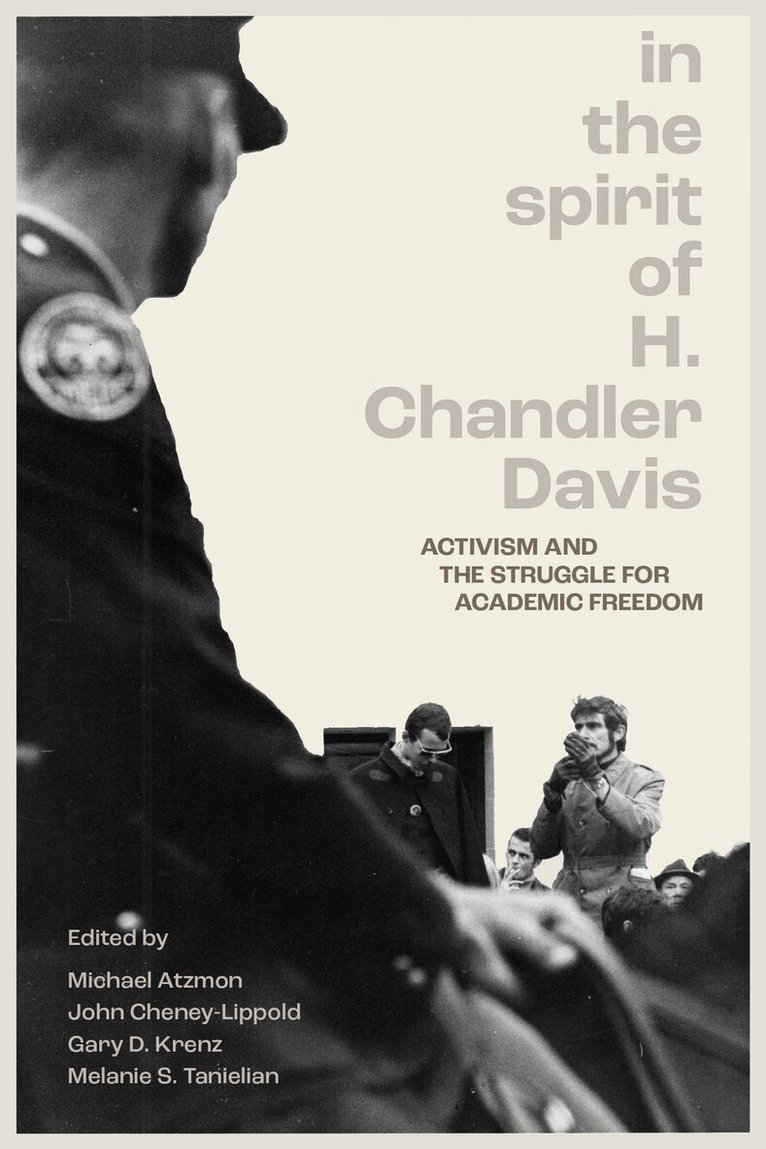
The essays collected in this book honor H. Chandler Davis (1926-2022), a University of Michigan faculty member who became a symbol of principled dissent when suspended and fired in 1954 for refusing to testify about his political affiliations to the House Un-American Activities Committee. Invoking academic freedom and First Amendment protection, Davis was convicted of contempt of Congress. He served six months in prison before moving to Canada, where he established himself as a brilliant mathematician, prolific writer, and ardent and much beloved advocate for justice.At a time when a new McCarthyism has come roaring back to threaten free inquiry everywhere, the 12 contributors to this book argue against censorship, the suppression of protest, the policed and surveilled campus, the self-silencing of "institutional neutrality," and other enemies of academic freedom. Also included in this volume is posthumously published work by Davis and by his late wife, the historian Natalie Zemon Davis, which reflects on the importance of facing, and not accepting, authoritarian threats. Inspired by Chandler Davis’ courage, integrity, and devotion to the struggle against oppression, injustice, and the persecution of speech, these essays offer crucial insights into the importance of defending intellectual independence, institutional autonomy, and the right to free expression.Contributors: Michael Bérubé, Juan Cole, H. Chandler Davis, Stefan Hanß, Marjorie Heins, Dima Khalidi, Gene Nichol, Henry Reichman, Ellen Schrecker, Joan Scott, Catharine R. Stimpson, Alan Wald, Silke-Maria Weineck, and Natalie Zemon Davis.