Eric C. Rath - Böcker
Visar alla böcker från författaren Eric C. Rath. Handla med fri frakt och snabb leverans.
5 produkter
5 produkter
1 325 kr
Skickas inom 7-10 vardagar
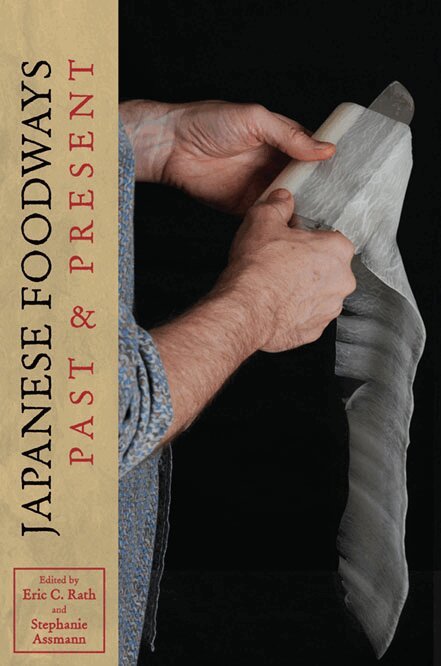
Spanning nearly six hundred years of Japanese food culture, Japanese Foodways, Past and Present considers the production, consumption, and circulation of Japanese foods from the mid-fifteenth century to the present day in contexts that are political, economic, cultural, social, and religious. Diverse contributors--including anthropologists, historians, sociologists, a tea master, and a chef--address a range of issues such as medieval banquet cuisine, the tea ceremony, table manners, cookbooks in modern times, food during the U.S. occupation period, eating and dining out during wartimes, the role of heirloom vegetables in the revitalization of rural areas, children's lunches, and the gentrification of blue-collar foods. Framed by two reoccurring themes--food in relation to place and food in relation to status--the collection considers the complicated relationships between the globalization of foodways and the integrity of national identity through eating habits. Focusing on the consumption of Western foods, heirloom foods, once-taboo foods, and contemporary Japanese cuisines, Japanese Foodways, Past and Present shows how Japanese concerns for and consumption of food has relevance and resonance with other foodways around the world. Contributors are Stephanie Assmann, Gary Soka Cadwallader, Katarzyna Cwiertka, Satomi Fukutomi, Shoko Higashiyotsuyanagi, Joseph R. Justice, Michael Kinski, Barak Kushner, Bridget Love, Joji Nozawa, Tomoko Onabe, Eric C. Rath, Akira Shimizu, George Solt, David E. Wells, and Miho Yasuhara.
310 kr
Skickas inom 7-10 vardagar
Spanning nearly six hundred years of Japanese food culture, Japanese Foodways, Past and Present considers the production, consumption, and circulation of Japanese foods from the mid-fifteenth century to the present day in contexts that are political, economic, cultural, social, and religious. Diverse contributors--including anthropologists, historians, sociologists, a tea master, and a chef--address a range of issues such as medieval banquet cuisine, the tea ceremony, table manners, cookbooks in modern times, food during the U.S. occupation period, eating and dining out during wartimes, the role of heirloom vegetables in the revitalization of rural areas, children's lunches, and the gentrification of blue-collar foods. Framed by two reoccurring themes--food in relation to place and food in relation to status--the collection considers the complicated relationships between the globalization of foodways and the integrity of national identity through eating habits. Focusing on the consumption of Western foods, heirloom foods, once-taboo foods, and contemporary Japanese cuisines, Japanese Foodways, Past and Present shows how Japanese concerns for and consumption of food has relevance and resonance with other foodways around the world. Contributors are Stephanie Assmann, Gary Soka Cadwallader, Katarzyna Cwiertka, Satomi Fukutomi, Shoko Higashiyotsuyanagi, Joseph R. Justice, Michael Kinski, Barak Kushner, Bridget Love, Joji Nozawa, Tomoko Onabe, Eric C. Rath, Akira Shimizu, George Solt, David E. Wells, and Miho Yasuhara.
170 kr
Skickas inom 7-10 vardagar
Since the inception of the noh drama six centuries ago, actors have resisted the notion that noh rests on natural talent alone. Correct performance, they claim, demands adherence to traditions. Yet what constitutes noh’s traditions and who can claim authority over them have been in dispute throughout its history. This book traces how definitions of noh, both as an art and as a profession, have changed over time. The author seeks to show that the definition of noh as an art is inseparable from its definition as a profession.The aim of this book is to describe how memories of the past become traditions, as well as the role of these traditions in the institutional development of the noh theater from its beginnings in the fourteenth century through the late twentieth century. It focuses on the development of the key traditions that constitute the “ethos of noh,” the ideology that empowered certain groups of actors at the expense of others, and how this ethos fostered noh’s professionalization—its growth from a loose occupation into a closed, regulated vocation. The author argues that the traditions that form the ethos of noh, such as those surrounding masks and manuscripts, are the key traits that define it as an art.
208 kr
Skickas
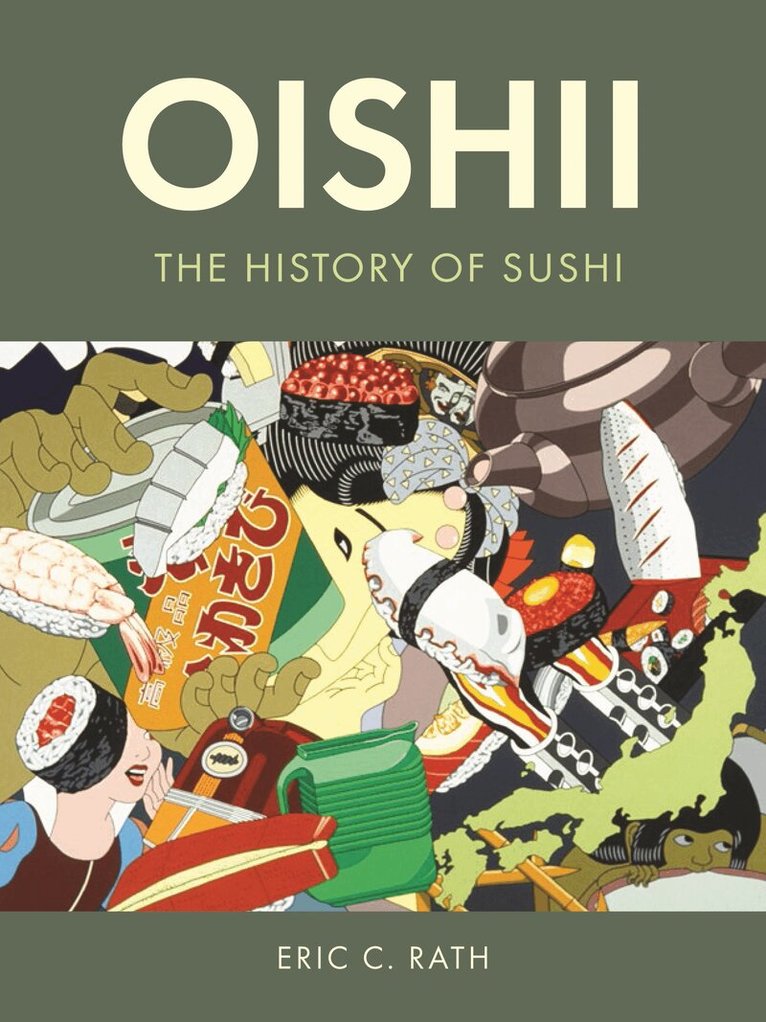
Sushi and sashimi are by now global sensations and have become perhaps the best-known of Japanese foods, but they are also the most widely misunderstood. Oishii: The History of Sushi reveals that sushi began as a fermented food with a sour taste, used as a means to preserve fish. This book, the first history of sushi in English, traces sushi’s development from China to Japan and then internationally, and its evolution from street food to high-class cuisine. Included are historical and original recipes that display the diversity of sushi and how to prepare it. An expert on Japanese food history, Eric C. Rath has written a must-read for understanding sushi’s past and how it became one of the world’s greatest cuisines.
200 kr
Skickas
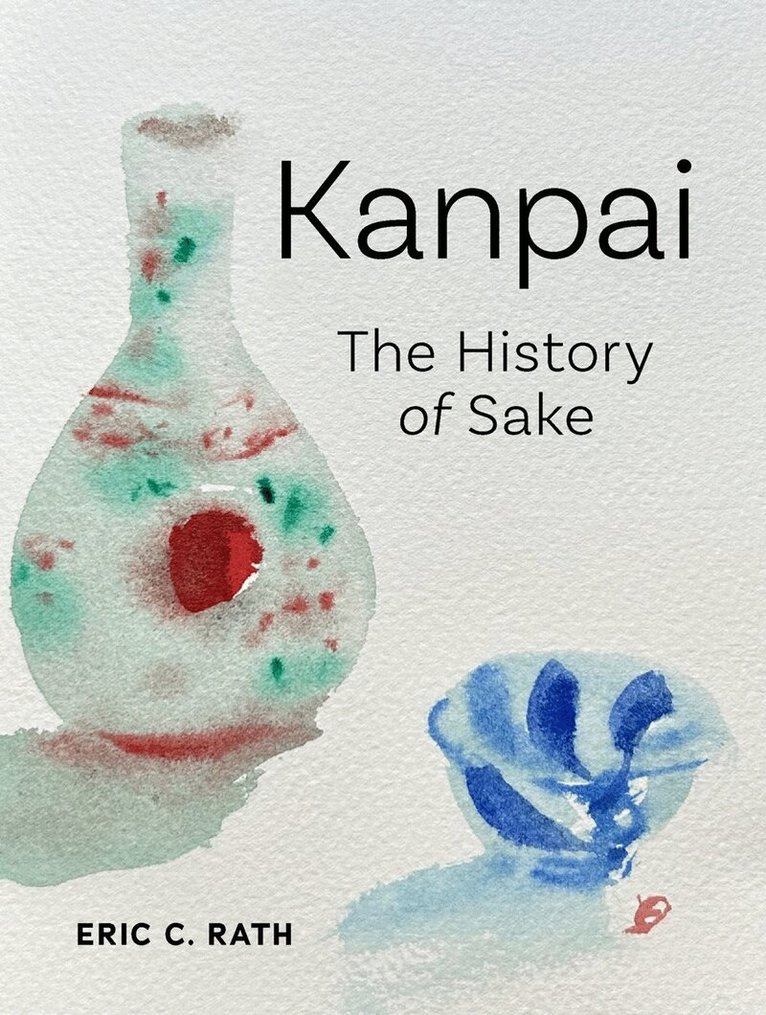
Sake, Japan’s iconic rice-based alcoholic drink, has been central to Japanese culture for over 1,300 years. Traditionally made with rice, water and kōji mould, it was consumed in early brewpubs and was vital to samurai rituals and festivals. Sake’s story includes homebrewers like clan matriarchs, ancient princes and modern political activists who defied laws to keep homebrewing alive. Temples refined sake-making techniques, laying the foundation for a thriving industry that became a major economic force for shoguns and the modern state. Kanpai is the first history of sake in English, exploring its evolution from homebrew to flavoured varieties, its cultural significance and global rise, including its growing popularity and production in North America and Europe. The book also shows how sake has shaped Japanese food, society and traditions.