Eric E. Bowne – författare
Visar alla böcker från författaren Eric E. Bowne. Handla med fri frakt och snabb leverans.
7 produkter
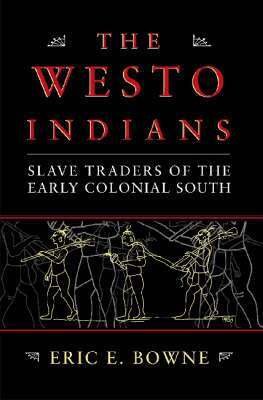
Westo Indians
Slave Traders of the Early Colonial South
Häftad, 2005
282 kr
Lägg i varukorg
The Westo Indians, who lived in the Savannah River region during the second half of the 17th century, are mentioned in few primary documents and only infrequently in secondary literature. There are no known Westo archaeological sites; no artifacts can be linked to the group; and no more than a …
Light on the Path
The Anthropology and History of the Southeastern Indians
Av Eric E. Bowne, Steven C. Hahn m. fl.
Häftad, 2006
579 kr
Lägg i varukorg
The past 20 years have witnessed a change in the study of the prehistory and history of the native peoples of the American South. This paradigm shift is the bridging of prehistory and history to fashion a seamless social history that includes not only the 16th-century Late Mississippian period and …
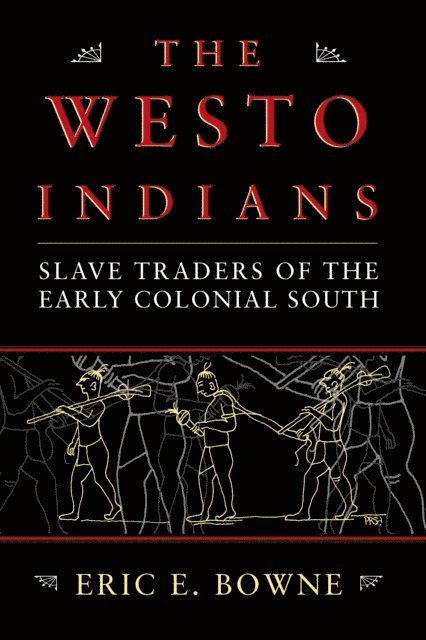
Westo Indians
Slave Traders of the Early Colonial South
E-bok, 2010
487 kr
Lägg i varukorg
A comprehensive study that rescues the Westo from obscurity. The Westo Indians, who lived in the Savannah River region during the second half of the 17th century, are mentioned in few primary documents and only infrequently in secondary literature. There are no known Westo archaeological sites; no …
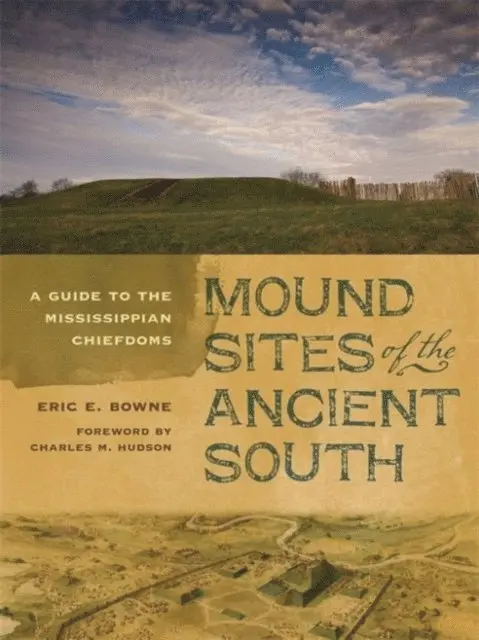
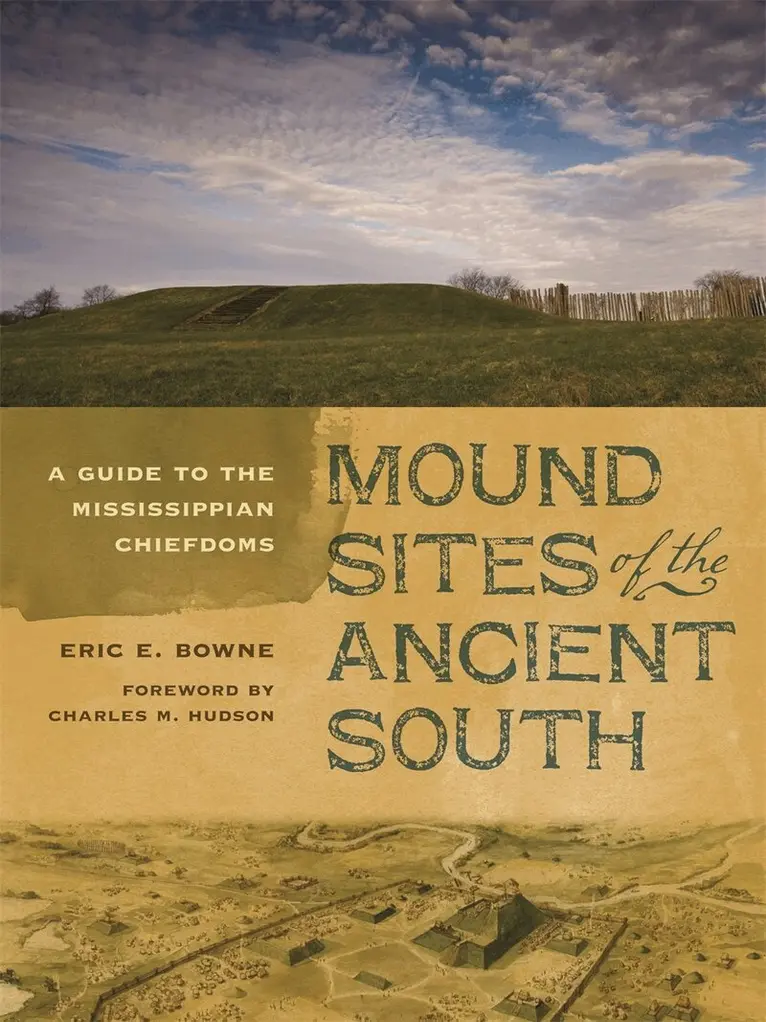
Mound Sites of the Ancient South
A Guide to the Mississippian Chiefdoms
E-bok, 2013
563 kr
Lägg i varukorg
From approximately AD 900 to 1600, ancient Mississippian culture dominated today''s southeastern United States. These Native American societies, known more popularly as moundbuilders, had populations that numbered in the thousands, produced vast surpluses of food, engaged in longdistance trading, …
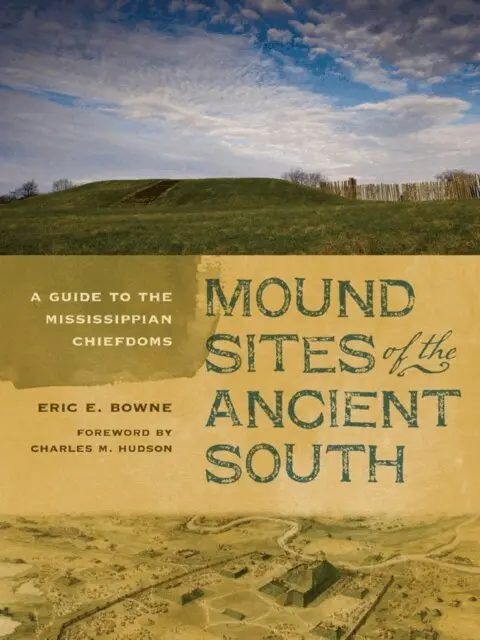
Mound Sites of the Ancient South
A Guide to the Mississippian Chiefdoms
E-bok, 2013
582 kr
Lägg i varukorg
From approximately AD 900 to 1600, ancient Mississippian culture dominated today's southeastern United States. These Native American societies, known more popularly as moundbuilders, had populations that numbered in the thousands, produced vast surpluses of food, engaged in longdistance trading, …
Historical Turn in Southeastern Archaeology
Av Robbie Ethridge, Eric E. Bowne
Inbunden, 2020
996 kr
Lägg i varukorg
This volume uses case studies to capture the recent emphasis on history in archaeological reconstructions of America's deep past. Previously, archaeologists studying "prehistoric" America focused on long-term evolutionary change, imagining ancient societies like living organisms slowly adapting to …
Mound Sites of the Ancient South
A Guide to the Mississippian Chiefdoms
Häftad, 2013
611 kr
Tillfälligt slut
From approximately AD 900 to 1600, ancient Mississippian culture dominated today’s southeastern United States. These Native American societies, known more popularly as moundbuilders, had populations that numbered in the thousands, produced vast surpluses of food, engaged in longdistance trading, …