Eric G. Bolen – författare
Visar alla böcker från författaren Eric G. Bolen. Handla med fri frakt och snabb leverans.
7 produkter
7 produkter
2 425 kr
Skickas inom 7-10 vardagar
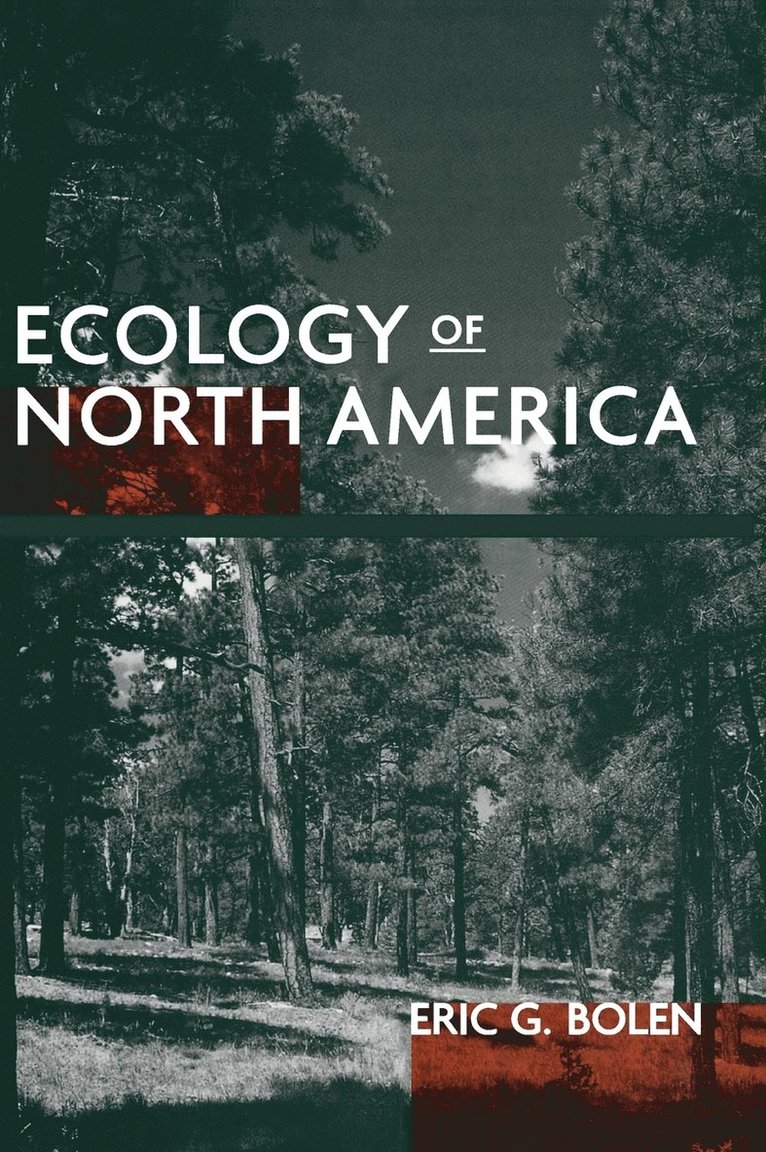
From windswept tundra to humid subtropical everglades, fromgracious coniferous forests to austere deserts, North America isblessed with an incredibly diverse array of natural environments,each supporting a unique system of plant and animal life. Thesesystems--also known as biomes--are tightly woven webs of life thathave taken millennia to evolve. This lavishly illustrated bookintroduces readers to this extraordinary array of naturalcommunities and to the subtle interactions of minerals, plants, andanimals that take place within them. Professor Eric Bolen takes a qualitative, intuitive approach to hissubject, beginning with an overview of essential ecological termsand concepts, such as competitive exclusion, taxa, niches, andsuccession. Then, biome by biome, he covers the entirety of Canadaand the United States, starting with the tundra of the far northand working his way south and then west to conclude in the desertsand chaparral of southern California. Along the way, he delves intopertinent conservation issues and features fascinating historicalvignettes and original documents detailing human impact on variousenvironments--for instance, the role of John Deere's plow insettling grasslands, and the use of fur records from Hudson's BayCompany. Throughout, he enlivens the text with dozens of exquisitephotographs and illuminating maps, graphs, charts, andtables. Ecology of North America is an ideal first text for studentsinterested in natural resources, environmental science, andbiology, and it is a useful and attractive addition to the libraryof anyone interested in understanding and protecting the naturalenvironment.
Abundance of Curiosities
The Natural History of North Carolina’s Coastal Plain
Inbunden, Engelska, 2022
562 kr
Skickas
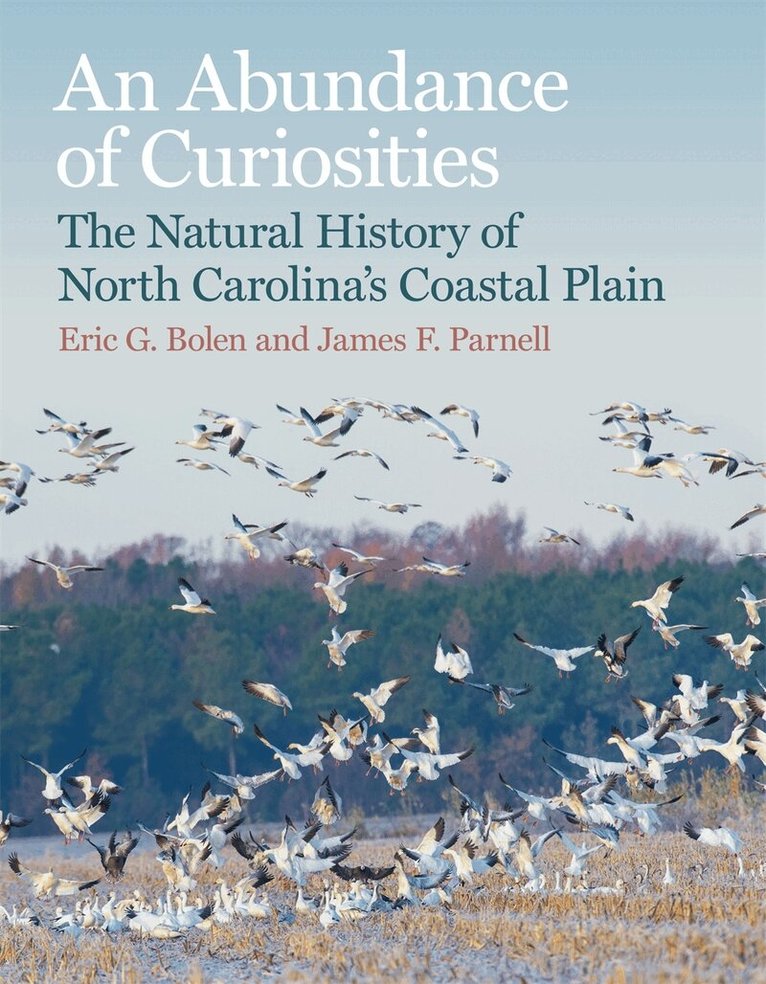
A popular tourist area, North Carolina’s coastal region is the destination of roughly 25 percent of all North Carolina visitors each year, or approximately 12.1 million people. Composed of twenty-eight of the eastern-most counties of North Carolina, the Coastal Plain is the largest and most diverse of the state’s three biogeographical regions. Beginning with an overview of early naturalists who marveled at the region’s natural treasures, Eric G. Bolen and James F. Parnell’s natural history of the Coastal Plain offers a nature-focused walk through the distinctive geological features and plant and animal communities of the area that extends from the Fall Line (delineated approximately by I-95) to the shores of the Atlantic Ocean. This richly illustrated volume presents a journey that begins with the Outer Banks and their beaches, dunes, wild horses, and maritime forests, then moves on to describe the form and functions of the region’s extensive salt marshes. The text continues with visits to the mysterious Carolina bays, Lake Waccamaw, dark cypress swamps, the Great Dismal Swamp, and blackwater streams. Along the way, readers will encounter the habitat and concerns for the last remaining wild population of red wolves and the recently established nesting colonies of wood storks. Rivers and sounds, highlighted by seagrasses, bottomland forests, and eel migrations, come next, followed by a tour of uplands, where bogs garnished with carnivorous plants dot wet savannahs; also presented are the Carolina Sandhills with their stately forests of longleaf pine, colorful tree frogs, burrowing snakes, and unique fishes. To conclude, an afterword discusses the motivations for saving endangered species.Infoboxes scattered throughout the text offer stand-alone explorations of historical and cultural topics associated with North Carolina’s Coastal Plain. Subjects such as whaling, waterfowl decoys, the chanteys of menhaden fisherman, fire ecology, and the extinction of Carolina parakeets illustrate the breadth of coverage. For reference, an appendix cites the scientific names of species mentioned in the text, and a list of readings and references appends each chapter.
863 kr
Skickas inom 7-10 vardagar
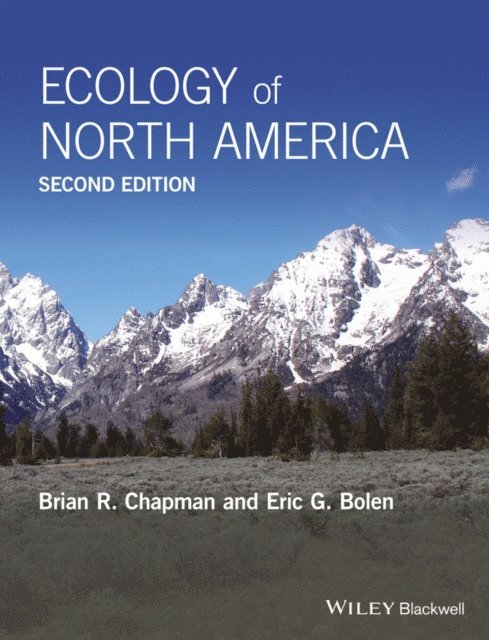
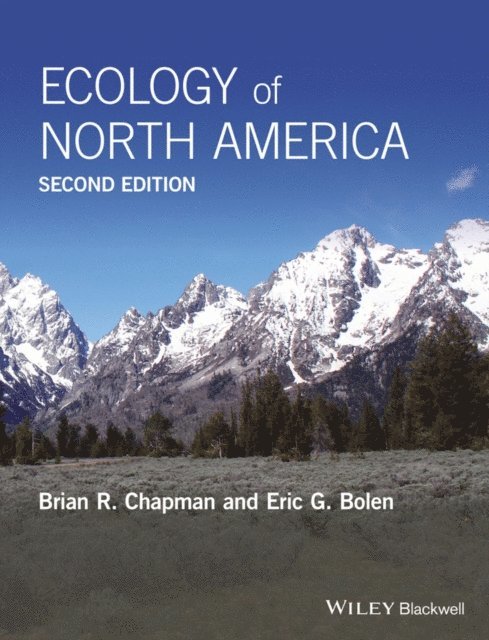
North America contains an incredibly diverse array of natural environments, each supporting unique systems of plant and animal life. These systems, the largest of which are biomes, form intricate webs of life that have taken millennia to evolve. This richly illustrated book introduces readers to this extraordinary array of natural communities and their subtle biological and geological interactions.Completely revised and updated throughout, the second edition of this successful text takes a qualitative, intuitive approach to the subject, beginning with an overview of essential ecological terms and concepts, such as competitive exclusion, taxa, niches, and succession. It then goes on to describe the major biomes and communities that characterize the rich biota of the continent, starting with the Tundra and continuing with Boreal Forest, Deciduous Forest, Grasslands, Deserts, Montane Forests, and Temperature Rain Forest, among others. Coastal environments, including the Laguna Madre, seagrasses, Chesapeake Bay, and barrier islands appear in a new chapter. Additionally, the book covers many unique features such as pitcher plant bogs, muskeg, the polar ice cap, the cloud forests of Mexico, and the LaBrea tar pits. “Infoboxes” have been added; these include biographies of historical figures who provided significant contributions to the development of ecology, unique circumstances such as frogs and insects that survive freezing, and conservation issues such as those concerning puffins and island foxes. Throughout the text, ecological concepts are worked into the text; these include biogeography, competitive exclusion, succession, soil formation, and the mechanics of natural selection.Ecology of North America 2e is an ideal first text for students interested in natural resources, environmental science, and biology, and it is a useful and attractive addition to the library of anyone interested in understanding and protecting the natural environment.
534 kr
Skickas inom 7-10 vardagar
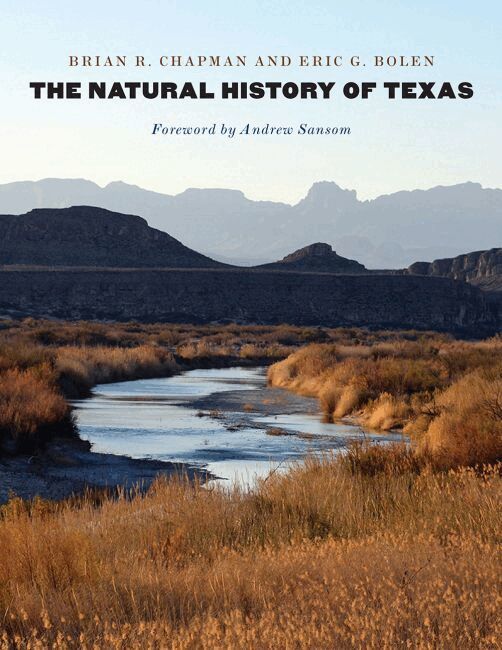
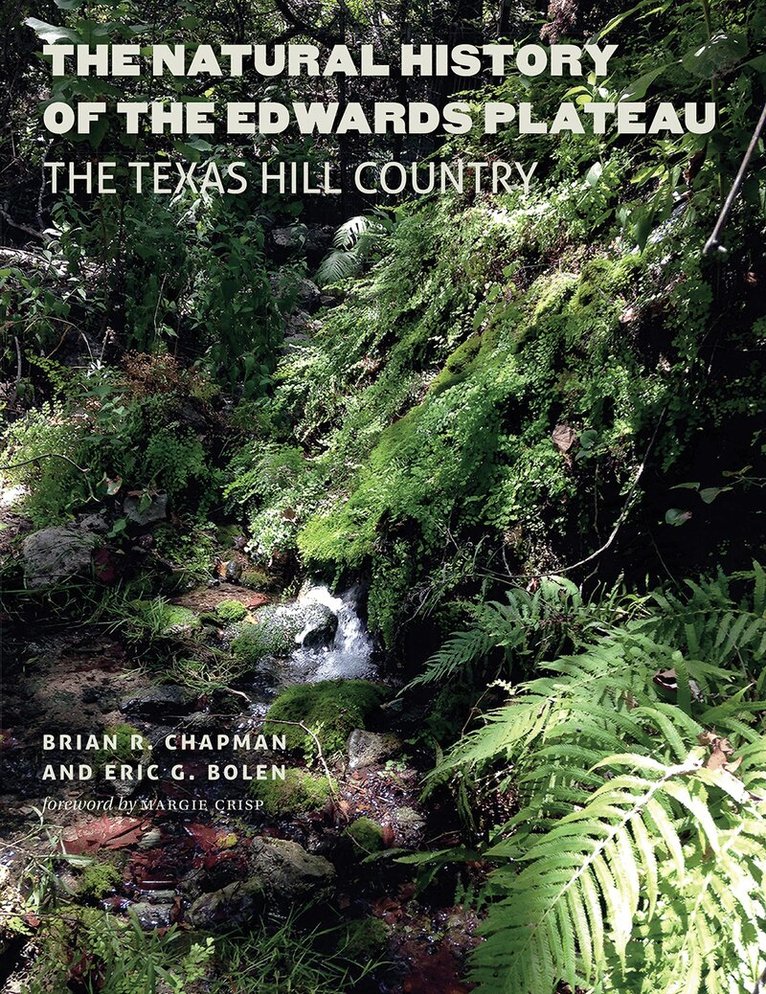
From two veteran ecologists comes a new and sweeping exploration of the natural history of Texas in all its biological diversity and geological variation. Few states, if any, can match Texas for its myriad species, past and present, and its many distinctive landscapes, from prairie grasslands and hardwood forests to coastal lagoons and desert mountains.Beginning with the stories of how biologists and naturalists have over time defined the ecological areas of this very big state, the authors visit each of the eleven regions, including the Texas coast. They describe the dominant flora and fauna of each, explain the defining geologic features, and highlight each region’s unique characteristics, such as carnivorous plants in the Piney Woods and returning black bears in the Trans-Pecos.Throughout, the authors remain especially conscious of the conservation and management issues affecting the natural resources of each region, revealing their deep affection for and knowledge about the state. Bolstered by a glossary, further reading suggestions, a description of state symbols, and an appendix of scientific names, this is an educational and essential volume for all Texans.
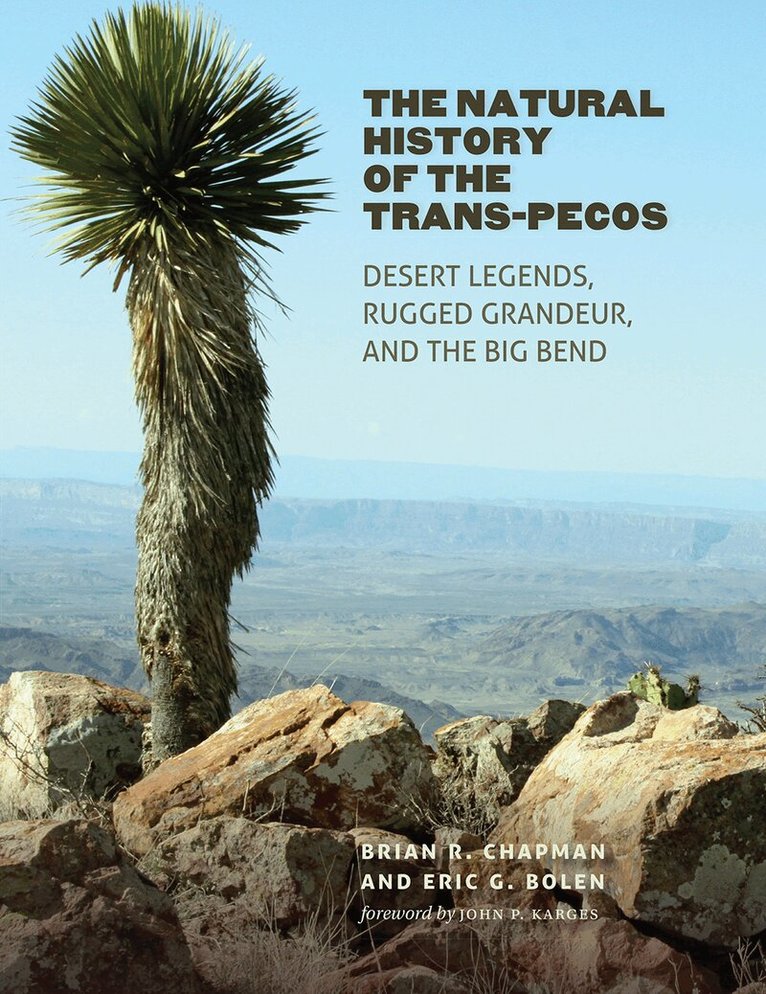
Natural History of the Trans-Pecos
Desert Legends, Rugged Grandeur, and the Big Bend
Häftad, Engelska, 2020
158 kr
Skickas inom 11-20 vardagar
The last frontier in Texas, the Trans-Pecos region is an immense and remote series of desert basins in the western-most part of the state. Columns of rock and stony debris dot the landscape, with various peaks, such as the notable El Capitan, rising from a long-forgotten sea floor. While the acidic and shallow desert soil only allows for scrubby vegetation in many places, what survives is rugged, colorful, and adaptable. Far from just an arid region, however, the Trans-Pecos is also home to grasslands, wetlands, and even woodlands. Animal life varies considerably, from the Black-tailed Jackrabbit and Desert Cicada to Bighorn Sheep, Black Bears, and Mountain Lions.Complete with an introduction chronicling the stories of biologists and naturalists who have explored and defined the ecological areas of Texas over time, The Natural History of the Trans-Pecos explores the formation of the region more than 600 million years ago, the adaptability of its ecosystems, and the conservation efforts to keep these wildly diverse environments flourishing. Detailed descriptions, vivid anecdotes, and vibrant pictures of the features that make this region so unique emphasize the rugged grandeur of the Trans-Pecos.
341 kr
Skickas inom 10-15 vardagar
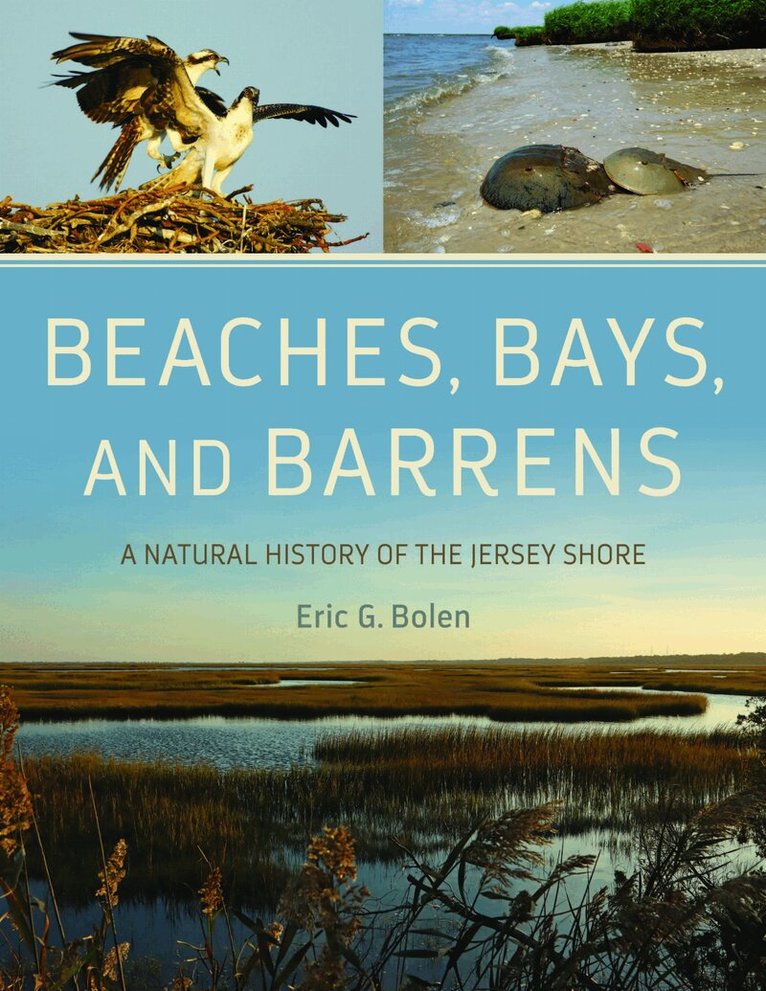
The Jersey Shore attracts millions of visitors each year, drawn to its sandy beaches. Yet New Jersey’s coastline contains a richer array of biodiverse habitats than most tourists realize, from seagrass meadows to salt marshes to cranberry bogs. Beaches, Bays, and Barrens introduces readers to the natural wonders of the Jersey Shore, revealing its unique ecology and fascinating history. The journey begins with the contributions and discoveries of early naturalists who visited the region and an overview of endangered species and natural history, followed by chapters that explore different facets of the shore’s environments. These start with sandy beaches and dunes and culminate in the engaging Pine Barrens, the vital watershed for much of the state’s varied coastline. Along the way, readers will also learn about whaling, decoy carvers, an extinct duck, and the cultivation of wild blueberries.Including over seventy color photographs, the book also features twenty-three infoboxes that go deep into areas of ecological or historical interest, such as the Forsythe National Wildlife Refuge or the Jaws-like shark attacks of 1916. From Cape May to Sandy Hook, biologist Eric G. Bolen takes you on a guided tour of the Jersey Shore’s rich ecological heritage.
785 kr
Skickas inom 7-10 vardagar
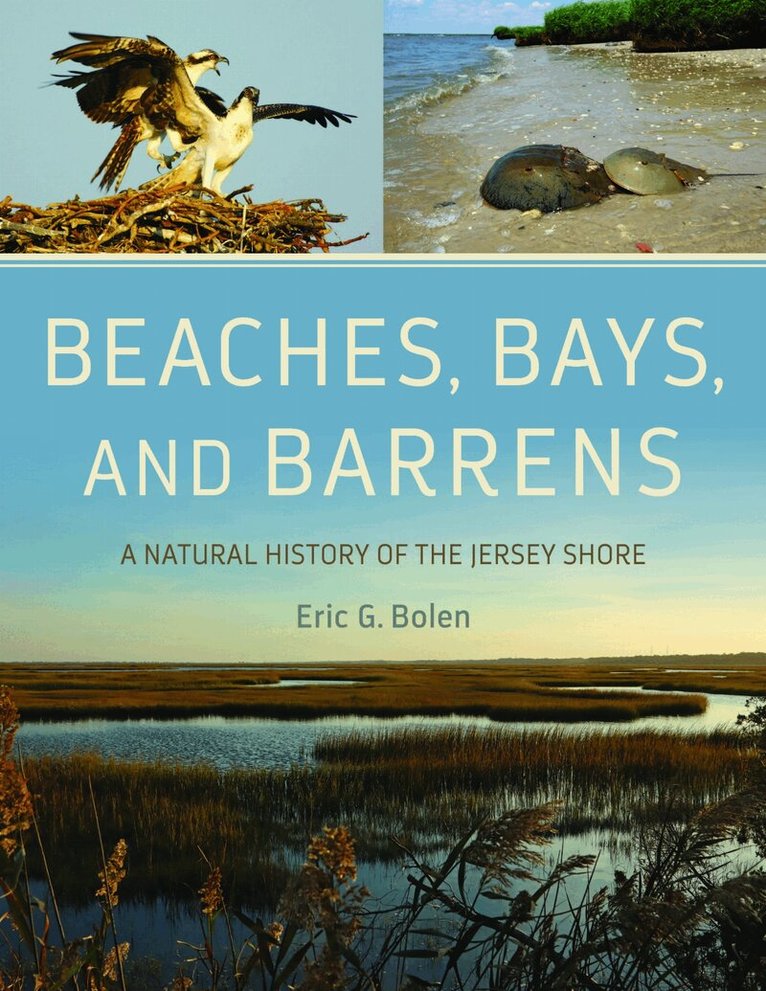
The Jersey Shore attracts millions of visitors each year, drawn to its sandy beaches. Yet New Jersey’s coastline contains a richer array of biodiverse habitats than most tourists realize, from seagrass meadows to salt marshes to cranberry bogs. Beaches, Bays, and Barrens introduces readers to the natural wonders of the Jersey Shore, revealing its unique ecology and fascinating history. The journey begins with the contributions and discoveries of early naturalists who visited the region and an overview of endangered species and natural history, followed by chapters that explore different facets of the shore’s environments. These start with sandy beaches and dunes and culminate in the engaging Pine Barrens, the vital watershed for much of the state’s varied coastline. Along the way, readers will also learn about whaling, decoy carvers, an extinct duck, and the cultivation of wild blueberries.Including over seventy color photographs, the book also features twenty-three infoboxes that go deep into areas of ecological or historical interest, such as the Forsythe National Wildlife Refuge or the Jaws-like shark attacks of 1916. From Cape May to Sandy Hook, biologist Eric G. Bolen takes you on a guided tour of the Jersey Shore’s rich ecological heritage.