James F. Parnell – författare
Visar alla böcker från författaren James F. Parnell. Handla med fri frakt och snabb leverans.
8 produkter
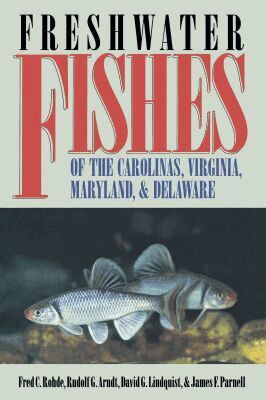
Freshwater Fishes of the Carolinas, Virginia, Maryland, and Delaware
Häftad, 1996
426 kr
Lägg i varukorg
Encompassing habitats as diverse as alpine forests and subtropical swamps, the Mid-Atlantic region has a richly diverse fish fauna. Outside of the important sport and commercial species, however, few are known to the average person. This book provides information on how to identify some 260 species …
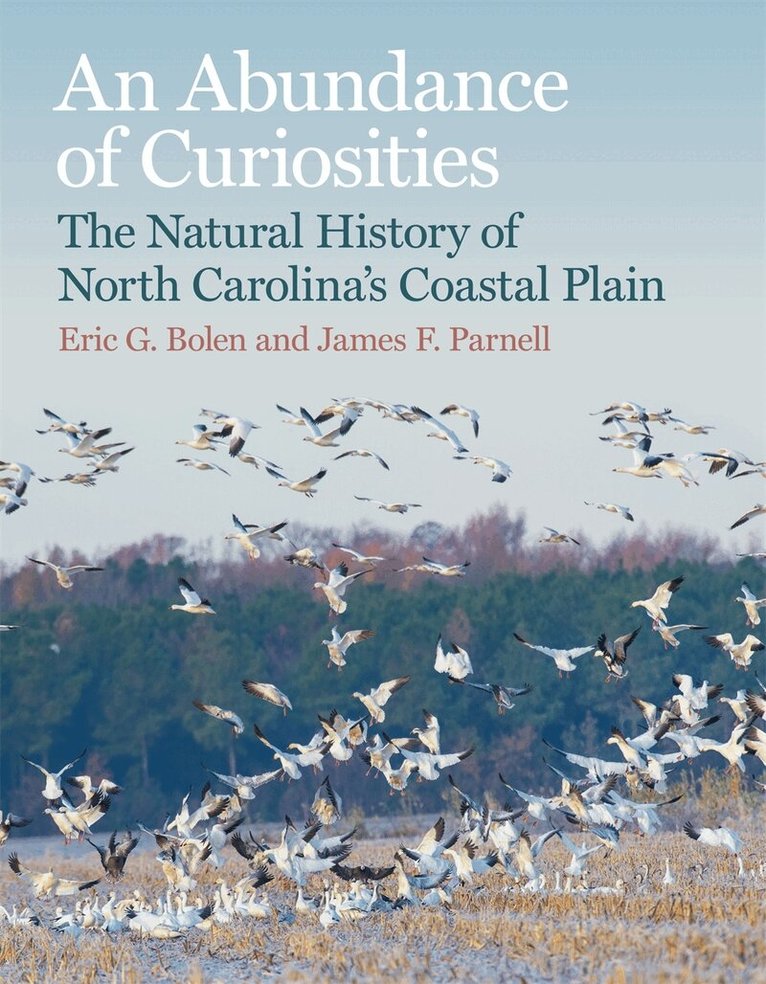
Abundance of Curiosities
The Natural History of North Carolina’s Coastal Plain
Av Eric G. Bolen, James F. Parnell
Inbunden, 2022
800 kr
Lägg i varukorg
A popular tourist area, North Carolina’s coastal region is the destination of roughly 25 percent of all North Carolina visitors each year, or approximately 12.1 million people. Composed of twenty-eight of the eastern-most counties of North Carolina, the Coastal Plain is the largest and most diverse …
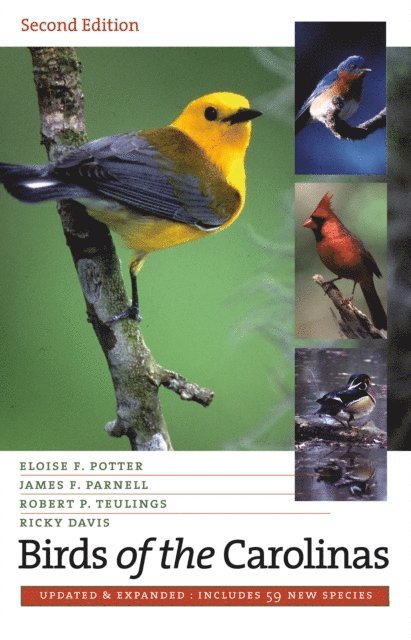
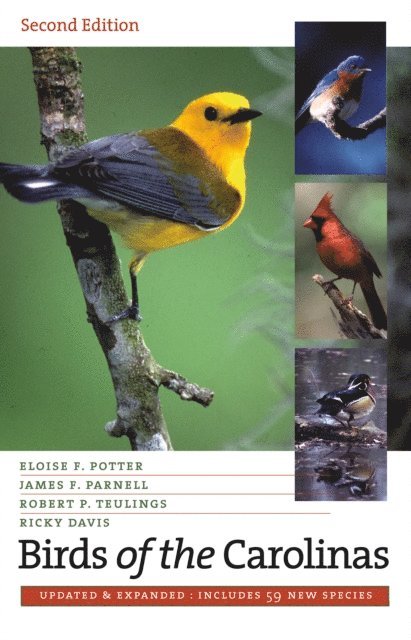
Birds of the Carolinas
Av Ricky Davis, Robert P. Teulings m. fl.
E-bok, 2015
288 kr
Lägg i varukorg
The well-loved standard reference for bird-watchers and nature lovers in North Carolina and South Carolina, Birds of the Carolinas collects information on all avian species known to have occurred in the region since 1900. This thoroughly revised second edition describes more than 460 individual …
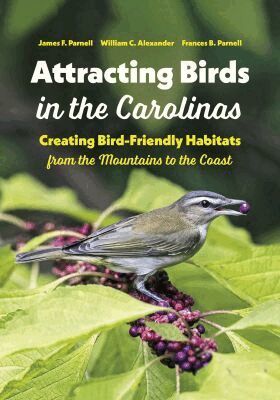
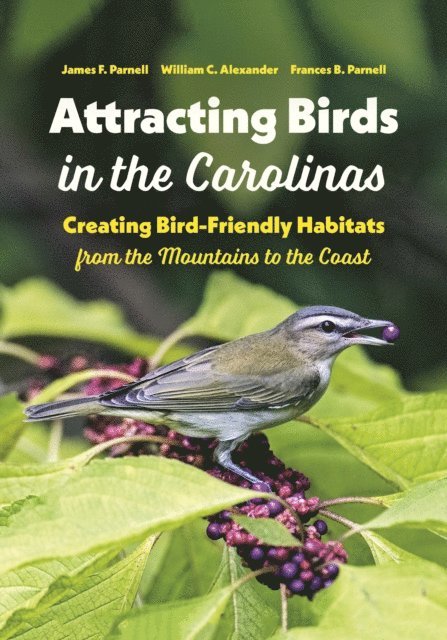
Attracting Birds in the Carolinas
Creating Bird-Friendly Habitats from the Mountains to the Coast
Av James F. Parnell, William C. Alexander m. fl.
Häftad, 2021
137 kr
Lägg i varukorg
Covering the Carolinas from up-country to the Piedmont to the Coastal Plain, this book is an in-depth yet accessible primer on the many ways that Carolinians can attract birds--from large wildlife refuges to private sanctuaries, and from farms to suburban homes and even apartments. The first book …
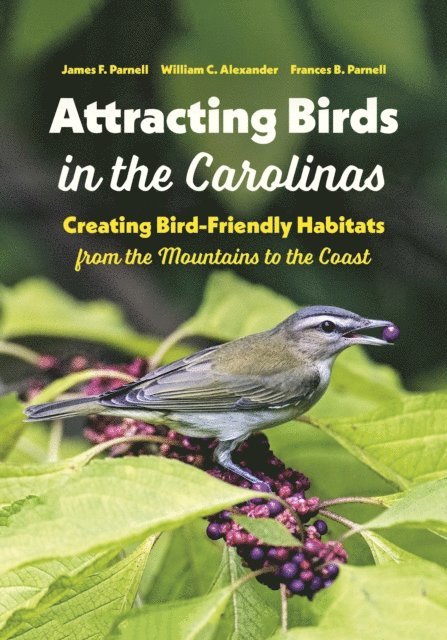
Attracting Birds in the Carolinas
Creating Bird-Friendly Habitats from the Mountains to the Coast
Av Frances B. Parnell, William C. Alexander m. fl.
E-bok, 2021
303 kr
Lägg i varukorg
Covering the Carolinas from up-country to the Piedmont to the Coastal Plain, this book is an in-depth yet accessible primer on the many ways that Carolinians can attract birds--from large wildlife refuges to private sanctuaries, and from farms to suburban homes and even apartments. The first book …
Attracting Birds in the Carolinas
Creating Bird-Friendly Habitats from the Mountains to the Coast
Av Frances B. Parnell, William C. Alexander m. fl.
E-bok, 2021
304 kr
Lägg i varukorg
Covering the Carolinas from up-country to the Piedmont to the Coastal Plain, this book is an in-depth yet accessible primer on the many ways that Carolinians can attract birds--from large wildlife refuges to private sanctuaries, and from farms to suburban homes and even apartments. The first book …
Birds of the Carolinas
Av Ricky Davis, Robert P. Teulings m. fl.
E-bok, 2015
294 kr
Lägg i varukorg
The well-loved standard reference for bird-watchers and nature lovers in North Carolina and South Carolina, Birds of the Carolinas collects information on all avian species known to have occurred in the region since 1900. This thoroughly revised second edition describes more than 460 individual …
Birds of the Carolinas
Av Eloise F. Potter, James F. Parnell m. fl.
Häftad, 1986
261 kr
Tillfälligt slut
This beautiful book is an indispensable companion for both residents and tourists who enjoy the remarkably diverse bird life in the Carolinas, an area that attracts 80 percent of the species found in eastern North America. Featuring 338 color photographs, it offers detailed information on more than …