Eric Gary Anderson - Böcker
Visar alla böcker från författaren Eric Gary Anderson. Handla med fri frakt och snabb leverans.
6 produkter
6 produkter
386 kr
Skickas inom 7-10 vardagar
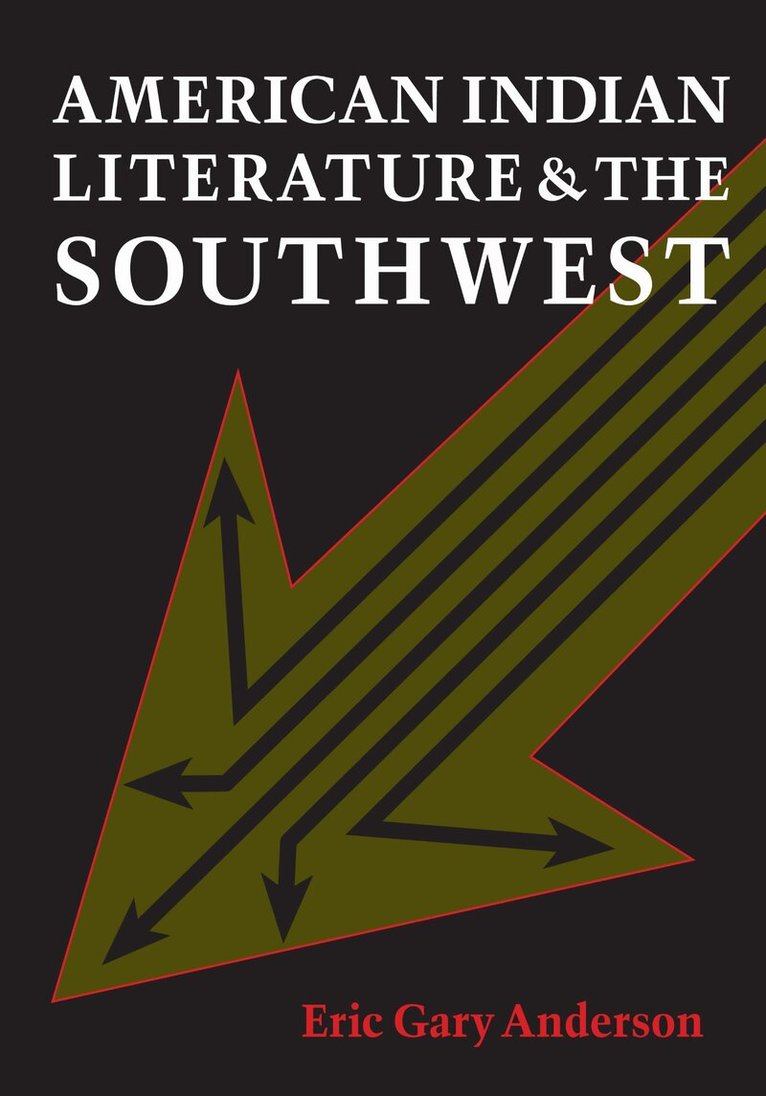
Culture-to-culture encounters between "natives" and "aliens" have gone on for centuries in the American Southwest-among American Indian tribes, between American Indians and Euro-Americans, and even, according to some, between humans and extraterrestrials at Roswell, New Mexico. Drawing on a wide range of cultural productions including novels, films, paintings, comic strips, and historical studies, this groundbreaking book explores the Southwest as both a real and a culturally constructed site of migration and encounter, in which the very identities of "alien" and "native" shift with each act of travel.Eric Anderson pursues his inquiry through an unprecedented range of cultural texts. These include the Roswell spacecraft myths, Leslie Marmon Silko's Almanac of the Dead, Wendy Rose's poetry, the outlaw narratives of Billy the Kid, Apache autobiographies by Geronimo and Jason Betzinez, paintings by Georgia O'Keeffe, New West history by Patricia Nelson Limerick, Frank Norris' McTeague, Mary Austin's The Land of Little Rain, Sarah Winnemucca's Life Among the Piutes, Willa Cather's The Professor's House, George Herriman's modernist comic strip Krazy Kat, and A. A. Carr's Navajo-vampire novel Eye Killers.
613 kr
Skickas inom 7-10 vardagar
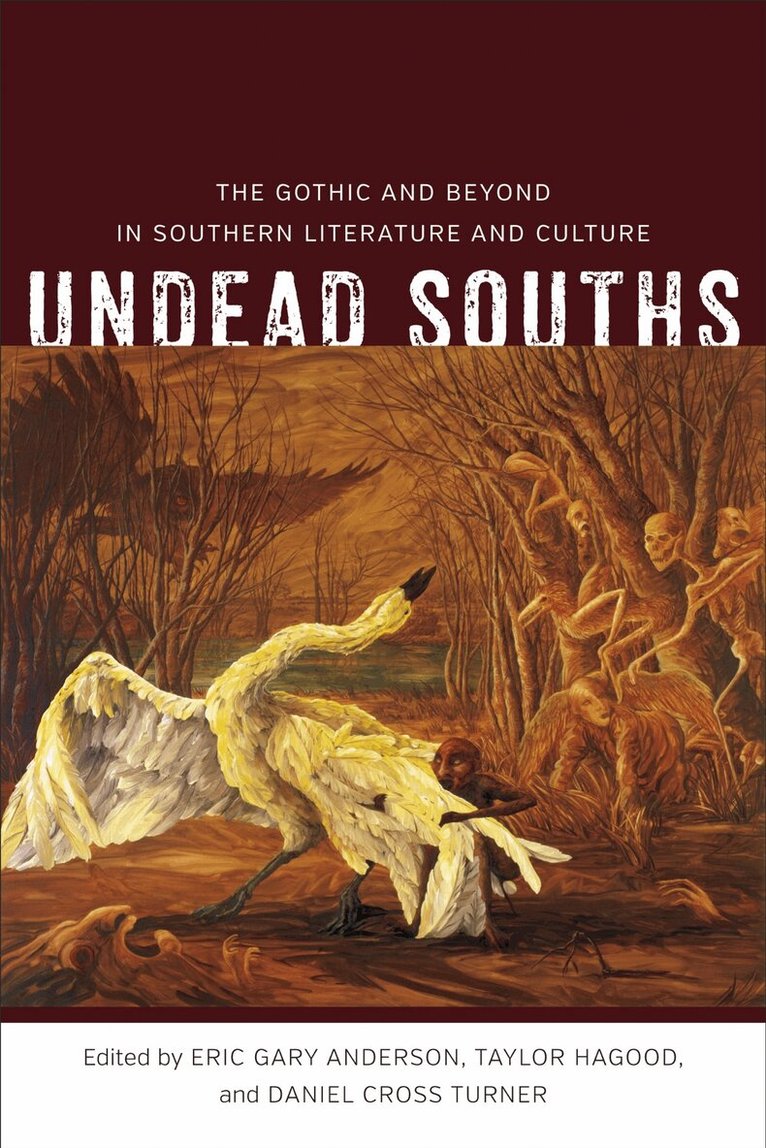
Depictions of the undead in the American South are not limited to our modern versions, such as the vampires in True Blood and the zombies in The Walking Dead. As Undead Souths reveals, physical emanations of southern undeadness are legion, but undeadness also appears in symbolic, psychological, and cultural forms, including the social death endured by enslaved people, the Cult of the Lost Cause that resurrected the fallen heroes of the Confederacy as secular saints, and mourning rites revived by Native Americans forcibly removed from the American Southeast.To capture the manifold forms of southern haunting and horror, Undead Souths explores a variety of media and historical periods, establishes cultural crossings between the South and other regions within and outside of the U.S., and employs diverse theoretical and critical approaches. The result is an engaging and inclusive collection that chronicles the enduring connection between southern culture and the refusal of the dead to stay dead.
674 kr
Skickas inom 7-10 vardagar
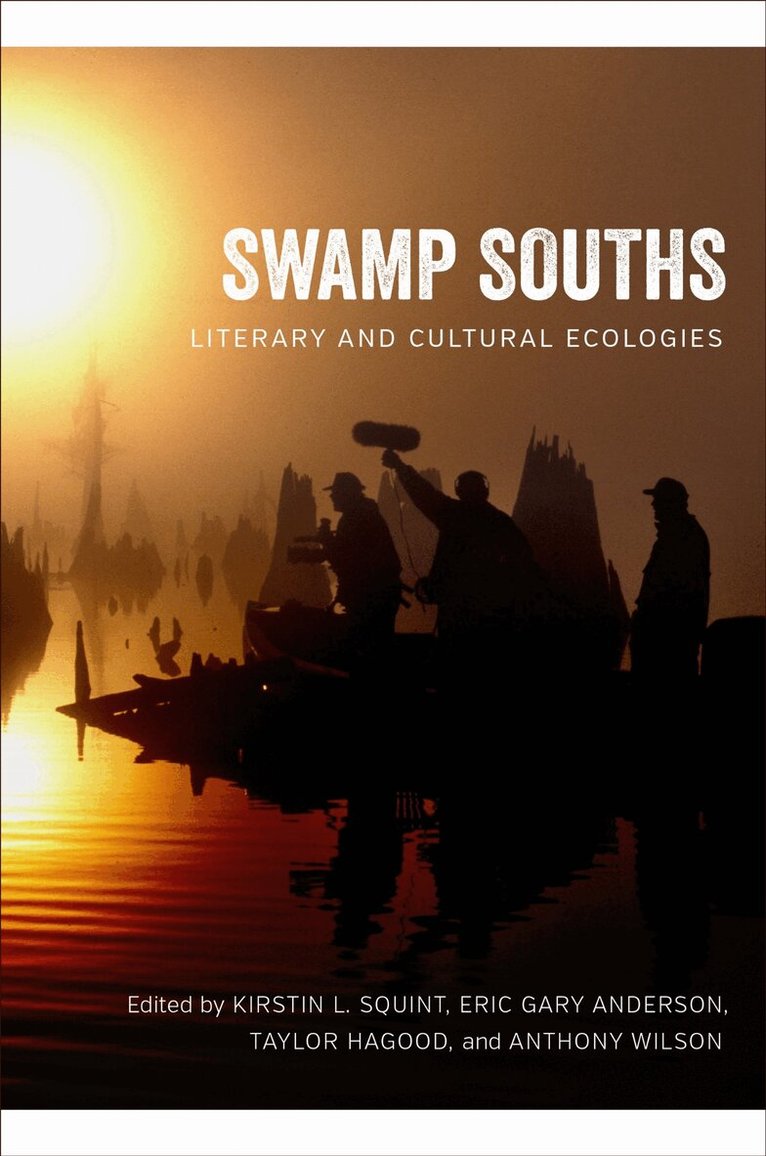
Swamp Souths: Literary and Cultural Ecologies expands the geographical scope of scholarship about southern swamps. Although the physical environments that form its central subjects are scattered throughout the southeastern United States, the Atchafalaya, the Okefenokee, the Mississippi River delta, the Everglades, and the Great Dismal Swamp, this evocative collection challenges fixed notions of place and foregrounds the ways in which ecosystems shape cultures and creations on both local and global scales.Across seventeen scholarly essays, along with a critical introduction and afterword, Swamp Souths introduces new frameworks for thinking about swamps in the South and beyond, with an emphasis on subjects including Indigenous studies, ecocriticism, intersectional feminism, and the tropical sublime. The volume analyses canonical writers such as William Faulkner, Zora Neale Hurston, and Eudora Welty, but it also investigates contemporary literary works by Randall Kenan and Karen Russell, the films Beasts of the Southern Wild and My Louisiana Love, and music ranging from swamp rock and zydeco to Beyoncé's visual album Lemonade.Navigating a complex assemblage of places and ecosystems, the contributors argue with passion and critical rigor for considering anew the literary and cultural work that swamps do. This dynamic collection of scholarship proves that swampy approaches to southern spaces possess increased relevance in an era of climate change and political crisis.
484 kr
Skickas inom 10-15 vardagar
Depictions of the undead in the American South are not limited to our modern versions, such as the vampires in True Blood and the zombies in The Walking Dead. As Undead Souths reveals, physical emanations of southern undeadness are legion, but undeadness also appears in symbolic, psychological, and cultural forms, including the social death endured by enslaved people, the Cult of the Lost Cause that resurrected the fallen heroes of the Confederacy as secular saints, and mourning rites revived by Native Americans forcibly removed from the American Southeast.To capture the manifold forms of southern haunting and horror, Undead Souths explores a variety of media and historical periods, establishes cultural crossings between the South and other regions within and outside of the U.S., and employs diverse theoretical and critical approaches. The result is an engaging and inclusive collection that chronicles the enduring connection between southern culture and the refusal of the dead to stay dead.
1 078 kr
Kommande
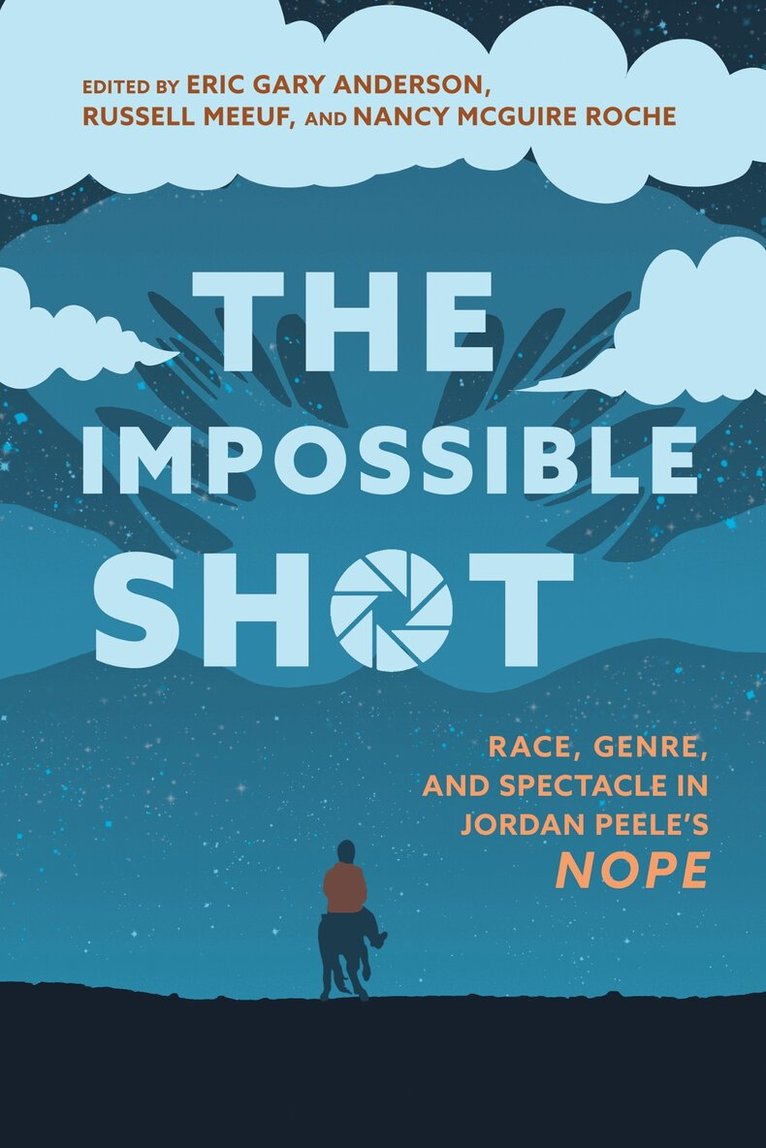
Contributions by Eric Gary Anderson, Hatice Bay, Thomas Britt, Robert Burgoyne, Emily Diane Burkett, Jack Finucane, Adam Hebert, Noemí Fernández Labarga, Russell Meeuf, Wade Newhouse, Isaiah Frost Rivera, Nancy McGuire Roche, Laurent Shervington, Amira Shokr, James Steck, Christy Tidwell, and Lauren Tocci After the commercial and critical success of 2017’s Get Out, Jordan Peele quickly established himself as an exciting and innovative auteur with a knack for reinventing Hollywood’s genres through the lens of contemporary race relations. With a focus on horror, his films invert the racial preoccupations of an industry that, especially since the mid-2000s, has been fixated on white fears and anxieties. A highly anticipated cinematic event, the release of Nope (2022), Peele’s newest meditation on race, filmmaking, and media spectacle, did not disappoint. The Impossible Shot: Race, Genre, and Spectacle in Jordan Peele’s "Nope" explores the director's latest film from a variety of perspectives and situates Nope within his larger work, alongside the growing body of scholarship on Peele and the political turn in post-Trump US horror. His third film offered a sprawling, epic, sci-fi, Western, family melodrama focused on those at the margins of Hollywood image making. This collection offers groups of essays organized around three interconnected themes: Nope’s interrogation of media spectacle and the politics of gazing in the social media era; its expansive intertextuality and layers of pop culture referents; and its investment in positioning animals and ecology into a narrative about media and consumption. By teasing out the nuances and complexity of Peele’s work, this volume will appeal to film and media scholars; teachers and students exploring issues of race, media, genre, or Peele as a director; and fans of horror in general.
297 kr
Kommande
Contributions by Eric Gary Anderson, Hatice Bay, Thomas Britt, Robert Burgoyne, Emily Diane Burkett, Jack Finucane, Adam Hebert, Noemí Fernández Labarga, Russell Meeuf, Wade Newhouse, Isaiah Frost Rivera, Nancy McGuire Roche, Laurent Shervington, Amira Shokr, James Steck, Christy Tidwell, and Lauren Tocci After the commercial and critical success of 2017’s Get Out, Jordan Peele quickly established himself as an exciting and innovative auteur with a knack for reinventing Hollywood’s genres through the lens of contemporary race relations. With a focus on horror, his films invert the racial preoccupations of an industry that, especially since the mid-2000s, has been fixated on white fears and anxieties. A highly anticipated cinematic event, the release of Nope (2022), Peele’s newest meditation on race, filmmaking, and media spectacle, did not disappoint. The Impossible Shot: Race, Genre, and Spectacle in Jordan Peele’s "Nope" explores the director's latest film from a variety of perspectives and situates Nope within his larger work, alongside the growing body of scholarship on Peele and the political turn in post-Trump US horror. His third film offered a sprawling, epic, sci-fi, Western, family melodrama focused on those at the margins of Hollywood image making. This collection offers groups of essays organized around three interconnected themes: Nope’s interrogation of media spectacle and the politics of gazing in the social media era; its expansive intertextuality and layers of pop culture referents; and its investment in positioning animals and ecology into a narrative about media and consumption. By teasing out the nuances and complexity of Peele’s work, this volume will appeal to film and media scholars; teachers and students exploring issues of race, media, genre, or Peele as a director; and fans of horror in general.