940 kr
Skickas
940 kr
Skickas
486 kr
Läs direkt efter köp
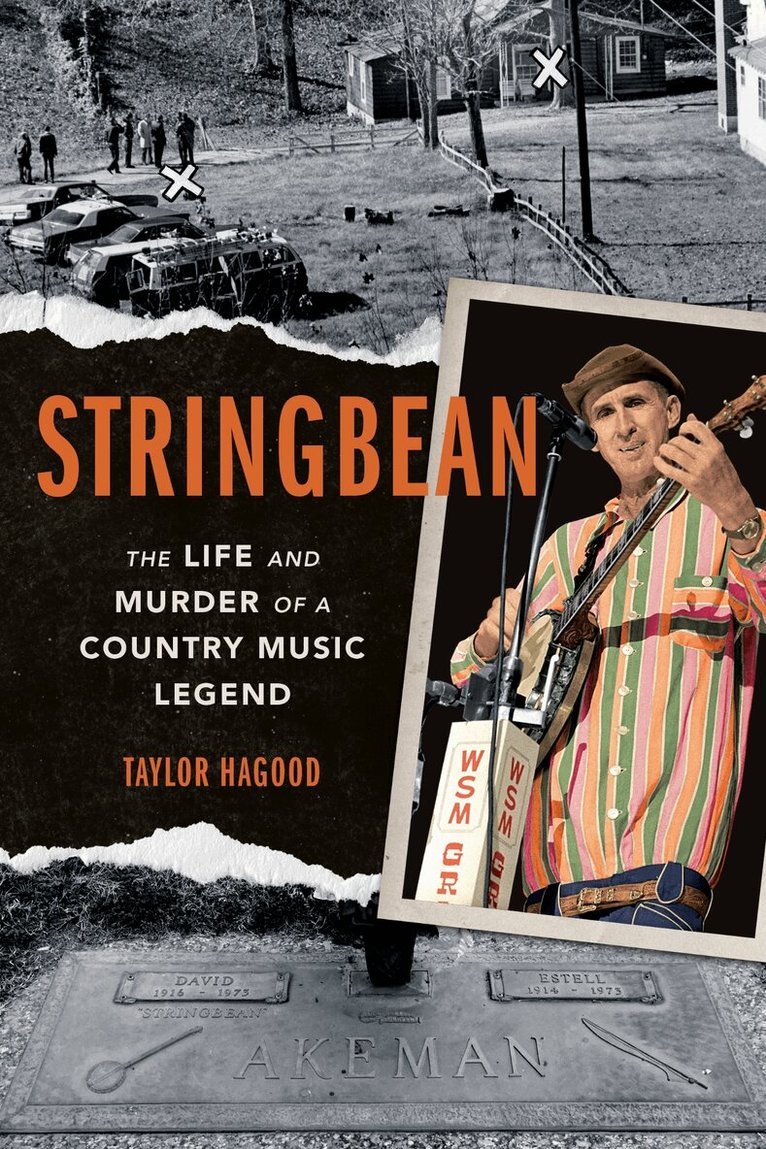
A beloved member of the country music community, David “Stringbean” Akeman found nationwide fame as a cast member of Hee Haw. The 1973 murder of Stringbean and his wife forever changed Nashville’s sense of itself. Millions of others mourned not only the slain couple but the passing of the way of life that country music had long represented.
Taylor Hagood merges the story of Stringbean’s life with an account of murder and courtroom drama. Mentored by Uncle Dave Macon and Bill Monroe, Stringbean was a bridge to country’s early days. His instrumental savvy and old-time singing style drew upon a deep love for traditional country music that, along with his humor and humanity, won him the reverence of younger artists and made his violent death all the more shocking. Hagood delves into the unexpected questions and uneasy resolutions raised by the atmosphere of retribution surrounding the murder trial and recounts the redemption story that followed decades later.
226 kr
Skickas inom 5-8 vardagar
638 kr
Skickas inom 5-8 vardagar
439 kr
Skickas inom 10-15 vardagar
503 kr
Skickas inom 10-15 vardagar
628 kr
Skickas inom 5-8 vardagar
The Critical Response to Yoknapatawpha's Architect
1 261 kr
Skickas inom 10-15 vardagar
347 kr
Skickas inom 3-6 vardagar
335 kr
Läs direkt efter köp
Theodore Pratt (1901-1969) was the author of fifteen books that depict the Sunshine State, earning him the informal title of “Literary Laureate of Florida” in the mid-twentieth century. He portrayed the culture of south Florida, especially in his “Florida Trilogy”—which includes his most famous book, The Barefoot Mailman (1943), and continues with The Flame Tree (1948) and The Big Bubble (1949). He also wrote vividly about the Florida Keys in Mercy Island (1941), the Everglades in Escape to Eden (1953), and Chief Osceola in a novel and a play both called Seminole (1953/1954). Pratt did research for his books that created an archive that is valuable for researchers today and a collection of stories and essays, Florida Roundabout (1959),that offers a deep insight into the lives of poor whites in the state.This biography tells the story of Pratt’s life and work to Florida fans, teachers, young writers, and literary scholars who are interested in southern literature, Florida literature, and mid-century American film and literature.