Russell Meeuf - Böcker
Visar alla böcker från författaren Russell Meeuf. Handla med fri frakt och snabb leverans.
8 produkter
8 produkter
221 kr
Skickas
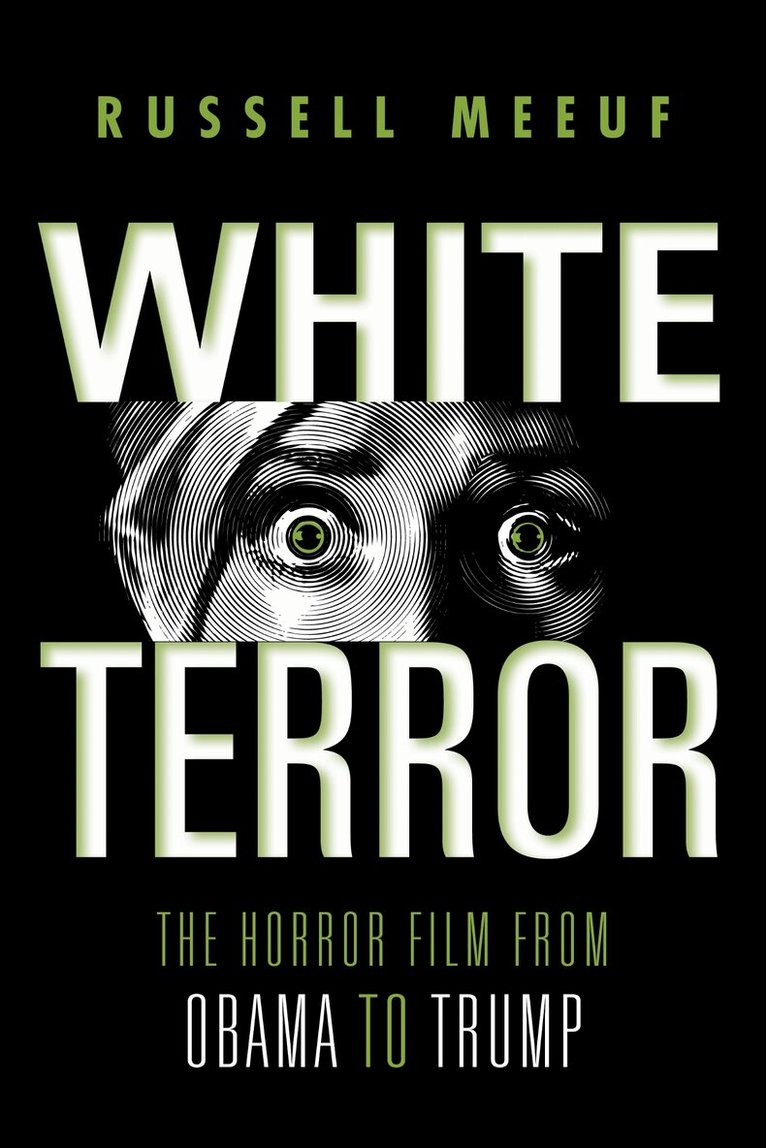
What kinds of terror lurk beneath the surface of White respectability? Many of the top-grossing US horror films between 2008 and 2016 relied heavily on themes of White, patriarchal fear and fragility: outsiders disrupting the sanctity of the almost always White family, evil forces or transgressive ideas transforming loved ones, and children dying when White women eschew traditional maternal roles. Horror film has a long history of radical, political commentary, and Russell Meeuf reveals how racial resentments represented specifically in horror films produced during the Obama era gave rise to the Trump presidency and the Make America Great Again movement. Featuring films such as The Conjuring and Don't Breathe, White Terror explores how motifs of home invasion, exorcism, possession, and hauntings mirror cultural debates around White masculinity, class, religion, socioeconomics, and more. In the vein of Jordan Peele, White Terror exposes how White mainstream fear affects the horror film industry, which in turn cashes in on that fear and draws voters to candidates like Trump.
404 kr
Skickas inom 10-15 vardagar
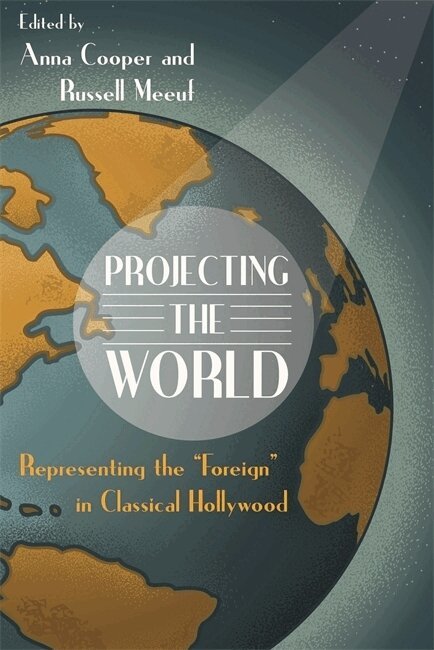
The classical Hollywood films that were released between the 1930s and 1960s were some of the most famous products of global trade, crisscrossing borders and rising to international dominance. In analysing a series of Hollywood films that illustrate moments of nuanced transnational engagement with the "foreign," Projecting the World: Representing the "Foreign" in Classical Hollywood enriches our understanding of mid-twentieth-century Hollywood cinema as a locus of imaginative geographies that explore the United States’ relationship with the world. While previous scholarship has asserted the imperialism and racism at the core of classical Hollywood cinema, Anna Cooper and Russell Meeuf’s collection delves into the intricacies—and sometimes disruptions—of this assumption, seeing Hollywood films as multivalent and contradictory cultural narratives about identity and politics in an increasingly interconnected world.Projecting the World illustrates how Hollywood films negotiate shifting historical contexts of internationalisation through complex narratives about transnational exchange—a topic that has thus far been neglected in scholarship on classical Hollywood. The essays analyse the "foreign" with topics such as the 1930s island horror film, the 1950s Mexico-set bullfighting film, Hollywood’s projection of "exoticism" on Argentina, and John Wayne’s film sets in Africa. Against the backdrop of expanding consumer capitalism and the growth of U.S. global power, Hollywood films such as Tarzan and Anatahan, as well as musicals about Paris, offered resonant images and stories that dramatised America’s international relationships in complicated ways.A fascinating exploration of an oft-overlooked aspect of classical Hollywood films, Projecting the World offers a series of striking new analyses that will entice cinema lovers, film historians, and those interested in the history of American neocolonialism.
260 kr
Skickas inom 10-15 vardagar
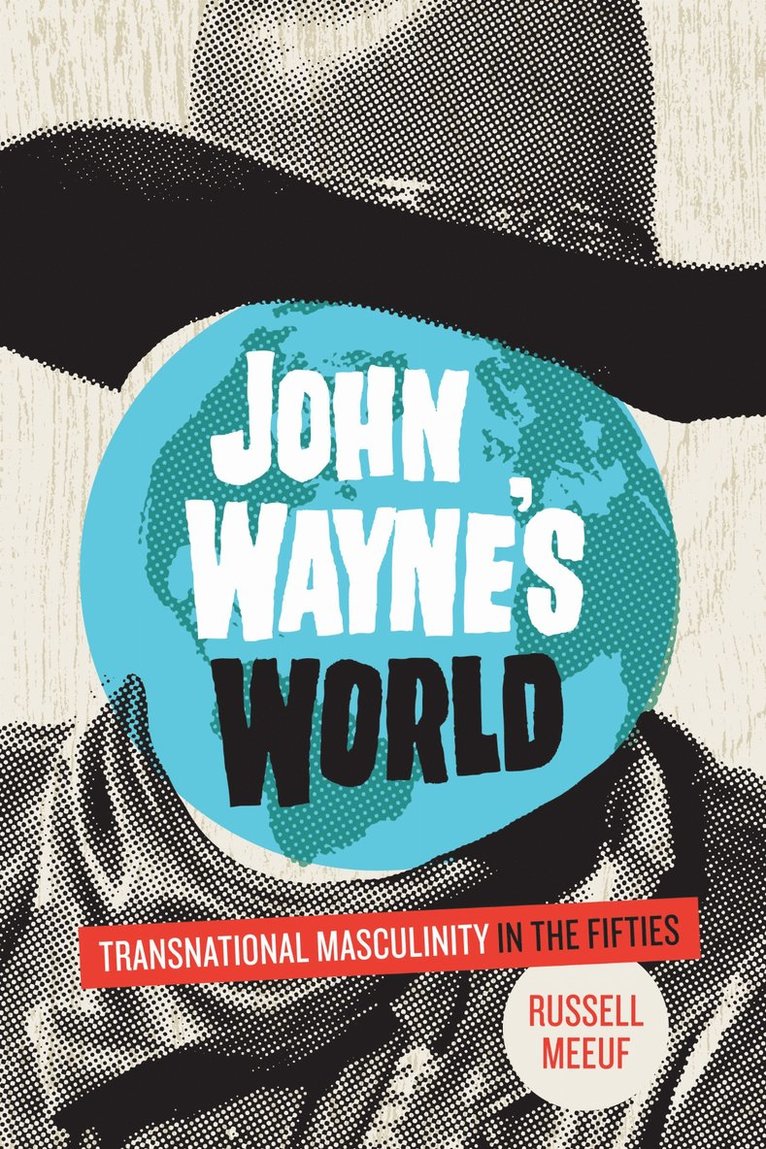
In a film career that spanned five decades, John Wayne became a U.S. icon of heroic individualism and rugged masculinity. His widespread popularity, however, was not limited to the United States: he was beloved among moviegoers in Asia, Africa, Latin America, and Europe. In John Wayne’s World, Russell Meeuf considers the actor’s global popularity and makes the case that Wayne’s depictions of masculinity in his most popular films of the 1950s reflected the turbulent social disruptions of global capitalism and modernization taking place in that decade.John Wayne’s World places Wayne at the center of gender- and nation-based ideologies, opening a dialogue between film history, gender studies, political and economic history, and popular culture. Moving chronologically, Meeuf provides new readings of Fort Apache, Red River, Hondo, The Searchers, Rio Bravo, and The Alamo and connects Wayne’s characters with a modern, transnational masculinity being reimagined after World War II. Considering Wayne’s international productions, such as Legend of the Lost and The Barbarian and the Geisha, Meeuf shows how they resonated with U.S. ideological positions about Africa and Asia. Meeuf concludes that, in his later films, Wayne’s star text shifted to one of grandfatherly nostalgia for the past, as his earlier brand of heroic masculinity became incompatible with the changing world of the 1960s and 1970s. The first academic book-length study of John Wayne in more than twenty years, John Wayne’s World reveals a frequently overlooked history behind one of Hollywood’s most iconic stars.
968 kr
Skickas inom 10-15 vardagar
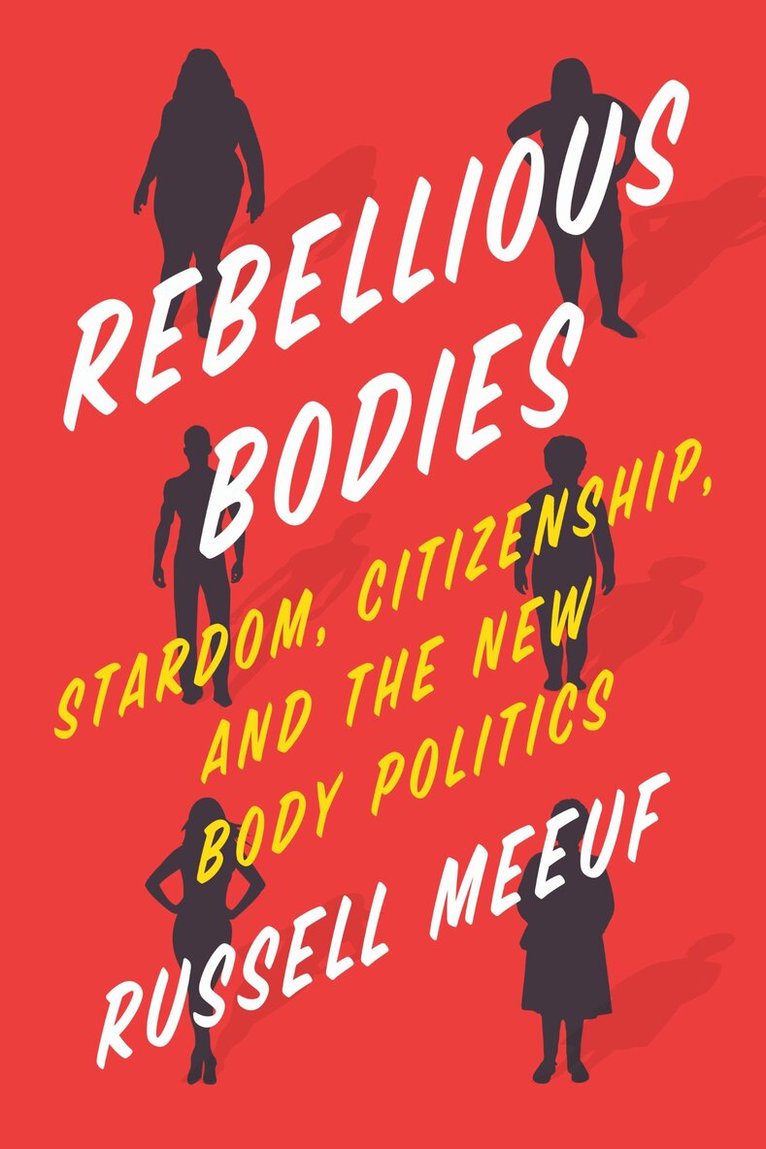
Celebrity culture today teems with stars who challenge long-held ideas about a “normal” body. Plus-size and older actresses are rebelling against the cultural obsession with slender bodies and youth. Physically disabled actors and actresses are moving beyond the stock roles and stereotypes that once constrained their opportunities. Stars of various races and ethnicities are crafting new narratives about cultural belonging, while transgender performers are challenging our culture’s assumptions about gender and identity. But do these new players in contemporary entertainment media truly signal a new acceptance of body diversity in popular culture?Focusing on six key examples-Melissa McCarthy, Gabourey Sidibe, Peter Dinklage, Danny Trejo, Betty White, and Laverne Cox-Rebellious Bodies examines the new body politics of stardom, situating each star against a prominent cultural anxiety about bodies and inclusion, evoking issues ranging from the obesity epidemic and the rise of postracial rhetoric to disability rights, Latino/a immigration, an aging population, and transgender activism. Using a wide variety of sources featuring these celebrities-films, TV shows, entertainment journalism, and more-to analyze each one’s media persona, Russell Meeuf demonstrates that while these stars are promoted as examples of a supposedly more inclusive industry, the reality is far more complex. Revealing how their bodies have become sites for negotiating the still-contested boundaries of cultural citizenship, he uncovers the stark limitations of inclusion in a deeply unequal world.
309 kr
Skickas inom 7-10 vardagar
Celebrity culture today teems with stars who challenge long-held ideas about a “normal” body. Plus-size and older actresses are rebelling against the cultural obsession with slender bodies and youth. Physically disabled actors and actresses are moving beyond the stock roles and stereotypes that once constrained their opportunities. Stars of various races and ethnicities are crafting new narratives about cultural belonging, while transgender performers are challenging our culture’s assumptions about gender and identity. But do these new players in contemporary entertainment media truly signal a new acceptance of body diversity in popular culture?Focusing on six key examples-Melissa McCarthy, Gabourey Sidibe, Peter Dinklage, Danny Trejo, Betty White, and Laverne Cox-Rebellious Bodies examines the new body politics of stardom, situating each star against a prominent cultural anxiety about bodies and inclusion, evoking issues ranging from the obesity epidemic and the rise of postracial rhetoric to disability rights, Latino/a immigration, an aging population, and transgender activism. Using a wide variety of sources featuring these celebrities-films, TV shows, entertainment journalism, and more-to analyze each one’s media persona, Russell Meeuf demonstrates that while these stars are promoted as examples of a supposedly more inclusive industry, the reality is far more complex. Revealing how their bodies have become sites for negotiating the still-contested boundaries of cultural citizenship, he uncovers the stark limitations of inclusion in a deeply unequal world.
1 078 kr
Kommande
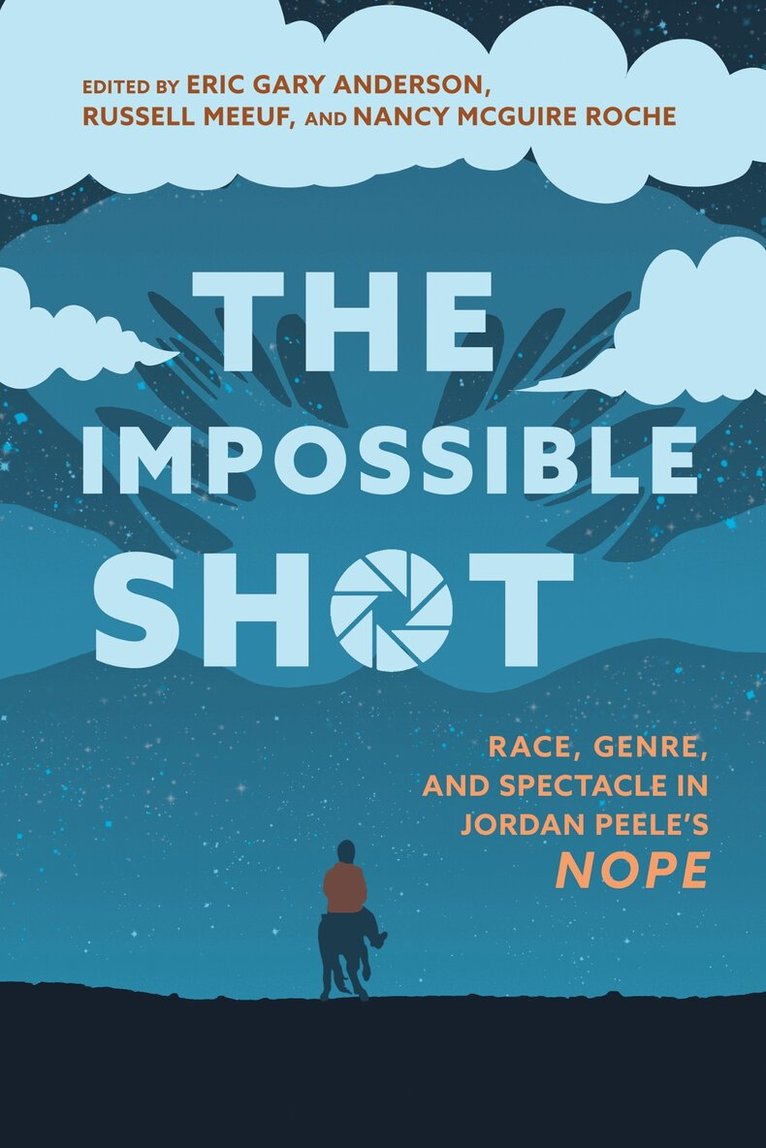
Contributions by Eric Gary Anderson, Hatice Bay, Thomas Britt, Robert Burgoyne, Emily Diane Burkett, Jack Finucane, Adam Hebert, Noemí Fernández Labarga, Russell Meeuf, Wade Newhouse, Isaiah Frost Rivera, Nancy McGuire Roche, Laurent Shervington, Amira Shokr, James Steck, Christy Tidwell, and Lauren Tocci After the commercial and critical success of 2017’s Get Out, Jordan Peele quickly established himself as an exciting and innovative auteur with a knack for reinventing Hollywood’s genres through the lens of contemporary race relations. With a focus on horror, his films invert the racial preoccupations of an industry that, especially since the mid-2000s, has been fixated on white fears and anxieties. A highly anticipated cinematic event, the release of Nope (2022), Peele’s newest meditation on race, filmmaking, and media spectacle, did not disappoint. The Impossible Shot: Race, Genre, and Spectacle in Jordan Peele’s "Nope" explores the director's latest film from a variety of perspectives and situates Nope within his larger work, alongside the growing body of scholarship on Peele and the political turn in post-Trump US horror. His third film offered a sprawling, epic, sci-fi, Western, family melodrama focused on those at the margins of Hollywood image making. This collection offers groups of essays organized around three interconnected themes: Nope’s interrogation of media spectacle and the politics of gazing in the social media era; its expansive intertextuality and layers of pop culture referents; and its investment in positioning animals and ecology into a narrative about media and consumption. By teasing out the nuances and complexity of Peele’s work, this volume will appeal to film and media scholars; teachers and students exploring issues of race, media, genre, or Peele as a director; and fans of horror in general.
297 kr
Kommande
Contributions by Eric Gary Anderson, Hatice Bay, Thomas Britt, Robert Burgoyne, Emily Diane Burkett, Jack Finucane, Adam Hebert, Noemí Fernández Labarga, Russell Meeuf, Wade Newhouse, Isaiah Frost Rivera, Nancy McGuire Roche, Laurent Shervington, Amira Shokr, James Steck, Christy Tidwell, and Lauren Tocci After the commercial and critical success of 2017’s Get Out, Jordan Peele quickly established himself as an exciting and innovative auteur with a knack for reinventing Hollywood’s genres through the lens of contemporary race relations. With a focus on horror, his films invert the racial preoccupations of an industry that, especially since the mid-2000s, has been fixated on white fears and anxieties. A highly anticipated cinematic event, the release of Nope (2022), Peele’s newest meditation on race, filmmaking, and media spectacle, did not disappoint. The Impossible Shot: Race, Genre, and Spectacle in Jordan Peele’s "Nope" explores the director's latest film from a variety of perspectives and situates Nope within his larger work, alongside the growing body of scholarship on Peele and the political turn in post-Trump US horror. His third film offered a sprawling, epic, sci-fi, Western, family melodrama focused on those at the margins of Hollywood image making. This collection offers groups of essays organized around three interconnected themes: Nope’s interrogation of media spectacle and the politics of gazing in the social media era; its expansive intertextuality and layers of pop culture referents; and its investment in positioning animals and ecology into a narrative about media and consumption. By teasing out the nuances and complexity of Peele’s work, this volume will appeal to film and media scholars; teachers and students exploring issues of race, media, genre, or Peele as a director; and fans of horror in general.
1 037 kr
Skickas inom 5-8 vardagar