Erik Parens - Böcker
Visar alla böcker från författaren Erik Parens. Handla med fri frakt och snabb leverans.
9 produkter
9 produkter
564 kr
Skickas inom 5-8 vardagar
When bioethicists debate the use of technologies like surgery and pharmacology to shape our selves, they are, ultimately, debating what it means for human beings to flourish. They are debating what makes animals like us truly happy, and whether the technologies at issue will bring us closer to or farther from such happiness.The positions that participants adopt in debates regarding such ancient and fundamental questions are often polarized, and cannot help but be deeply personal. It is no wonder that the debates are sometimes acrimonious. How, then, should critics of and enthusiasts about technological self-transformation move forward?Based on his experience at the oldest free-standing bioethics research institute in the world, Erik Parens proposes a habit of thinking, which he calls "binocular." As our brains integrate slightly different information from our two eyes to achieve depth of visual perception, we need to try to integrate greatly different insights on the two sides of the debates about technologically shaping our selves-if depth of intellectual understanding is what we are after. Binocular thinking lets us benefit from the insights that are visible from the stance of the enthusiast, who emphasizes that using technology to creatively transform our selves will make us happier, and to benefit from the insights that are visible from the stance of the critic, who emphasizes that learning to let our selves be will make us happier.Parens observes that in debates as personal as these, we all-critics and enthusiasts alike-give reasons that we are partial to. In the throes of our passion to make our case, we exaggerate our insights and all-too-often fall into the conceptual traps that language sets for us. Foolishly, we make conceptual choices that no one who truly wanted understanding would accept: Are technologies value-free or value-laden? Are human beings by nature creators or creatures? Is disability a medical or a social phenomenon? Indeed, are we free or determined? Parens explains how participating in these debates for two decades helped him articulate the binocular habit of thinking that is better at benefiting from the insights in both poles of those binaries than was the habit of thinking he originally brought to the debates.Finally, Parens celebrates that bioethics doesn't aspire only to deeper thinking, but also to better acting. He embraces not only the intellectual aspiration to think deeply about meaning questions that don't admit of final answers, but also the ethical demand to give clear answers to practical questions. To show how to respect both that aspiration and that demand, the book culminates in the description of a process of truly informed consent, in the context of one specific form of using technology to shape our selves: families making decisions about appearance normalizing surgeries for children with atypical bodies.
350 kr
Skickas inom 5-8 vardagar
When bioethicists debate the use of technologies like surgery and pharmacology to shape our selves, they are, ultimately, debating what it means for human beings to flourish. They are debating what makes animals like us truly happy, and whether the technologies at issue will bring us closer to or farther from such happiness. The positions that participants adopt in debates regarding such ancient and fundamental questions are often polarized, and cannot help but be deeply personal. It is no wonder that the debates are sometimes acrimonious. How, then, should critics of and enthusiasts about technological self-transformation move forward?Based on his experience at the oldest free-standing bioethics research institute in the world, Erik Parens proposes a habit of thinking, which he calls "binocular." As our brains integrate slightly different information from our two eyes to achieve depth of visual perception, we need to try to integrate greatly different insights on the two sides of the debates about technologically shaping our selves-if depth of intellectual understanding is what we are after. Binocular thinking lets us benefit from the insights that are visible from the stance of the enthusiast, who emphasizes that using technology to creatively transform our selves will make us happier, and to benefit from the insights that are visible from the stance of the critic, who emphasizes that learning to let our selves be will make us happier. Parens observes that in debates as personal as these, we all-critics and enthusiasts alike-give reasons that we are partial to. In the throes of our passion to make our case, we exaggerate our insights and all-too-often fall into the conceptual traps that language sets for us. Foolishly, we make conceptual choices that no one who truly wanted understanding would accept: Are technologies value-free or value-laden? Are human beings by nature creators or creatures? Is disability a medical or a social phenomenon? Indeed, are we free or determined? Parens explains how participating in these debates for two decades helped him articulate the binocular habit of thinking that is better at benefiting from the insights in both poles of those binaries than was the habit of thinking he originally brought to the debates. Finally, Parens celebrates that bioethics doesn't aspire only to deeper thinking, but also to better acting. He embraces not only the intellectual aspiration to think deeply about meaning questions that don't admit of final answers, but also the ethical demand to give clear answers to practical questions. To show how to respect both that aspiration and that demand, the book culminates in the description of a process of truly informed consent, in the context of one specific form of using technology to shape our selves: families making decisions about appearance normalizing surgeries for children with atypical bodies.
519 kr
Skickas inom 5-8 vardagar
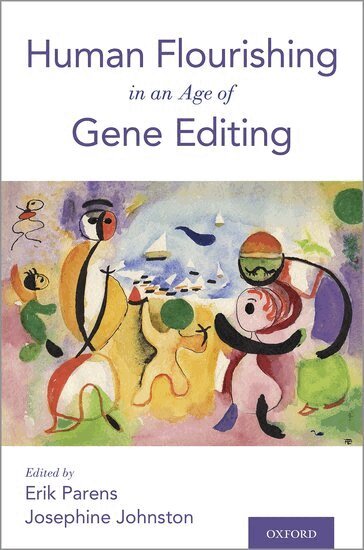
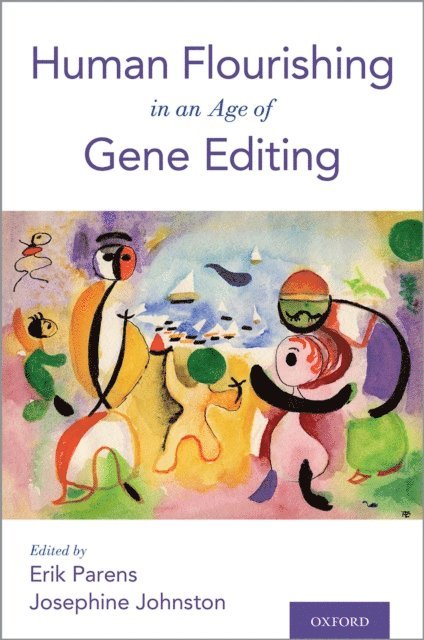
International uproar followed the recent announcement of the birth of twin girls whose genomes had been edited with a breakthrough DNA editing-technology. This technology, called clustered regularly interspaced short palindrome repeats or CRISPR-Cas9, can alter any DNA, including DNA in embryos, meaning that changes can be passed to the offspring of the person that embryo becomes. Should we use gene editing technologies to change ourselves, our children, and future generations to come? The potential uses of CRISPR-Cas9 and other gene editing technologies are unprecedented in human history. By using these technologies, we eradicate certain dreadful diseases. Altering human DNA, however, raises enormously difficult questions. Some of these questions are about safety: Can these technologies be deployed without posing an unreasonable risk of physical harm to current and future generations? Can all physical risks be adequately assessed, and responsibly managed? But gene editing technologies also raise other moral questions, which touch on deeply held, personal, cultural, and societal values: Might such technologies redefine what it means to be healthy, or normal, or cherished? Might they undermine relationships between parents and children, or exacerbate the gap between the haves and have-nots? The broadest form of this second kind of question is the focus of this book: What might gene editing--and related technologies--mean for human flourishing? In the new essays collected here, an interdisciplinary group of scholars asks age--old questions about the nature and well-being of humans in the context of a revolutionary new biotechnology--one that has the potential to change the genetic make-up of both existing people and future generations. Welcoming readers who study related issues and those not yet familiar with the formal study of bioethics, the authors of these essays open up a conversation about the ethics of gene editing. It is through this conversation that citizens can influence laws and the distribution of funding for science and medicine, that professional leaders can shape understanding and use of gene editing and related technologies by scientists, patients, and practitioners, and that individuals can make decisions about their own lives and the lives of their families.
1 208 kr
Skickas inom 7-10 vardagar
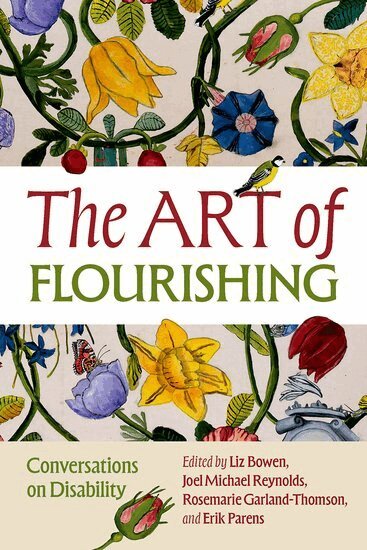
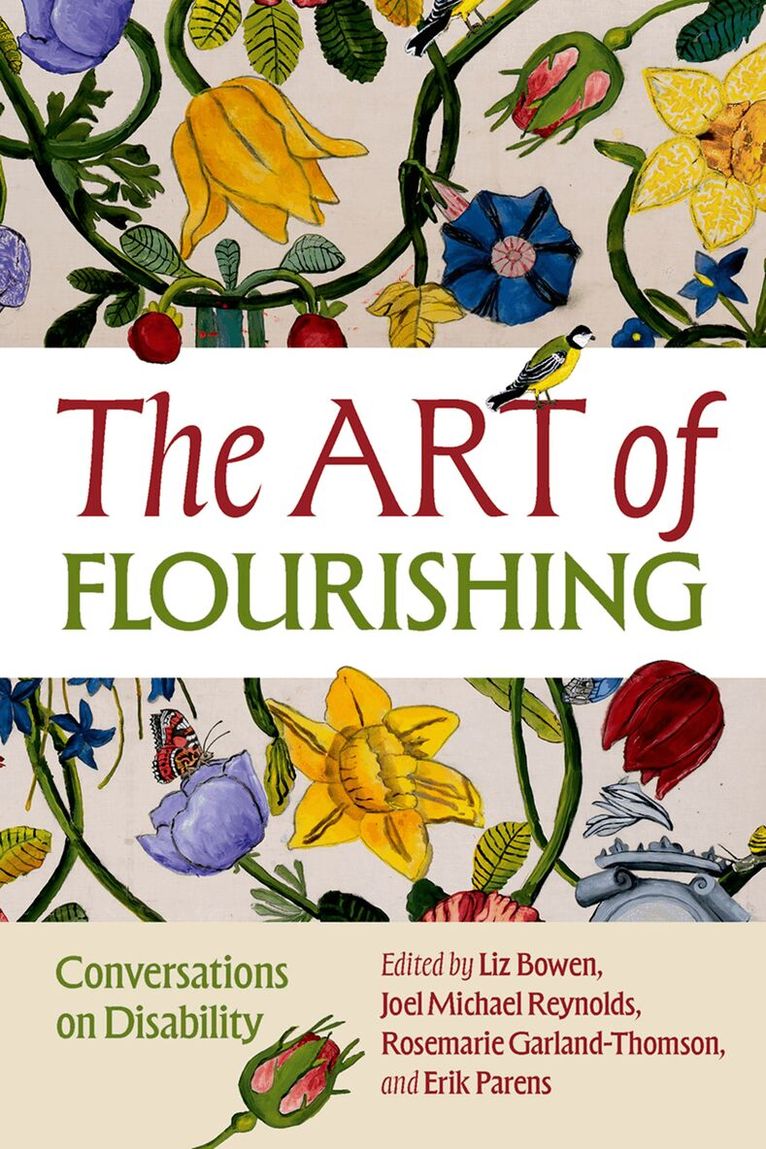
Disabled people are experts in innovation and adaptation, experts in building networks of support and knowledge sharing, and experts in navigating a world that is not built for them. This expertise is not a niche form of knowledge, but one that speaks to a fundamental question about how we should live together--and even thrive together--amid the vast landscape of human difference. In pieces discussing everything from moving with guide dogs to hiking on wheels to nurturing chosen family, The Art of Flourishing offers a window into the innumerable and varied ways scholars, artists, writers, and thought leaders with disabilities understand what it means to "flourish."For some, it means contesting the medical establishment's narratives of technological salvation that attempt to "fix" people who don't need fixing. For others, it means cultivating interdependent networks of artistic collaboration, or it means having agency in choosing how one appears in and navigates public space. Based on a series of public talks hosted by The Hastings Center, a bioethics research institute, and funded by the National Endowment for the Humanities, this volume demonstrates the incredible range of priorities, practices, and possibilities that characterize disabled experience. It also invites both scholarly and public audiences to imagine what it would take to build a world in which everyone gets to exercise their own capacities in ways they find meaningful.
189 kr
Skickas inom 5-8 vardagar
Disabled people are experts in innovation and adaptation, experts in building networks of support and knowledge sharing, and experts in navigating a world that is not built for them. This expertise is not a niche form of knowledge, but one that speaks to a fundamental question about how we should live together--and even thrive together--amid the vast landscape of human difference. In pieces discussing everything from moving with guide dogs to hiking on wheels to nurturing chosen family, The Art of Flourishing offers a window into the innumerable and varied ways scholars, artists, writers, and thought leaders with disabilities understand what it means to "flourish."For some, it means contesting the medical establishment's narratives of technological salvation that attempt to "fix" people who don't need fixing. For others, it means cultivating interdependent networks of artistic collaboration, or it means having agency in choosing how one appears in and navigates public space. Based on a series of public talks hosted by The Hastings Center, a bioethics research institute, and funded by the National Endowment for the Humanities, this volume demonstrates the incredible range of priorities, practices, and possibilities that characterize disabled experience. It also invites both scholarly and public audiences to imagine what it would take to build a world in which everyone gets to exercise their own capacities in ways they find meaningful.
282 kr
Tillfälligt slut
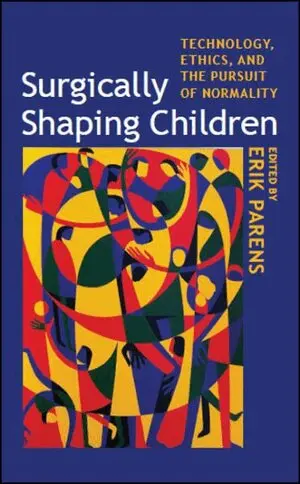
At a time when medical technologies make it ever easier to enhance our minds and bodies, a debate has arisen about whether such efforts promote a process of "normalization," which makes it ever harder to tolerate the natural anatomical differences among us. The debate becomes especially complicated when it addresses the surgical alteration, or "shaping," of children. This volume explores the ethical and social issues raised by the recent proliferation of surgeries designed to make children born with physical differences look more normal. Using three cases-surgeries to eliminate craniofacial abnormalities such as cleft lip and palate, surgeries to correct ambiguous genitalia, and surgeries to lengthen the limbs of children born with dwarfism-the contributors consider the tensions parents experience when making such life-altering decisions on behalf of or with their children. The essays in this volume offer in-depth examinations of the significance and limits of surgical alteration through personal narratives, theoretical reflections, and concrete suggestions about how to improve the decision-making process.Written from the perspectives of affected children and their parents, health care providers, and leading scholars in philosophy, sociology, history, law, and medicine, this collection provides an integrated and comprehensive foundation from which to consider a complex and controversial issue. It takes the reader on a journey from reflections on the particulars of current medical practices to reflections on one of the deepest and most complex of human desires: the desire for normality. Contributors Priscilla Alderson, Adrienne Asch, Cassandra Aspinall, Alice Domurat Dreger, James C. Edwards, Todd C. Edwards, Ellen K. Feder, Arthur W. Frank, Lisa Abelow Hedley, Eva Fedder Kittay, Hilde Lindemann, Jeffery L. Marsh, Paul Steven Miller, Sherri G. Morris, Wendy E. Mouradian, Donald L. Patrick, Nichola Rumsey, Emily Sullivan Sanford, Tari D. Topolski
274 kr
Tillfälligt slut
Hardly a month goes by without a media report proclaiming that researchers have discovered the gene for some complex human behavior or trait-intelligence, dyslexia, shyness, homosexuality. The practical implications of genetic research can bring great good-relieving parents of self-blame for a child's schizophrenia or autism and possibly treating genetic diseases in the future. Other findings-or pernicious interpretations of them-can cause great harm, for example, by establishing flawed connections between genetics, race, and educational attainment. Wrestling with Behavioral Genetics brings together an interdisciplinary group of contributors-human geneticists, humanists, social scientists, lawyers, and journalists-to discuss the ethical and social implications of behavioral genetics research. The essays give readers the necessary tools to critically analyze the findings of behavioral geneticists, explore competing interpretations of the ethical and social implications of those findings, and engage in a productive public conversation about them.This volume provides an accessible introduction to a fascinating and controversial science and the societal and individual implications of its continuing development.
425 kr
Skickas inom 5-8 vardagar
In this volume, scholars from philosophy, sociology, history, theology, women's studies, and law explore the looming ethical and social implications of new biotechnologies that are rapidly making it possible to enhance an individual's mental and physical attributes in ways previously only imagined. To clarify the issues, the contributors grapple with the central concept of "enhancement" and probe the uses and abuses of the term. Focusing in particular on the moral issues pertaining to cosmetic surgery and cosmetic psychopharmacology (a category which includes Prozac), they also examine notions of identity, authenticity, normality, and complicity. Other essays in this collection address the social ramifications of the new technologies, including the problems of access and fairness.
781 kr
Skickas inom 5-8 vardagar
As prenatal tests proliferate, the medical and broader communities perceive that such testing is a logical extension of good prenatal care - it helps parents have healthy babies. But prenatal tests have been criticized by the disability rights community, which contends that advances in science should be directed at improving their lives, not preventing them. Used primarily to decide to abort a fetus that would have been born with mental or physical impairments, prenatal tests arguably reinforce discrimination against and misconceptions about people with disabilities. In these essays, people on both sides of the issue engage in an honest and occasionally painful debate about prenatal testing and selective abortion. The contributors include both people who live with and people who theorize about disabilities, scholars from the social sciences and humanities, medical geneticists, genetic counselors, physicians, and lawyers. Although the essayists don't arrive at a consensus over the disability community's objections to prenatal testing and its consequences, they do offer recommendations for ameliorating some of the problems associated with the practice.