

Häftad, Engelska, 2020
148 kr
Skickas inom 5-8 vardagar
148 kr
Skickas inom 5-8 vardagar
1 416 kr
Läs direkt efter köp
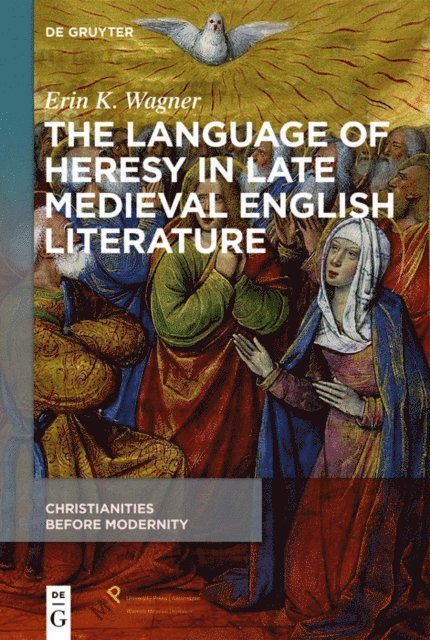
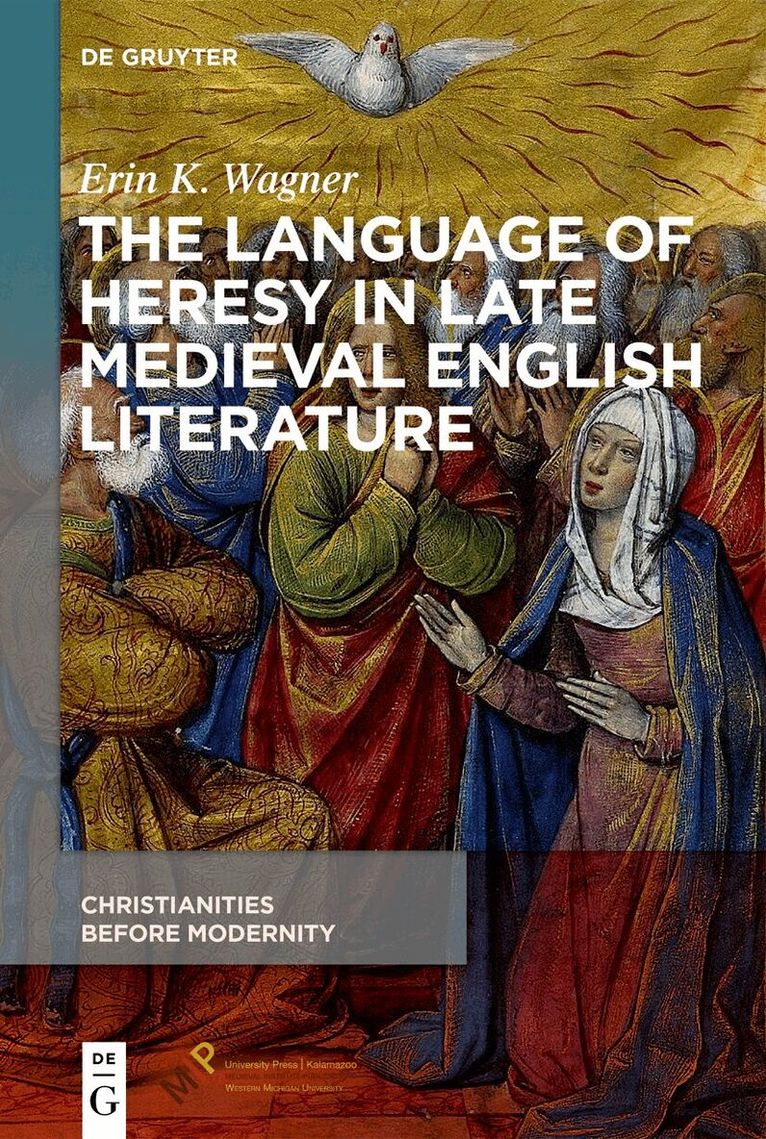
Vernacular writers of late medieval England were engaged in global conversations about orthodoxy and heresy. Entering these conversations with a developing vernacular required lexical innovation. The Language of Heresy in Late Medieval English Literature examines the way in which these writers complemented seemingly straightforward terms, like heretic, with a range of synonyms that complicated the definitions of both those words and orthodoxy itself. This text proposes four specific terms that become collated with heretic in the parlance of medieval English writers of the 14th and 15th centuries: jangler, Jew, Saracen, and witch. These four labels are especially important insofar as they represent the way in which medieval Christianity appropriated and subverted marginalized or vulnerable identities to promote a false image of unassailable authority.
1 406 kr
Läs direkt efter köp
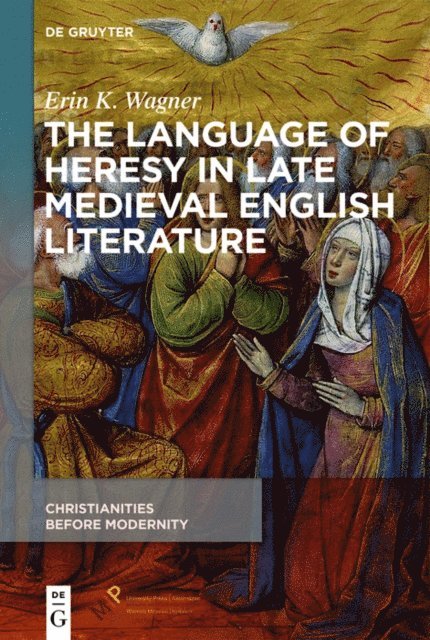
Vernacular writers of late medieval England were engaged in global conversations about orthodoxy and heresy. Entering these conversations with a developing vernacular required lexical innovation. The Language of Heresy in Late Medieval English Literature examines the way in which these writers complemented seemingly straightforward terms, like heretic, with a range of synonyms that complicated the definitions of both those words and orthodoxy itself. This text proposes four specific terms that become collated with heretic in the parlance of medieval English writers of the 14th and 15th centuries: jangler, Jew, Saracen, and witch. These four labels are especially important insofar as they represent the way in which medieval Christianity appropriated and subverted marginalized or vulnerable identities to promote a false image of unassailable authority.
2 167 kr
Skickas inom 3-6 vardagar
55 kr
Läs direkt efter köp
148 kr
Skickas inom 5-8 vardagar
1 416 kr
Läs direkt efter köp
Vernacular writers of late medieval England were engaged in global conversations about orthodoxy and heresy. Entering these conversations with a developing vernacular required lexical innovation. The Language of Heresy in Late Medieval English Literature examines the way in which these writers complemented seemingly straightforward terms, like heretic, with a range of synonyms that complicated the definitions of both those words and orthodoxy itself. This text proposes four specific terms that become collated with heretic in the parlance of medieval English writers of the 14th and 15th centuries: jangler, Jew, Saracen, and witch. These four labels are especially important insofar as they represent the way in which medieval Christianity appropriated and subverted marginalized or vulnerable identities to promote a false image of unassailable authority.
1 406 kr
Läs direkt efter köp
Vernacular writers of late medieval England were engaged in global conversations about orthodoxy and heresy. Entering these conversations with a developing vernacular required lexical innovation. The Language of Heresy in Late Medieval English Literature examines the way in which these writers complemented seemingly straightforward terms, like heretic, with a range of synonyms that complicated the definitions of both those words and orthodoxy itself. This text proposes four specific terms that become collated with heretic in the parlance of medieval English writers of the 14th and 15th centuries: jangler, Jew, Saracen, and witch. These four labels are especially important insofar as they represent the way in which medieval Christianity appropriated and subverted marginalized or vulnerable identities to promote a false image of unassailable authority.
2 167 kr
Skickas inom 3-6 vardagar
55 kr
Läs direkt efter köp