Ernest Ernest Cole - Böcker
Visar alla böcker från författaren Ernest Ernest Cole. Handla med fri frakt och snabb leverans.
3 produkter
3 produkter
Del 100 - Rochester Studies in African History and the Diaspora
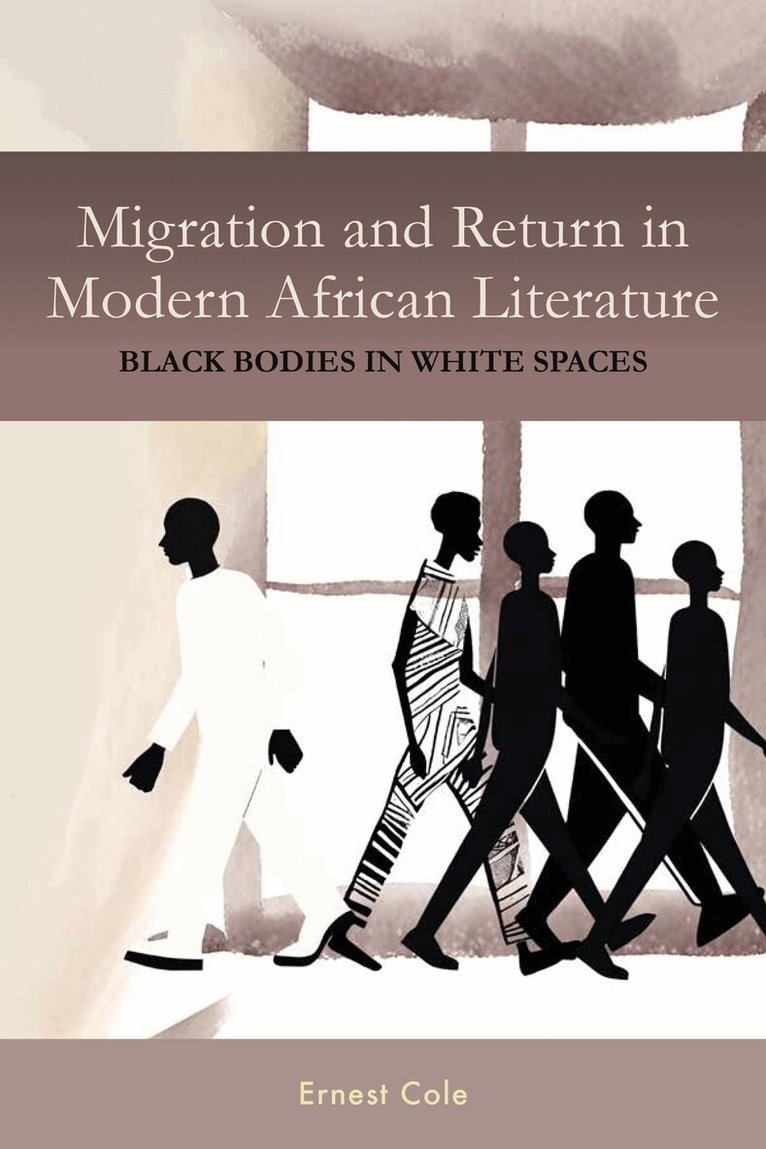
Migration and Return in Modern African Literature
Black Bodies in White Spaces
Inbunden, Engelska, 2025
1 197 kr
Skickas inom 7-10 vardagar
Using close readings of nine novels by African or African-descended novelists, this book examines three phases of African migration: departure, disillusionment and the impulse to return.The experiences of African migrants in the diaspora are deeply inflected by the condition of living as Black bodies in white spaces. In this work, author Ernest Cole examines closely the narratives of migration and return presented in nine powerful novels by authors who include Chimamanda Adichie, NoViolet Bulawayo, Teju Cole and others. The novels reveal a reversal of expectations that migrants from Africa experience upon arrival in the West, a reversal prompted in part by the racial prejudice they are confronted with as Black individuals. As the author notes, the novels also illustrate the desire to return to the homeland as a better alternative to the precarious life in the West, even though such a move is not without its complications.The study is divided into three parts with seven chapters. The first two chapters deal with the reasons for the departure of migrants from the continent, the next two depict the experiences of migrants in the West, and the last three focus on contemplations of the return journey home. Collectively, the chapters lay out three phases in the migration process: departure from home, disillusionment in the West, and return to the country of origin. Within this framework, the book uses displacement and dislocation to examine a host of themes—social alienation, alterity and the precarity of Africans in the diaspora.
1 197 kr
Skickas inom 7-10 vardagar
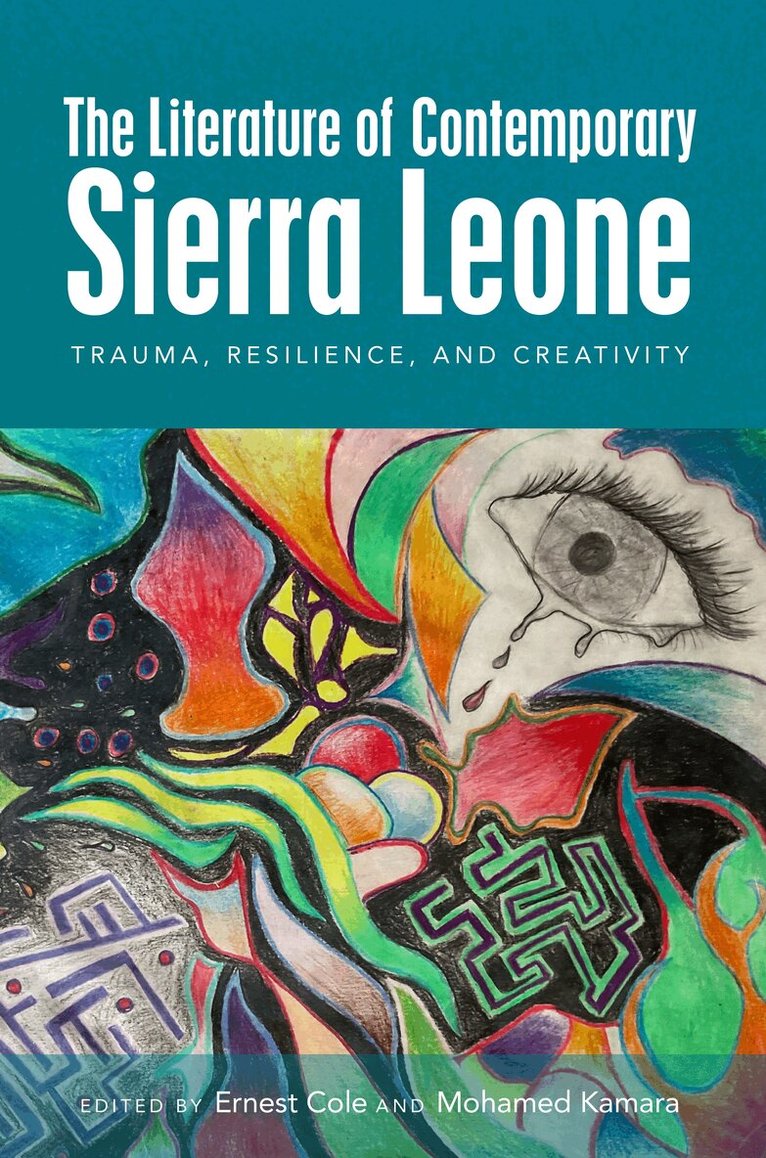
What are Sierra Leonean and diaspora authors writing about today? What genres are they working in? What are future possibilities and directions of travel?The ethnically and linguistically diverse nation of Sierra Leone boasts a rich cultural legacy and, in the first decades of the twenty-first century, has built an internationally recognized literary canon despite the ravages caused by a brutal civil war and then the Ebola and Covid pandemics. While acknowledging the country's literary and creative heritage dating back to the mid-twentieth century, this book interrogates a number of prominent themes and critical perspectives on Sierra Leone's contemporary literature.Drawing from body studies, post-colonial theory, spatial theory, trauma theory, ecocriticism, history, and cultural studies, scholars and writers from West Africa and the United States tease out the beginnings, ecology, and dynamism of a bona fide national literature. They do so through a careful examination of such themes as social oppression and class distinction, dystopia, ethnocentricity, homophobia, misogyny and gender disparities, anthropocentrism, self-discovery, social transformation, identity, social degradation, genocide, and trauma, while also theorizing constructs such as home, migration, displacement, community, and return. Throughout, contributors argue for a better appreciation of a vibrant national literature by Sierra Leoneans themselves as well as its place in and contribution to world literature more generally.
1 197 kr
Skickas inom 7-10 vardagar
This issue of ALT provides content narratives, critical frames and theoretical constructs to read and critique writings in the emerging genre of Afrifuturism.In contrast to Afrofuturism, which explores the intersection of primarily Diaspora Black culture with Western technology and hence perpetuates, to some extent, a colonial mindset, Afrifuturism looks to imagine an African and global Black future beyond industrial, technological and capitalist terms, one rooted in African cosmologies and history. Contributions in this issue seek to interrogate, contest, and reformulate some aspects of its convention by suggesting alternate frames, shifts in focus, changing perspectives of history and points of view, new narrative methods, new epistemological structures, thematic concepts and pedagogical praxis that offer new ways of defining the African and for imagining alternative futures for African peoples. Together, they shed further light on the complexities of Afrifuturism and offers alternative models for thinking about the past and the future of African people, with important implications for diaspora and postcolonial literature.