Esther Liberman Cuenca - Böcker
Visar alla böcker från författaren Esther Liberman Cuenca. Handla med fri frakt och snabb leverans.
5 produkter
5 produkter
1 389 kr
Skickas inom 5-8 vardagar
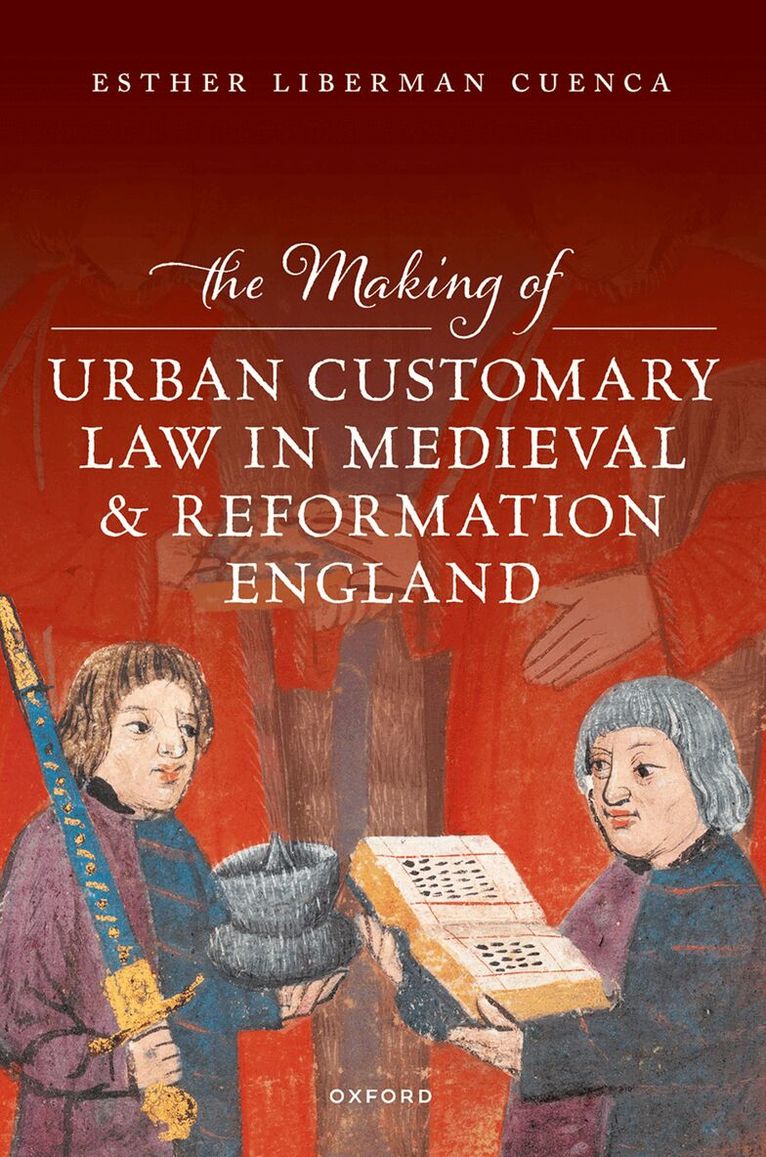
Drawing on a quantitative analysis of hundreds of printed and archival sources from 77 towns, The Making of Urban Customary Law in Medieval England is the first cross-regional investigation into the history of urban customs since Mary Bateson's seminal, two-volume work Borough Customs (1904-1906). In contrast to English common law and church law, which both had long institutional and academic traditions devoted to training men in their legal philosophies, customary law constituted local practices that acquired the force of law over time. Urban customary law regulated political officeholding, trade, property holding, and even moral behaviour in English towns. The Making of Urban Customary Law argues that urban customs, which governed the lives of people in English towns, were crucial to the development of a distinct, bourgeois identity in England-an evolution that this new study tracks from the early twelfth to the late sixteenth centuries. In the years following the Black Death, and especially during the Reformation period, this law became more concerned with defining political authority, maintaining morality, and articulating a consensus about the “common good” for townspeople. This book makes two principal claims: First, customary law advanced the business interests of an urban oligarchy. These were urban (male) elites who drafted laws and obtained privileges to enhance their wealth and assert their political independence from local lords, and often made claims about the legitimacy of their privileges or laws by rooted them in history or some kind of ancestral past. These lawmakers also made considerable efforts to establish their identities as morally upright and even-handed patriarchs. In so doing, urban customary law played a central role in the development of a distinct bourgeois identity in medieval and Reformation England. Second, this law lent particular meanings to the “common good” in towns, as it helped these lawmakers articulate policies that cohered to their vision of an ideal civic community.
1 257 kr
Kommande
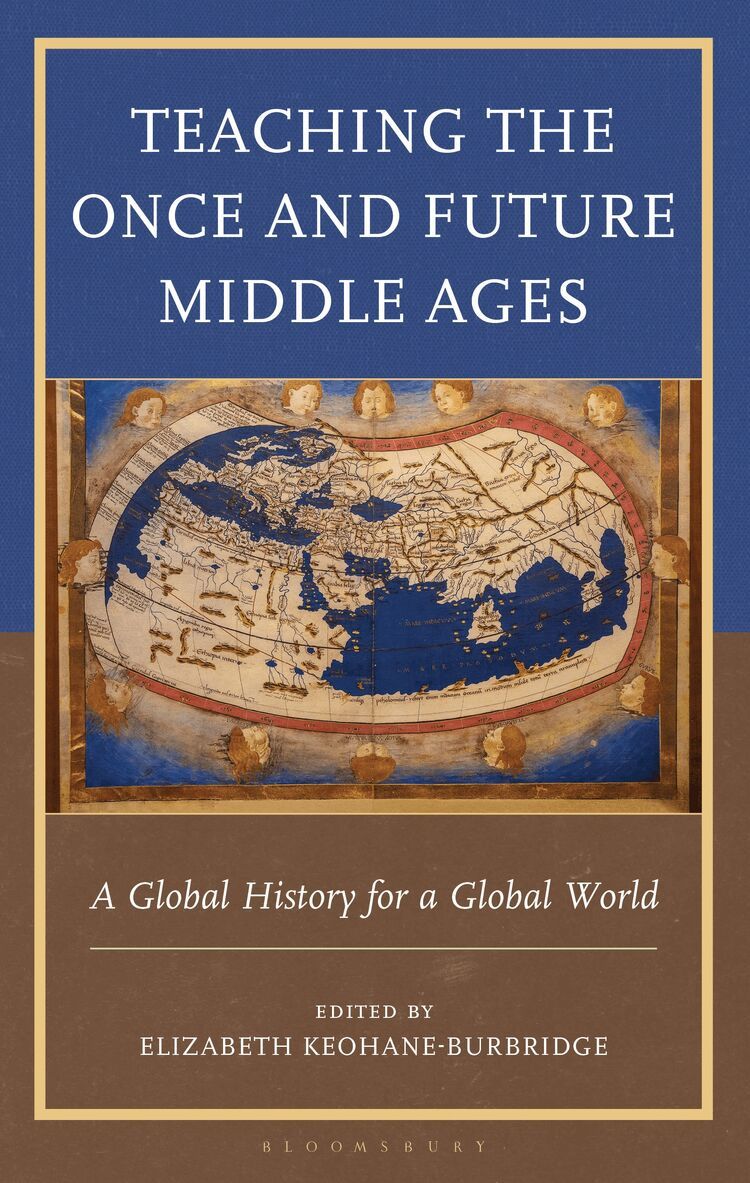
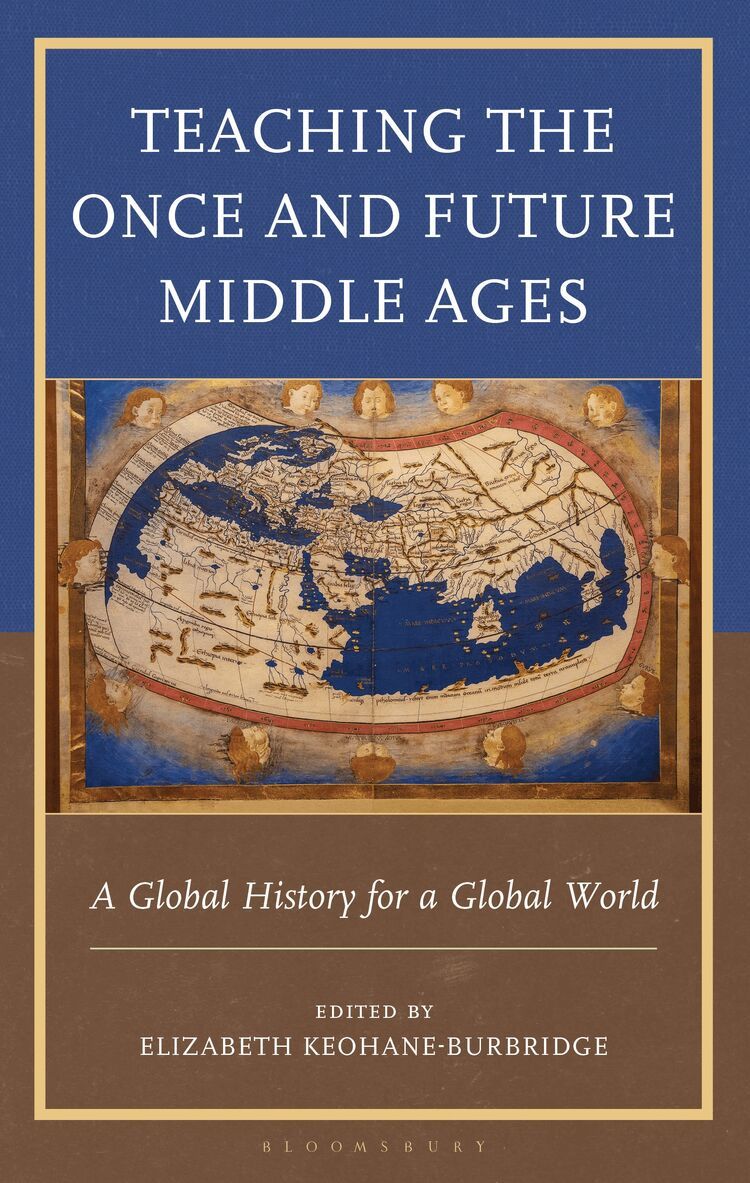
On graduating high school, many American students believe that the Middle Ages was full of knights, war, all-powerful popes, and, if their content went beyond Europe, potentially an incredibly wealthy man named Mansa Musa, and a Mesoamerican ballgame. In this version of the past, medieval people were backward, dirty, and all believed the earth was flat. While people who work within this chronological time period recognize its complexity, most students are not exposed to the history of the middle ages until they take upper level or graduate classes at universities, if they ever get that far. Given recent national and international events, it is evident that leaving this complicated and nuanced history for so late in a person’s educational journey is doing a social as well as educational disservice. In a quest to help teachers remediate this problem, several scholars of the global Middle Ages and Medievalisms have written lesson guides to be used by teachers of World and United States history for grades six through twelve. the goal is to create a collection that a teacher would be able to implement in their classroom with minimal additional work.
349 kr
Kommande
On graduating high school, many American students believe that the Middle Ages was full of knights, war, all-powerful popes, and, if their content went beyond Europe, potentially an incredibly wealthy man named Mansa Musa, and a Mesoamerican ballgame. In this version of the past, medieval people were backward, dirty, and all believed the earth was flat. While people who work within this chronological time period recognize its complexity, most students are not exposed to the history of the middle ages until they take upper level or graduate classes at universities, if they ever get that far. Given recent national and international events, it is evident that leaving this complicated and nuanced history for so late in a person’s educational journey is doing a social as well as educational disservice. In a quest to help teachers remediate this problem, several scholars of the global Middle Ages and Medievalisms have written lesson guides to be used by teachers of World and United States history for grades six through twelve. the goal is to create a collection that a teacher would be able to implement in their classroom with minimal additional work.
1 155 kr
Skickas inom 10-15 vardagar
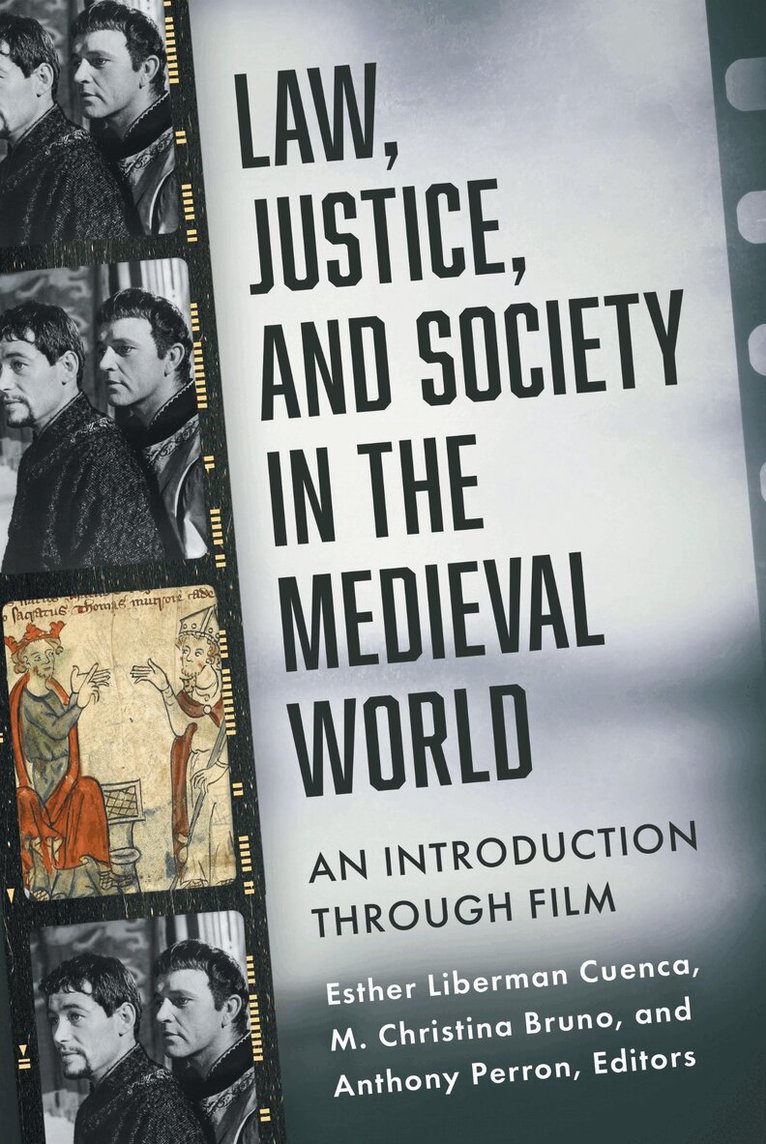
This coursebook is the first full-length study of cinematic "legal medievalism," or the modern interpretation of medieval law in film and popular cultureFor more than a century, filmmakers have used the "Middle Ages" to produce popular entertainment and comment on contemporary issues. Each of the twenty chapters in Law, Justice, and Society in the Medieval World represents an original contribution to our understanding of how medieval regulations, laws, and customs have been depicted in film. It offers a window into the "rules" of medieval society through the lens of popular culture.This book includes analyses of recent and older films, avant-garde as well as popular cinema. Films discussed in this book include Braveheart (1995), Kingdom of Heaven (2005), The Passion of Joan of Arc (1928), The Last Duel (2021), The Green Knight (2021), The Little Hours (2017), and The Adventures of Robin Hood (1938), among others.Each chapter explores the contemporary context of the film in question, the medieval literary or historical milieu the film references, and the lessons the film can teach us about the medieval world. Attached to each chapter is an appendix of medieval documentary sources and reading questions to prompt critical reflection.
317 kr
Skickas inom 7-10 vardagar
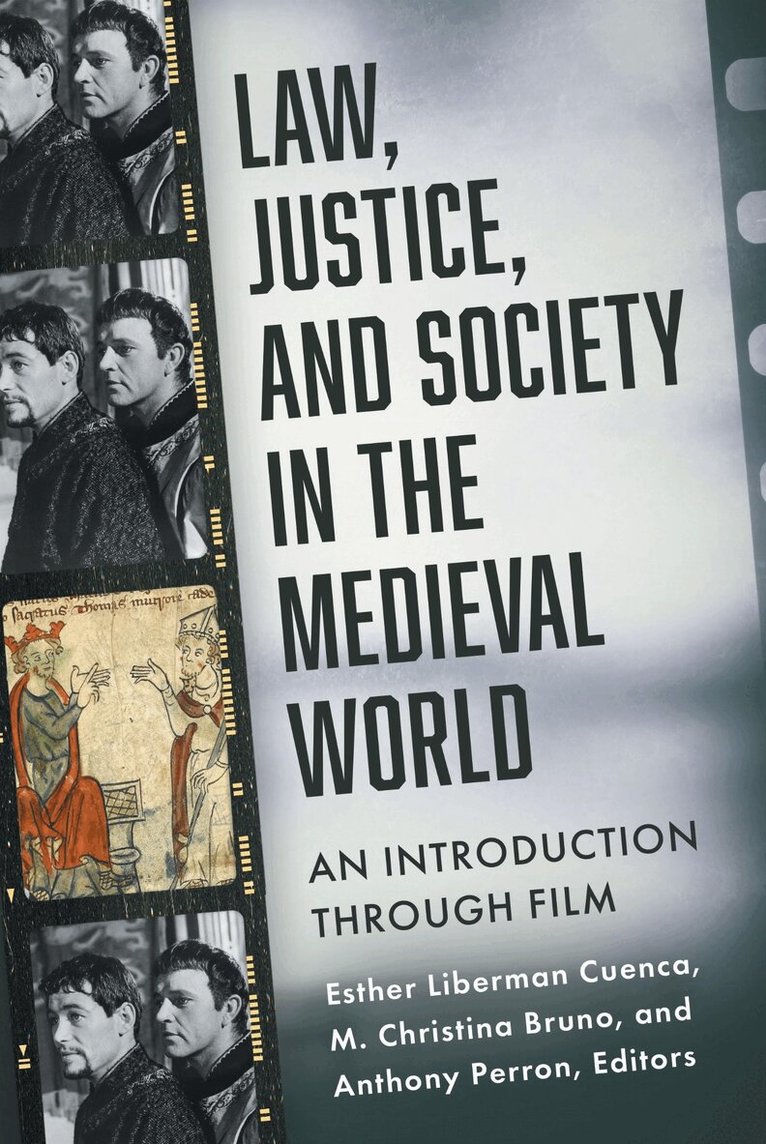
This coursebook is the first full-length study of cinematic "legal medievalism," or the modern interpretation of medieval law in film and popular cultureFor more than a century, filmmakers have used the "Middle Ages" to produce popular entertainment and comment on contemporary issues. Each of the twenty chapters in Law, Justice, and Society in the Medieval World represents an original contribution to our understanding of how medieval regulations, laws, and customs have been depicted in film. It offers a window into the "rules" of medieval society through the lens of popular culture.This book includes analyses of recent and older films, avant-garde as well as popular cinema. Films discussed in this book include Braveheart (1995), Kingdom of Heaven (2005), The Passion of Joan of Arc (1928), The Last Duel (2021), The Green Knight (2021), The Little Hours (2017), and The Adventures of Robin Hood (1938), among others.Each chapter explores the contemporary context of the film in question, the medieval literary or historical milieu the film references, and the lessons the film can teach us about the medieval world. Attached to each chapter is an appendix of medieval documentary sources and reading questions to prompt critical reflection.