Eugénie Birch - Böcker
Visar alla böcker från författaren Eugénie Birch. Handla med fri frakt och snabb leverans.
5 produkter
5 produkter
2 637 kr
Skickas inom 10-15 vardagar
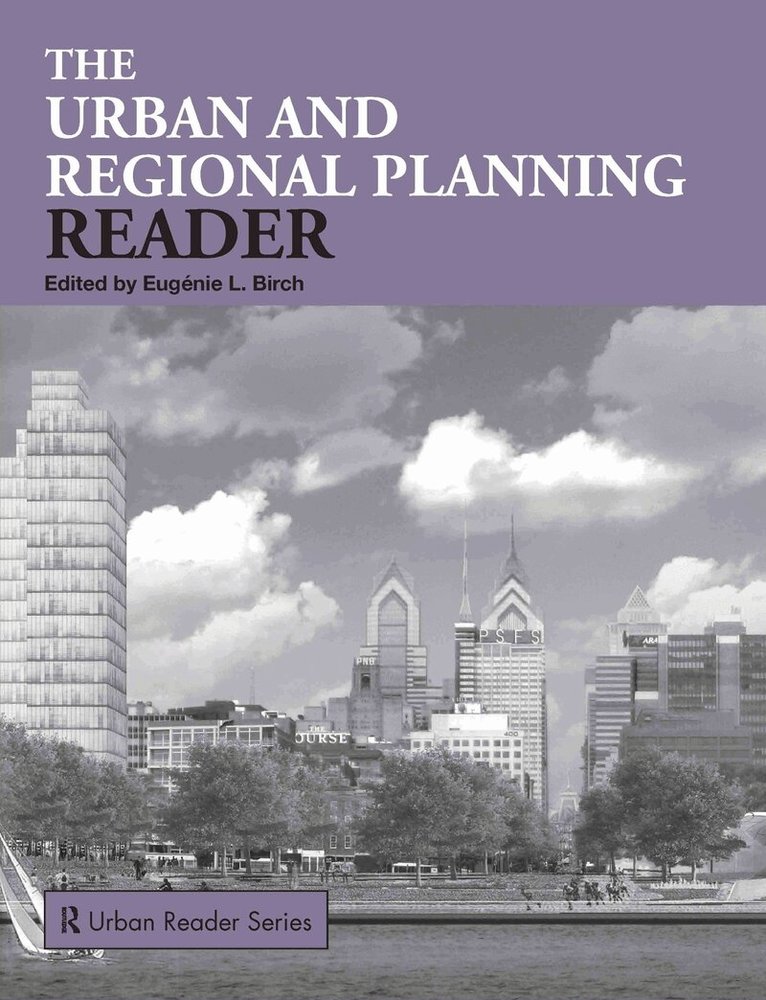
The Urban and Regional Planning Reader draws together the very best of classic and contemporary writings to illuminate the planning of cities and metropolitan areas. Forty-seven generous selections include contributions from Lewis Mumford, Jane Jacobs, Ian McHarg, Paul Davidoff, Charles Harr, Susan Fainstein and Charles J. Hoch through to Timothy Beatley; Jonathan Barnett, Alex Garvin, Tom Daniels, Andres Duany and Barbara Faga. The variety and wide selection of readings offers one of the most innovative amalgamations of planning research and practice.The Reader lays out the context, range of concerns, history, methods and key topics for twenty-first century urban and regional planning. Sections on the world of planning, history and theory, classic readings, practice and current issues include writings with a focus on the distribution of space and place, essays on housing, transportation design, environment, community development, the effects of cultural diversity and information technology on land use and other topics. It displays the techniques used to direct and control growth, including zoning, master planning, public budgeting and citizen participation. It explores different types of plans distinguished by their scale and reference type. It references analytical and presentation techniques and outlines ethical issues confronting planners.This Urban and Regional Planning Reader provides an essential resource, for students of planning, drawing together important but widely dispersed writings and the associated bibliography is a resource which enables deeper investigations. The synthesis is also valuable for lecturers and researches in the area and the pertinent editorial commentaries preceding each entry not only demonstrate its significance, but also outline the issue surrounding the topic.
1 205 kr
Skickas inom 10-15 vardagar
The Urban and Regional Planning Reader draws together the very best of classic and contemporary writings to illuminate the planning of cities and metropolitan areas. Forty-seven generous selections include contributions from Lewis Mumford, Jane Jacobs, Ian McHarg, Paul Davidoff, Charles Harr, Susan Fainstein and Charles J. Hoch through to Timothy Beatley; Jonathan Barnett, Alex Garvin, Tom Daniels, Andres Duany and Barbara Faga. The variety and wide selection of readings offers one of the most innovative amalgamations of planning research and practice.The Reader lays out the context, range of concerns, history, methods and key topics for twenty-first century urban and regional planning. Sections on the world of planning, history and theory, classic readings, practice and current issues include writings with a focus on the distribution of space and place, essays on housing, transportation design, environment, community development, the effects of cultural diversity and information technology on land use and other topics. It displays the techniques used to direct and control growth, including zoning, master planning, public budgeting and citizen participation. It explores different types of plans distinguished by their scale and reference type. It references analytical and presentation techniques and outlines ethical issues confronting planners.This Urban and Regional Planning Reader provides an essential resource, for students of planning, drawing together important but widely dispersed writings and the associated bibliography is a resource which enables deeper investigations. The synthesis is also valuable for lecturers and researches in the area and the pertinent editorial commentaries preceding each entry not only demonstrate its significance, but also outline the issue surrounding the topic.
377 kr
Skickas inom 7-10 vardagar
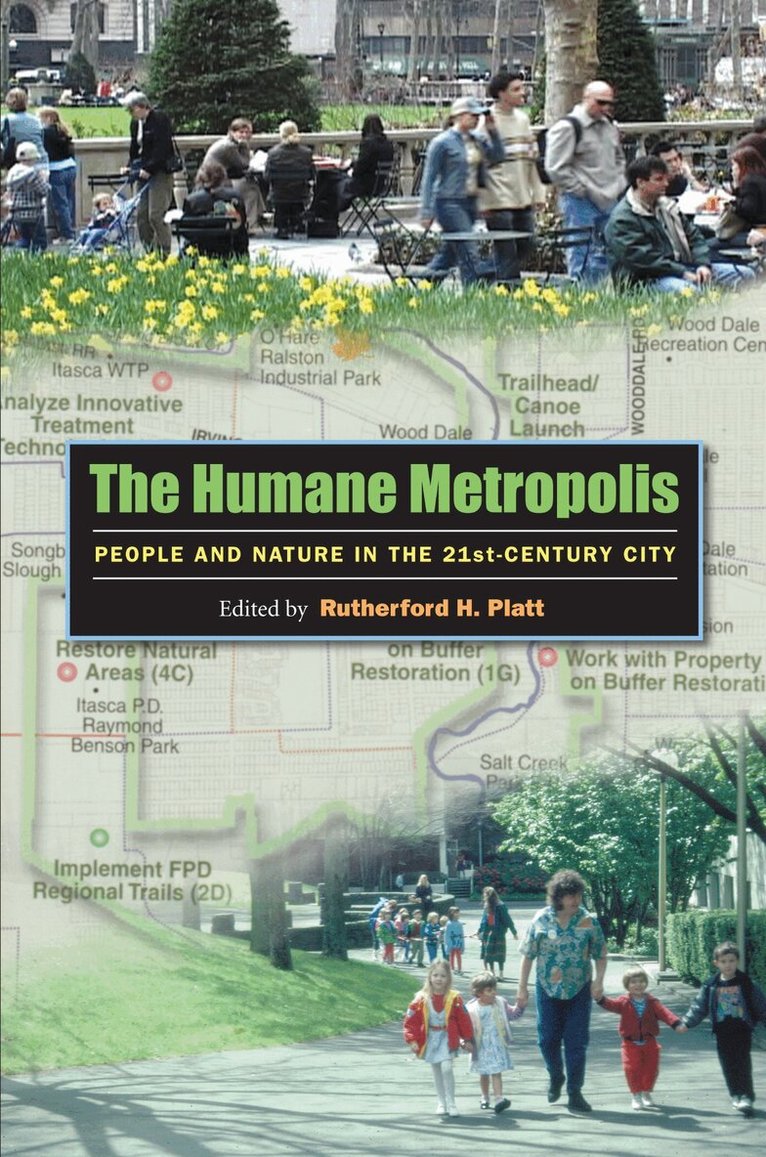
Four-fifths of Americans now live in the nation's sprawling metropolitan areas, and half of the world's population is now classified as ""urban."" As cities become the dominant living environment for humans, there is growing concern about how to make such places more habitable, more healthy and safe, more ecological, and more equitable - in short, more ""humane."" This book explores the prospects for a more humane metropolis through a series of essays and case studies that consider why and how urban places can be made greener and more amenable. Its point of departure is the legacy of William H. Whyte (1917-1999), one of America's most admired urban thinkers. From his eyrie high above Manhattan in the offices of the Rockefeller Brothers Fund, Whyte laid the foundation for today's ""smart growth"" and ""new urbanist"" movements with books, such as ""The Last Landscape"" (1968). His passion for improving the habitability of cities and suburbs is reflected in the diverse grass-roots urban design and regreening strategies discussed in this volume. Topics examined in this book include urban and regional greenspaces, urban ecological restoration, social equity, and green design. Some of the contributors are recognized academic experts, while others offer direct practical knowledge of particular problems and initiatives. The editor's introduction and epilogue set the individual chapters in a broader context and suggest how the strategies described, if widely replicated, may help create more humane urban environments.
1 584 kr
Skickas inom 10-15 vardagar
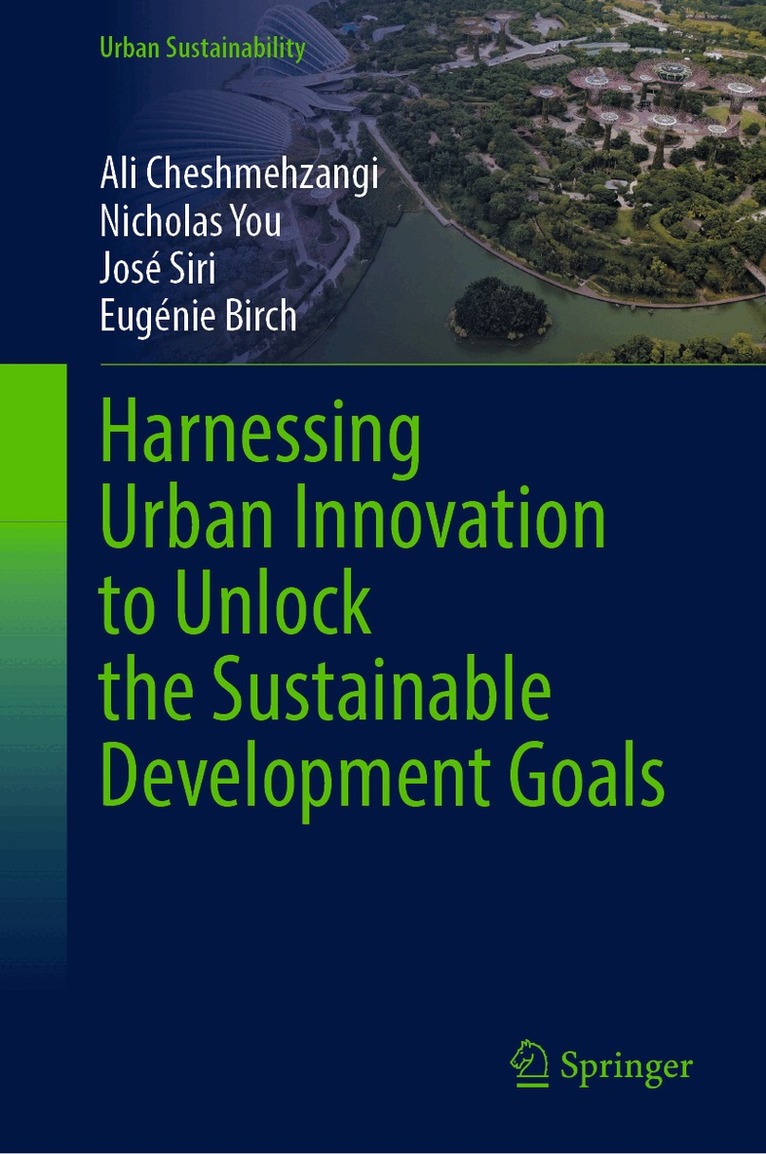
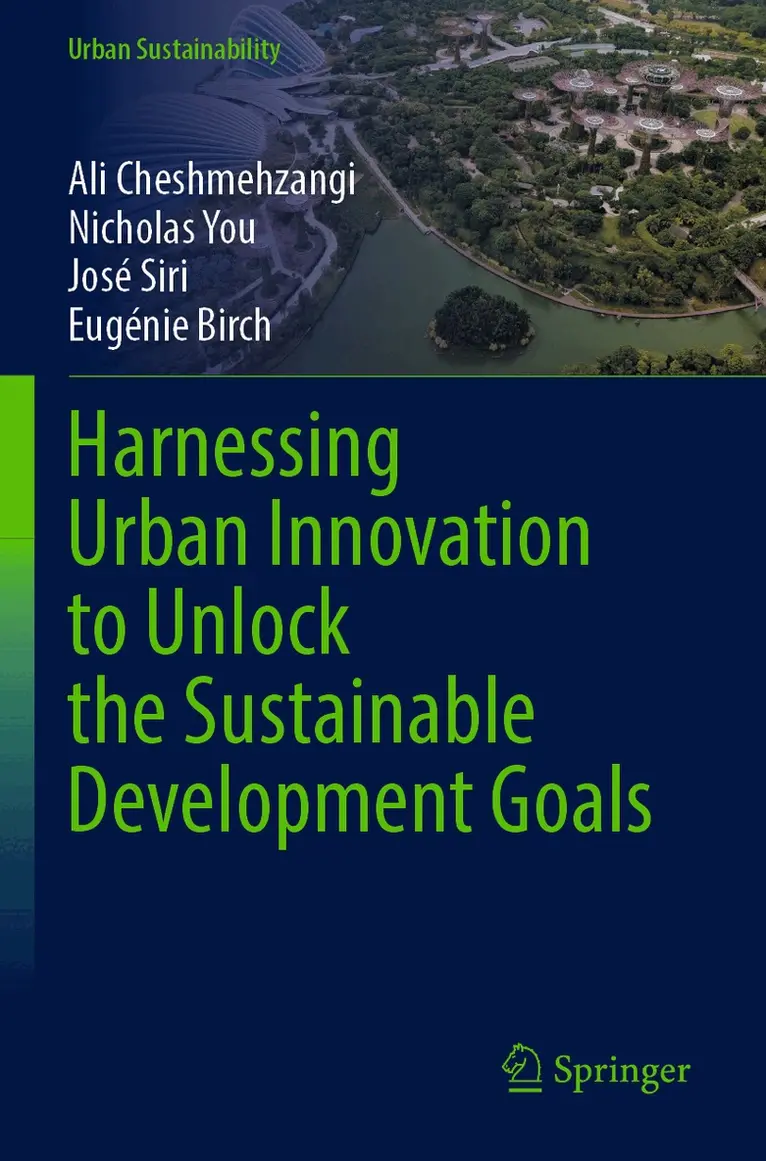
This book first attempts to explore the nexus between urban innovation and sustainable development goals (SDGs). It puts together global examples of urban innovation initiatives, highlighting practical, policy-oriented, social, and technological interventions. The case studies are divided into four clusters of ‘green cities’, ‘inclusive cities’, ‘resilient cities’, and ‘healthy cities’. In doing so, the book maps various global examples of urban innovation for sustainable pathways and directions. It also highlights means of implementation of tool and technologies, data, financing, and governance. The overarching aim is to provide a holistic overview of urban innovation sustainable development nexus, which would help future policy development, paradigm shifts, and technological applications.By summarising a selection of successful initiatives, interventions, and projects, this book highlights how urban innovation could accelerate achieving SDGs. The lessons learned from each case studycluster are narrated as knowledge transfer platforms for future city development and achieving sustainable development. These lessons will be beneficial to practitioners and governments, as well as researchers and academics who are interested in urban innovation research. City case studies included in the book are based on their success stories as role models for other cities in developed and developing nations. This collection helps us portray a more holistic image of urban innovation aligned with the SDGs and pathways to achieving them.
1 584 kr
Skickas inom 10-15 vardagar
This book first attempts to explore the nexus between urban innovation and sustainable development goals (SDGs). It puts together global examples of urban innovation initiatives, highlighting practical, policy-oriented, social, and technological interventions. The case studies are divided into four clusters of ‘green cities’, ‘inclusive cities’, ‘resilient cities’, and ‘healthy cities’. In doing so, the book maps various global examples of urban innovation for sustainable pathways and directions. It also highlights means of implementation of tool and technologies, data, financing, and governance. The overarching aim is to provide a holistic overview of urban innovation sustainable development nexus, which would help future policy development, paradigm shifts, and technological applications.By summarising a selection of successful initiatives, interventions, and projects, this book highlights how urban innovation could accelerate achieving SDGs. The lessons learned from each case studycluster are narrated as knowledge transfer platforms for future city development and achieving sustainable development. These lessons will be beneficial to practitioners and governments, as well as researchers and academics who are interested in urban innovation research. City case studies included in the book are based on their success stories as role models for other cities in developed and developing nations. This collection helps us portray a more holistic image of urban innovation aligned with the SDGs and pathways to achieving them.