Eva Forgacs – författare
Visar alla böcker från författaren Eva Forgacs. Handla med fri frakt och snabb leverans.
8 produkter
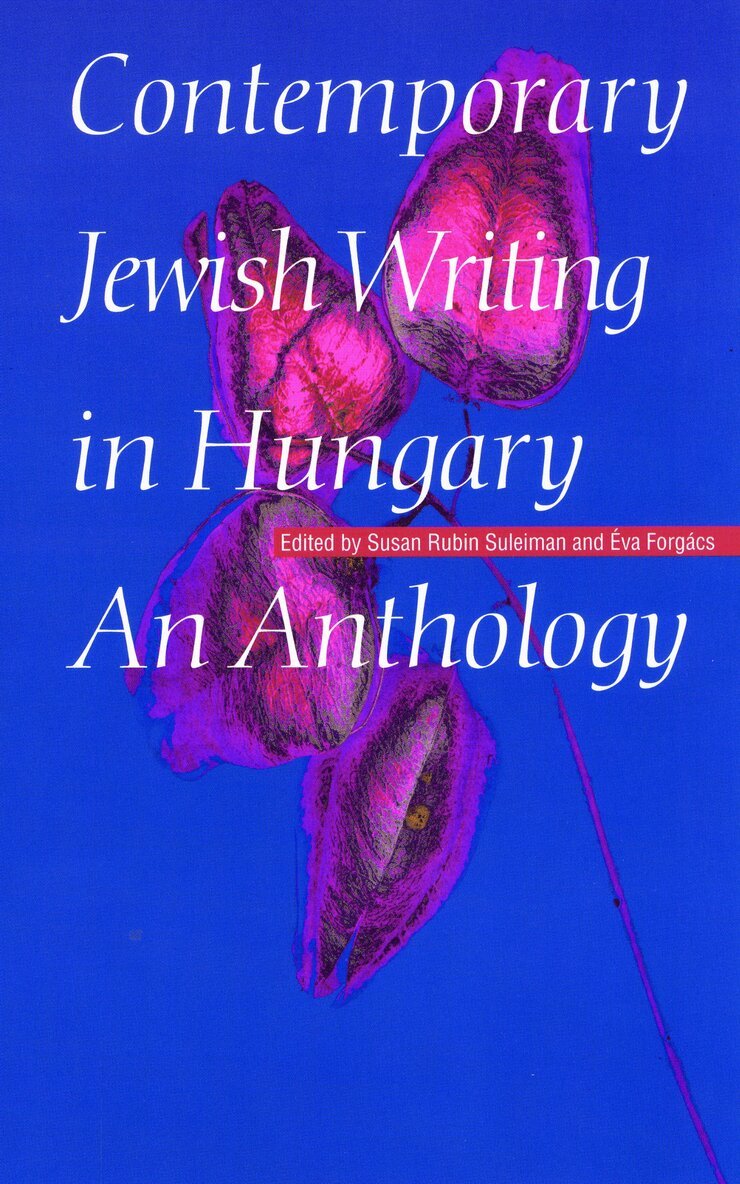
Contemporary Jewish Writing in Hungary
An Anthology
Av Susan Rubin Suleiman, Eva Forgacs
Häftad, 2003
485 kr
Lägg i varukorg
Contemporary Jewish Writing in Hungary features works by twenty-four of Hungary's best writers who have written about what it means to be Jewish in post-Holocaust Eastern Europe. This volume includes work by Nobel Prize winner Imre Kertész and other internationally known writers such as György …
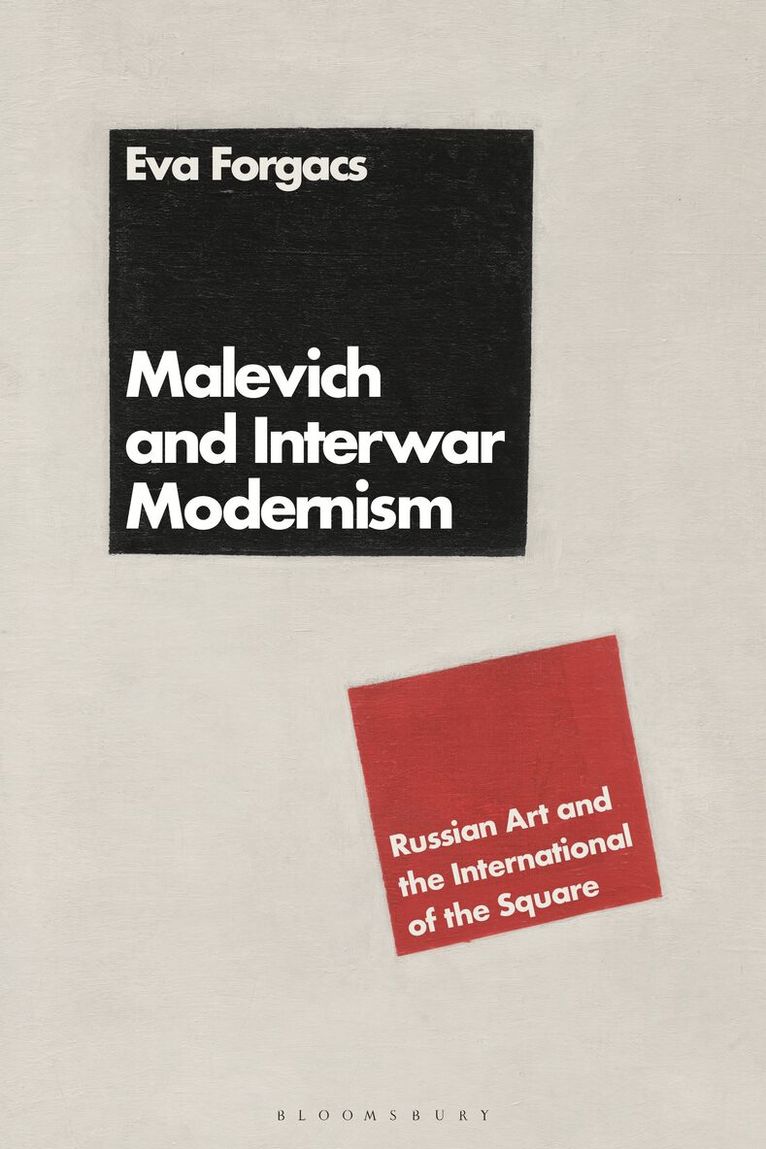
Malevich and Interwar Modernism
Russian Art and the International of the Square
Av Éva Forgács
Inbunden, 2022
1444 kr
Lägg i varukorg
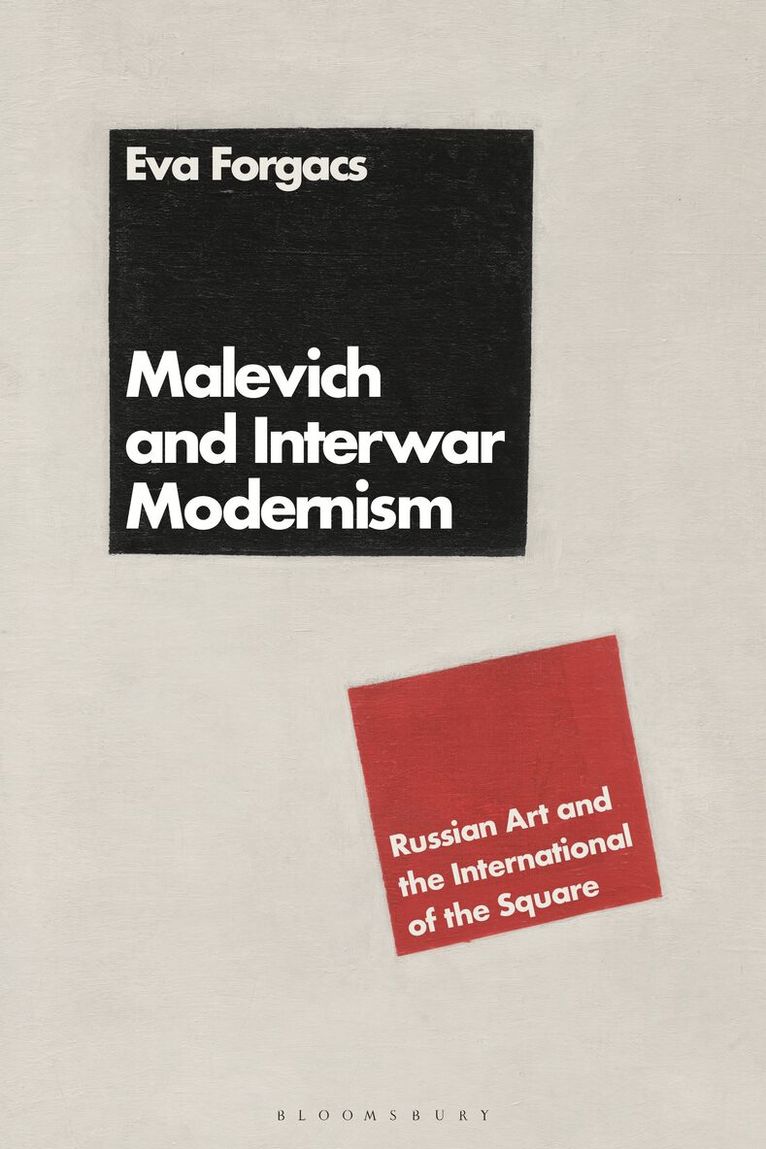
This book examines the legacy of international interwar modernism as a case of cultural transfer through the travels of a central motif: the square. The square was the most emblematic and widely known form/motif of the international avant-garde in the interwar years. It originated from the Russian …
Malevich and Interwar Modernism
Russian Art and the International of the Square
Av Éva Forgács
E-bok, 2022
482 kr
Lägg i varukorg
This book examines the legacy of international interwar modernism as a case of cultural transfer through the travels of a central motif: the square. The square was the most emblematic and widely known form/motif of the international avant-garde in the interwar years. It originated from the Russian …
Malevich and Interwar Modernism
Russian Art and the International of the Square
Av Éva Forgács
E-bok, 2022
482 kr
Lägg i varukorg
This book examines the legacy of international interwar modernism as a case of cultural transfer through the travels of a central motif: the square. The square was the most emblematic and widely known form/motif of the international avant-garde in the interwar years. It originated from the Russian …
Malevich and Interwar Modernism
Russian Art and the International of the Square
Av Éva Forgács
Häftad, 2023
442 kr
Lägg i varukorg
This book examines the legacy of international interwar modernism as a case of cultural transfer through the travels of a central motif: the square. The square was the most emblematic and widely known form/motif of the international avant-garde in the interwar years. It originated from the Russian …
Bauhaus Idea and Bauhaus Politics
Av Éva Forgács
Häftad, 1995
4,0 utav 5 stjärnor. Totalt antal röster: (1)
709 kr
Lägg i varukorg
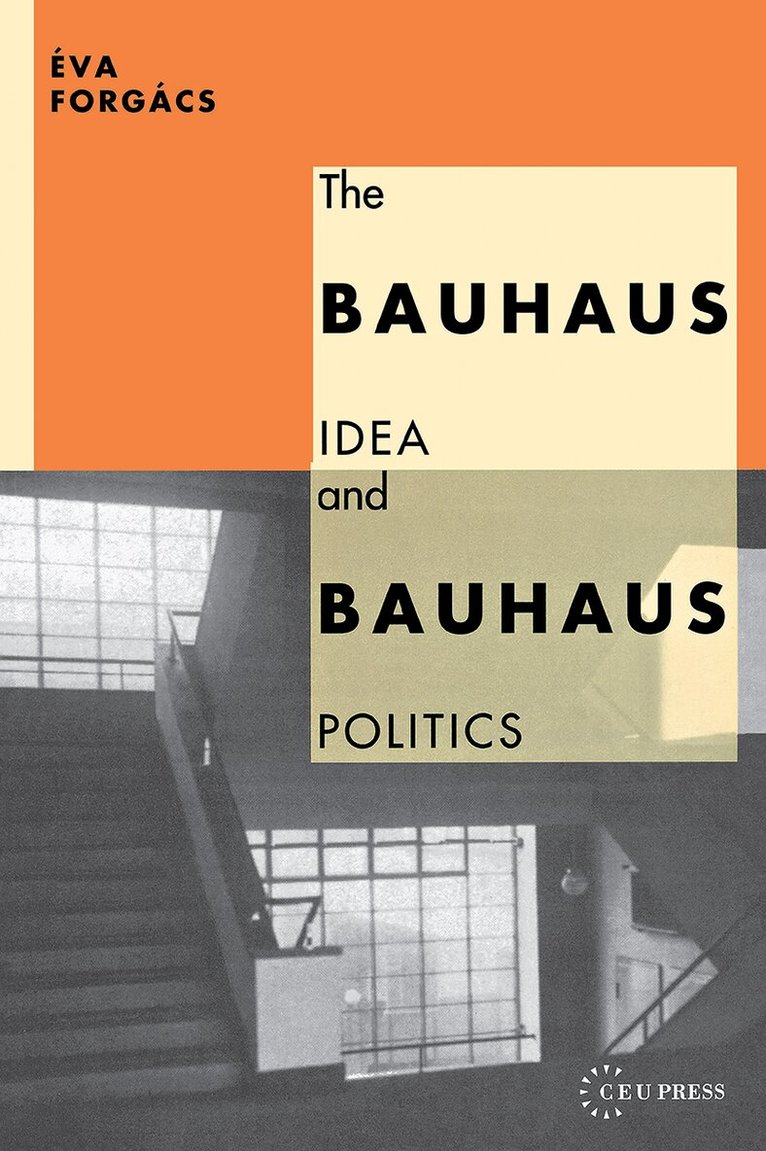
Forgacs examines the development of the Bauhaus school of architecture and applied design by focusing on the idea of the Bauhaus, rather than on its artefacts. What gave this idea its extraordinary powers of survival? Founded in 1919, with the architect Walter Gropius as its first director, the …
Hungarian Art
Confrontation and Revival in the Modern Movement
Av Eva Forgacs
E-bok, 2023
341 kr
Lägg i varukorg
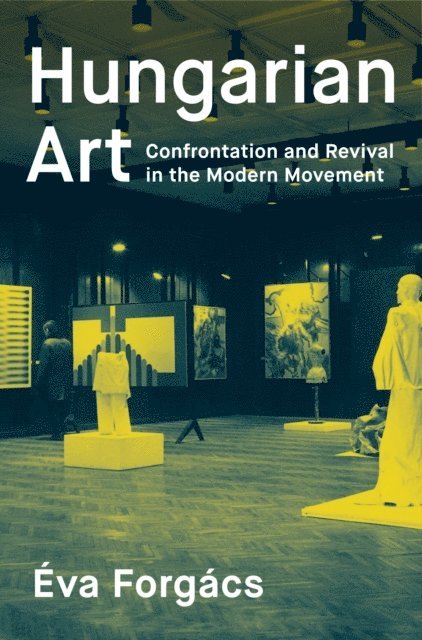
An engaging and insightful collection of essays and rarely-seen imagery that traces the development of modernism in Hungarian art, from birth to maturation and through several generations. Written in an accessible way for an international audience and reflecting on socio-political currents. This …
Hungarian Art
Confrontation and Revival in the Modern Movement
Av Éva Forgács
Häftad, 2017
292 kr
Tillfälligt slut
Insightful essays and rarely-seen images tracing, from birth to maturation, several generations of Hungarian modernism, from the avant-garde to neo-avant-garde. This wide-ranging collection by Eva Forgacs, a leading scholar of Modernism, corrects long-standing misconceptions about Hungarian art …