Eva-Maria Muschik - Böcker
Visar alla böcker från författaren Eva-Maria Muschik. Handla med fri frakt och snabb leverans.
4 produkter
4 produkter
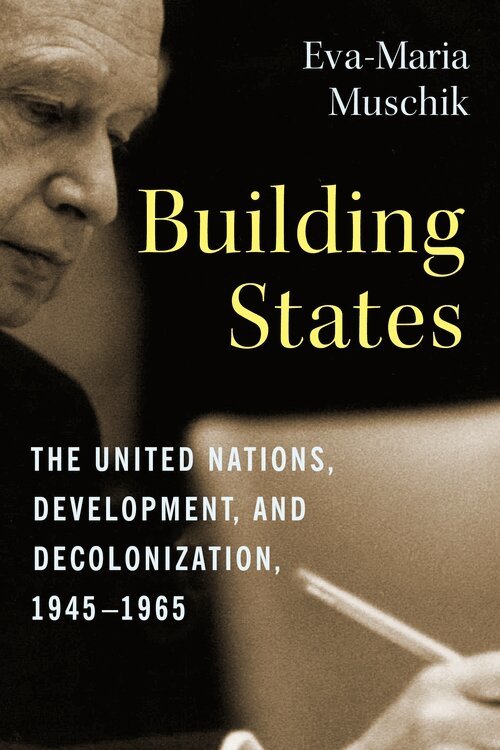
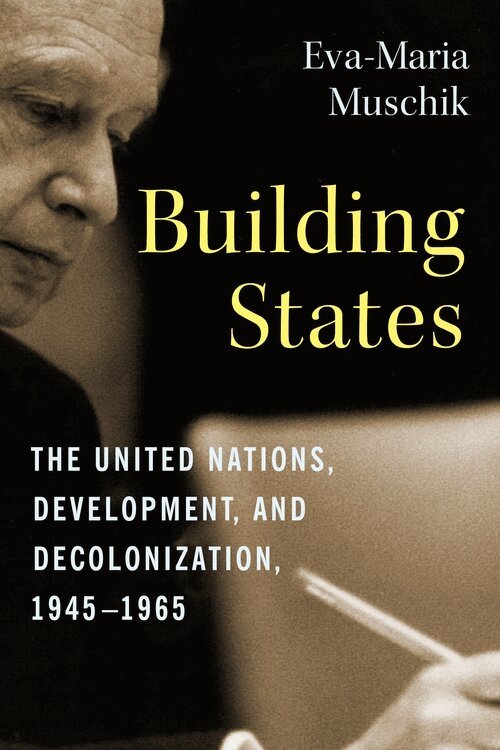
Building States
The United Nations, Development, and Decolonization, 1945–1965
Inbunden, Engelska, 2022
1 304 kr
Skickas inom 7-10 vardagar
Postwar multilateral cooperation is often viewed as an attempt to overcome the limitations of the nation-state system. However, in 1945, when the United Nations was founded, large parts of the world were still under imperial control. Building States investigates how the UN tried to manage the dissolution of European empires in the 1950s and 1960s—and helped transform the practice of international development and the meaning of state sovereignty in the process.Eva-Maria Muschik argues that the UN played a key role in the global proliferation and reinvention of the nation-state in the postwar era, as newly independent states came to rely on international assistance. Drawing on previously untapped primary sources, she traces how UN personnel—usually in close consultation with Western officials—sought to manage decolonization peacefully through international development assistance. Examining initiatives in Libya, Somaliland, Bolivia, the Congo, and New York, Muschik shows how the UN pioneered a new understanding and practice of state building, presented as a technical challenge for international experts rather than a political process. UN officials increasingly took on public-policy functions, despite the organization’s mandate not to interfere in the domestic affairs of its member states. These initiatives, Muschik suggests, had lasting effects on international development practice, peacekeeping, and post-conflict territorial administration.Casting new light on how international organizations became major players in the governance of developing countries, Building States has significant implications for the histories of decolonization, the Cold War, and international development.
331 kr
Skickas inom 7-10 vardagar
Postwar multilateral cooperation is often viewed as an attempt to overcome the limitations of the nation-state system. However, in 1945, when the United Nations was founded, large parts of the world were still under imperial control. Building States investigates how the UN tried to manage the dissolution of European empires in the 1950s and 1960s—and helped transform the practice of international development and the meaning of state sovereignty in the process.Eva-Maria Muschik argues that the UN played a key role in the global proliferation and reinvention of the nation-state in the postwar era, as newly independent states came to rely on international assistance. Drawing on previously untapped primary sources, she traces how UN personnel—usually in close consultation with Western officials—sought to manage decolonization peacefully through international development assistance. Examining initiatives in Libya, Somaliland, Bolivia, the Congo, and New York, Muschik shows how the UN pioneered a new understanding and practice of state building, presented as a technical challenge for international experts rather than a political process. UN officials increasingly took on public-policy functions, despite the organization’s mandate not to interfere in the domestic affairs of its member states. These initiatives, Muschik suggests, had lasting effects on international development practice, peacekeeping, and post-conflict territorial administration.Casting new light on how international organizations became major players in the governance of developing countries, Building States has significant implications for the histories of decolonization, the Cold War, and international development.
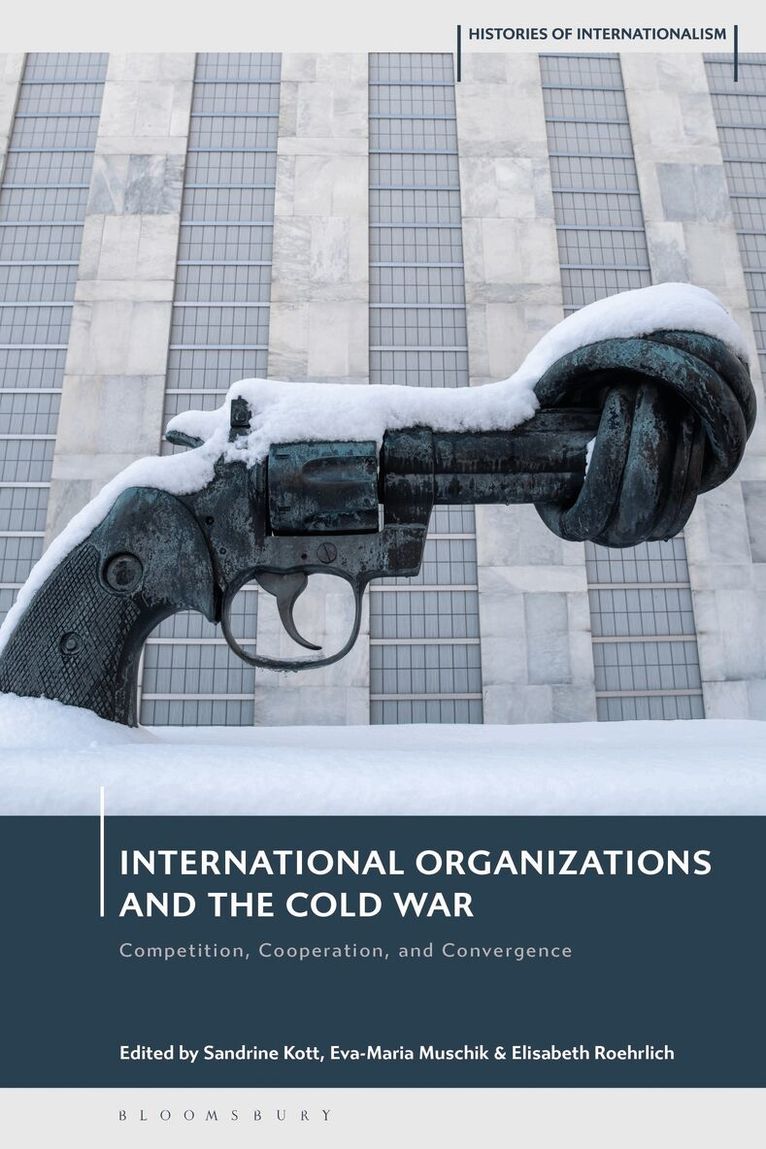
International Organizations and the Cold War
Competition, Cooperation, and Convergence
Inbunden, Engelska, 2025
1 142 kr
Skickas inom 10-15 vardagar
The post-WWII era was a time of superpower confrontation and antagonistic bloc politics, but it was also a period in which organized internationalism reached its peak as both an ideological value and a political practice. This open access volume explores how international organizations affected the evolution and nature of Cold War rivalries, and how they in turn were shaped by them.In seeking to understand the role that international organizations have played as sites of confrontation, this volume also highlights their role as spaces for mediation and negotiation, particularly for middle-size powers and colonized or newly decolonized countries. Through multiple perspectives, based on a diverse array of historical sources, the authors collectively explore how international organizations were able to bridge and move beyond the Cold War divide by promoting common causes and shaping common scientific knowledge, communities and practices.Rather than focusing exclusively on western-dominated institutions within the UN system which have received the most scholarly attention to date, International Organizations and the Cold War highlights the role of lesser-known groups such as the Paris-based International Child Center, the Prague-based International Union of Students and historical actors such as Soviet public health experts and Chinese development specialists. In doing so, it asks new questions about the role of international organizations in securing peace and security across the modern world, and their role as negotiator in times of tension and crisis.The ebook editions of this book are available open access under a CC BY-NC-ND 4.0 licence on bloomsburycollections.com. Open access was funded by the Swiss National Science Foundation.
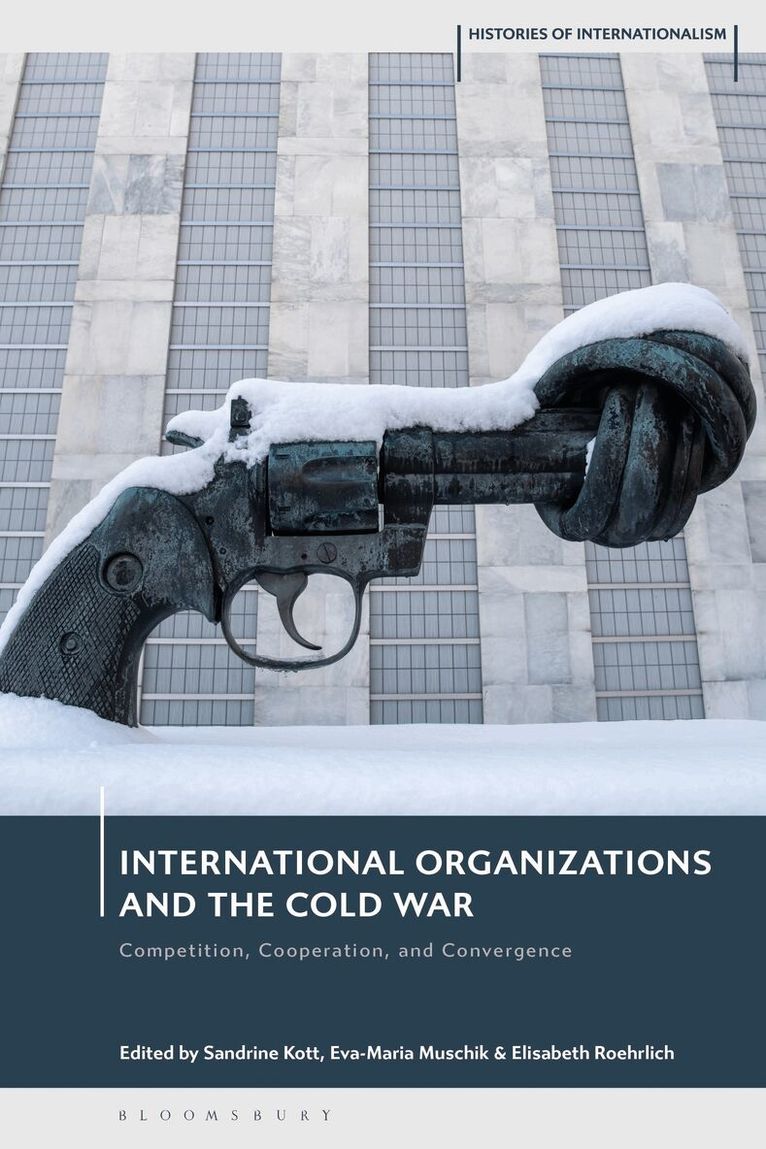
International Organizations and the Cold War
Competition, Cooperation, and Convergence
Häftad, Engelska, 2026
484 kr
Kommande
The post-WWII era was a time of superpower confrontation and antagonistic bloc politics, but it was also a period in which organized internationalism reached its peak as both an ideological value and a political practice. This open access volume explores how international organizations affected the evolution and nature of Cold War rivalries, and how they in turn were shaped by them.In seeking to understand the role that international organizations have played as sites of confrontation, this volume also highlights their role as spaces for mediation and negotiation, particularly for middle-size powers and colonized or newly decolonized countries. Through multiple perspectives, based on a diverse array of historical sources, the authors collectively explore how international organizations were able to bridge and move beyond the Cold War divide by promoting common causes and shaping common scientific knowledge, communities and practices.Rather than focusing exclusively on western-dominated institutions within the UN system which have received the most scholarly attention to date, International Organizations and the Cold War highlights the role of lesser-known groups such as the Paris-based International Child Center, the Prague-based International Union of Students and historical actors such as Soviet public health experts and Chinese development specialists. In doing so, it asks new questions about the role of international organizations in securing peace and security across the modern world, and their role as negotiator in times of tension and crisis.The ebook editions of this book are available open access under a CC BY-NC-ND 4.0 licence on bloomsburycollections.com. Open access was funded by the Swiss National Science Foundation.