Eyck Freymann – författare
Visar alla böcker från författaren Eyck Freymann. Handla med fri frakt och snabb leverans.
3 produkter
3 produkter
308 kr
Kommande
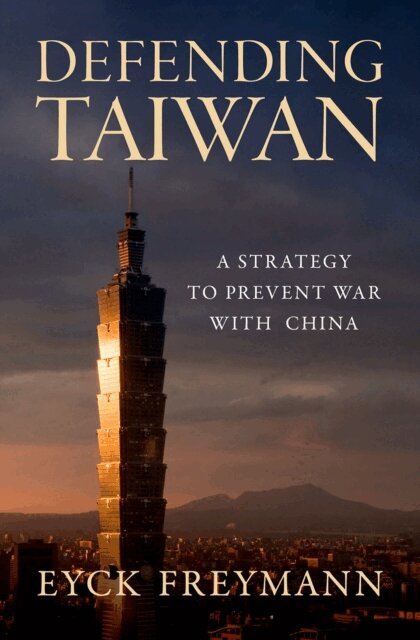
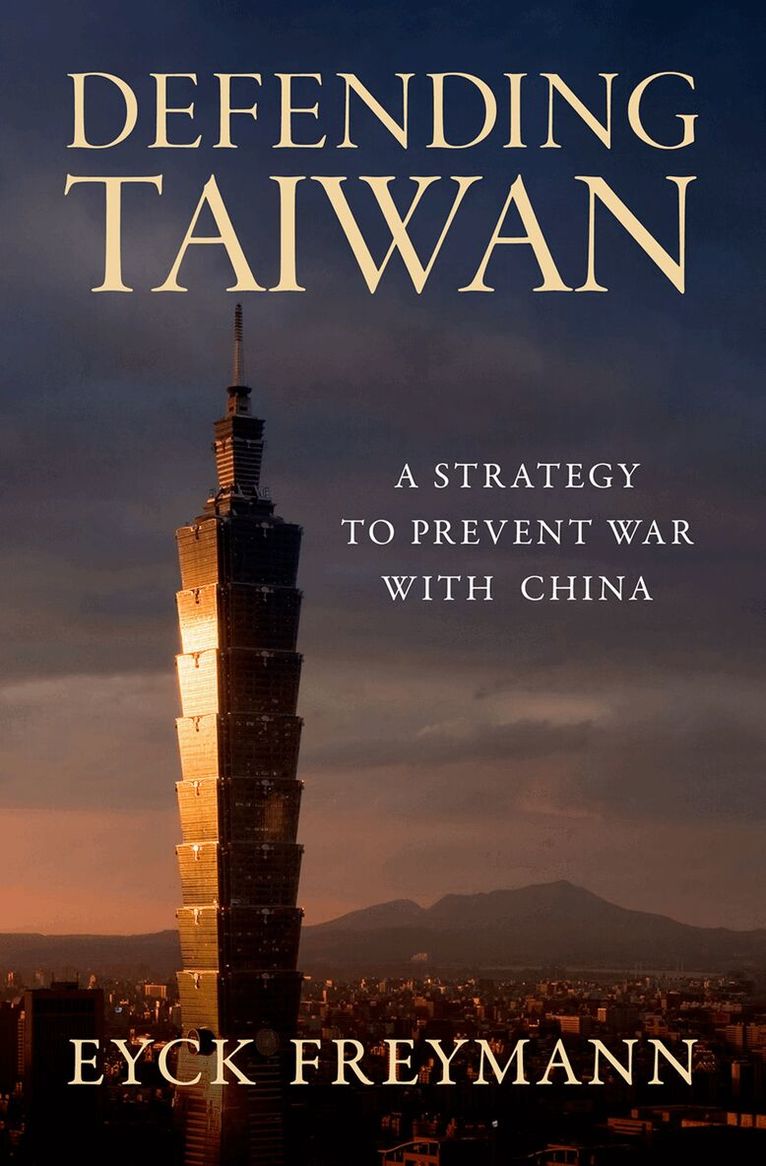
Sober, balanced, rigorously researched, and eminently readable, Defending Taiwan is a definitive guide to preventing World War III. Taiwan is where the uneasy peace between the United States and China will be tested--and possibly broken. Beijing believes that "reunification" is inevitable. American military strength has preserved peace and stability for decades, but its advantages are eroding. Beijing has found critical gaps in U.S. strategy and is working to squeeze, isolate, and coerce Taiwan into submission without firing a shot. If deterrence fails, the consequences of a Taiwan crisis would be catastrophic--plunging the global economy into chaos, shattering U.S. alliances, and allowing China to dominate the region and reshape the world order.In Defending Taiwan, Eyck Freymann presents the first integrated strategy to deter war with China and preserve an honorable peace. Drawing on untranslated Chinese sources, cutting-edge military and economic analysis, and deep historical research, Freymann argues that Washington's deterrence strategy must extend beyond conventional military power and familiar threats of mutually assured destruction. America must work with allies to develop a bold new vision of technological and economic statecraft--and a plan to secure its interests if deterrence fails. Freymann examines China's full range of strategic options. The United States can deter them all. But to do so, it must integrate its military strength, economic leverage, technological leadership, and diplomatic influence into a single, coherent plan to prevent war.This is not just a book about Taiwan. It is a grand strategy to ensure lasting stability in the U.S.-China relationship. Defending Taiwan is the definitive guide to the world's most dangerous geopolitical challenge.
482 kr
Skickas inom 7-10 vardagar
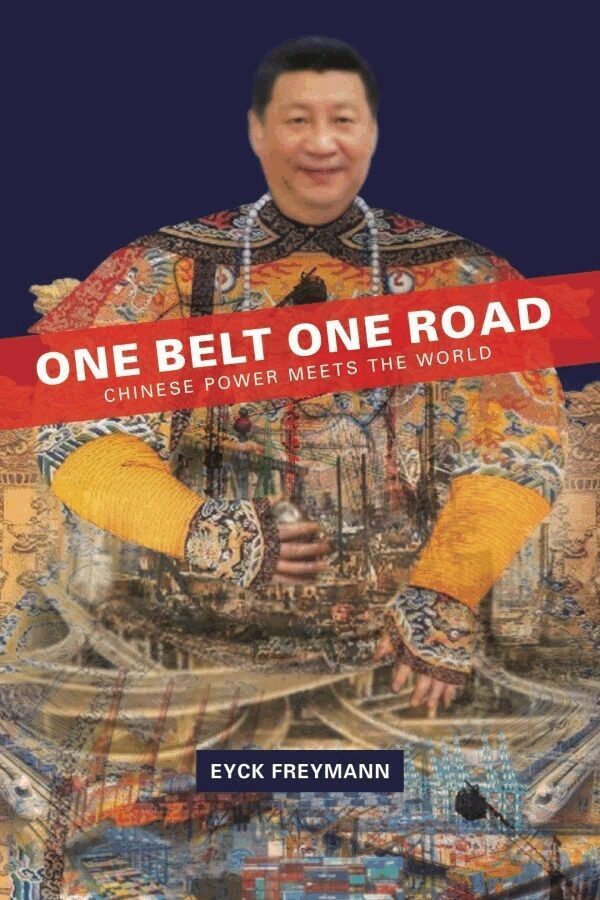
In 2013, Chinese leader Xi Jinping announced a campaign for national rejuvenation. The One Belt One Road initiative, or OBOR, has become the largest infrastructure program in history. Nearly every Chinese province, city, major business, bank, and university have been mobilized to serve it, spending hundreds of billions of dollars overseas building ports and railroads, laying fiber cables, and launching satellites. Using a trove of Chinese sources, author Eyck Freymann argues these infrastructure projects are a sideshow. OBOR is primarily a campaign to restore an ancient model in which foreign emissaries paid tribute to the Chinese emperor, offering gifts in exchange for political patronage. Xi sees himself as a sort of modern-day emperor, determined to restore China’s past greatness. Many experts assume that Xi’s nakedly neo-imperial scheme couldn’t possibly work. Freymann shows how wrong they are. China isn’t preying on victims, Freymann argues. It’s attracting willing partners—including Western allies—from Latin America to Southeast Asia to the Persian Gulf. Even in countries where OBOR megaprojects fail, Freymann finds that political leaders still want closer ties with China. Freymann tells the monumental story of Xi’s project on the global stage. Drawing on primary documents in five languages, interviews with senior officials, and on-the-ground case studies from Malaysia to Greece, Russia to Iran, Freymann pulls back the veil of propaganda about OBOR, giving readers a page-turning world tour of the burgeoning Chinese empire, a guide for understanding China’s motives and tactics, and clear recommendations for how the West can compete.
Del 439 - Harvard East Asian Monographs
One Belt One Road
Chinese Power Meets the World
Häftad, Engelska, 2020
229 kr
Skickas inom 7-10 vardagar
In 2013, Chinese leader Xi Jinping announced a campaign for national rejuvenation. The One Belt One Road initiative, or OBOR, has become the largest infrastructure program in history. Nearly every Chinese province, city, major business, bank, and university have been mobilized to serve it, spending hundreds of billions of dollars overseas building ports and railroads, laying fiber cables, and launching satellites. Using a trove of Chinese sources, author Eyck Freymann argues these infrastructure projects are a sideshow. OBOR is primarily a campaign to restore an ancient model in which foreign emissaries paid tribute to the Chinese emperor, offering gifts in exchange for political patronage. Xi sees himself as a sort of modern-day emperor, determined to restore China’s past greatness.Many experts assume that Xi’s nakedly neo-imperial scheme couldn’t possibly work. Freymann shows how wrong they are. China isn’t preying on victims, Freymann argues. It’s attracting willing partners—including Western allies—from Latin America to Southeast Asia to the Persian Gulf. Even in countries where OBOR megaprojects fail, Freymann finds that political leaders still want closer ties with China.Freymann tells the monumental story of Xi’s project on the global stage. Drawing on primary documents in five languages, interviews with senior officials, and on-the-ground case studies from Malaysia to Greece, Russia to Iran, Freymann pulls back the veil of propaganda about OBOR, giving readers a page-turning world tour of the burgeoning Chinese empire, a guide for understanding China’s motives and tactics, and clear recommendations for how the West can compete.