Fabrizio Amerini – författare
Visar alla böcker från författaren Fabrizio Amerini. Handla med fri frakt och snabb leverans.
7 produkter
Aquinas on the Beginning and End of Human Life
Inbunden, 2013
420 kr
Lägg i varukorg
In contemporary discussions of abortion, both sides argue well-worn positions, particularly concerning the question, When does human life begin? Though often invoked by the Catholic Church for support, Thomas Aquinas in fact held that human life begins after conception, not at the moment of union. …
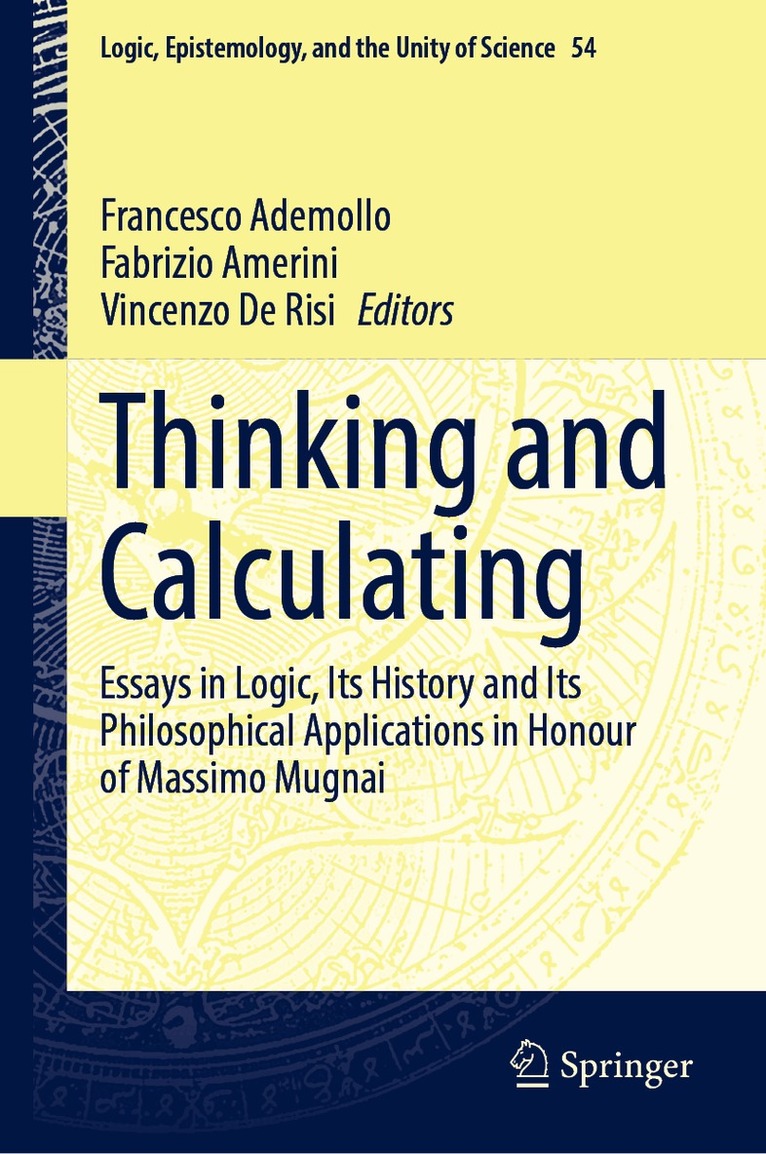
Thinking and Calculating
Essays in Logic, Its History and Its Philosophical Applications in Honour of Massimo Mugnai
Av Francesco Ademollo, Fabrizio Amerini m. fl.
Inbunden, 2022
1748 kr
Lägg i varukorg
This volume collects 22 essays on the history of logic written by outstanding specialists in the field. The book was originally prompted by the 2018-2019 celebrations in honor of Massimo Mugnai, a world-renowned historian of logic, whose contributions on Medieval and Modern logic, and to the …
Thinking and Calculating
Essays in Logic, Its History and Its Philosophical Applications in Honour of Massimo Mugnai
Av Vincenzo De Risi, Fabrizio Amerini m. fl.
E-bok, 2022
2224 kr
Lägg i varukorg
This volume collects 22 essays on the history of logic written by outstanding specialists in the field. The book was originally prompted by the 2018-2019 celebrations in honor of Massimo Mugnai, a world-renowned historian of logic, whose contributions on Medieval and Modern logic, and to the …
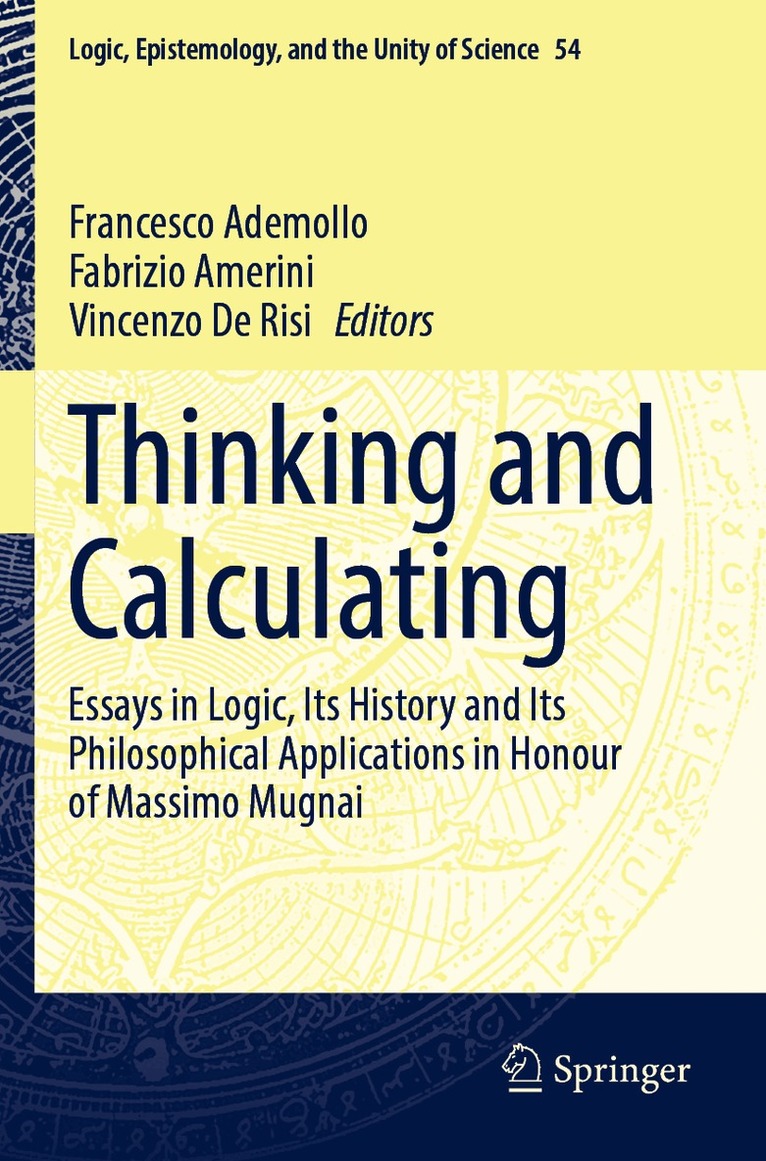
Thinking and Calculating
Essays in Logic, Its History and Its Philosophical Applications in Honour of Massimo Mugnai
Av Francesco Ademollo, Fabrizio Amerini m. fl.
Häftad, 2023
1748 kr
Lägg i varukorg
This volume collects 22 essays on the history of logic written by outstanding specialists in the field. The book was originally prompted by the 2018-2019 celebrations in honor of Massimo Mugnai, a world-renowned historian of logic, whose contributions on Medieval and Modern logic, and to the …
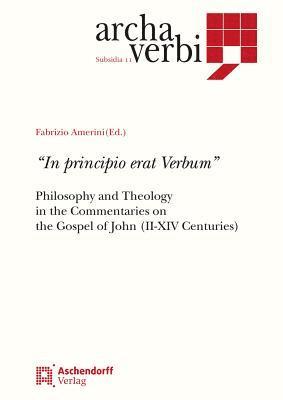
"In principio erat Verbum"
Philosophy and Theology in the Commentaries on the Gospel of John (II–XIV Centuries)
Inbunden, 2014
682 kr
Lägg i varukorg
The contributors to this book have been invited to choose some important exponents within the tradition of the Commentaries on the Gospel of John and to look at them from a philosophical perspective, bringing to light the philosophical topics that occur in the Prologue or in other places of the …
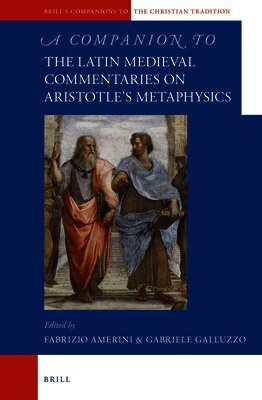
Companion to the Latin Medieval Commentaries on Aristotle’s Metaphysics
Av Gabriele Galluzzo, Fabrizio Amerini
Inbunden, 2013
4277 kr
Lägg i varukorg
Few philosophical books have been so influential in the development of Western thought as Aristotle’s Metaphysics. For centuries Aristotle’s most celebrated work has been regarded as a source of inspiration as well as the starting point for every investigation into the structure of reality. Not …
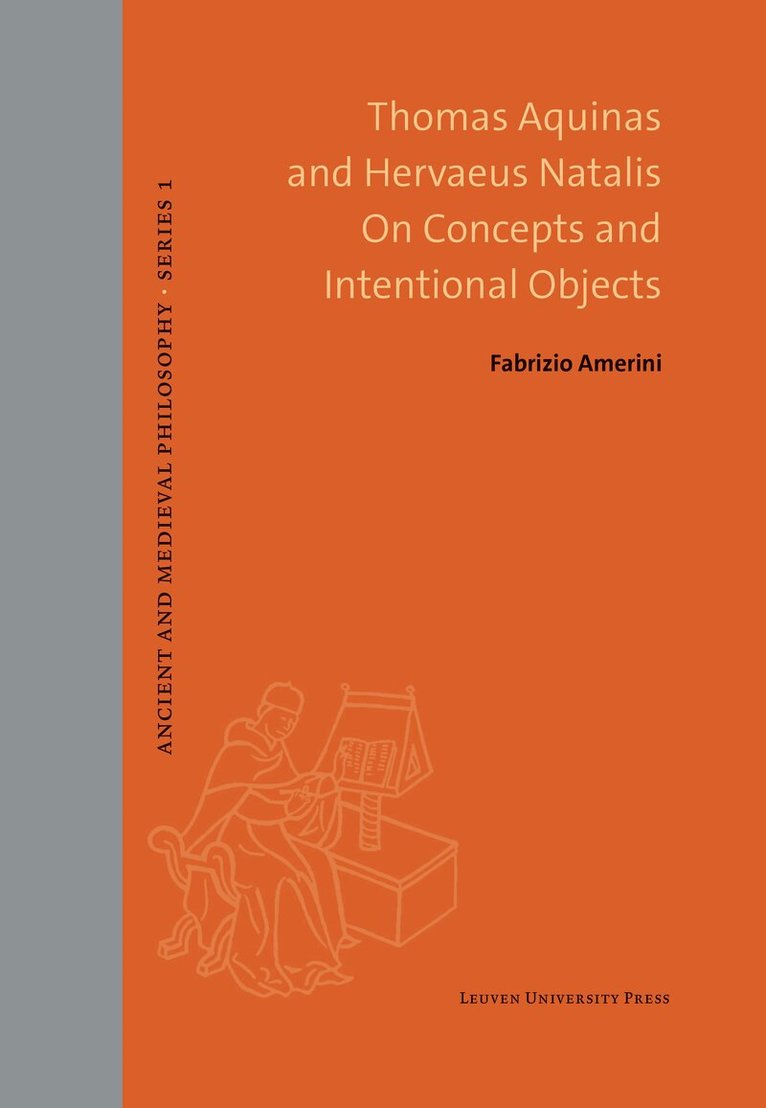
Thomas Aquinas and Hervaeus Natalis On Concepts and Intentional Objects
Inbunden, 2026
649 kr
Lägg i varukorg
Analysis of two key medieval reflections at the intersection of our mental representations and external realityThought, in a sense, transforms the world. When we think of a particular thing - Charlie the dog, for example - we always think of it in a universal way: as a dog. Through this act of …