Faisal Devji – författare
Visar alla böcker från författaren Faisal Devji. Handla med fri frakt och snabb leverans.
12 produkter
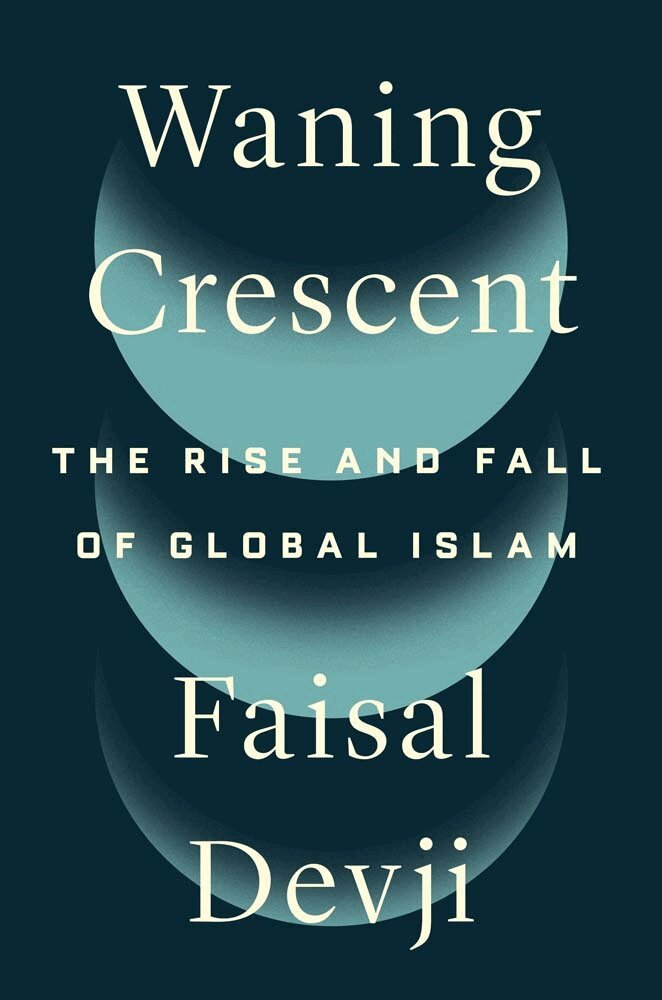
Waning Crescent
The Rise and Fall of Global Islam
Av Faisal Devji
Inbunden, 2025
303 kr
Lägg i varukorg
A compelling examination of the rise of Islam as a global historical actor Until the nineteenth century, Islam was variously understood as a set of beliefs and practices. But after Muslims began to see their faith as an historical actor on the world stage, they needed to narrate Islam’s birth anew …
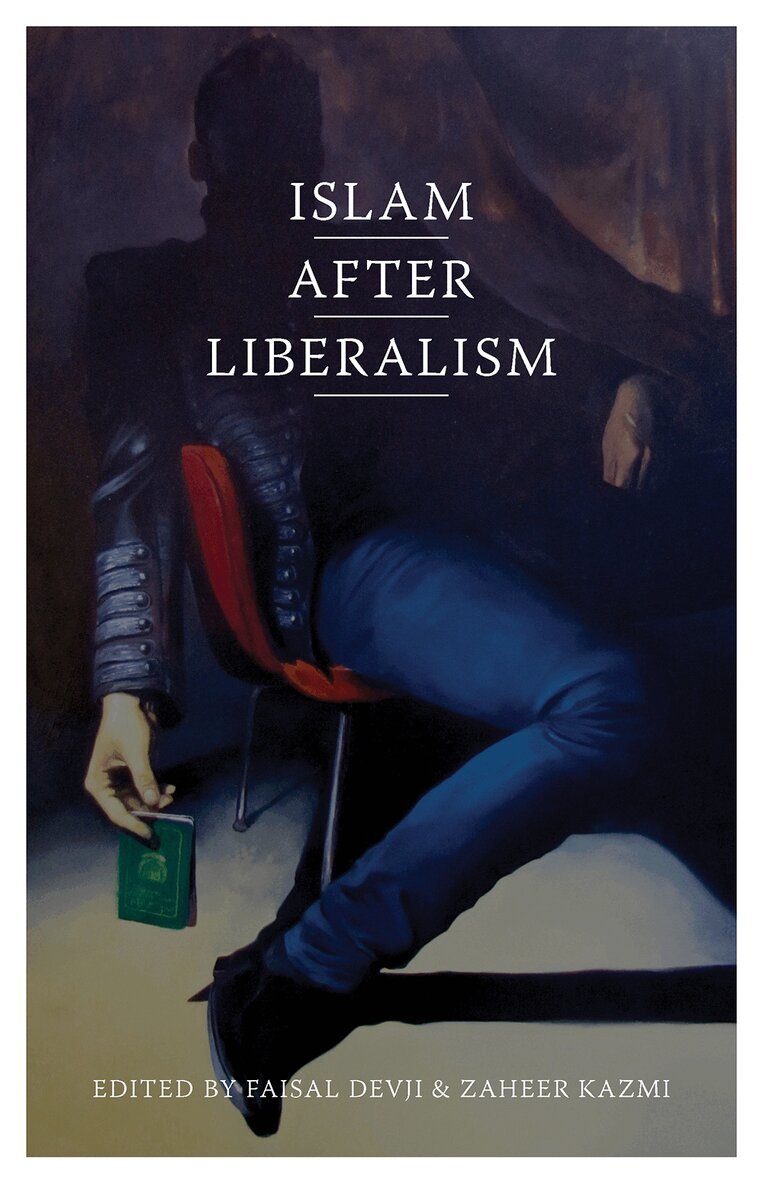
Islam after Liberalism
E-bok, 2017
218 kr
Lägg i varukorg
Forged in the age of empire, the relationship between Islam and liberalism has taken on a sense of urgency today, when global conflicts are seen as pitting one against the other. More than describing a civilizational fault-line between the Muslim world and the West, however, this relationship also …
Islam after Liberalism
E-bok, 2017
213 kr
Lägg i varukorg
Forged in the age of empire, the relationship between Islam and liberalism has taken on a sense of urgency today, when global conflicts are seen as pitting one against the other. More than describing a civilizational fault-line between the Muslim world and the West, however, this relationship also …
Terrorist in Search of Humanity: Militant Islam and Global Politics
Av Faisal Devji
Inbunden, 2009
503 kr
Lägg i varukorg
Impossible Indian: Gandhi and the Temptation of Violence
Av Faisal Devji
Inbunden, 2012
564 kr
Lägg i varukorg
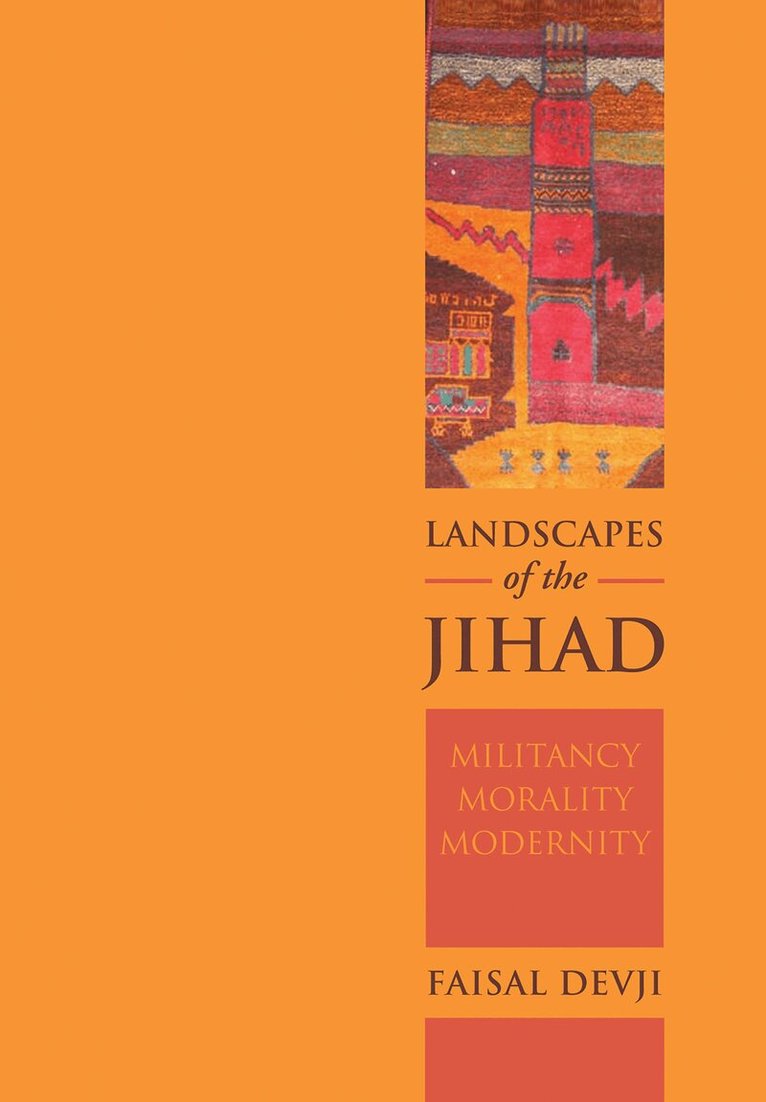
Landscapes of the Jihad
Militancy, Morality, Modernity
Av Faisal Devji
Inbunden, 2005
616 kr
Lägg i varukorg
What are the motives behind Osama bin Laden's and Al-Qaeda's jihad against America and the West? Innumerable attempts have been made in recent years to explain that mysterious worldview. In Landscapes of the Jihad, Faisal Devji focuses on the ethical content of this jihad as opposed to its …
Political Thought in Action
The Bhagavad Gita and Modern India
Av Faisal Devji, Shruti Kapila
E-bok
821 kr
Lägg i varukorg
The Bhagavad Gita''s philosophical and political significance remains forever contemporary. In this volume a group of leading historians reflect on the significance of the Bhagavad Gita for political and ethical thinking in modern India and beyond. These essays contribute new perspectives to …
Terrorist in Search of Humanity
Militant Islam and Global Politics
Av Faisal Devji
Häftad, 2019
219 kr
Lägg i varukorg
Faisal Devji argues that new forms of militancy, such as the actions of al-Qaeda, are informed by the same desire for agency and equality that animates other humanitarian interventions, such as environmentalism and pacifism. To the militant, victimized Muslims are more than just symbols of ethnic …
Landscapes of the Jihad
Militancy, Morality, Modernity
Av Faisal Devji
Häftad, 2017
219 kr
Lägg i varukorg
The militant Islam represented by Al-Qaeda is often described as a global movement. Apart from the geographical range of its operations and support, little else is held to define it as 'global'.Landscapes of the Jihad explores the features that Al-Qaeda and other strands of militant Islam share in …
Transit 39. Europäische Revue
Den Säkularismus neu denken
Av Faisal Devji, Jose Casanova m. fl.
E-bok, 2010
121 kr
Lägg i varukorg
Es ist noch nicht so lange her, dass die Säkularisierung als unvermeidliche Begleiterscheinung der Modernisierung galt. Säkularisierung wurde als Fortschritt wahrgenommen, der die Religion nach und nach durch rationale Vernunft ersetzt. Nun scheint es an der Zeit, den Säkularismus neu zu denken. …
Islam After Liberalism
Häftad, 2017
326 kr
Tillfälligt slut
Leading scholars discuss how 'Islam' and 'liberalism' have been entwined historically and politically and how Muslims have thought about this longstanding relationship. Forged in the age of empire, the relationship between Islam and liberalism has taken on a sense of urgency today, when global …