Zaheer Kazmi – författare
Visar alla böcker från författaren Zaheer Kazmi. Handla med fri frakt och snabb leverans.
4 produkter
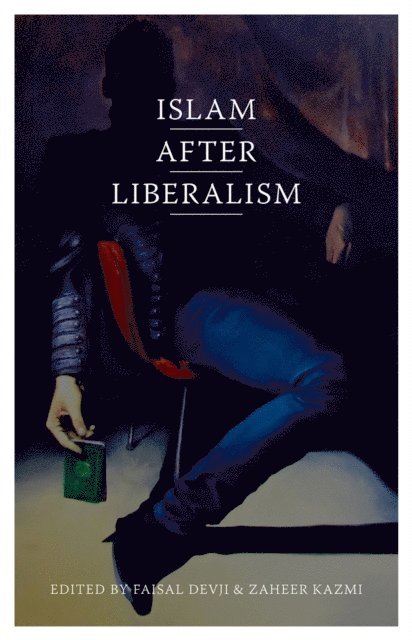
Islam after Liberalism
E-bok, 2017
218 kr
Lägg i varukorg
Forged in the age of empire, the relationship between Islam and liberalism has taken on a sense of urgency today, when global conflicts are seen as pitting one against the other. More than describing a civilizational fault-line between the Muslim world and the West, however, this relationship also …
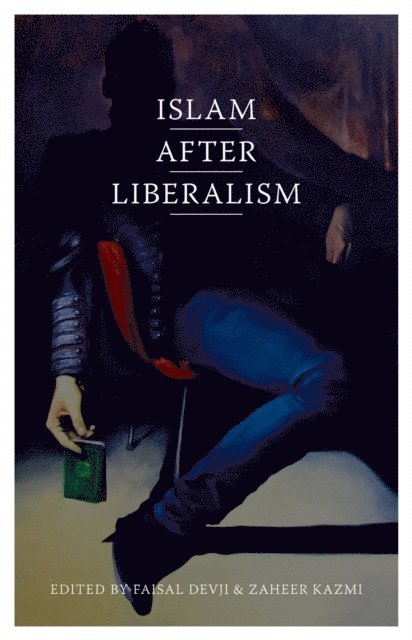
Islam after Liberalism
E-bok, 2017
213 kr
Lägg i varukorg
Forged in the age of empire, the relationship between Islam and liberalism has taken on a sense of urgency today, when global conflicts are seen as pitting one against the other. More than describing a civilizational fault-line between the Muslim world and the West, however, this relationship also …
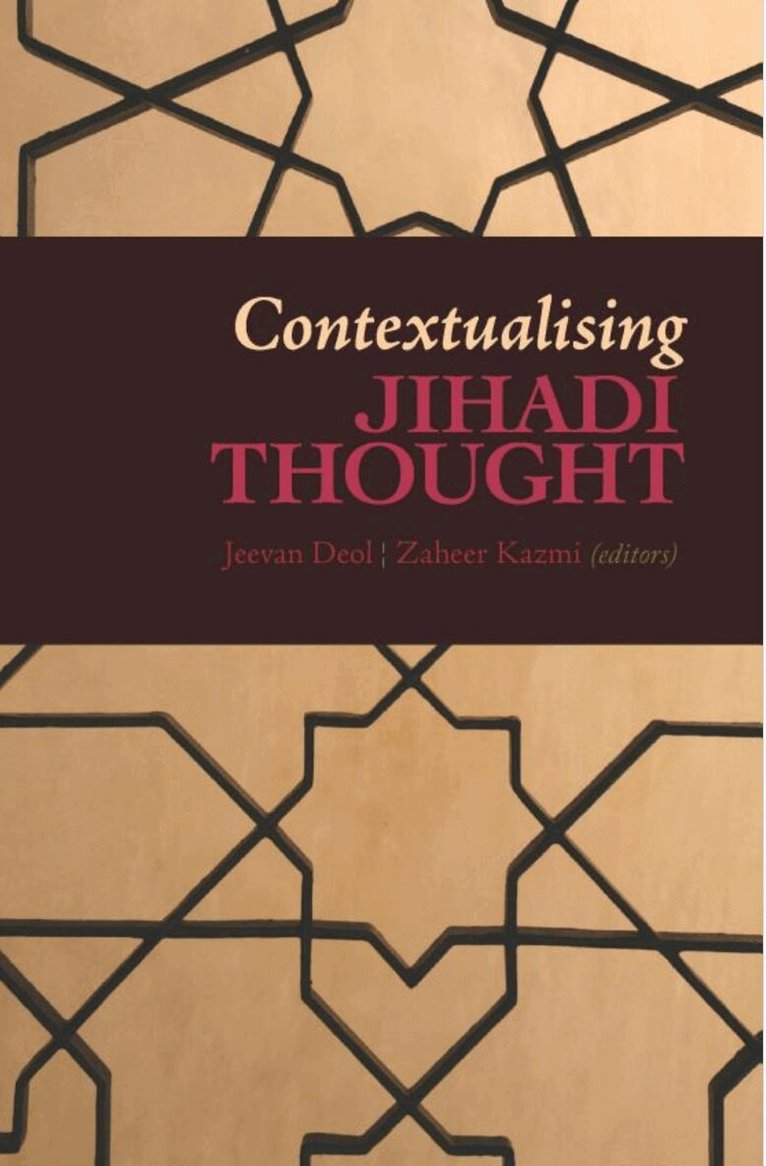
Contextualising Jihadi Thought
Häftad, 2012
457 kr
Lägg i varukorg
Global jihadism has been on policy agendas for more than two decades. Since the 9/11 attacks, both transnational jihadi entities such as Al-Qaeda and national or regional militant groups have attracted a great deal of media and scholarly attention. In recent years, policy agendas have increasingly …
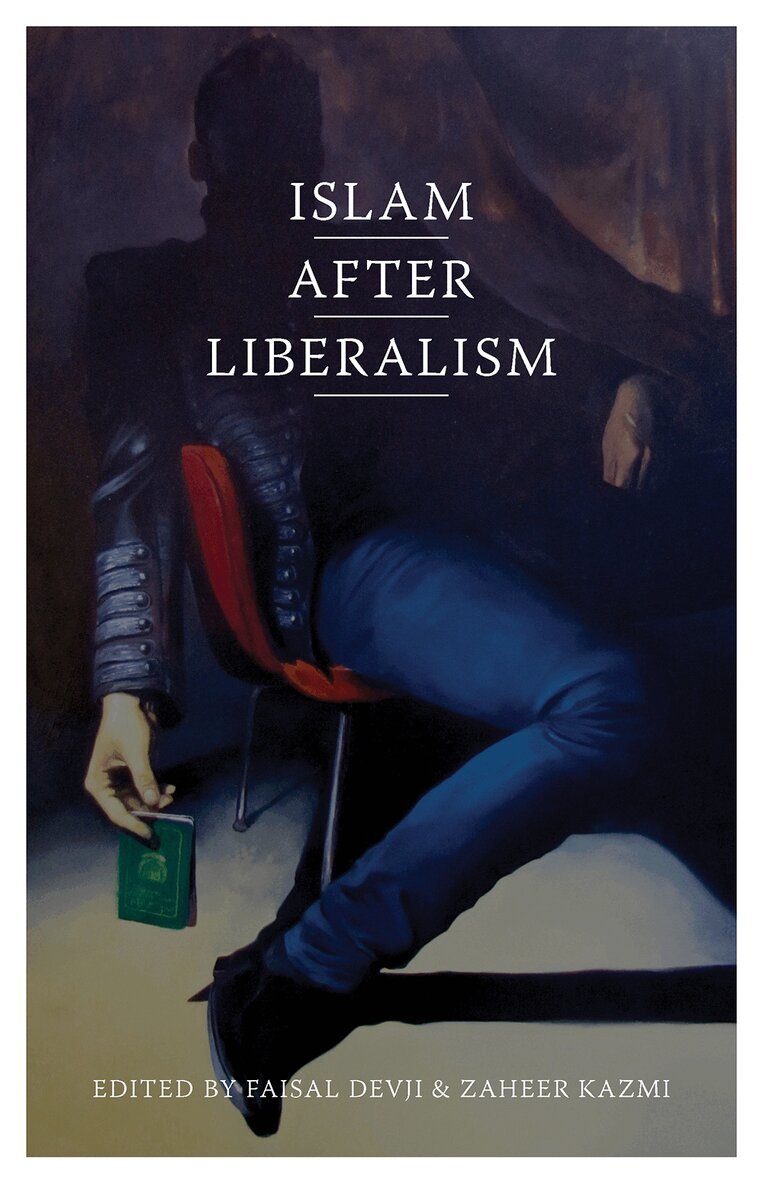
Islam After Liberalism
Häftad, 2017
326 kr
Tillfälligt slut
Leading scholars discuss how 'Islam' and 'liberalism' have been entwined historically and politically and how Muslims have thought about this longstanding relationship. Forged in the age of empire, the relationship between Islam and liberalism has taken on a sense of urgency today, when global …