Fereydun Vahman – författare
Visar alla böcker från författaren Fereydun Vahman. Handla med fri frakt och snabb leverans.
8 produkter
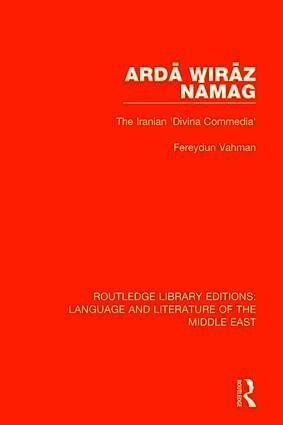
Ardā Wirāz Nāmag
The Iranian 'Divina Commedia'
Inbunden, 2016
2896 kr
Lägg i varukorg
Ardā Wirāz Nāmag or the Book of the Righteous Wirāz is an outstanding example of Iranian apocalyptic literature. It is in the Middle Persian (Pahlavi) language and was written probably during the later period of the Sasanian dynasty (AD 226-650). The Zoroastrian priests chose a man called Wirāz, …
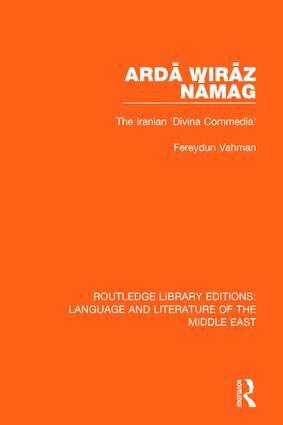
Ardā Wirāz Nāmag
The Iranian 'Divina Commedia'
Häftad, 2018
713 kr
Lägg i varukorg
Ardā Wirāz Nāmag or the Book of the Righteous Wirāz is an outstanding example of Iranian apocalyptic literature. It is in the Middle Persian (Pahlavi) language and was written probably during the later period of the Sasanian dynasty (AD 226-650). The Zoroastrian priests chose a man called Wirāz, …
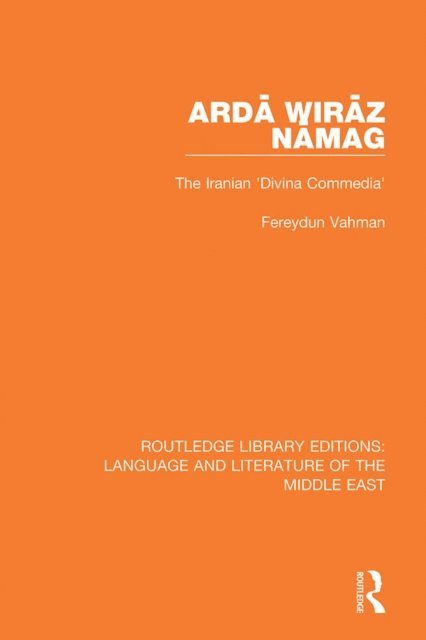
Arda Wiraz Namag
The Iranian ''Divina Commedia''
E-bok, 2016
837 kr
Lägg i varukorg
Ardā Wirāz Nāmag or the Book of the Righteous Wirāz is an outstanding example of Iranian apocalyptic literature. It is in the Middle Persian (Pahlavi) language and was written probably during the later period of the Sasanian dynasty (AD 226-650). The Zoroastrian priests chose a man called Wirāz, …
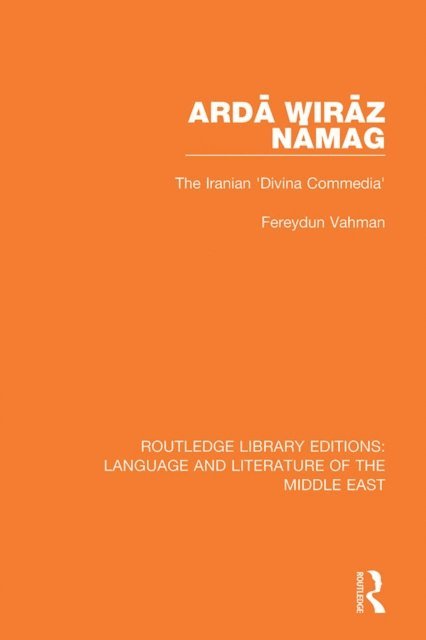
Arda Wiraz Namag
The Iranian ''Divina Commedia''
E-bok, 2016
837 kr
Lägg i varukorg
Ardā Wirāz Nāmag or the Book of the Righteous Wirāz is an outstanding example of Iranian apocalyptic literature. It is in the Middle Persian (Pahlavi) language and was written probably during the later period of the Sasanian dynasty (AD 226-650). The Zoroastrian priests chose a man called Wirāz, …
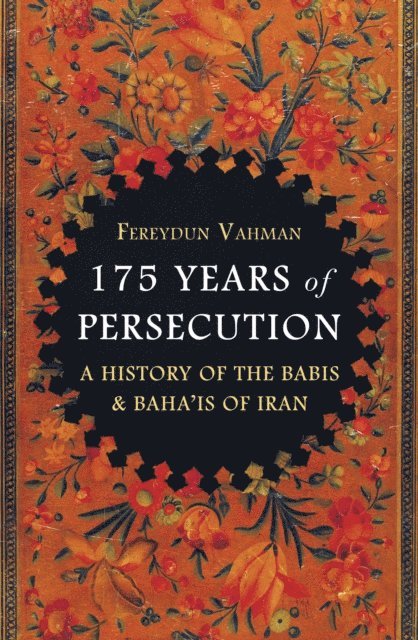
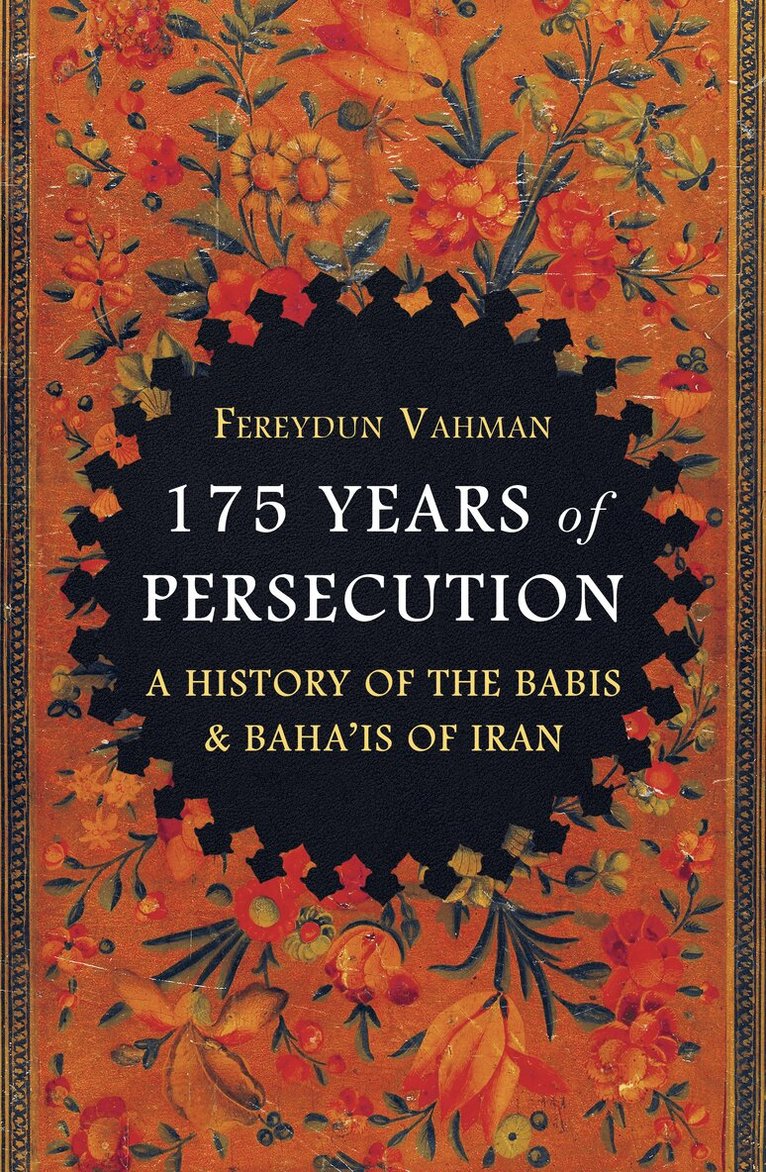
175 Years of Persecution
A History of the Babis & Baha''is of Iran
E-bok, 2019
169 kr
Lägg i varukorg
For almost two centuries, followers of the Baha''i faith, Iran''s largest religious minority, have been persecuted by the state. They have been made scapegoats for the nation''s ills, branded enemies of Islam and denounced as foreign agents. Since the Islamic Revolution of 1979 Baha''is have been …
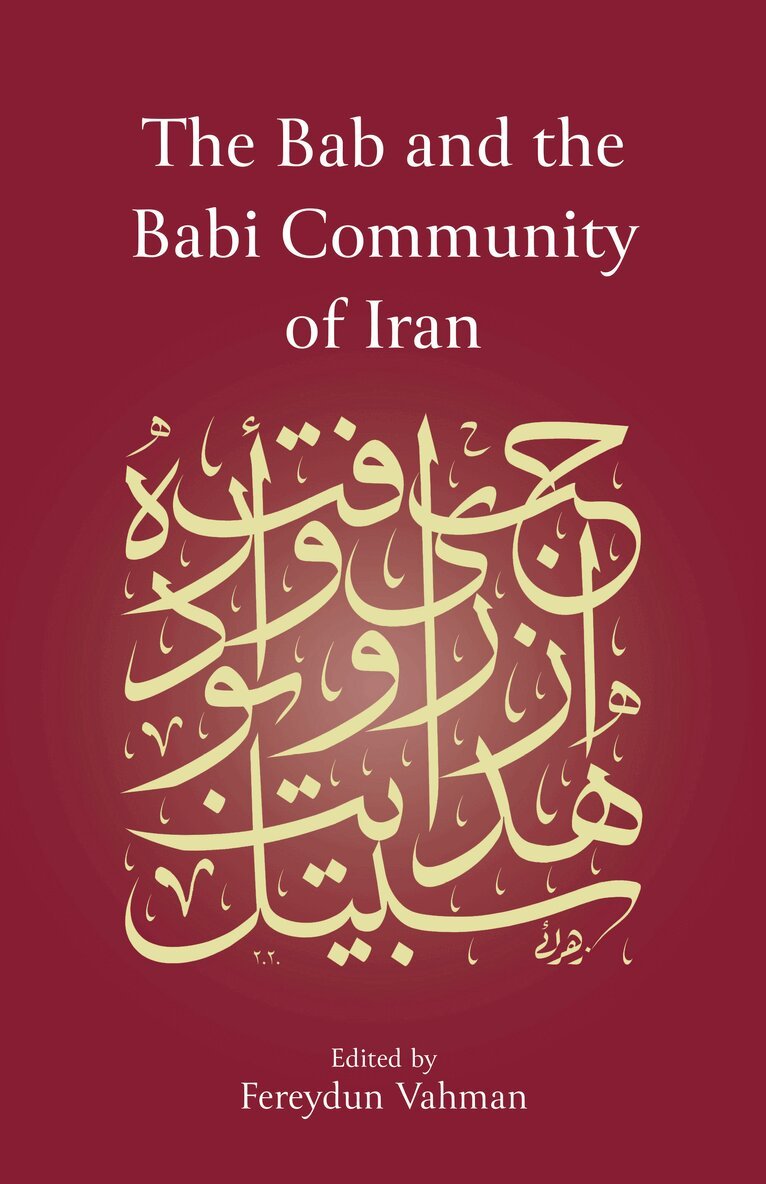
Bab and the Babi Community of Iran
Inbunden, 2020
377 kr
Lägg i varukorg
In 1844, a young merchant from Shiraz called Sayyid ‘Ali-Muhammad declared himself the ‘gate’ (the Bab) to the Truth and, shortly afterwards, the initiator of a new prophetic cycle. His messianic call attracted a significant following across Iran and Iraq.Regarded as a threat by state and religious …
Bab and the Babi Community of Iran
E-bok, 2020
426 kr
Lägg i varukorg
In 1844, a young merchant from Shiraz called Sayyid ‘Ali-Muhammad declared himself the ‘gate’ (the Bab) to the Truth and, shortly afterwards, the initiator of a new prophetic cycle. His messianic call attracted a significant following across Iran and Iraq. Regarded as a threat by state and …
175 Years of Persecution
A History of the Babis & Baha'is of Iran
Inbunden, 2019
214 kr
Tillfälligt slut
For almost two centuries, followers of the Baha'i faith, Iran's largest religious minority, have been persecuted by the state. They have been made scapegoats for the nation's ills, branded enemies of Islam and denounced as foreign agents. Since the Islamic Revolution of 1979 Baha'is have been …