Fernando Armstrong-Fumero - Böcker
Visar alla böcker från författaren Fernando Armstrong-Fumero. Handla med fri frakt och snabb leverans.
6 produkter
6 produkter
Roads to Prosperity and Ruin
Infrastructure and the Making of Neoliberal Yucatán
Inbunden, Engelska, 2025
1 057 kr
Skickas inom 10-15 vardagar
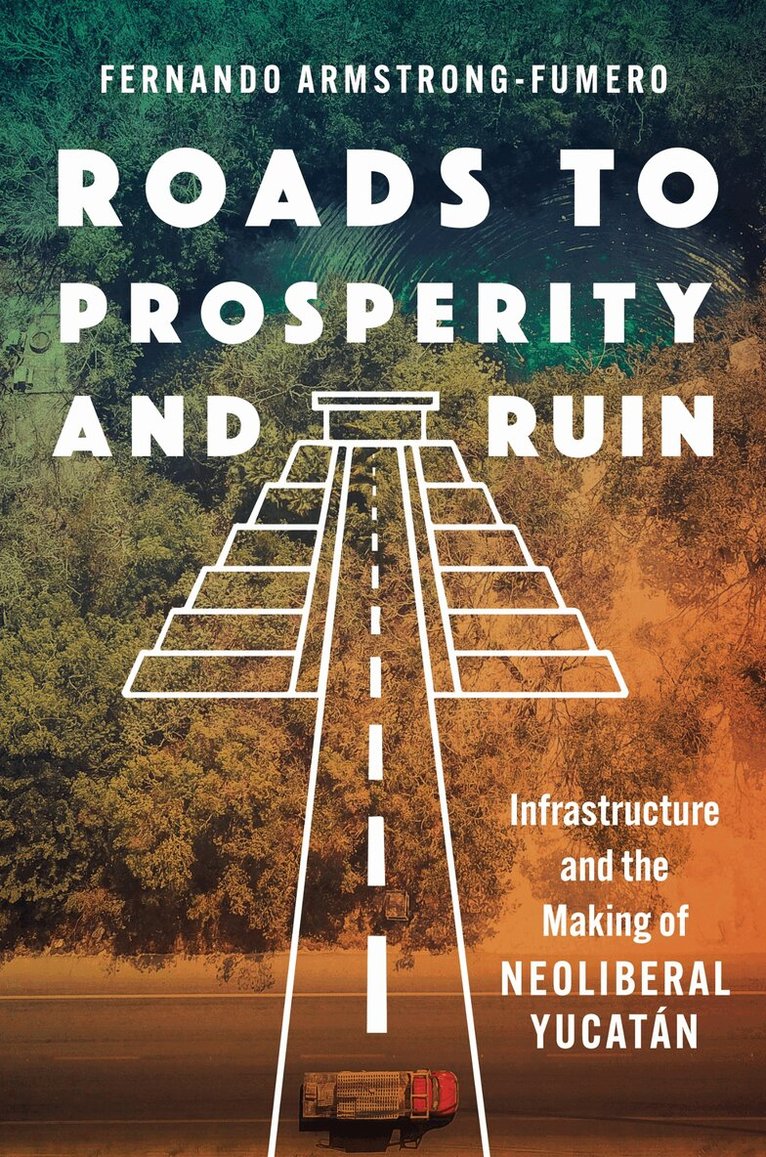
In 2022, journalists announced the impending economic death of a small Mexican town. Pisté, gateway to the famed Chichén Itzá archeological site, would be circumvented by the Tren Maya commuter rail megaproject, depriving it of the promise of steady tourist traffic. Instead of ruminating with frustration, locals set to work on negotiations with the state and federal governments. Generations of experience taught them that pragmatic engagement with mainstream political parties was essential in turning into opportunity projects with the potential to kill the local economy. Fernando Armstrong-Fumero situates the Tren Maya in a long history of roadbuilding and economic development on the Yucatán Peninsula beginning in the 1930s. Drawing together archival research and decades of ethnographic work, Armstrong-Fumero develops the concept of negative infrastructure to show how infrastructural and industrial investments configure rural economic futures as well as how communities seek to mitigate the harms from projects designed to benefit other regions or interests. The push and pull of development reveals the strategies residents use to influence political change through municipal elections and informal protest. Recognizing their life-changing potential, rural Maya Yucatecans recast infrastructural projects as new possibilities for inclusion, agency, and resistance as participants in formal state and economic structures.
Roads to Prosperity and Ruin
Infrastructure and the Making of Neoliberal Yucatán
Häftad, Engelska, 2025
312 kr
Skickas inom 10-15 vardagar
In 2022, journalists announced the impending economic death of a small Mexican town. Pisté, gateway to the famed Chichén Itzá archeological site, would be circumvented by the Tren Maya commuter rail megaproject, depriving it of the promise of steady tourist traffic. Instead of ruminating with frustration, locals set to work on negotiations with the state and federal governments. Generations of experience taught them that pragmatic engagement with mainstream political parties was essential in turning into opportunity projects with the potential to kill the local economy. Fernando Armstrong-Fumero situates the Tren Maya in a long history of roadbuilding and economic development on the Yucatán Peninsula beginning in the 1930s. Drawing together archival research and decades of ethnographic work, Armstrong-Fumero develops the concept of negative infrastructure to show how infrastructural and industrial investments configure rural economic futures as well as how communities seek to mitigate the harms from projects designed to benefit other regions or interests. The push and pull of development reveals the strategies residents use to influence political change through municipal elections and informal protest. Recognizing their life-changing potential, rural Maya Yucatecans recast infrastructural projects as new possibilities for inclusion, agency, and resistance as participants in formal state and economic structures.
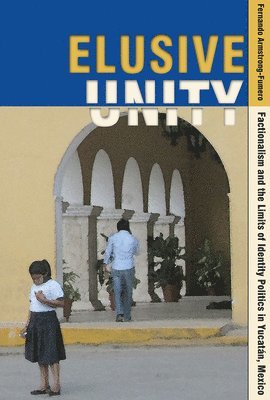
Elusive Unity
Factionalism and the Limits of Identity Politics in Yucatán, Mexico
Häftad, Engelska, 2014
293 kr
Skickas inom 5-8 vardagar
In Elusive Unity, Armstrong-Fumero examines early twentieth-century peasant politics and twenty-first-century indigenous politics in the rural Oriente region of Yucatán.The rural inhabitants of this region have had some of their most important dealings with their nation’s government as self-identified “peasants” and “Maya.” Using ethnography, oral history, and archival research, Armstrong-Fumero shows how the same body of narrative tropes has defined the local experience of twentieth-century agrarianism and twenty-first-century multiculturalism. Through these recycled narratives, contemporary multicultural politics have also inherited some ambiguities that were built into its agrarian predecessor. Specifically, local experiences of peasant and indigenous politics are shaped by tensions between the vernacular language of identity and the intense factionalism that often defines the social organization of rural communities. This significant contribution will be of interest to historians, anthropologists, and political scientists studying Latin America and the Maya.
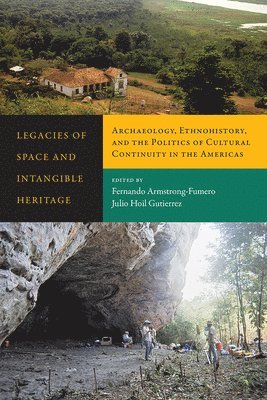
Legacies of Space and Intangible Heritage
Archaeology, Ethnohistory, and the Politics of Cultural Continuity in the Americas
Häftad, Engelska, 2017
477 kr
Skickas inom 5-8 vardagar
Legacies of Space and Intangible Heritage is an interdisciplinary exploration of the intersections between the study and management of physical sites and the reproduction of intangible cultural legacies. The volume provides nine case studies that explore different ways in which place is mediated by social, political, and ecological processes that have deep historical roots and that continue to affect the politics of heritage management.Spaces of human habitation are both historical records of the past and key elements in reproducing the knowledge and values that define lives in the present. Practices, knowledge, and skills that communities recognize as part of their culture—and that a range of legal statutes define as protected intangible heritages—are threatened by increased migration, the displacement of indigenous peoples, and limits on access to culturally or historically significant sites. This volume addresses how different physical environments contribute to the reproduction of cultural forms even in the wake of these processes of displacement and change. Case studies from North and South America reveal a pattern of abandonment and reestablishment of settlements and show how collective memory drives people back to culturally meaningful sites.This tendency for communities to return to the sites that shaped their collective histories, along with the growing importance granted to intangible heritage, challenges archaeologists and other heritage workers to find new ways of incorporating the cultural legacies that link societies to place into the work of research and stewardship. By examining the politics of cultural continuity through the lenses of archaeology and ethnohistory, Legacies of Space and Intangible Heritage demonstrates this complex relationship between a people’s heritage and the landscape that affects the making of "place."Contributors: Rani Alexander, Hannah Becker, Minette Church, Bonnie Clark, Chip Colwell, Winifred Creamer, Emiliana Cruz, T. J. Ferguson, Julio Hoil Gutierrez, Jonathan Haas, Saul Hedquist, Maren Hopkins, Stuart B. Koyiyumptewa, Christine Kray, Henry Marcelo Castillo, Anna Roosevelt, Jason Yaeger, Keiko Yoneda
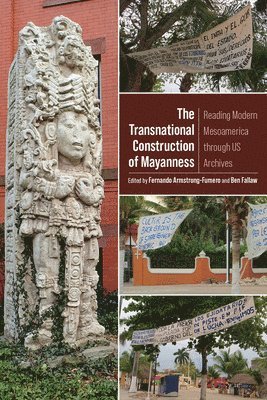
Transnational Construction of Mayanness
Reading Modern Mesoamerica through US Archives
Inbunden, Engelska, 2023
1 174 kr
Skickas inom 11-20 vardagar
The Transnational Construction of Mayanness explores how US academics, travelers, officials, and capitalists contributed to the construction of the Maya as an area of academic knowledge and affected the lives of the Maya peoples who were the subject of generations of anthropological research from the mid-nineteenth century to the present. Expanding discussions of the neocolonial relationship between the US and its southern neighbors and emphasizing little-studied texts virtually inaccessible to those in Mexico and Central America, this is the first and only set of comparative studies to bring in US-based documentary collections as an enriching source of evidence. Contributors tap documentary, ethnographic, and ethnoarchaeological sources from North America to expand established categories of fieldwork and archival research conducted within the national spaces of Mexico and Central America. A particularly rich and diverse set of case studies interrogate the historical processes that remove sources from their place of production in the “field” to the US, challenge the conventional wisdom regarding the geography of data sources that are available for research, and reveal a range of historical relationships that enabled US actors to shape the historical experience of Maya-speaking peoples. The Transnational Construction of Mayanness offers rich insight into transnational relations and suggests new avenues of research that incorporate an expanded corpus of materials that embody the deep-seated relationship between Maya-speaking peoples and various gringo interlocutors. The work is an important bridge between Mayanist anthropology and historiography and broader literatures in American, Atlantic, and Indigenous studies. Contributors: David Carey, M. Bianet Castellanos, Matilde Córdoba Azcárate, Lydia Crafts, John Gust, Julio Cesar Hoil Gutierréz, Jennifer Mathews, Matthew Watson
Transnational Construction of Mayanness
Reading Modern Mesoamerica through US Archives
Häftad, Engelska, 2023
429 kr
Skickas inom 5-8 vardagar
The Transnational Construction of Mayanness explores how US academics, travelers, officials, and capitalists contributed to the construction of the Maya as an area of academic knowledge and affected the lives of the Maya peoples who were the subject of generations of anthropological research from the mid-nineteenth century to the present. Expanding discussions of the neocolonial relationship between the US and its southern neighbors and emphasizing little-studied texts virtually inaccessible to those in Mexico and Central America, this is the first and only set of comparative studies to bring in US-based documentary collections as an enriching source of evidence. Contributors tap documentary, ethnographic, and ethnoarchaeological sources from North America to expand established categories of fieldwork and archival research conducted within the national spaces of Mexico and Central America. A particularly rich and diverse set of case studies interrogate the historical processes that remove sources from their place of production in the “field” to the US, challenge the conventional wisdom regarding the geography of data sources that are available for research, and reveal a range of historical relationships that enabled US actors to shape the historical experience of Maya-speaking peoples. The Transnational Construction of Mayanness offers rich insight into transnational relations and suggests new avenues of research that incorporate an expanded corpus of materials that embody the deep-seated relationship between Maya-speaking peoples and various gringo interlocutors. The work is an important bridge between Mayanist anthropology and historiography and broader literatures in American, Atlantic, and Indigenous studies. Contributors: David Carey, M. Bianet Castellanos, Matilde Córdoba Azcárate, Lydia Crafts, John Gust, Julio Cesar Hoil Gutierréz, Jennifer Mathews, Matthew Watson