Ben Fallaw – författare
Visar alla böcker från författaren Ben Fallaw. Handla med fri frakt och snabb leverans.
14 produkter
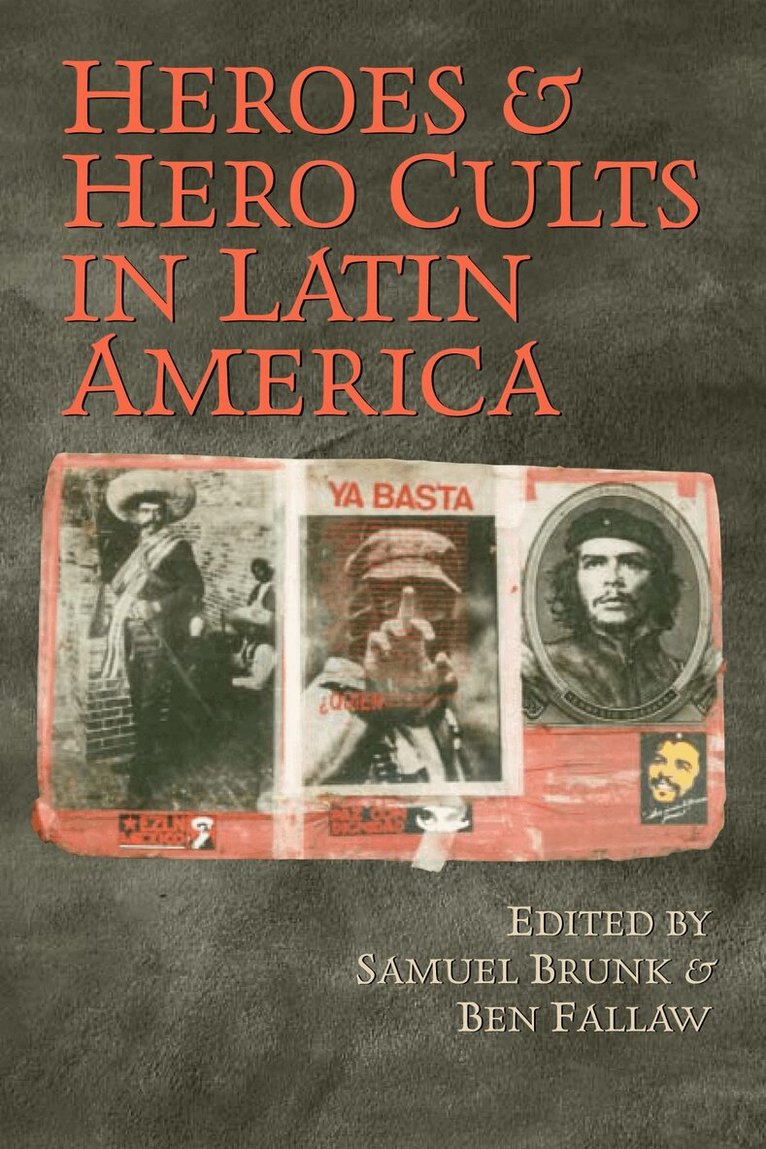
Heroes and Hero Cults in Latin America
Häftad, 2006
382 kr
Lägg i varukorg
Latin American history traditionally has been defined by larger-than-life heroes such as SÍmon BolÍvar, Emiliano Zapata, and Evita PerÓn. Recent scholarship, however, tends to emphasize social and cultural factors rather than great leaders. In this new collection, Samuel Brunk and Ben Fallaw bring …
State Formation in the Liberal Era
Capitalisms and Claims of Citizenship in Mexico and Peru
Inbunden, 2020
728 kr
Lägg i varukorg
State Formation in the Liberal Era offers a nuanced exploration of the uneven nature of nation making and economic development in Peru and Mexico. Zeroing in on the period from 1850 to 1950, the book compares and contrasts the radically different paths of development pursued by these two …
State Formation in the Liberal Era
Capitalisms and Claims of Citizenship in Mexico and Peru
Häftad, 2026
425 kr
Lägg i varukorg
State Formation in the Liberal Era offers a nuanced exploration of the uneven nature of nation making and economic development in Peru and Mexico. Zeroing in on the period from 1850 to 1950, the book compares and contrasts the radically different paths of development pursued by these two countries. …
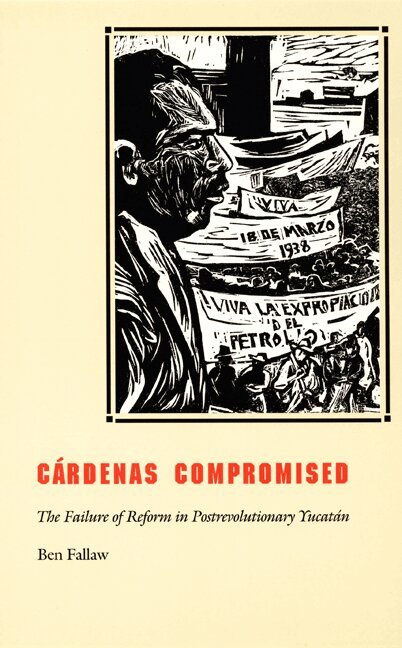
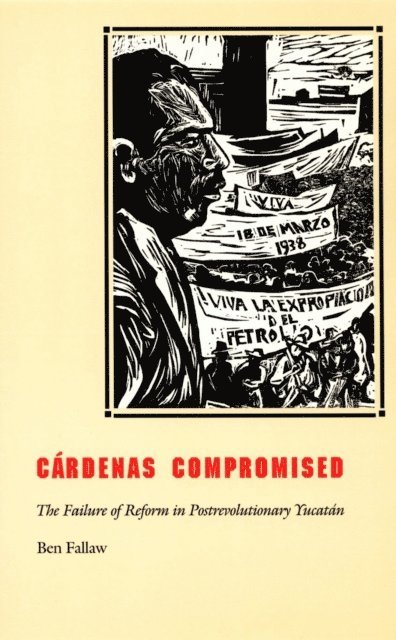
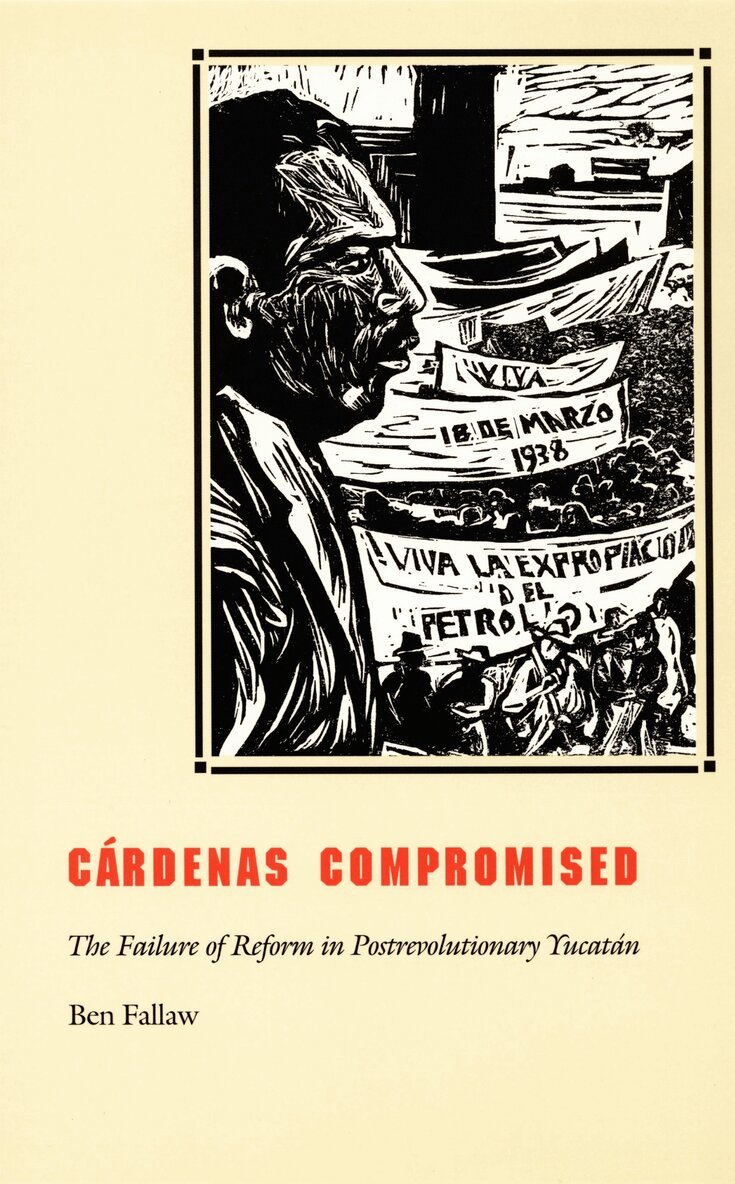
Cárdenas Compromised
The Failure of Reform in Postrevolutionary Yucatán
Av Ben Fallaw
Häftad, 2001
353 kr
Lägg i varukorg
CÁrdenas Compromised is a political and institutional history of Mexico’s urban and rural labor in the YucatÁn region during the regime of LÁzaro CÁrdenas from 1934 to 1940. Drawing on archival materials, both official and popular, Fallaw combines narrative, individual case studies, and focused …
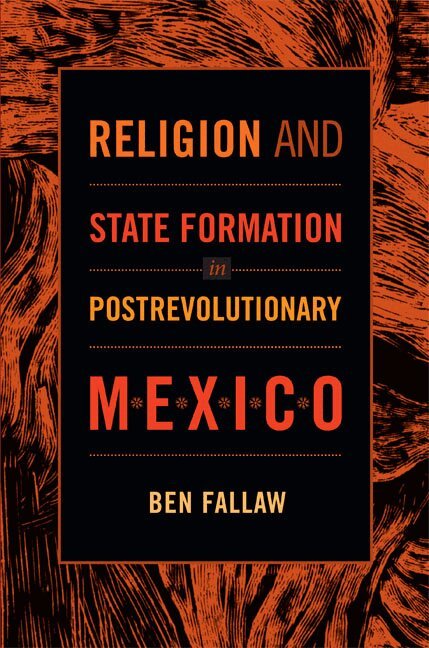
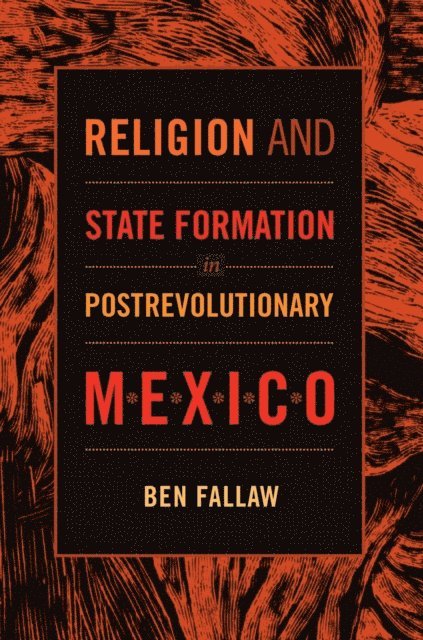
Religion and State Formation in Postrevolutionary Mexico
Av Ben Fallaw
Häftad, 2013
441 kr
Lägg i varukorg
The religion question-the place of the Church in a Catholic country after an anticlerical revolution-profoundly shaped the process of state formation in Mexico. From the end of the Cristero War in 1929 until Manuel Ávila Camacho assumed the presidency in late 1940 and declared his faith, Mexico's …
Cardenas Compromised
The Failure of Reform in Postrevolutionary Yucatán
Av Ben Fallaw
E-bok, 2001
537 kr
Lägg i varukorg
Cárdenas Compromised is a political and institutional history of Mexico’s urban and rural labor in the Yucatán region during the regime of Lázaro Cárdenas from 1934 to 1940. Drawing on archival materials, both official and popular, Fallaw combines narrative, individual case studies, and focused …
Religion and State Formation in Postrevolutionary Mexico
Av Ben Fallaw
E-bok, 2013
671 kr
Lägg i varukorg
The religion question—the place of the Church in a Catholic country after an anticlerical revolution—profoundly shaped the process of state formation in Mexico. From the end of the Cristero War in 1929 until Manuel Ávila Camacho assumed the presidency in late 1940 and declared his faith, Mexico''s …
Re-Orienting Latin American History
Beyond Borders and Sovereignties in Pacific-Facing Latin America
Inbunden, 2027
1103 kr
Kommande
This unique volume analyzes the Pacific’s influence on Latin America between 1850 and 1950, demonstrating how the Pacific Ocean world is an intrinsic part of the modern history of Latin America. Since the end of the Cold War, Latin America has witnessed a veritable explosion of “vernacular” or …
Re-Orienting Latin American History
Beyond Borders and Sovereignties in Pacific-Facing Latin America
Häftad, 2027
367 kr
Kommande
This unique volume analyzes the Pacific’s influence on Latin America between 1850 and 1950, demonstrating how the Pacific Ocean world is an intrinsic part of the modern history of Latin America. Since the end of the Cold War, Latin America has witnessed a veritable explosion of “vernacular” or …
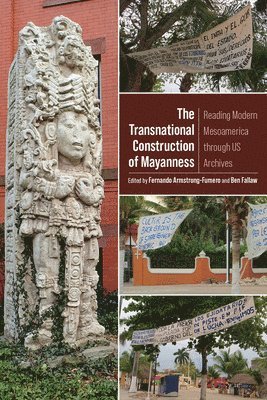
Transnational Construction of Mayanness
Reading Modern Mesoamerica through US Archives
Av Fernando Armstrong-Fumero, Ben Fallaw
Häftad, 2023
437 kr
Lägg i varukorg
The Transnational Construction of Mayanness explores how US academics, travelers, officials, and capitalists contributed to the construction of the Maya as an area of academic knowledge and affected the lives of the Maya peoples who were the subject of generations of anthropological research from …
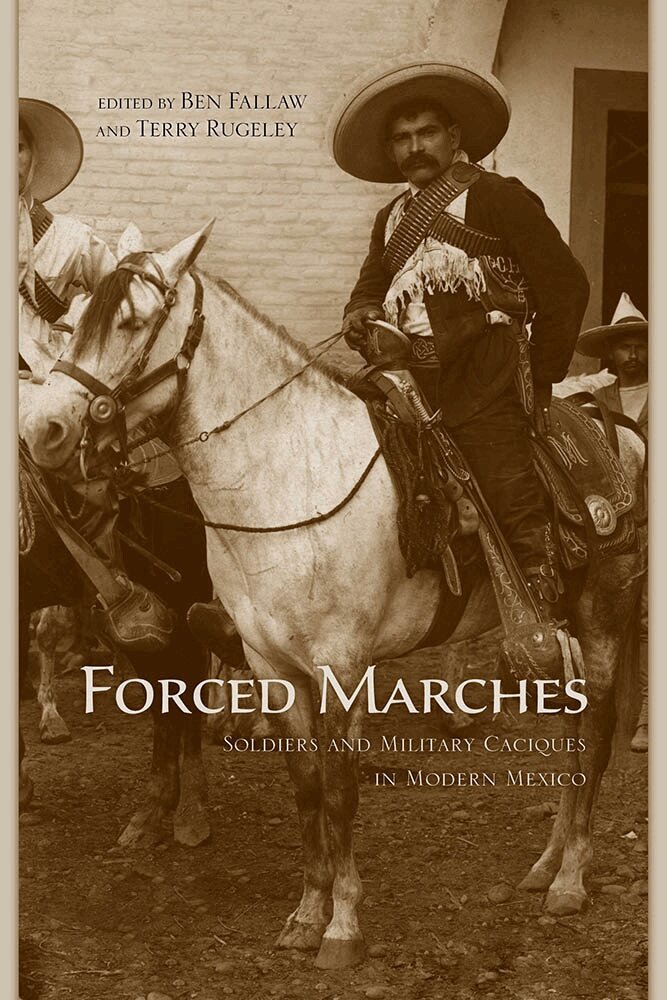
Forced Marches
Soldiers and Military Caciques in Modern Mexico
Inbunden, 2012
671 kr
Tillfälligt slut
Forced Marches is a collection of innovative essays that analyze how the military experience molded Mexican citizens in the years between the initial war for independence in 1810 and the consolidation of the revolutionary order in the 1940s. The contributors - well-regarded scholars from the United …
Cárdenas Compromised
The Failure of Reform in Postrevolutionary Yucatán
Av Ben Fallaw
Inbunden, 2001
1305 kr
Tillfälligt slut
CÁrdenas Compromised is a political and institutional history of Mexico’s urban and rural labor in the YucatÁn region during the regime of LÁzaro CÁrdenas from 1934 to 1940. Drawing on archival materials, both official and popular, Fallaw combines narrative, individual case studies, and focused …
Religion and State Formation in Postrevolutionary Mexico
Av Ben Fallaw
Inbunden, 2013
1323 kr
Tillfälligt slut
The religion question-the place of the Church in a Catholic country after an anticlerical revolution-profoundly shaped the process of state formation in Mexico. From the end of the Cristero War in 1929 until Manuel Ávila Camacho assumed the presidency in late 1940 and declared his faith, Mexico's …
Transnational Construction of Mayanness
Reading Modern Mesoamerica through US Archives
Av Fernando Armstrong-Fumero, Ben Fallaw
Inbunden, 2023
1120 kr
Tillfälligt slut
The Transnational Construction of Mayanness explores how US academics, travelers, officials, and capitalists contributed to the construction of the Maya as an area of academic knowledge and affected the lives of the Maya peoples who were the subject of generations of anthropological research from …