Samuel Brunk - Böcker
Visar alla böcker från författaren Samuel Brunk. Handla med fri frakt och snabb leverans.
3 produkter
3 produkter
361 kr
Skickas inom 10-15 vardagar
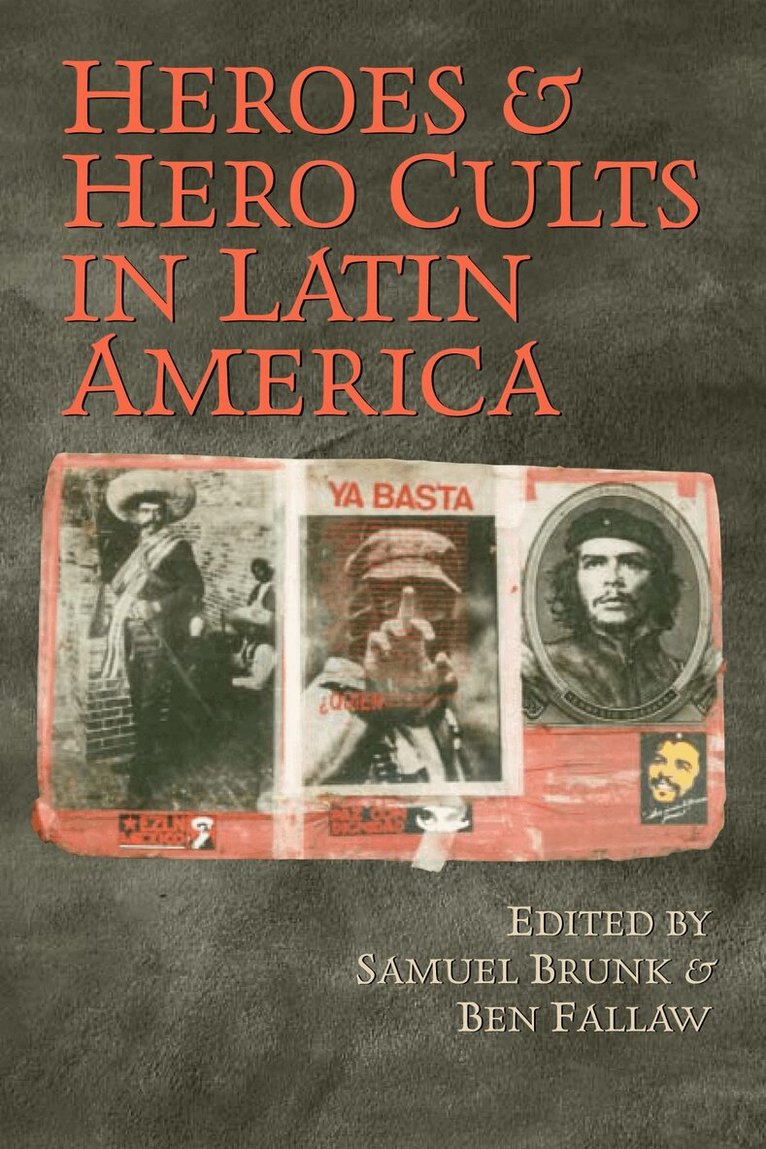
Latin American history traditionally has been defined by larger-than-life heroes such as SÍmon BolÍvar, Emiliano Zapata, and Evita PerÓn. Recent scholarship, however, tends to emphasize social and cultural factors rather than great leaders. In this new collection, Samuel Brunk and Ben Fallaw bring heroes back to the center of the debate, arguing that heroes not only shape history, they also "tell us a great deal about the places from which they come." The original essays in this collection examine ten modern Latin American heroes whose charisma derived from the quality of their relationships with admirers, rather than their innate personal qualities. The rise of mass media, for instance, helped pave the way for populists such as radio actress-turned-hero Evita PerÓn. On the other hand, heroes who become president often watch their images crumble, as policies replace personality in the eyes of citizens. In the end, the editors argue, there is no formula for Latin American heroes, who both forge, and are forged by, unique national events. The conclusion points toward Mexico, where the peasant revolutions that elevated Miguel Hidalgo and, later, Emiliano Zapata are so revered that today's would-be heroes, such as the EZLN's Subcomandante Marcos, must link themselves to peasant mythology even when their personal roots are far from native ground. The enduring (or, in some cases, fading) influence of those discussed in this volume validates the central placement of heroes in Latin American history.
Posthumous Career of Emiliano Zapata
Myth, Memory, and Mexico's Twentieth Century
Häftad, Engelska, 2008
378 kr
Skickas inom 10-15 vardagar
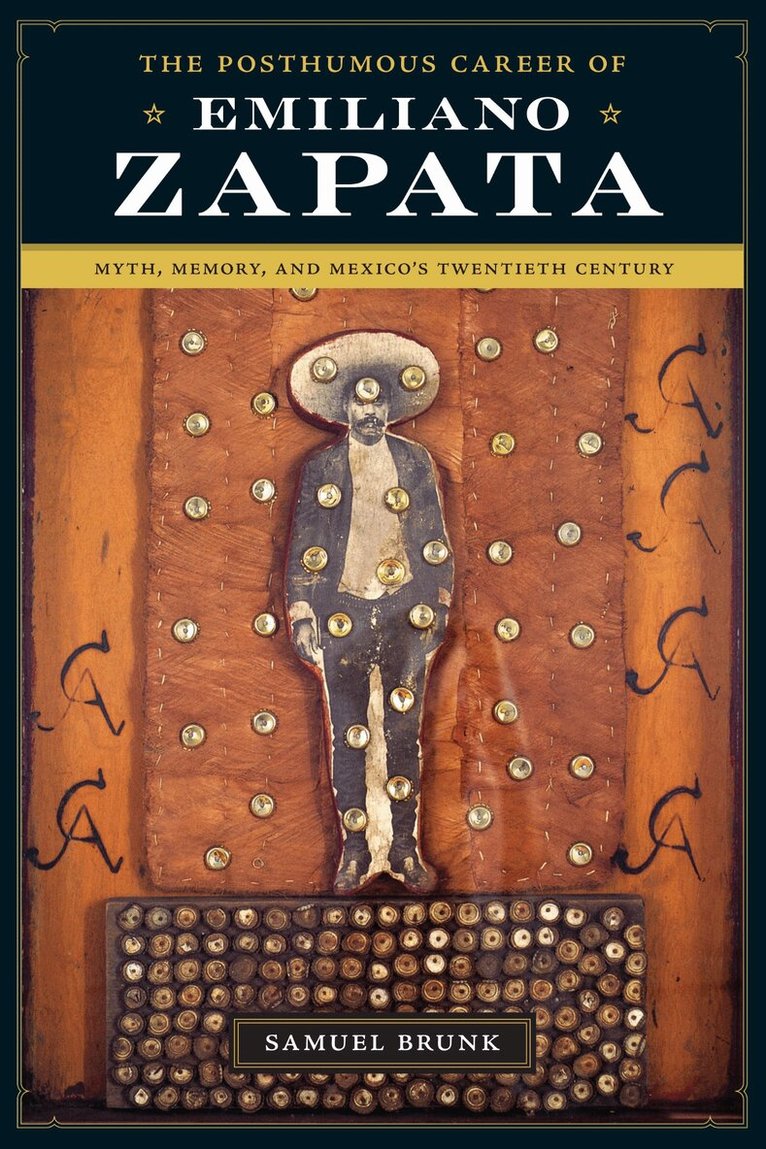
Before there was Che Guevara, there was Emiliano Zapata, the charismatic revolutionary who left indelible marks on Mexican politics and society. The sequel to Samuel Brunk's 1995 biography of Zapata, The Posthumous Career of Emiliano Zapata traces the power and impact of this ubiquitous, immortalized figure.Mining the massive extant literature on Zapata, supplemented by archival documents and historical newspaper accounts, Brunk explores frameworks of myth and commemoration while responding to key questions regarding the regime that emerged from the Zapatista movement, including whether it was spawned by a genuinely "popular" revolution.Blending a sophisticated analysis of hegemonic systems and nationalism with lively, accessible accounts of ways in which the rebel is continually resurrected decades after his death in a 1919 ambush, Brunk delves into a rich realm of artistic, geographical, militaristic, and ultimately all-encompassing applications of this charismatic icon.Examining all perspectives, from politicized commemorations of Zapata's death to popular stories and corridos, The Posthumous Career of Emiliano Zapata is an eloquent, engaging portrait of a legend incarnate.
550 kr
Skickas inom 3-6 vardagar
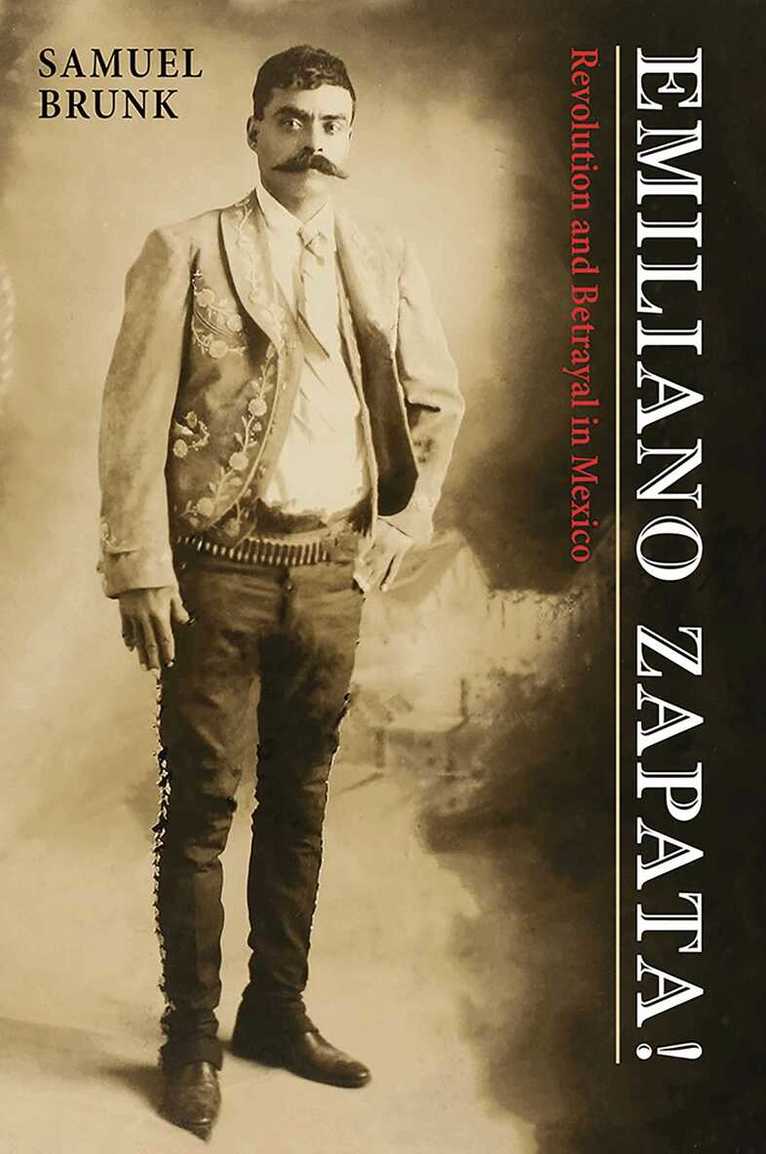
The life of Mexican revolutionary Emiliano Zapata was the stuff that legends are made of. Born and raised in a tiny village in the small south-central state of Morelos, he led an uprising in 1911 - one strand of the larger Mexican Revolution - against the regime of longtime president Porfirio Diaz. He fought not to fulfill personal ambitions but for the campesinos of Morelos, whose rights were being systematically ignored in Don Porfirio's courts.Expanding haciendas had been appropriating land and water for centuries in the state, but as the 20th century began things were becoming desperate. It was not long before Diaz fell. But Zapata then discovered that other national leaders - Francisco Madero, Victoriano Huerta, and Venustiano Carranza - would not put things right, and so he fought them, too. He fought for nearly a decade until, in 1919, he was gunned down in an ambush at the hacienda Chinameca.In this new political biography of Zapata, Brunk, a noted journalist and scholar, shows us Zapata the leader as opposed to Zapata the archetypal peasant revolutionary. In previous writings on Zapata, the movement was covered, and Zapata the man got lost in the shuffle. Brunk clearly demonstrates that Zapata's choices and actions did indeed have a historical impact.