Finn Frandsen – författare
625 kr
2 423 kr
Skickas inom 10-15 vardagar
740 kr
Läs direkt efter köp
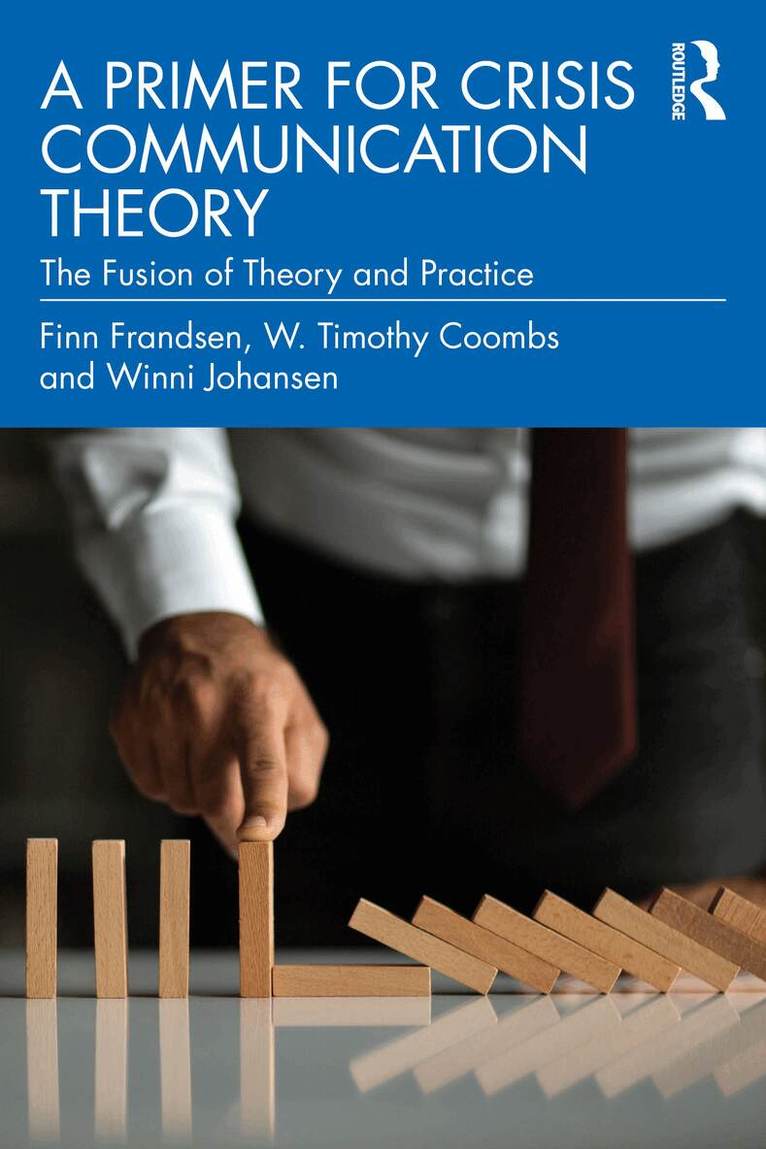
Guided by a belief that good crisis communication theory should inform and improve practice, this book makes a wide range of theories utilized in crisis communication accessible to researchers, students, and practitioners.
The book begins with an extended discussion of applied theory, including the theory building process, to help the reader appreciate how theory can connect to the practice of crisis communication. This discussion is followed by chapters each explaining a theory and using an evidence-based approach to explore how that theory illuminates and applies to crisis communication practice. The array of theories includes those that are descriptive, prescriptive, and critical and cover the areas of public crises, political crises, and corporate crises.
This book is essential reading for advanced students of public relations and strategic communication and researchers in crisis and risk communication, with practical insights suitable for interested professionals.
740 kr
Läs direkt efter köp
Guided by a belief that good crisis communication theory should inform and improve practice, this book makes a wide range of theories utilized in crisis communication accessible to researchers, students, and practitioners.
The book begins with an extended discussion of applied theory, including the theory building process, to help the reader appreciate how theory can connect to the practice of crisis communication. This discussion is followed by chapters each explaining a theory and using an evidence-based approach to explore how that theory illuminates and applies to crisis communication practice. The array of theories includes those that are descriptive, prescriptive, and critical and cover the areas of public crises, political crises, and corporate crises.
This book is essential reading for advanced students of public relations and strategic communication and researchers in crisis and risk communication, with practical insights suitable for interested professionals.
3 217 kr
Skickas inom 11-20 vardagar
This book offers a new and original perspective on crisis communication based on the theory of the Rhetorical Arena and the so-called multivocal approach. According to this approach, we gain a more dynamic and complex understanding of organizational crises if we focus not only on the communication produced by the organization but also take into account the many other voices who start communicating when a crisis breaks out.
It provides:
An in-depth overview of the five key dimensions of organizational crises, crisis management and crisis communication A comprehensive introduction to the theory of the Rhetorical Arena and the multivocal approach to crisis communication, including some of the most important voices inside the arena A series of important international case studies and case examples in each chapter.Suitable for students studying crisis communication modules on corporate communication, public relations, and management and organization studies courses.
868 kr
Skickas inom 5-8 vardagar
This book offers a new and original perspective on crisis communication based on the theory of the Rhetorical Arena and the so-called multivocal approach. According to this approach, we gain a more dynamic and complex understanding of organizational crises if we focus not only on the communication produced by the organization but also take into account the many other voices who start communicating when a crisis breaks out.
It provides:
An in-depth overview of the five key dimensions of organizational crises, crisis management and crisis communication A comprehensive introduction to the theory of the Rhetorical Arena and the multivocal approach to crisis communication, including some of the most important voices inside the arena A series of important international case studies and case examples in each chapter.Suitable for students studying crisis communication modules on corporate communication, public relations, and management and organization studies courses.
786 kr
Läs direkt efter köp
This book offers a new and original perspective on crisis communication based on the theory of the Rhetorical Arena and the so-called multivocal approach. According to this approach, we gain a more dynamic and complex understanding of organizational crises if we focus not only on the communication produced by the organization but also take into account the many other voices who start communicating when a crisis breaks out.
It provides:
An in-depth overview of the five key dimensions of organizational crises, crisis management and crisis communication A comprehensive introduction to the theory of the Rhetorical Arena and the multivocal approach to crisis communication, including some of the most important voices inside the arena A series of important international case studies and case examples in each chapter.Suitable for students studying crisis communication modules on corporate communication, public relations, and management and organization studies courses.
1 150 kr
Läs direkt efter köp
Big Ideas in Public Relations Research and Practice
1 106 kr
Skickas inom 5-8 vardagar
1 192 kr
Läs direkt efter köp
3 305 kr
Skickas inom 5-8 vardagar
3 233 kr
Läs direkt efter köp
Finn Frandsen and Winni Johansen have won the 2019 Danish communication prize (KOM-pris) for their world-class research in organisational crises, crisis management and crisis communication. This prize is awarded by The Danish Union of Journalists (Dansk Journalistforbund) and Kforum.
http://mgmt.au.dk/nyheder/nyheder/news-item/artikel/finn-frandsen-and-winni-johansen-win-the-kom-pris-2019/
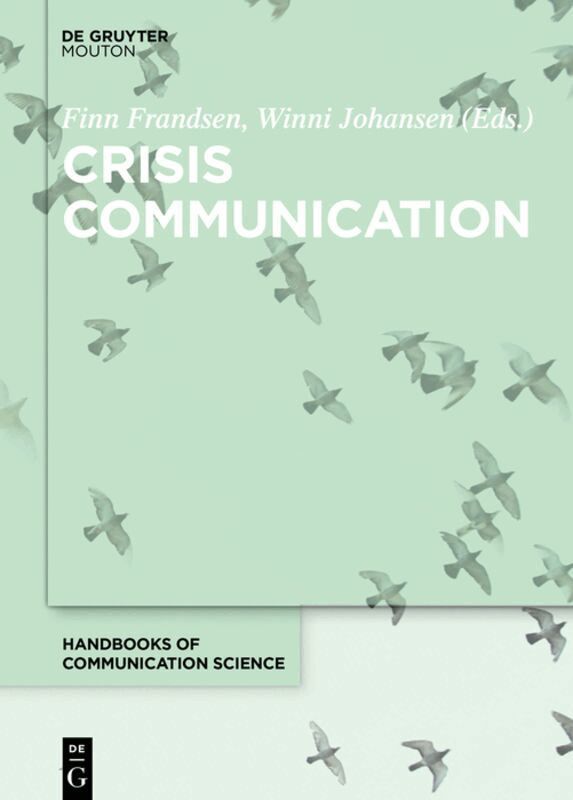
The aim of this handbook is to provide an up-to-date introduction to the discipline of crisis communication. Based on the most recent international research and through a series of levels (from the textual to the inter-societal level), this handbook introduces the reader to the most important concepts, models, theories and debates within the field of crisis communication. Crisis communication is a young and very vibrant field of research and practice. It is therefore crucial that researchers, students and practitioners have access to presentations and discussions of the most recent research. Like the other handbooks in the HOCS series, this handbook contains a general introduction, a chapter on the history of crisis communication research, a series of thematic chapters on crisis communication research at various levels, a chapter perspectives, a glossary of key terms, and lists of further reading for each chapter (with references to publications in English, German, and French).
Overview
Section I – Introducing the fieldGeneral introductionA brief history of crisis management and crisis communication: From organizational practice to academic disciplineReframing the field: Public crisis management, political crisis management, and corporate crisis management
Section II – Between text and contextImage repair theorySituational crisis communication theory: Influences, provenance, evolution, and prospectsContingency theory: Evolution from a public relations theory to a theory of strategic conflict managementDiscourse of renewal: Understanding the theory’s implications for the field of crisis communicationMaking sense of crisis sensemaking theory: Weick’s contributions to the study of crisis communicationArenas and voices in organizational crisis communication: How far have we come?Visual crisis communication
Section III – Organizational levelTo minimize or mobilize? The trade-offs associated with the crisis communication processInternal crisis communication: On current and future researchWhistleblowing in organizationsEmployee reactions to negative media coverageCrisis communication and organizational resilience
Section IV – Interorganizational levelFixing the broken link: Communication strategies for supply chain crisesReputational interdependence and spillover: Exploring the contextual challenges of spillover crisis responseCrisis management consulting: An emerging field of study
Section V – Societal levelCrisis and emergency risk communication: Past, present, and futureCrisis communication in public organizationsCommunicating and managing crisis in the world of politicsCrisis communication and the political scandalCrisis communication and social media: Short history of the evolution of social media in crisis communicationMass media and their symbiotic relationship with crisis
Section VI – Intersocietal levelShould CEOs of multinationals be spokespersons during an overseas product harm crisis?Intercultural and multicultural approaches to crisis communication
Section VII – Critical approachesEthics in crisis communication
Section VIII – The futureThe future of organizational crises, crisis management and crisis communication
For a detailed table of contents, please see here.
3 350 kr
Läs direkt efter köp
Finn Frandsen and Winni Johansen have won the 2019 Danish communication prize (KOM-pris) for their world-class research in organisational crises, crisis management and crisis communication. This prize is awarded by The Danish Union of Journalists (Dansk Journalistforbund) and Kforum.
http://mgmt.au.dk/nyheder/nyheder/news-item/artikel/finn-frandsen-and-winni-johansen-win-the-kom-pris-2019/
The aim of this handbook is to provide an up-to-date introduction to the discipline of crisis communication. Based on the most recent international research and through a series of levels (from the textual to the inter-societal level), this handbook introduces the reader to the most important concepts, models, theories and debates within the field of crisis communication. Crisis communication is a young and very vibrant field of research and practice. It is therefore crucial that researchers, students and practitioners have access to presentations and discussions of the most recent research. Like the other handbooks in the HOCS series, this handbook contains a general introduction, a chapter on the history of crisis communication research, a series of thematic chapters on crisis communication research at various levels, a chapter perspectives, a glossary of key terms, and lists of further reading for each chapter (with references to publications in English, German, and French).
Overview
Section I – Introducing the fieldGeneral introductionA brief history of crisis management and crisis communication: From organizational practice to academic disciplineReframing the field: Public crisis management, political crisis management, and corporate crisis management
Section II – Between text and contextImage repair theorySituational crisis communication theory: Influences, provenance, evolution, and prospectsContingency theory: Evolution from a public relations theory to a theory of strategic conflict managementDiscourse of renewal: Understanding the theory’s implications for the field of crisis communicationMaking sense of crisis sensemaking theory: Weick’s contributions to the study of crisis communicationArenas and voices in organizational crisis communication: How far have we come?Visual crisis communication
Section III – Organizational levelTo minimize or mobilize? The trade-offs associated with the crisis communication processInternal crisis communication: On current and future researchWhistleblowing in organizationsEmployee reactions to negative media coverageCrisis communication and organizational resilience
Section IV – Interorganizational levelFixing the broken link: Communication strategies for supply chain crisesReputational interdependence and spillover: Exploring the contextual challenges of spillover crisis responseCrisis management consulting: An emerging field of study
Section V – Societal levelCrisis and emergency risk communication: Past, present, and futureCrisis communication in public organizationsCommunicating and managing crisis in the world of politicsCrisis communication and the political scandalCrisis communication and social media: Short history of the evolution of social media in crisis communicationMass media and their symbiotic relationship with crisis
Section VI – Intersocietal levelShould CEOs of multinationals be spokespersons during an overseas product harm crisis?Intercultural and multicultural approaches to crisis communication
Section VII – Critical approachesEthics in crisis communication
Section VIII – The futureThe future of organizational crises, crisis management and crisis communication
For a detailed table of contents, please see here.
297 kr
Skickas inom 5-8 vardagar