F.J. de Bruijn – författare
Visar alla böcker från författaren F.J. de Bruijn. Handla med fri frakt och snabb leverans.
12 produkter
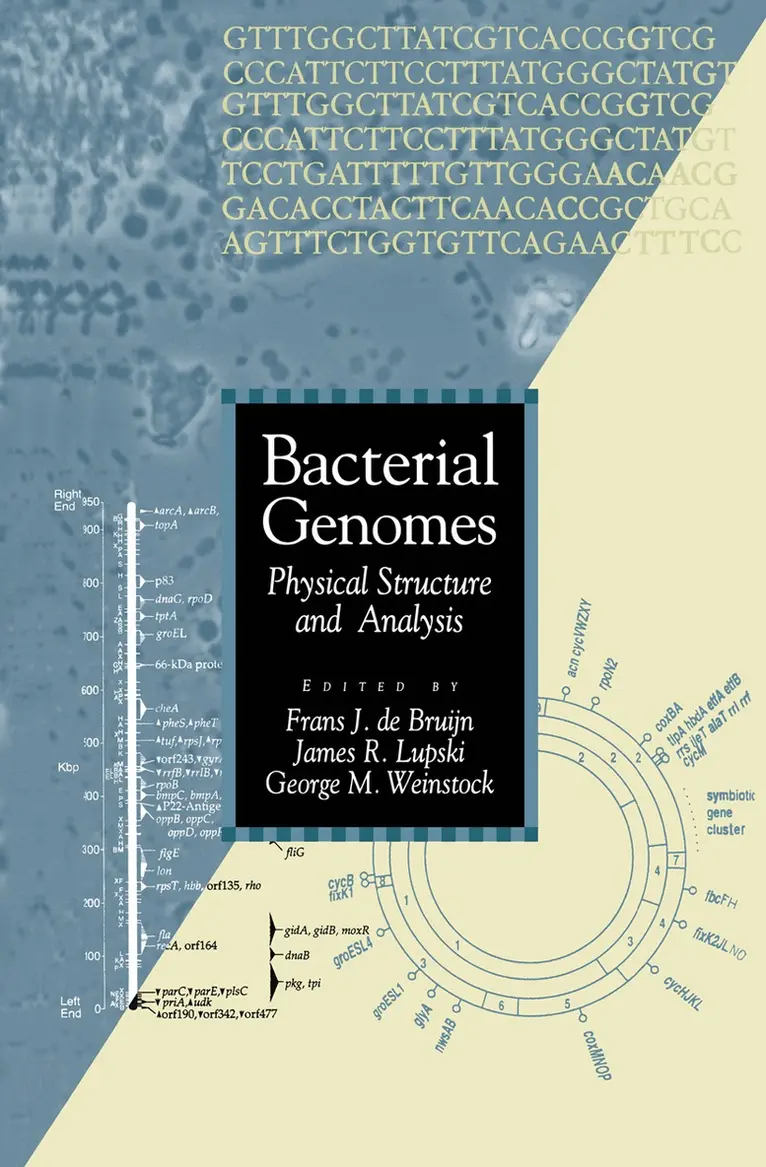
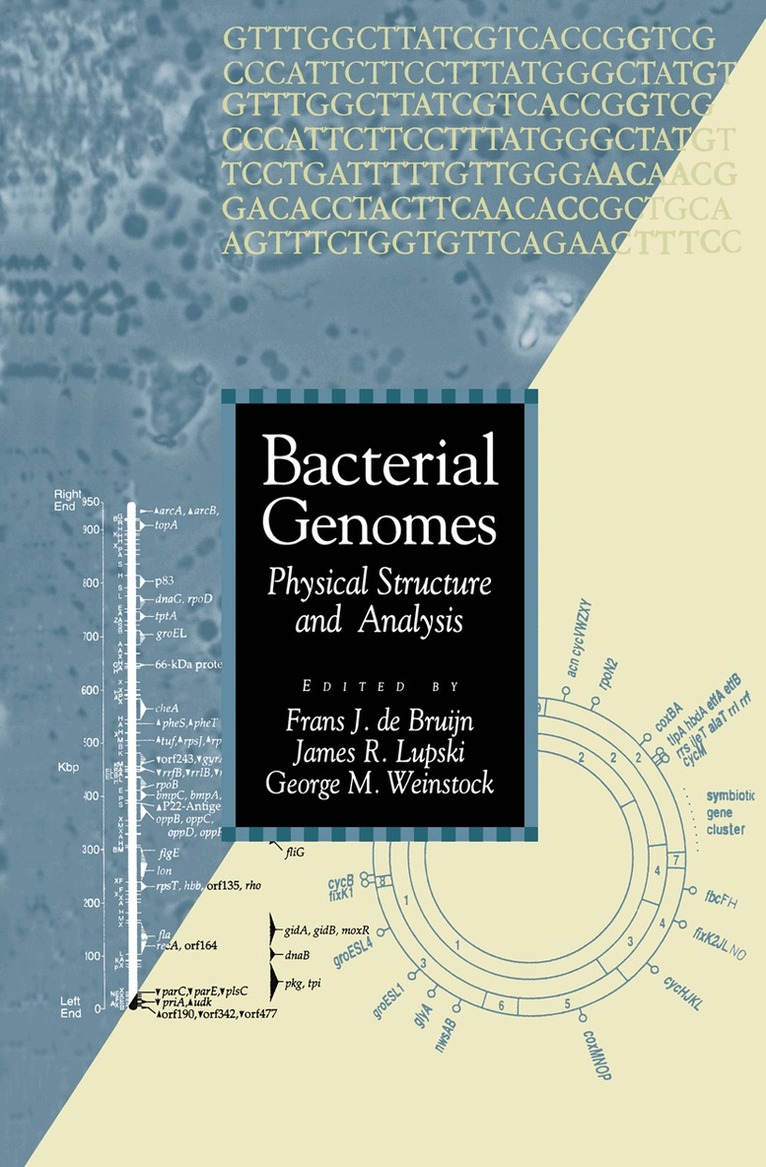
Bacterial Genomes
Physical Structure and Analysis
Av F.J. de Bruijn, James R. Lupski m. fl.
Inbunden, 1997
2180 kr
Lägg i varukorg
A wide range of microbiologists, molecular biologists, and molecular evolutionary biologists should find this volume of singular interest. It summarizes the present knowledge about the structure and stability of microbial genomes, and it reviews the techniques used to analyze and "fingerprint" …
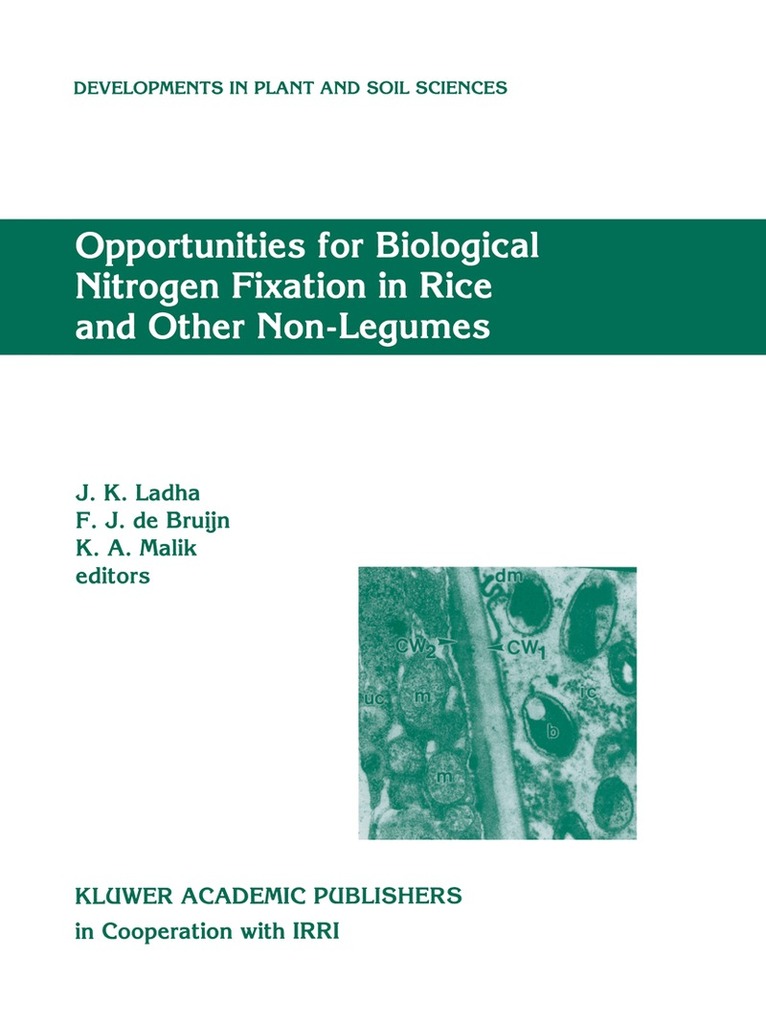
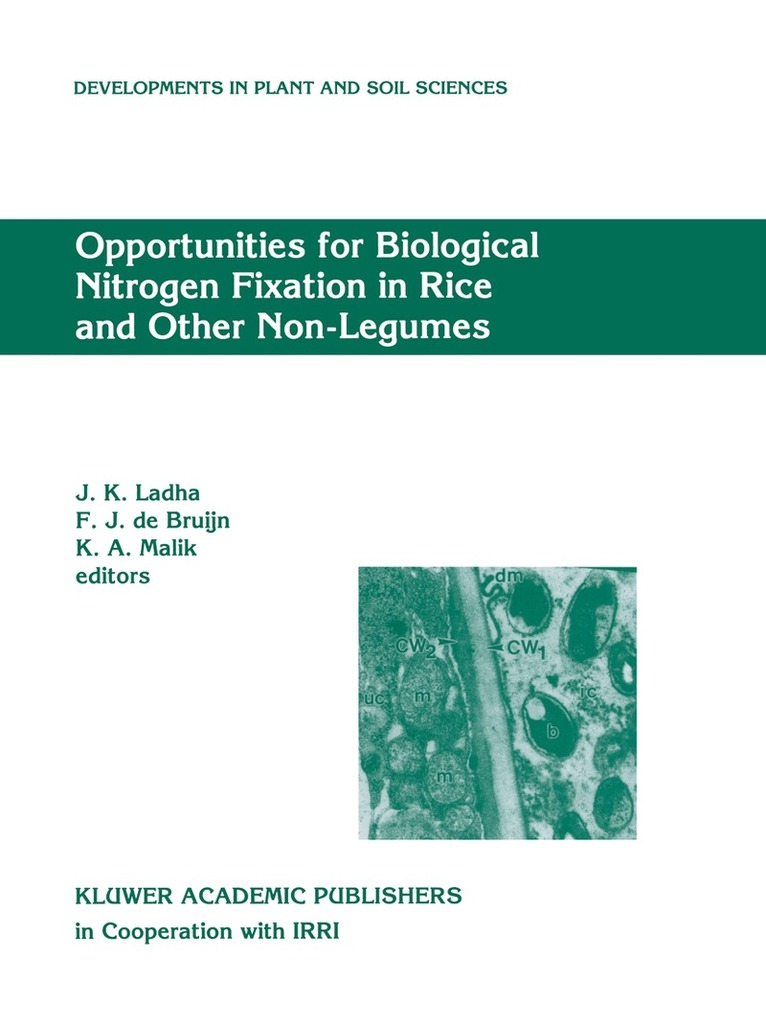
Opportunities for Biological Nitrogen Fixation in Rice and Other Non-Legumes
Papers presented at the Second Working Group Meeting of the Frontier Project on Nitrogen Fixation in Rice held at the National Institute for Biotechnology and Genetic Engineering (NIBGE), Faisalabad, Pakistan, 13–15 October 1996
Av J.K. Ladha, F.J. de Bruijn m. fl.
Inbunden, 1997
1637 kr
Lägg i varukorg
Recent advances in understanding symbiotic Rhizobium-legume interactions at the molecular level, the discovery of endophytic interactions of nitrogen-fixing organisms with non-legumes and the ability to introduce new genes into rice through transformation have created an opportunity to investigate …
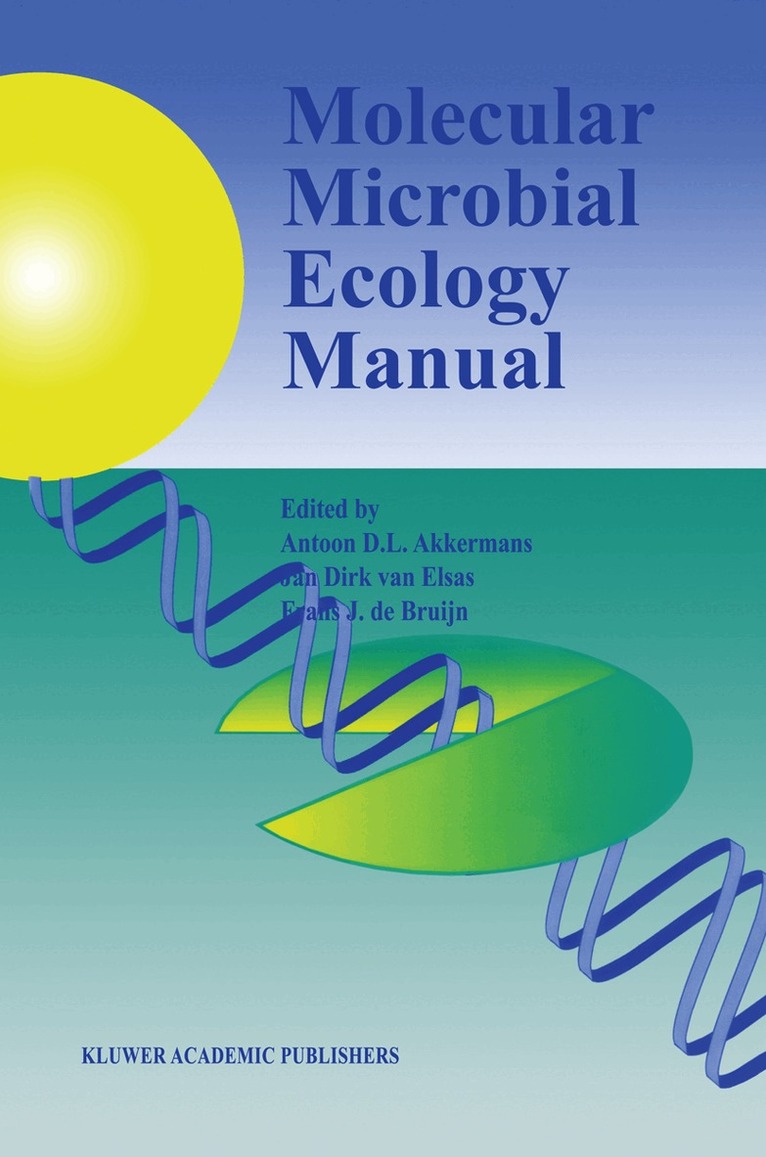
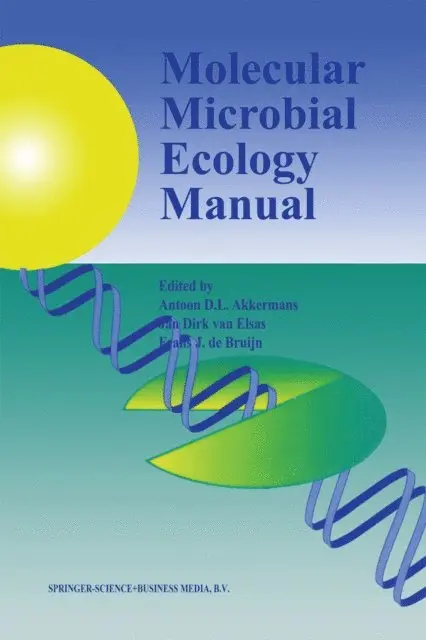
Molecular Microbial Ecology Manual
Av George A. Kowalchuk, F.J. de Bruijn m. fl.
2004
6423 kr
Lägg i varukorg
Microbes are key drivers of the world's ecosystems. The vast majority of the world's diversity and metabolic potential lies within micro-organisms, yet we are just beginning to understand and utilize this ultimate resource of biological diversity. Critical to our exploration of the microbial world …
Molecular Microbial Ecology Manual
Av Jan D. van Elsas, A.D. Akkermans m. fl.
E-bok, 2006
6999 kr
Lägg i varukorg
Microbes are key drivers of the world''s ecosystems. The vast majority of the world''s diversity and metabolic potential lies within micro-organisms, yet we are just beginning to understand and utilize this ultimate resource of biological diversity. Critical to our exploration of the microbial …
Bacterial Genomes
Physical Structure and Analysis
Av F.J. de Bruijn, James R. Lupski m. fl.
Häftad, 2012
2248 kr
Lägg i varukorg
A wide range of microbiologists, molecular biologists, and molecular evolutionary biologists will find this new volume of singular interest. It summarizes the present knowledge about the structure and stability of microbial genomes, and reviews the techniques used to analyze and fingerprint them. …
Bacterial Genomes
Physical Structure and Analysis
Av G.M. Weinstock, James R. Lupski m. fl.
E-bok, 2012
3013 kr
Lägg i varukorg
A wide range of microbiologists, molecular biologists, and molecular evolutionary biologists will find this new volume of singular interest. It summarizes the present knowledge about the structure and stability of microbial genomes, and reviews the techniques used to analyze and fingerprint them. …
Molecular Microbial Ecology Manual
Av A.D. Akkermans, Jan Dirk van Elsas m. fl.
Häftad, 2012
551 kr
Lägg i varukorg
For a long time microbial ecology has been developed as a distinct field with in Ecology. In spite of the important role of microorganisms in the environ ment, this group of 'invisible' organisms remained unaccessable to other ecologists. Detection and identification of microorganisms remain …
Opportunities for Biological Nitrogen Fixation in Rice and Other Non-Legumes
Papers presented at the Second Working Group Meeting of the Frontier Project on Nitrogen Fixation in Rice held at the National Institute for Biotechnology and Genetic Engineering (NIBGE), Faisalabad, Pakistan, 13–15 October 1996
Av J.K. Ladha, F.J. de Bruijn m. fl.
Häftad, 2012
1639 kr
Lägg i varukorg
During the next 30 years, farmers must produce 70% more rice than the 550 millions tons produced today to feed the increasing population. Nitrogen (N) is the nutrient that most frequently limits rice production. At current levels ofN use efficiency, we will require at least double the 10 million …
Molecular Microbial Ecology Manual
Av F.J. de Bruijn, Jan Dirk van Elsas m. fl.
E-bok, 2012
718 kr
Lägg i varukorg
For a long time microbial ecology has been developed as a distinct field with in Ecology. In spite of the important role of microorganisms in the environ ment, this group of ''invisible'' organisms remained unaccessable to other ecologists. Detection and identification of microorganisms remain …
Stress and Environmental Regulation of Gene Expression and Adaptation in Bacteria
Av FJ de Bruijn
2016
7462 kr
Tillfälligt slut
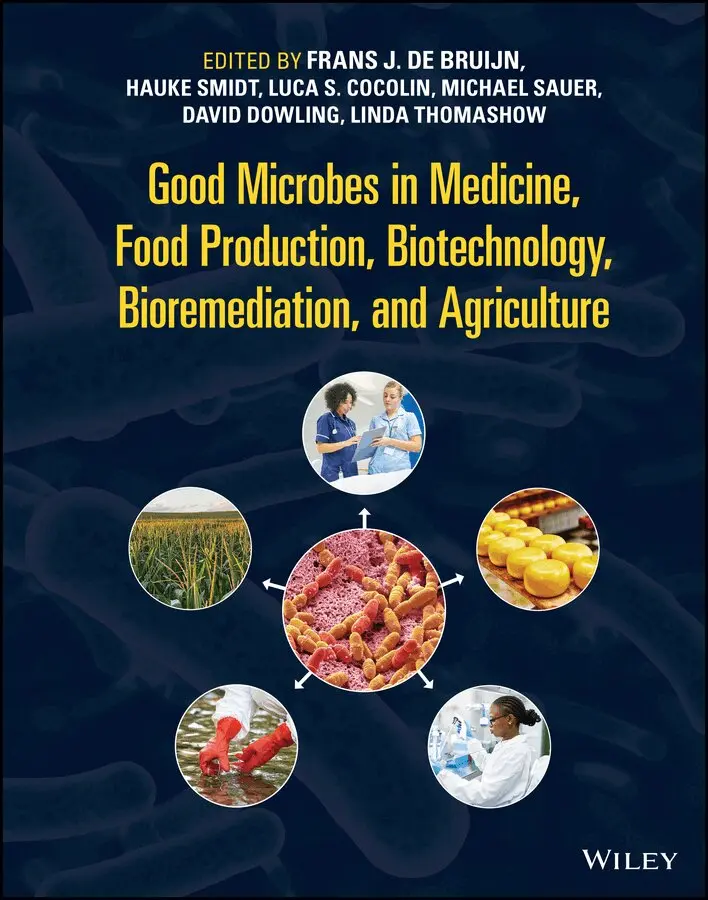
Good Microbes in Medicine, Food Production, Biotechnology, Bioremediation and Agriculture
Av FJ de Bruijn
2022
2801 kr
Tillfälligt slut