Florencia San Martín – författare
Visar alla böcker från författaren Florencia San Martín. Handla med fri frakt och snabb leverans.
8 produkter
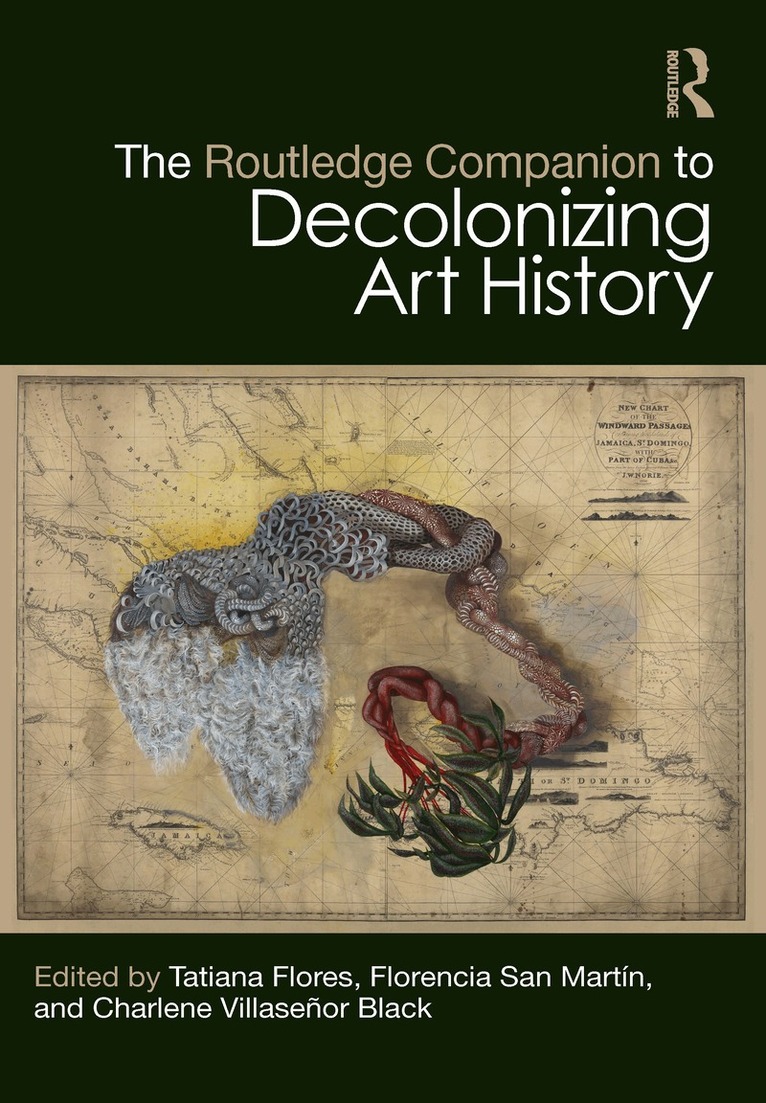
Routledge Companion to Decolonizing Art History
Av Tatiana Flores, Florencia San Martín m. fl.
Inbunden, 2023
3909 kr
Lägg i varukorg
This companion is the first global, comprehensive text to explicate, theorize, and propose decolonial methodologies for art historians, museum professionals, artists, and other visual culture scholars, teachers, and practitioners.Art history as a discipline and its corollary institutions - the …
Routledge Companion to Decolonizing Art History
Av Tatiana Flores, Florencia San Martín m. fl.
Häftad, 2025
817 kr
Lägg i varukorg
This companion is the first global, comprehensive text to explicate, theorize, and propose decolonial methodologies for art historians, museum professionals, artists, and other visual culture scholars, teachers, and practitioners.Art history as a discipline and its corollary institutions - the …
Routledge Companion to Decolonizing Art History
Av Charlene Villasenor Black, Florencia San Martin m. fl.
E-bok, 2023
1075 kr
Lägg i varukorg
This companion is the first global, comprehensive text to explicate, theorize, and propose decolonial methodologies for art historians, museum professionals, artists, and other visual culture scholars, teachers, and practitioners. Art history as a discipline and its corollary institutions - the …
Routledge Companion to Decolonizing Art History
Av Charlene Villasenor Black, Florencia San Martin m. fl.
E-bok, 2023
1075 kr
Lägg i varukorg
This companion is the first global, comprehensive text to explicate, theorize, and propose decolonial methodologies for art historians, museum professionals, artists, and other visual culture scholars, teachers, and practitioners. Art history as a discipline and its corollary institutions - the …
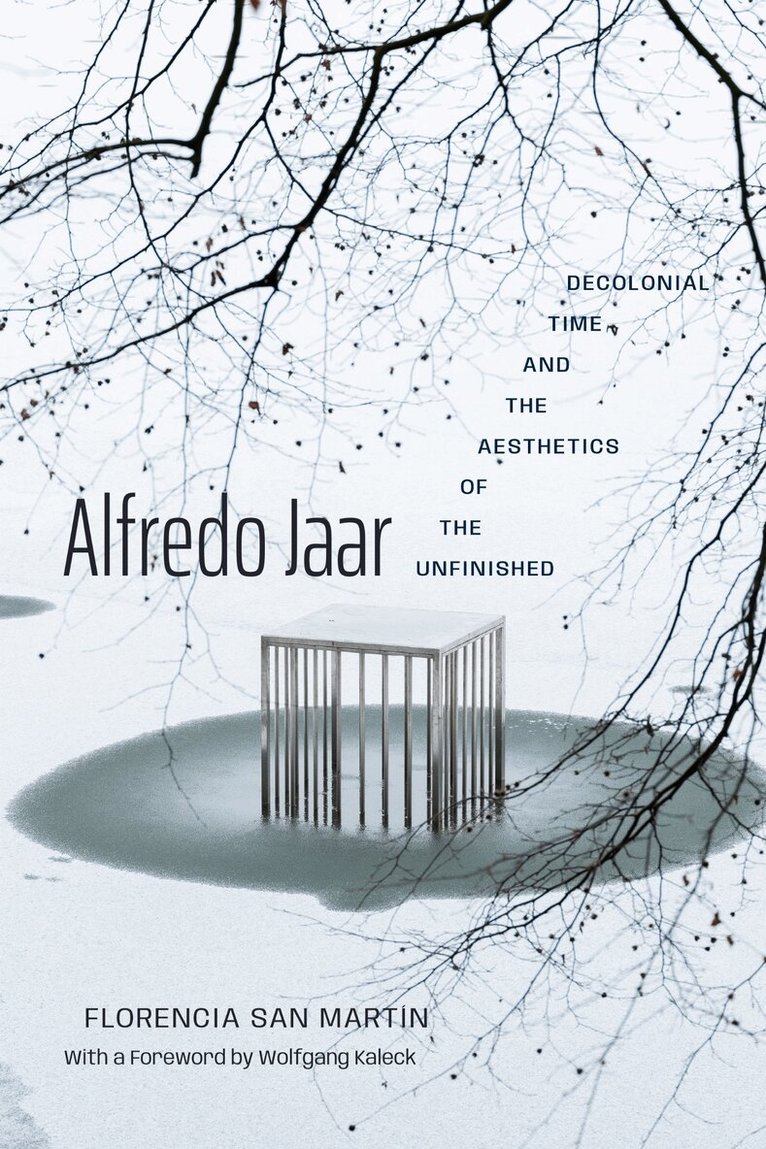
Alfredo Jaar
Decolonial Time and the Aesthetics of the Unfinished
Inbunden, 2026
1452 kr
Lägg i varukorg
In Alfredo Jaar, the first critical academic survey devoted to the prominent Chilean-born artist, Florencia San MartÍn shows how his work takes up mourning, accountability, and failure, offering a new model for how to think about global contemporary art today.In Alfredo Jaar, Florencia San MartÍn …
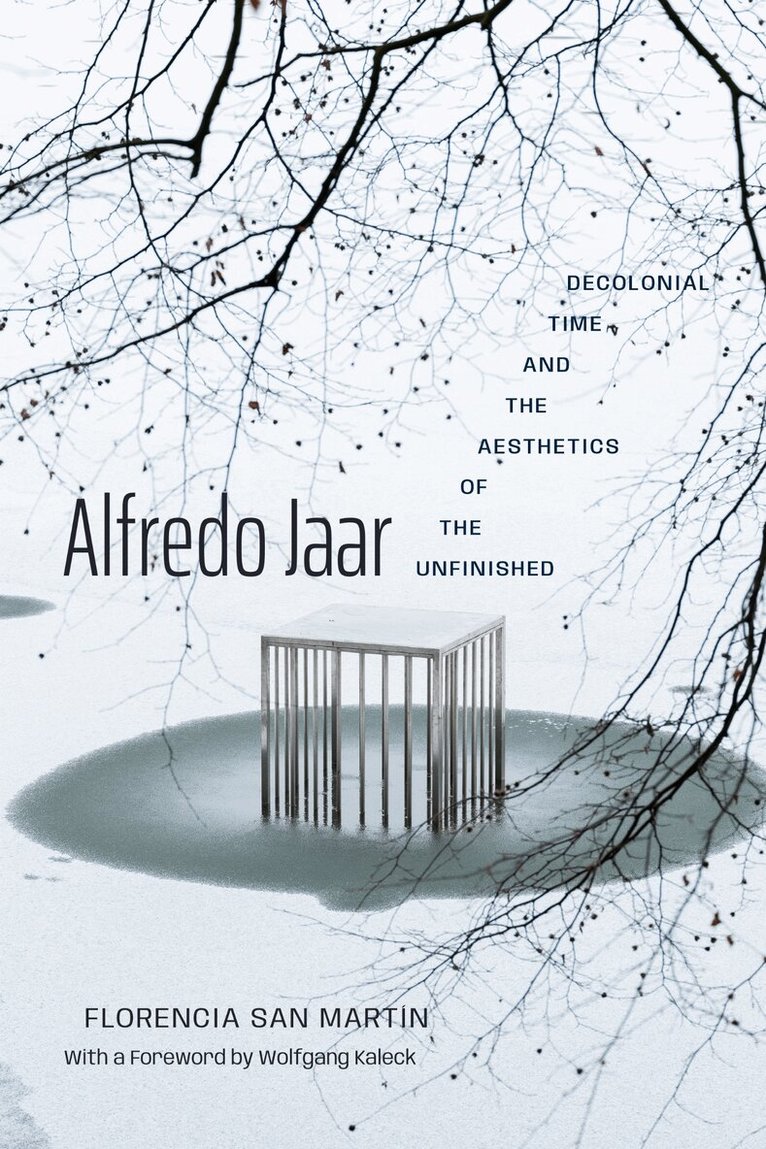
Alfredo Jaar
Decolonial Time and the Aesthetics of the Unfinished
Häftad, 2026
389 kr
Lägg i varukorg
In Alfredo Jaar, the first critical academic survey devoted to the prominent Chilean-born artist, Florencia San Martín shows how his work takes up mourning, accountability, and failure, offering a new model for how to think about global contemporary art today.In Alfredo Jaar, Florencia San Martín …
Alfredo Jaar
Decolonial Time and the Aesthetics of the Unfinished
E-bok, 2026
631 kr
Lägg i varukorg
In Alfredo Jaar, the first critical academic survey devoted to the prominent Chilean-born artist, Florencia San Martin shows how his work takes up mourning, accountability, and failure, offering a new model for how to think about global contemporary art today.In Alfredo Jaar, Florencia San Martin …
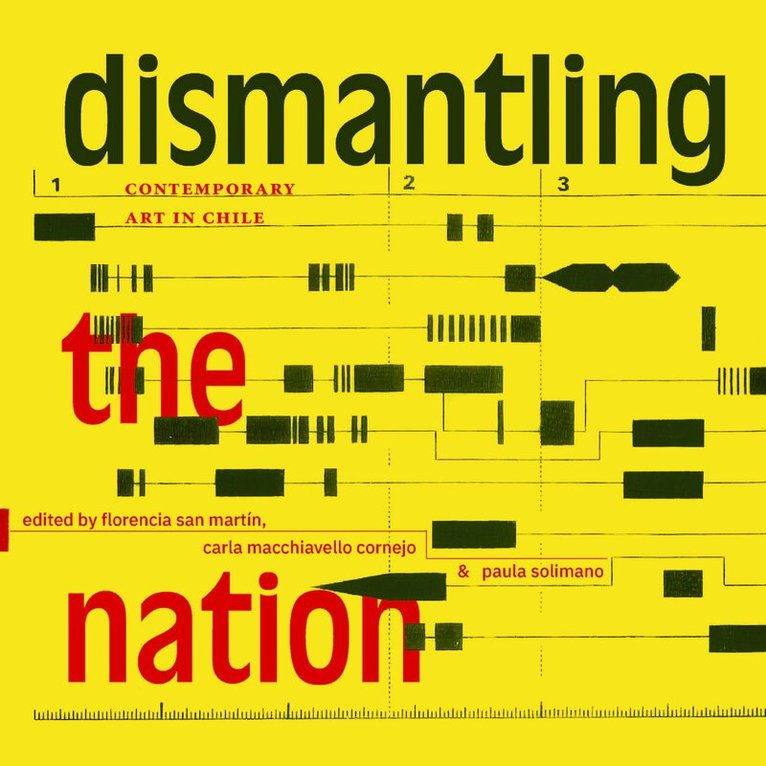
Dismantling the Nation
Contemporary Art in Chile
Av Florencia San Martín, Carla Macchiavello Cornejo m. fl.
Häftad, 2024
567 kr
Lägg i varukorg
The first volume to theorize and historicize contemporary artistic practices from Chile in the English language, Dismantling the Nation begins from a position of radical criticism against the nation-state of Chile and its capitalist, heteronormative, and extractivist rule. At a truly pivotal moment …