Ford Risley - Böcker
Visar alla böcker från författaren Ford Risley. Handla med fri frakt och snabb leverans.
4 produkter
4 produkter
970 kr
Skickas inom 10-15 vardagar
Read how the most pressing issues of the Civil War were argued over, shaped, and regarded by Americans north and south. News articles, editorials, and cartoons from the time offer a range of contentious and impassioned opinions and reports on the crucial events that precipitated, sustained, and eventually concluded this vital chapter in American history and politics. A startling mosaic of sentiment - often conflicting, always partisan, and much of it noble - emerges from the din of journalistic campaigning waged over the battle for public opinion on both sides of the Mason - Dixon line. Topical chapters offer multiple annotated documents related to twenty-four crucial topics and events occurring and debated during the War Between the States. Questions designed to stimulate written and oral discussions conclude each chapter. A full index and bibliography conclude the work.Beginning with Lincoln's election in 1860 and concluding with his assassination in 1865, The Civil War offers clear examples of a wide range of opinion about the military matters like the draft, the preparation for war, arming slaves, and the impact of the battles of Bull Run, Gettysburg, and Sherman's March to the Sea. Political issues are strongly represented as editorials and articles reacting to the southern states' secession, civil liberties and elections in the Union and the Confederacy are presented in equal measure. A strong and valuable resource for students and researchers of this pivotal period of American history.
585 kr
Skickas inom 10-15 vardagar
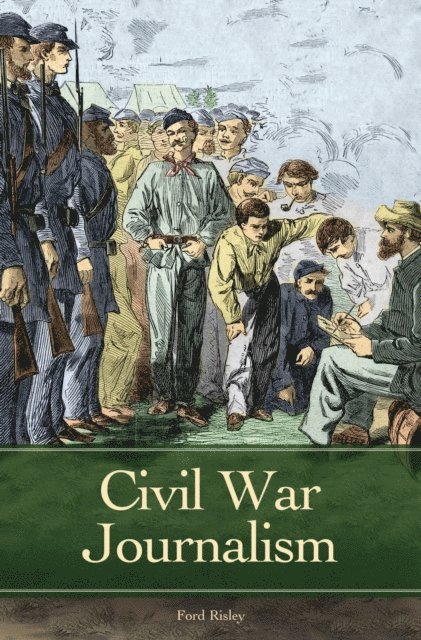
This book examines newspapers, magazines, photographs, illustrations, and editorial cartoons to tell the important story of journalism, documenting its role during the Civil War as well as the impact of the war on the press.Civil War Journalism presents a unique synthesis of the journalism of both the North and South during the war. It features a compelling cast of characters, including editors Horace Greeley and John M. Daniel, correspondents George Smalley and Peter W. Alexander, photographers Mathew Brady and Alexander Gardner, and illustrators Alfred Waud and Thomas Nast. Written to appeal to those interested in the Civil War in general and in journalism specifically, as well as general readers, the work provides an introductory overview of journalism in the North and South on the eve of the Civil War. The following chapters examine reporting during the war, editorializing about the war, photographing and illustrating the war, censorship and government relations, and the impact of the war on the press.
447 kr
Skickas inom 10-15 vardagar
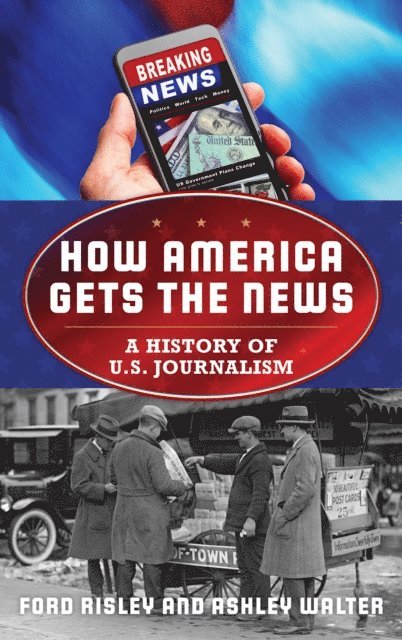
This concise history of American journalism—including newspapers, magazines, radio, television, and digital—introduces readers to the news media from the first colonial newspapers to today’s news conglomerates and the rise of the digital media. Authors Ford Risley and Ashley Walter examine historical trends, including advocacy journalism, yellow journalism, investigative journalism, tabloid journalism, and digital journalism. They discuss significant individuals, from Benjamin Franklin and Joseph Pulitzer to Ida Wells and Nellie Bly, and they examine noteworthy news organizations, from the New York Times and Life to CBS and Fox News. They also discuss the role of new technologies, developing professional standards, and the impact of corporate business practices.At a time when many doubt the trustworthiness of the media, How America Gets the News provides a fascinating historical perspective that will be of interest to all consumers of news.
482 kr
Skickas inom 11-20 vardagar
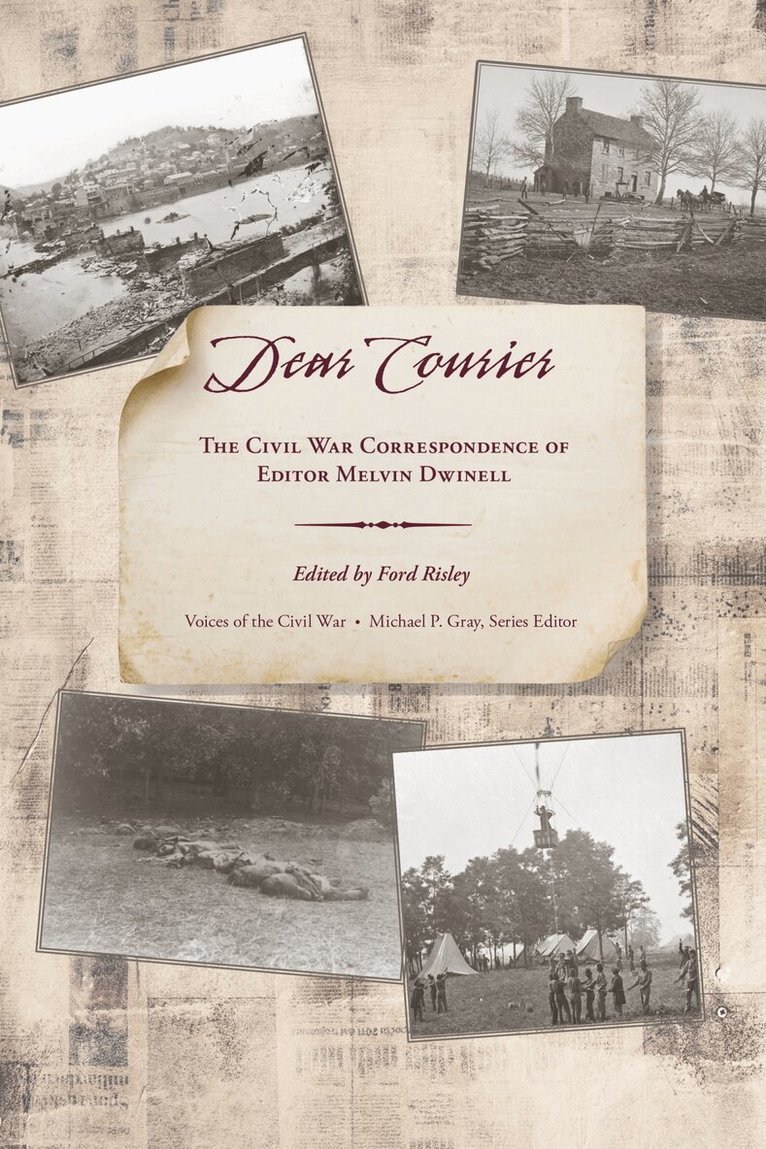
Among the many extant volumes of Civil War correspondence penned by military men, few can boast of the writing quality of Dear Courier: The Civil War Correspondence of Editor Melvin Dwinell.This Yankee-turned-Rebel was both fighter and journalist: second lieutenant of the Rome Light Guards and editor of the Rome Courier.Born in East Calais, Vermont, in 1825, Melvin Dwinell came to the South and was won over to its way of life. He soon found his calling in journalism, purchasing the Rome (Georgia) Courier and serving as its editor. Though he initially opposed Georgia’s immediate secession, Dwinell fully supported his adopted state’s cause, proclaiming that “a great and glorious Confederacy would arise from the ashes of the United States.”At the outbreak of the war, Dwinell joined the Eighth Georgia Infantry and began an almost weekly correspondence published in his newspaper. The editor’s letters provide vivid descriptions of some of the most important campaigns of the Civil War. Dwinell’s lively account of the “most glorious victory” at Manassas surely delighted his readers, though the list of casualties from the area would have proved sobering. Wounded at Gettysburg in 1863, Dwinell openly described the heavy price paid by the Confederacy in rather a different tone: “The carnage was greater probably than on any other field since the commencement of this wicked war.”Dwinell resigned his position as second lieutenant to run for the Georgia legislature, where he served until the state was overrun by the Union army. Dwinell was one of the first in Floyd County to take the oath of allegiance to the U.S. Constitution following Confederate defeat. Scholars have drawn upon Melvin Dwinell’s accounts because of the author’s grasp of strategy, strong writing skills, and journalistic instincts.Dear Courier will appeal to those interested in the campaigns of Robert E. Lee’s Army of Northern Virginia, as well as those looking for accessible primary documents about the Civil War.