Francisca Loetz – författare
Visar alla böcker från författaren Francisca Loetz. Handla med fri frakt och snabb leverans.
7 produkter
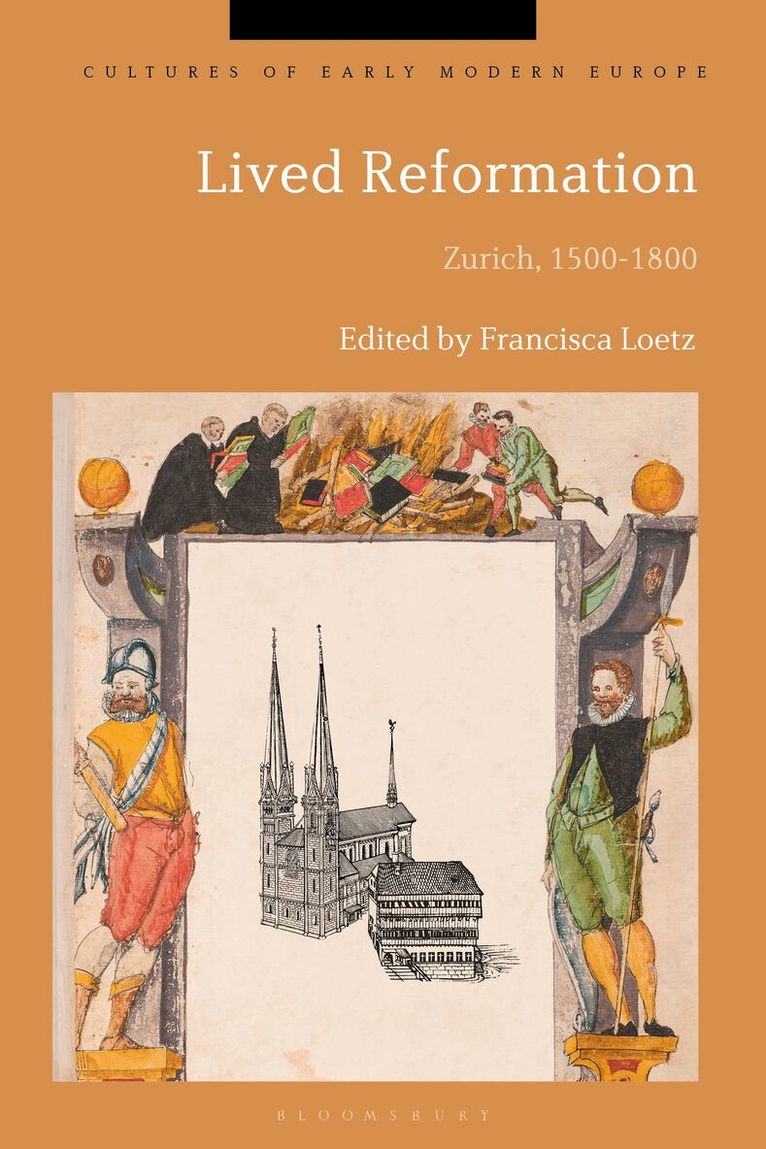
Lived Reformation
Zurich, 1500-1800
Inbunden, 2026
1193 kr
Lägg i varukorg
This book examines one of the main centres of the European Reformation, the Swiss city of Zurich, to explore the impact of the reformatory processes on all aspects of everyday life. It looks at how, for the early modern (non-)believers, new visions of Christian living were mediated through law, …
Dealings with God
From Blasphemers in Early Modern Zurich to a Cultural History of Religiousness
Inbunden, 2009
3168 kr
Lägg i varukorg
Early modern European society took a serious view of blasphemy, and drew upon a wide range of sanctions - including the death penalty - to punish those who cursed, swore and abused God. Whilst such attitudes may appear draconian today, this study makes clear that in the past, blasphemy was regarded …
Dealings with God
From Blasphemers in Early Modern Zurich to a Cultural History of Religiousness
E-bok, 2016
813 kr
Lägg i varukorg
Early modern European society took a serious view of blasphemy, and drew upon a wide range of sanctions - including the death penalty - to punish those who cursed, swore and abused God. Whilst such attitudes may appear draconian today, this study makes clear that in the past, blasphemy was regarded …
Dealings with God
From Blasphemers in Early Modern Zurich to a Cultural History of Religiousness
E-bok, 2016
831 kr
Lägg i varukorg
Early modern European society took a serious view of blasphemy, and drew upon a wide range of sanctions - including the death penalty - to punish those who cursed, swore and abused God. Whilst such attitudes may appear draconian today, this study makes clear that in the past, blasphemy was regarded …
Lived Reformation
Zurich, 1500-1800
E-bok, 2026
1283 kr
Lägg i varukorg
This book examines one of the main centres of the European Reformation, theSwiss city of Zurich, to explore the impact of the reformatory processes on allaspects of everyday life. It looks at how, for the early modern (non-)believers,new visions of Christian living were mediated through law, …
Lived Reformation
Zurich, 1500-1800
E-bok, 2026
1325 kr
Lägg i varukorg
This book examines one of the main centres of the European Reformation, theSwiss city of Zurich, to explore the impact of the reformatory processes on allaspects of everyday life. It looks at how, for the early modern (non-)believers,new visions of Christian living were mediated through law, …
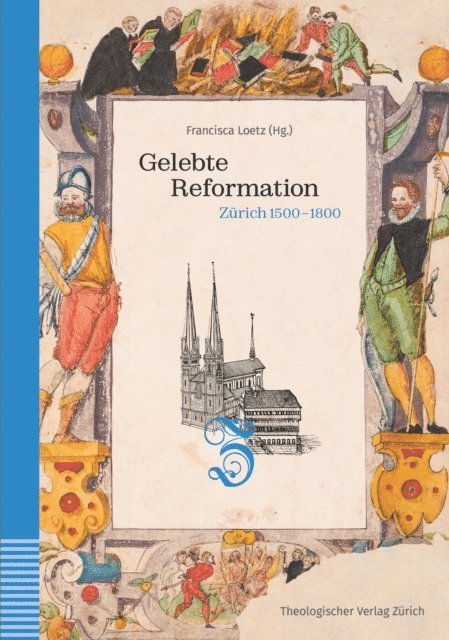
Gelebte Reformation
Zürich 1500–1800. Unter Mitarbeit von Wolfram Schneider-Lastin
E-bok, 2022
660 kr
Lägg i varukorg
Wann und was war «die» Reformation? Für Zürich kann sie als Zeitspanne vom Beginn der Tätigkeit Zwinglis als Leutpriester am Grossmünster 1519 bis zur Abschaffung der Messe 1525 definiert werden. Doch Zwingli fiel nicht vom Himmel und weder waren nach 1525 alle Fragen geklärt noch alle …