Frank Matose – författare
Visar alla böcker från författaren Frank Matose. Handla med fri frakt och snabb leverans.
4 produkter
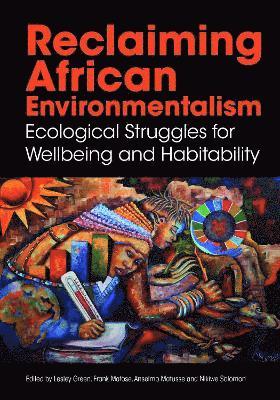
Reclaiming African Environmentalism
Ecological Struggles for Wellbeing and Habitability
Av Lesley Green, Frank Matose m. fl.
Häftad, 2025
525 kr
Lägg i varukorg
The authors of Reclaiming African Environmentalism make the case that the relationships that indigenous and other marginalized minorities have formed with the land must be the primary considerations when planning and protecting Africa's overall economic and ecological …
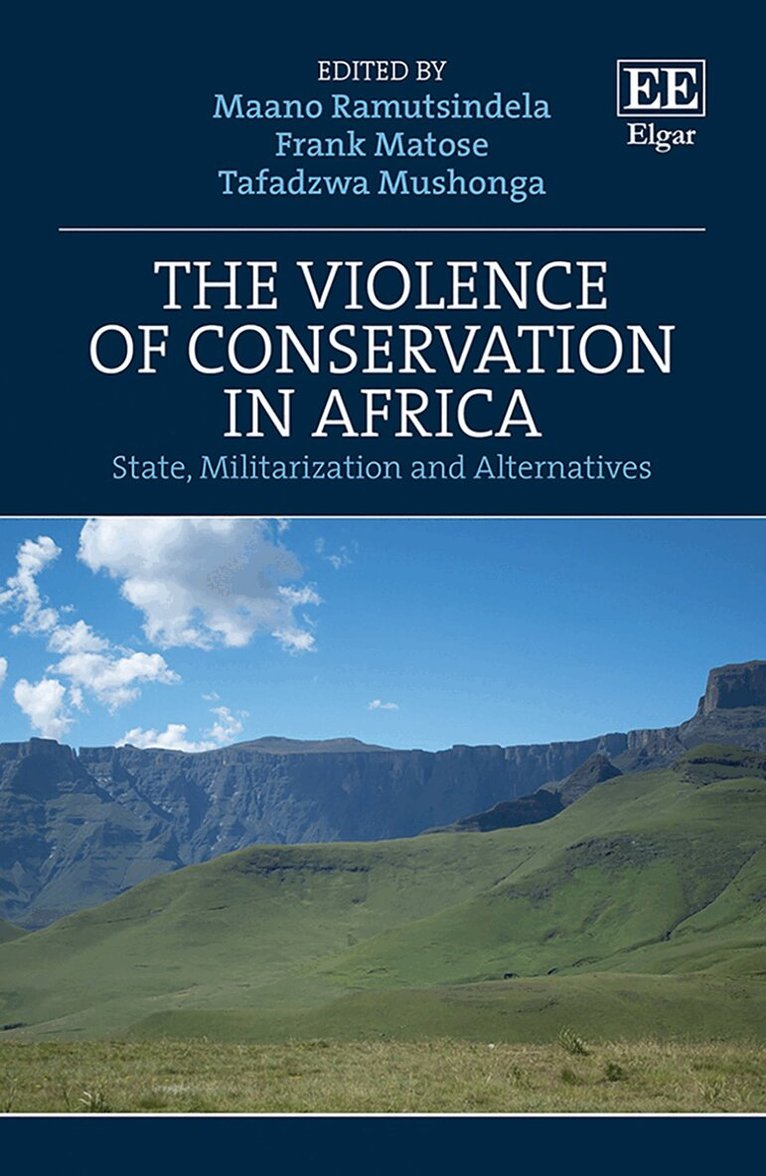
Violence of Conservation in Africa
State, Militarization and Alternatives
Av Maano Ramutsindela, Frank Matose m. fl.
Inbunden, 2022
1926 kr
Lägg i varukorg
Offering insights on violence in conservation in Africa, this timely book demonstrates how and why the state pursues conservation objectives to the detriment of its citizens. It focuses on how the dehumanization of black people and indigenous groups, the insertion of global green agendas onto the …
Violence of Conservation in Africa
State, Militarization and Alternatives
Av Tafadzwa Mushonga, Frank Matose m. fl.
E-bok, 2022
459 kr
Lägg i varukorg
Offering insights on violence in conservation in Africa, this timely book demonstrates how and why the state pursues conservation objectives to the detriment of its citizens. It focuses on how the dehumanization of black people and indigenous groups, the insertion of global green agendas onto the …
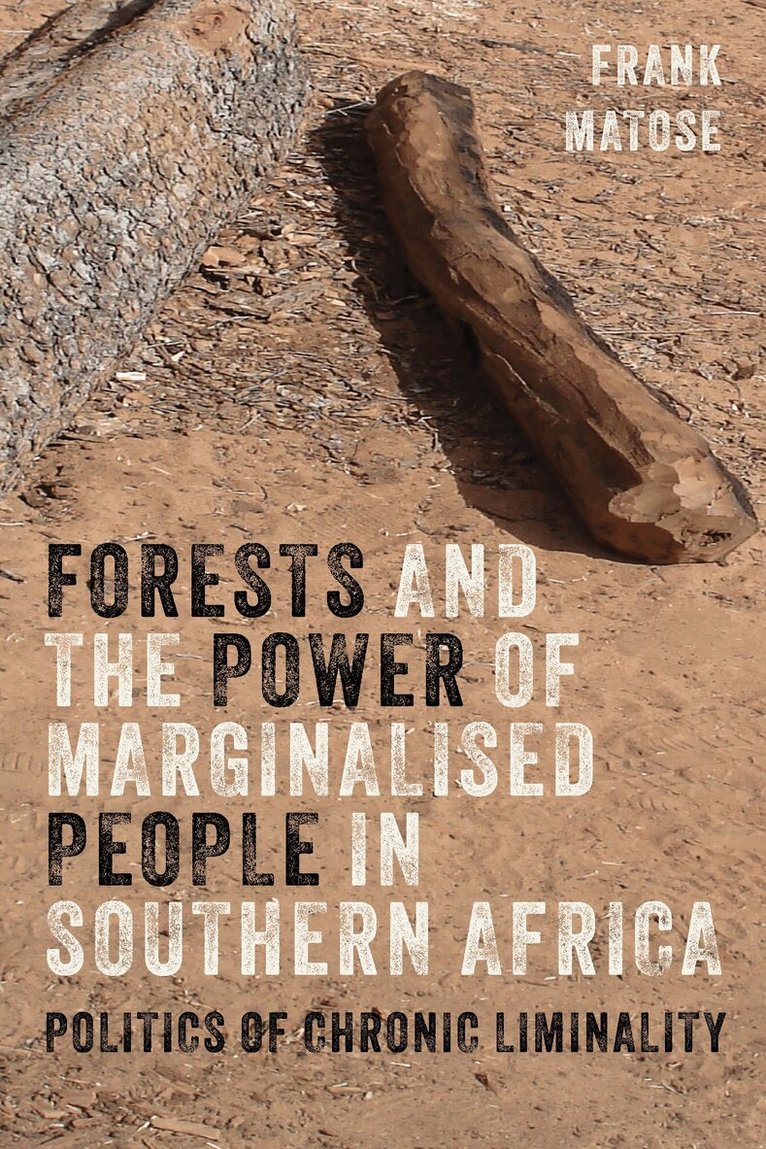
Forests and the Power of Marginalised People in Southern Africa
Politics of Chronic Liminality
Av Frank Matose
Inbunden, 2025
1109 kr
Lägg i varukorg
Decades after independence and the end of apartheid, why have forest communities in Zimbabwe and South Africa not been able to recover the land and resource rights they lost under colonialism? This book explores the politics of conservation in southern Africa through the lens of chronic liminality, …