Frank Zelko - Böcker
Visar alla böcker från författaren Frank Zelko. Handla med fri frakt och snabb leverans.
5 produkter
5 produkter
464 kr
Skickas inom 5-8 vardagar
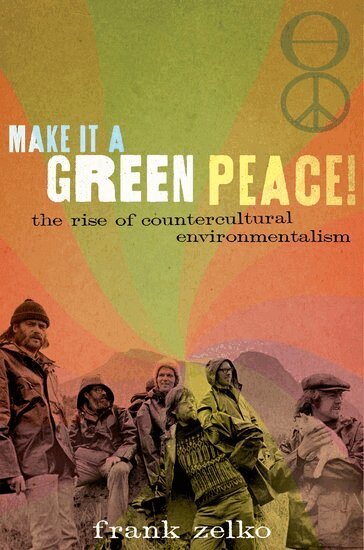
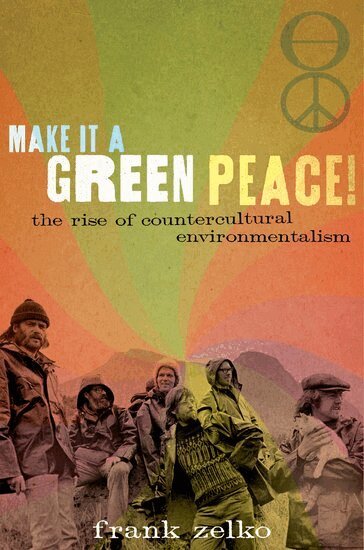
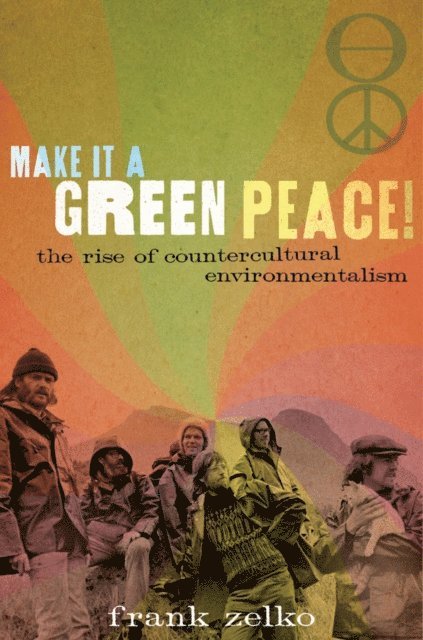
The emergence of Greenpeace in the late 1960s from a loose-knit group of anti-nuclear and anti-whaling activists fundamentally changed the nature of environmentalism--its purpose, philosophy, and tactics--around the world. And yet there has been no comprehensive objective history of Greenpeace's origins-until now. Make It a Green Peace! draws upon meeting minutes, internal correspondence, manifestos, philosophical writings, and interviews with former members to offer the first full account of the origins of what has become the most recognizable environmental non-governmental organization in the world. Situating Greenpeace within the peace movement and counterculture of the 1960s, Frank Zelko provides a much deeper treatment of the group's groundbreaking brand of radical, media-savvy, direct-action environmentalism than has been previously attempted. Zelko traces the complex intellectual and cultural roots of Greenpeace to the various protest movements of the 1950s and 1960s, highlighting the influence of Quakerism--with its practice of bearing witness--Native American spirituality, and the non-violent resistance of Gandhi. Unlike the more strait-laced, less confrontational Sierra Club and Audubon Society, early Greenpeacers smoked dope, dropped acid, wore their hair long, and put their bodies on the line--interposing themselves between the harpoons of whalers and the clubs of seal-hunters--to save the animals and achieve what they hoped would be a lasting transformation in the way humans regarded the natural world. And while it may not have achieved its most revolutionary goals, Greenpeace inarguably created a heightened awareness of environmental issues that endures to this day. Narrating the key campaigns and arguments among the group's early members, Make It a Green Peace! vividly captures all the drama, pathos, and occasional moments of absurd comic relief of Greenpeace's tumultuous first decade.
1 199 kr
Skickas inom 3-6 vardagar
The emergence of Greenpeace in the late 1960s from a loose-knit group of anti-nuclear and anti-whaling activists fundamentally changed the nature of environmentalism--its purpose, philosophy, and tactics--around the world. And yet there has been no comprehensive objective history of Greenpeace's origins-until now.Make It a Green Peace! draws upon meeting minutes, internal correspondence, manifestos, philosophical writings, and interviews with former members to offer the first full account of the origins of what has become the most recognizable environmental non-governmental organization in the world. Situating Greenpeace within the peace movement and counterculture of the 1960s, Frank Zelko provides a much deeper treatment of the group's groundbreaking brand of radical, media-savvy, direct-action environmentalism than has been previously attempted. Zelko traces the complex intellectual and cultural roots of Greenpeace to the various protest movements of the 1950s and 1960s, highlighting the influence of Quakerism--with its practice of bearing witness--Native American spirituality, and the non-violent resistance of Gandhi. Unlike the more strait-laced, less confrontational Sierra Club and Audubon Society, early Greenpeacers smoked dope, dropped acid, wore their hair long, and put their bodies on the line--interposing themselves between the harpoons of whalers and the clubs of seal-hunters--to save the animals and achieve what they hoped would be a lasting transformation in the way humans regarded the natural world. And while it may not have achieved its most revolutionary goals, Greenpeace inarguably created a heightened awareness of environmental issues that endures to this day.Narrating the key campaigns and arguments among the group's early members, Make It a Green Peace! vividly captures all the drama, pathos, and occasional moments of absurd comic relief of Greenpeace's tumultuous first decade.
751 kr
Skickas inom 7-10 vardagar
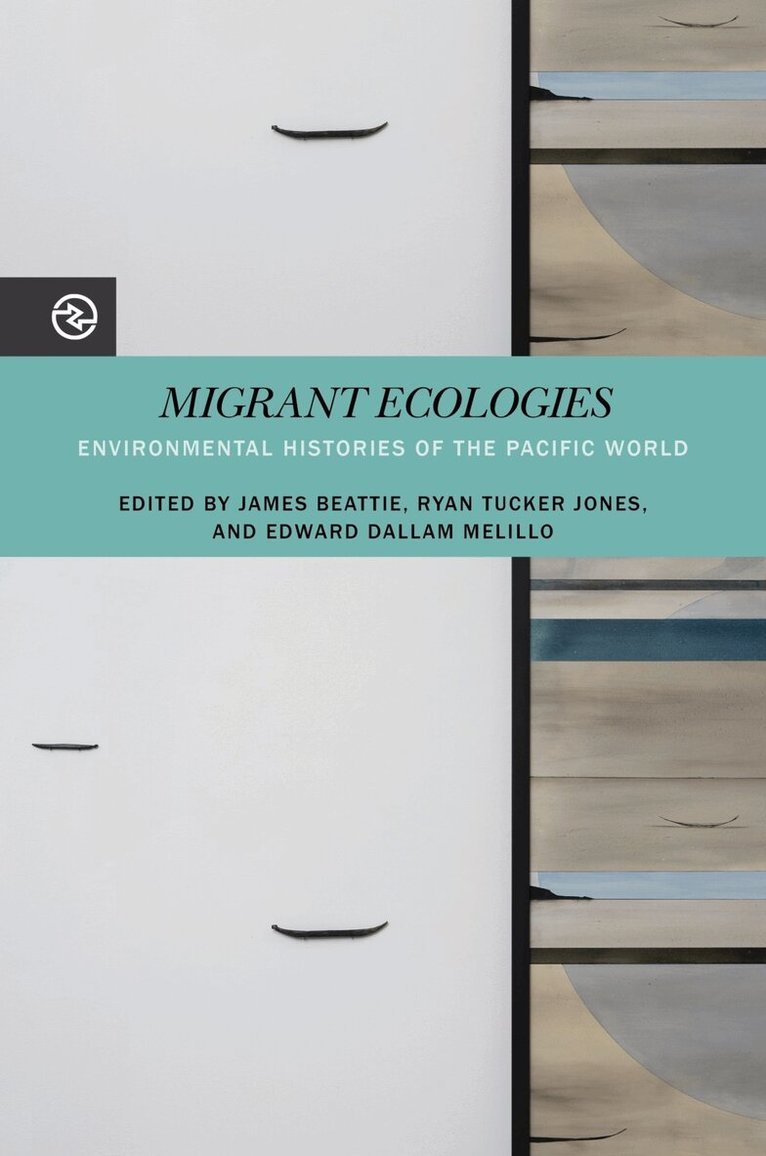
Migrant Ecologies: Environmental Histories of the Pacific World is the first volume explicitly dedicated to the environmental history of Earth’s largest ocean. Covering nearly one-third of the planet, the Pacific Ocean is remarkable for its diverse human and non-human inhabitants, their astounding long-distance migrations over time, and their profound influences on other parts of the world. This book creates an understanding of the past, present, and futures of the lands, seas, peoples, practices, microbes, animals, plants, and other natural forces that shape the Pacific. It effectively argues for the existence of an interconnected Pacific World environmental history, as well as for the Pacific Ocean as a necessary framework for understanding that history.The fifteen chapters in this comprehensive collection, written by leading experts from across the globe, span a vast array of topics, from disease ecology and coffee cultivation to nuclear testing and whaling practices. They explore regions stretching from the Tuamotu Archipelago in the south Pacific to the Kamchatka Peninsula in the far north, resisting the depiction of the Pacific as isolated and uninhabited. What unites these diverse contributions is a concern for how the people, places, and non-human beings of the Pacific World have been shaped by, and have in turn modified, their oceanic realm. Building on a recent renaissance in Pacific history, these chapters make a powerful argument for the importance of the Pacific World as a coherent unit of analysis and a valuable lens through which to examine past, ongoing, and emerging environmental issues. By showcasing surprising and innovative perspectives on the environmental histories of the peoples and ecosystems in and around the Pacific Ocean, this work adds to current conversations and debates about the Pacific World and offers myriad opportunities for further discussions, both inside and outside of the classroom.
291 kr
Skickas inom 7-10 vardagar
Migrant Ecologies: Environmental Histories of the Pacific World is the first volume explicitly dedicated to the environmental history of Earth’s largest ocean. Covering nearly one-third of the planet, the Pacific Ocean is remarkable for its diverse human and non-human inhabitants, their astounding long-distance migrations over time, and their profound influences on other parts of the world. This book creates an understanding of the past, present, and futures of the lands, seas, peoples, practices, microbes, animals, plants, and other natural forces that shape the Pacific. It effectively argues for the existence of an interconnected Pacific World environmental history, as well as for the Pacific Ocean as a necessary framework for understanding that history.The fifteen chapters in this comprehensive collection, written by leading experts from across the globe, span a vast array of topics, from disease ecology and coffee cultivation to nuclear testing and whaling practices. They explore regions stretching from the Tuamotu Archipelago in the south Pacific to the Kamchatka Peninsula in the far north, resisting the depiction of the Pacific as isolated and uninhabited. What unites these diverse contributions is a concern for how the people, places, and non-human beings of the Pacific World have been shaped by, and have in turn modified, their oceanic realm. Building on a recent renaissance in Pacific history, these chapters make a powerful argument for the importance of the Pacific World as a coherent unit of analysis and a valuable lens through which to examine past, ongoing, and emerging environmental issues. By showcasing surprising and innovative perspectives on the environmental histories of the peoples and ecosystems in and around the Pacific Ocean, this work adds to current conversations and debates about the Pacific World and offers myriad opportunities for further discussions, both inside and outside of the classroom.
710 kr
Skickas inom 11-20 vardagar
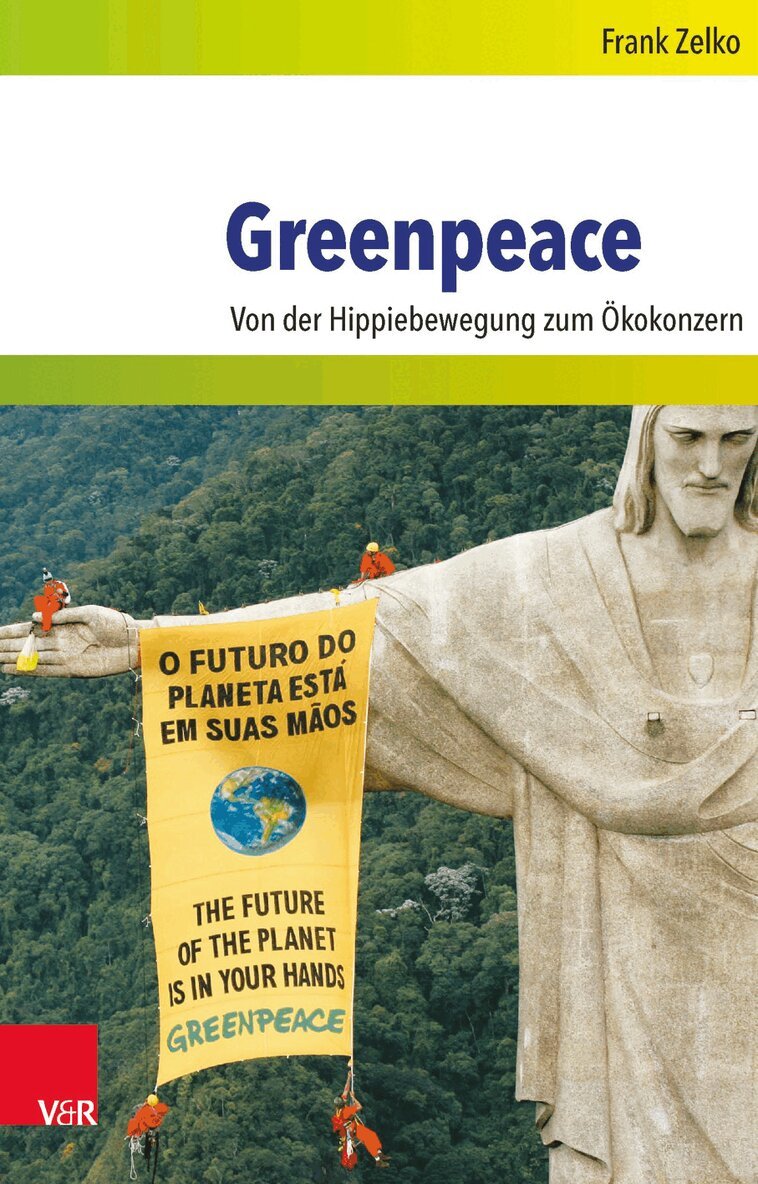
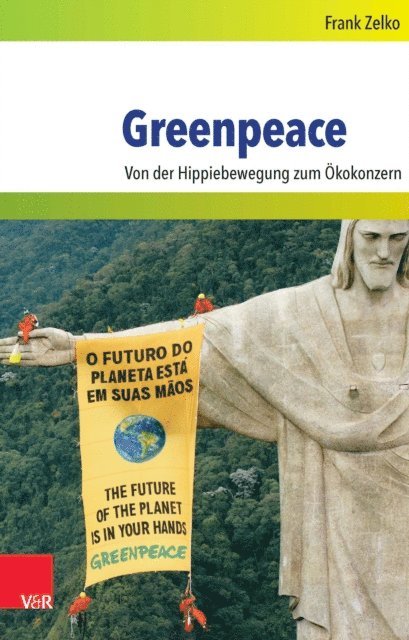
Die Weltorganisation „Greenpeace“ ist ein international vernetztes, global agierendes und in den Medien allgegenwärtiges Unternehmen. Seine Geschichte, seine Struktur und seine Philosophie fordern alle wissenschaftlichen Disziplinen heraus.Mit »Make It a Green Peace« (so der englischsprachige Titel) liegt erstmalig eine akribisch recherchierte, wissenschaftlich fundierte und zielführende Darstellung vor. Sie verbindet Zeitgeschichte, politische Wissenschaft, Gesellschaftssoziologie, Kulturtheorie und Umweltforschung zu einer kompakten Analyse eines führenden Agenten in der Globalisierung.Die Anfänge von Greenpeace finden sich in der kanadisch-amerikanischen Graswurzelbewegung von Antinuklearbewegung, Friedensbewegung, Hippie-Anarchismus, Quäker-Theorie der Gewaltfreiheit, Pazifismus, New Age-Spiritualität, Indianischer Naturauffassung, Tierschutzbewegung, Medientheorie von Marshall McLuhan u.a. Aus diesem Amalgam hat sich Schritt für Schritt und mit vielen Konflikten eine allgemein politische Organisation herausgebildet, die heute ein globales Weltunternehmen darstellt, gekennzeichnet durch straffe Führung, Zentralisierung, Professionalisierung, Management, Marketing, Öffentlichkeitsarbeit.